
He took advantage of a struggling Pasco teen. Then killed her, police say
AI-generated summary reviewed by our newsroom.
- DNA evidence linked Jesse L. Castillo to the 1997 murder of teen Anna Pelayo.
- Castillo denied involvement for 27 years despite repeated police questioning.
- Recent forensic advances uncovered Castillo's DNA on Pelayo's clothes and body.
From the start, Franklin County investigators suspected Jesse L. Castillo knew more about the murder of a 13-year-old Pasco middle schooler than he was letting on.
He was one of several suspects that detectives questioned over the years, believing they knew who shot Anna Pelayo in the head and dumped her along a road north of Pasco.
But for 27 years, Castillo denied seeing her the night she stormed away from her mom’s apartment.
And despite evidence showing a relationship between Pelayo and the 23-year-old Castillo, detectives never had enough proof to connect him to her murder.
That is until recently when investigators say technological advances linked him to DNA samples found all over her clothes.
Castillo, now 51, was arrested Monday in Union Gap near Yakima and returned to the Franklin County jail in Pasco to be held on investigation of second-degree murder.
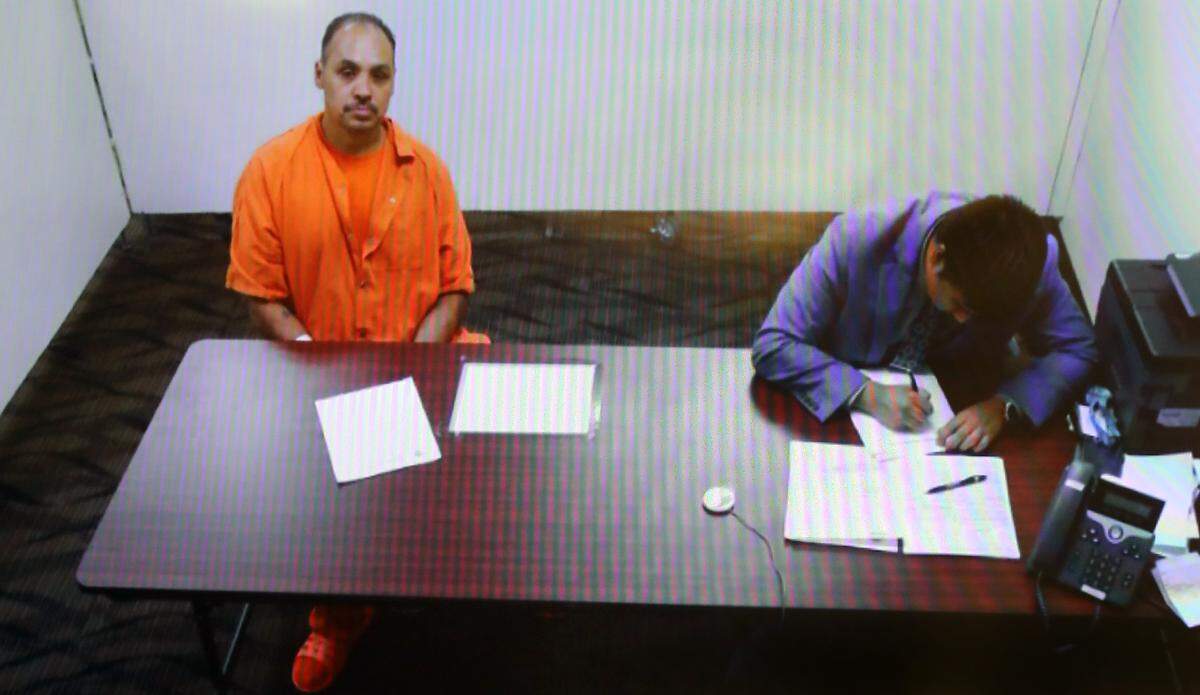
Tuesday, Pelayo’s family watched in silence in a Franklin County courtroom as Castillo appeared from the jail by video link and Judge Jackie Stam ordered him held without bail.
Court documents filed Tuesday provide some clues as to why detectives believe they have enough evidence to prove he killed her.
“Anna believed herself to be in a relationship with the defendant, who was 10 years her senior, which led her to repeatedly run away from Pasco to Wapato,” according to the court documents. “Investigators believe the death was sexually motivated.”
Investigators also found DNA from a second man, Jose “Joe” Silva on a can of pepper spray near Pelayo’s body. They believe he also was implicated in her death, but he died in 2018 from an apparent overdose in Yakima.
Teen runaway
Franklin County sheriff’s officials described Pelayo as struggling in her adolescent years. She frequently ran away from her Shoshone Street apartment where she lived with her mother to Wapato to stay with Castillo.
Castillo was described as her boyfriend, court documents said.
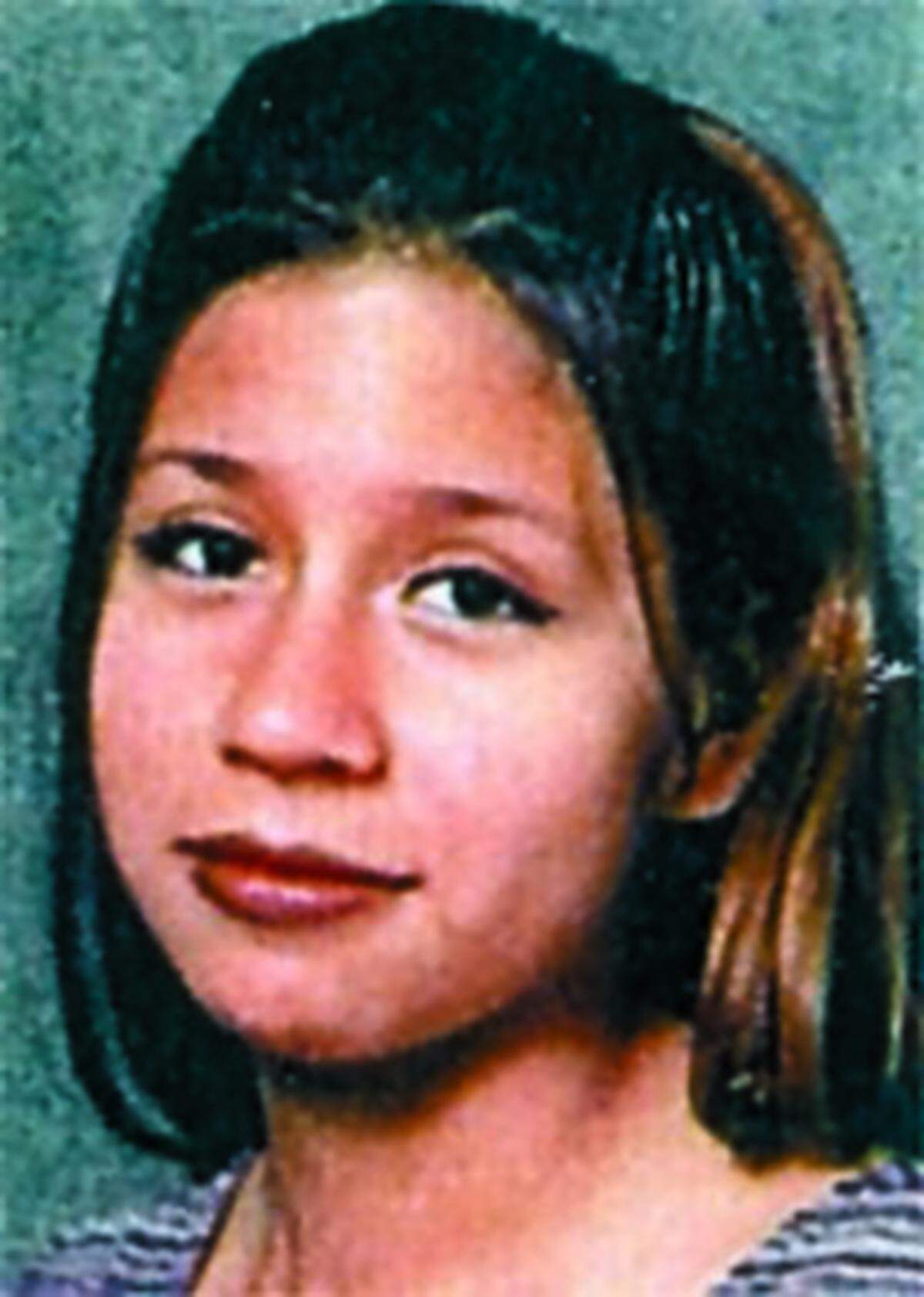
Court documents list three times when Pelayo was found in Wapato. The first was on Nov. 15, 1997, when she had returned to Pasco from Wapato. Two days later, she ran away again.
Then on Dec. 22, Pelayo turned herself into the Wapato Police Department as a runaway from Pasco. She had two black eyes and a broken nose after being “jumped” by five girls and her mother was called.
Hours before her death, Pelayo threatened to run away again, and her mom called Pasco police to discourage her from leaving. But she still left, even after officers told her it was illegal, according to Tri-City Herald stories at the time..
Officers saw her carrying two bags, wearing dark baggy clothes and walking north about two hours before she was found shot.
Payphone calls
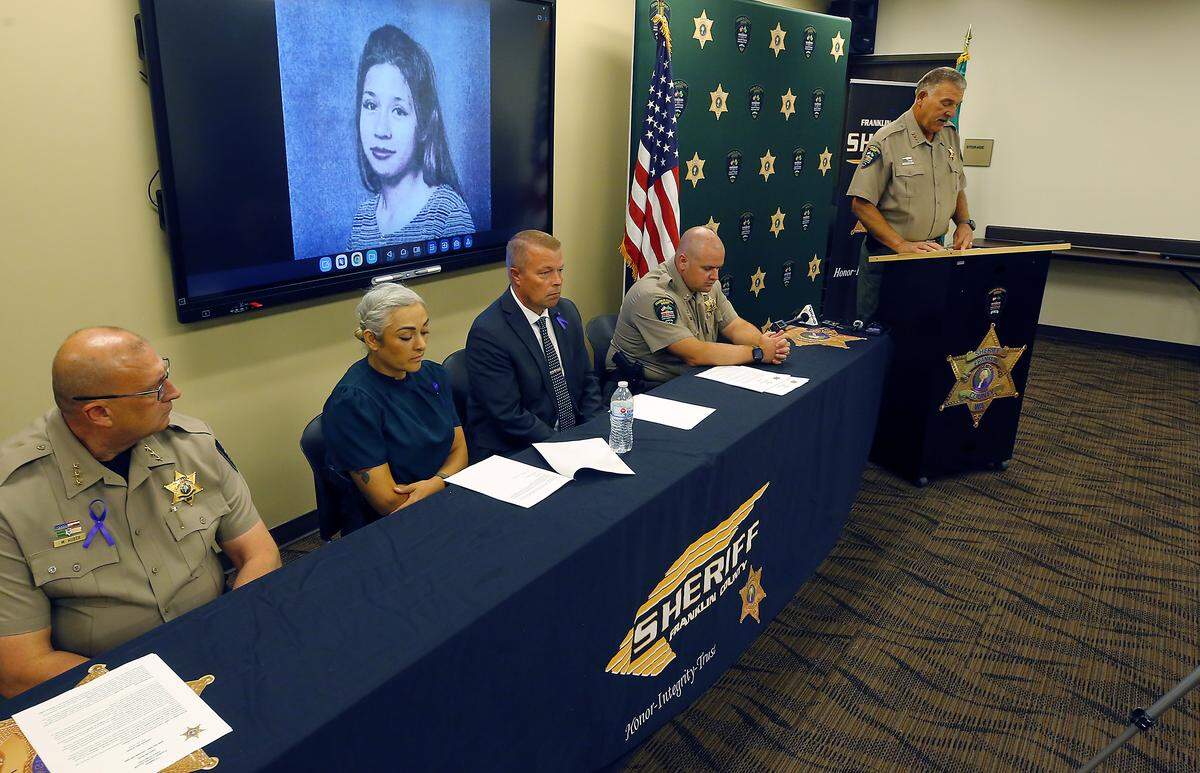
Pelayo made a number of calls in the hours before her death. One of them was to a pager.
While police were not immediately able to link it to Castillo, they allegedly found a card in his wallet with the pager number and directions on how to check messages on it.
“It was common for individuals at the time to dial a pager from one phone and enter a different number for the recipient to return that call,” Deputy Prosecutor Maureen Astley wrote in the affidavit of probable cause. “People in that age group were also often familiar with the phone numbers of payphones in their area, which they could use to receive phone calls without needing to deposit money.”
It’s believed that Pelayo called Castillo to call her at the payphone at the apartment complex. One person told detectives they saw a teen standing near the payphone.
Others also reported hearing Pelayo giving someone directions to the apartment complex, said court documents.
While there were earlier reports that Pelayo had called her stepfather and the Benton Franklin Juvenile Justice Center, court documents filed this week do not mention those calls.
Taylor Flats death
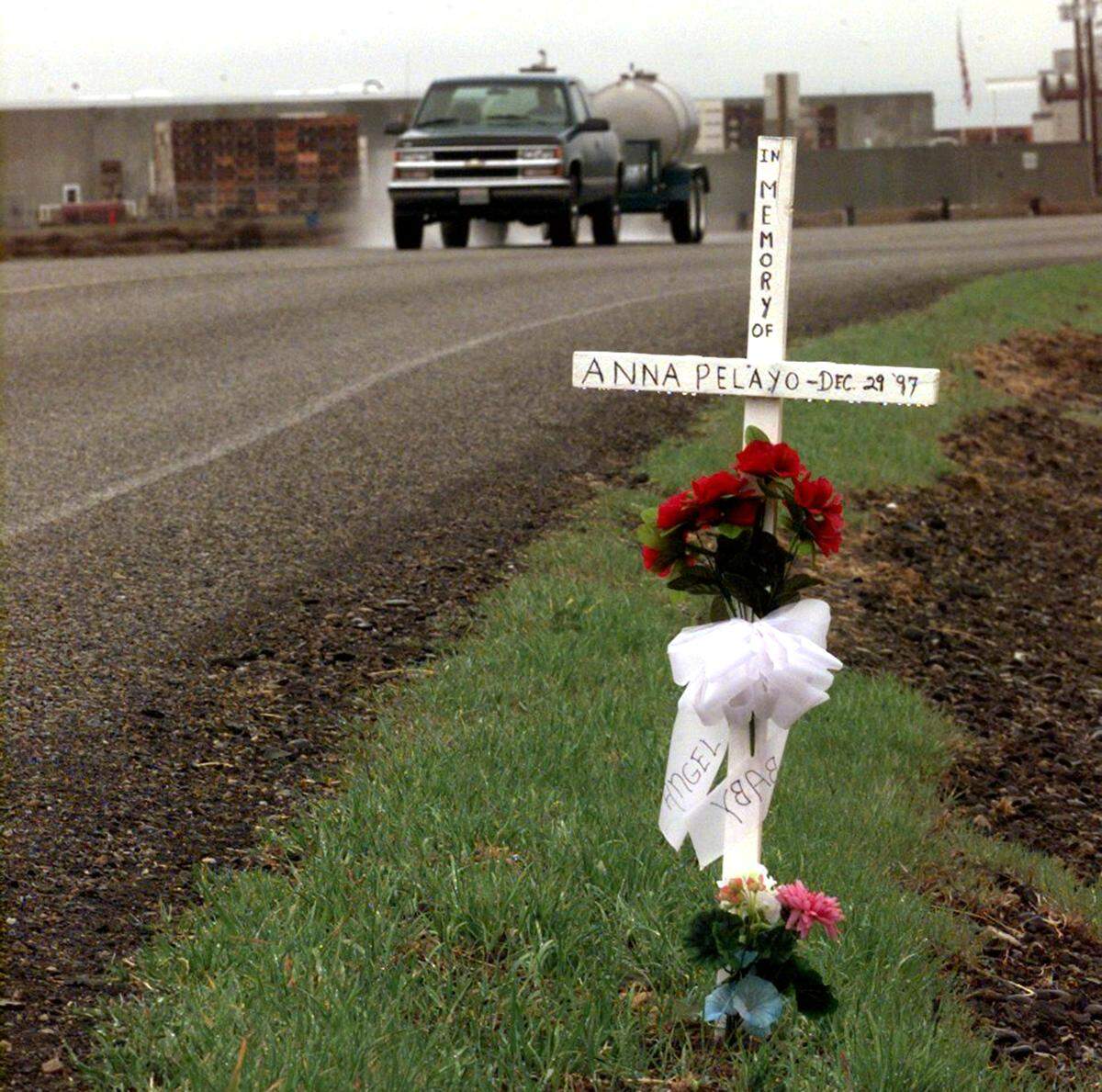
About 1:30 a.m., off-duty Franklin County Corrections Deputy Jim Warren received a call about a body spotted along Taylor Flats Road. Deputies found Pelayo wearing dark baggy clothing, with a can of pepper spray about a foot from her hand.
The spray was still in its sheath and the safety tab was still intact. She had a gunshot wound to her head but was still breathing. She was taken to Kadlec Regional Medical Center in Richland, where she was pronounced dead at 4:30 a.m.
An autopsy showed she’d been shot at close range by a .32 caliber gun at a downward angle. Deputies noted Castillo was nearly a foot taller than Pelayo.
Suspect’s alibi
Castillo was questioned twice about his connection with Pelayo. He initially said he hadn’t seen her since Dec. 22. He said she was told to leave after the homeowner discovered she was a runaway.
He provided different versions to investigators about where he was on the night of the murder. He first claimed he was with Jose “Joe” Silva before returning home.
He claimed to have talked with other people at the apartment, but no one could verify that.
Detectives questioned him again in 1998, and in that interview, he claimed to have been out with Anna’s new boyfriend before coming home at 10 p.m. He told police he stayed home and watched television. When he was asked about the pager, he said it wasn’t working, court documents said.
DNA testing
In more recent years, the Washington State Patrol Crime Laboratory had tested DNA found on Anna’s clothing.
They found DNA linked to a classmate and Pelayo’s brother, they didn’t believe either of them was connected to her murder.
In 2016, allegedly discovered Castillo’s semen on Pelayo’s clothing. Castillo was interviewed again, and again denied having sex with her.
He initially agreed to a polygraph examination, but later refused when detectives tried to administer it.
Advancements in DNA techniques allowed the crime lab to turn up more of Castillo’s DNA on the clothing. They also found male DNA under Pelayo’s fingernails, underwear and belt.
In April 2025, more of Castillo’s DNA was found on her clothing. Tests also found Silva’s DNA on the pepper spray container.
Castillo has a lengthy criminal history dating back to the early 1990s. It includes convictions for assault and violating protection orders. His last conviction came in 2019 when he was sentenced to serve 4 1/2 years in a Washington state prison.