
Owner of Eastern WA juice plant with filthy, putrid product sentenced, fined $742k
The elderly former owner of a Sunnyside plant where inspectors found putrid and moldy juice product was sentenced to three years probation Tuesday in federal court.
Mary Ann Bliesner, 83, and her former company, Valley Processing, also must pay a judgment of $742,139.
Valley Processing was accused of receiving at least that much money from customers for the sale of adulterated grape juice concentrate from 2016 to 2019.
Bliesner pleaded guilty to misdemeanor charges of introducing adulterated food into interstate commerce and failure to register a food facility.
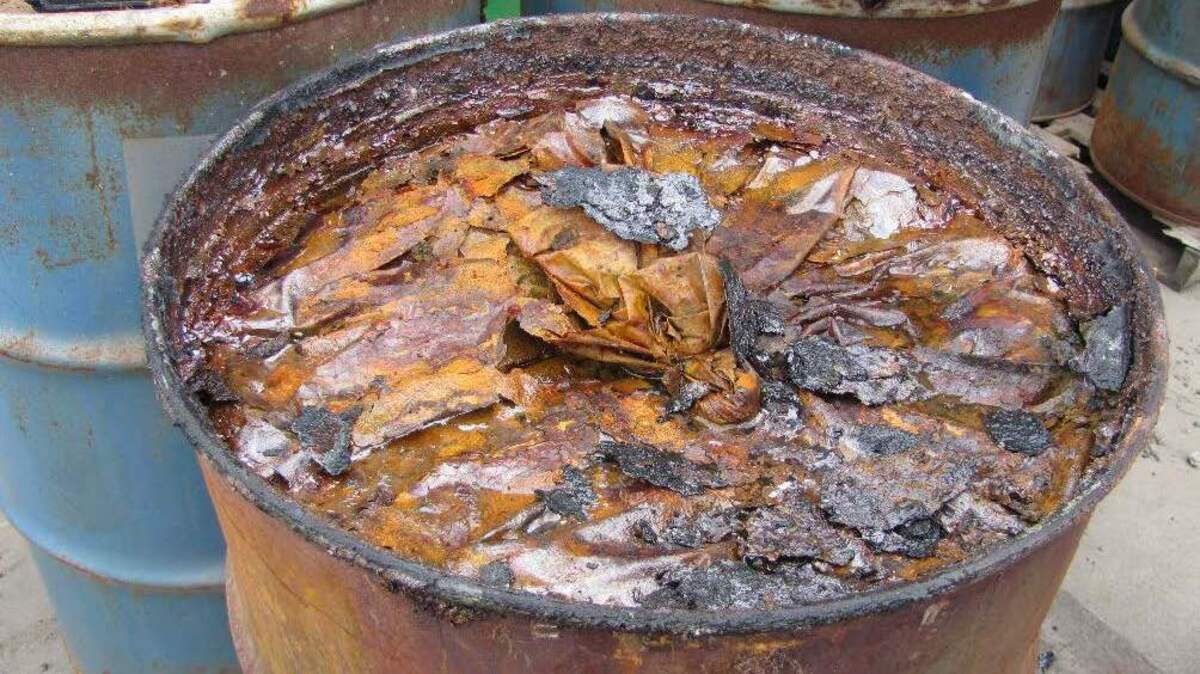
Food and Drug Administration inspections of facilities owned by Valley Processing in 2018 found visible mold, animal urine and feces, and decomposing corpses of birds, rodents and insects in juice products, according to court documents.
One inspector reported seeing and photographed a concrete tank of juice concentrate with a layer of mold and crust so thick and hard that a rat was walking on top of it, according to court documents.
The company was accused of conspiring to distribute tainted and potentially unsafe apple and grape juice from October 2012 to June 2019 to customers in the United States, which included school lunch programs, and to customers worldwide.
Valley Produce admitted in a plea agreement that it blended grape juice concentrate, which had been stored outside for years and exposed to the elements, with newer grape juice concentrate and sold the resulting blended grape juice to unsuspecting customers as new grape juice with a new lot number and production date.
In November 2020, the United States filed a civil complaint in federal court to end the production and sale of Valley Processing products, some of which it called “filthy, putrid or decomposing.” Two months later Valley Processing and Bliesner agreed to stop all operations and sales without FDA approval, and the company then shut down.
Bleisner is retired and under the sentence imposed by U.S. Judge Stanley Bastian in the Yakima federal courthouse; she may have no personal involvement in manufacturing or selling food or beverages of any kind.
The criminal case that led to Tuesday’s sentencing hearing was filed in 2022.
Called ‘the grape lady’
Bleisner’s attorneys said in court documents that when she was in her mid to late 70s she relinquished many job duties to others at Valley Processing and was not paying as much attention to the company as she should have.
“Mrs. Bleisner is remorseful and embarrassed by her conduct,” they said in court documents.
The 2014 crop year was a turning point, according to court documents, with a substantial Concord grape yield that caused Valley Produce to run out of space to store grape product for which it was under contract with farmers and co-op members to sell.
At the same time she said the industry “lost the Korean market,” impacting Valley Produce’s ability to sell juice, according to a court document.
She knew that the excess product was not being handled properly, but there were additional costs in processing it for disposal, according to a court document.
“She has lost the business she spent her life building and suffered tremendous harm to her reputation,” according to her attorneys. “She continues to be burdened with financial obligations associated with VPI (Valley Processing Inc.), which she was force to sell at a substantial loss.”
She is known in Sunnyside as “the grape lady,” and as a pioneer in a male-dominated industry, according to her attorneys, Carl Oreskovich and Andrew Wagley.
She is the former president of a Lower Yakima Valley rotary club and served on the Sunnyside Hospital Board, until she resigned to avoid harm to the hospital’s reputation.
Moldy, contaminated juice product
Problems came to light with Valley Processing after the FDA was tipped off in 2018 that the plant had storage facilities that it had not registered with the FDA to prevent the FDA from inspecting them, according to court documents.
In 2016, Bliesner told inspectors that the plant consisted of three main processing plants at 108 Blaine Ave. and nearby frozen storage facilities.
She concealed from inspectors that two buildings elsewhere were used to store food product, including a facility on Grape Road with hundreds of thousands of gallons of grape juice concentrate, according to a court document.
In 2018, she told inspectors who had been alerted to additional food storage sites that the Grape Road facility was “off-limits” and that it had been unsafe to enter for three years, according to court documents.
She told staff to place caution tape at the entrance and stairs leading to tanks holding grape concentrate, according to the indictment in the case.
Tests of samples of the concentrate stored at the facility found it was contaminated with bird and rodent feces, fur, insects, decaying remains of animals, mold, yeast and other contaminants, according to a court document.
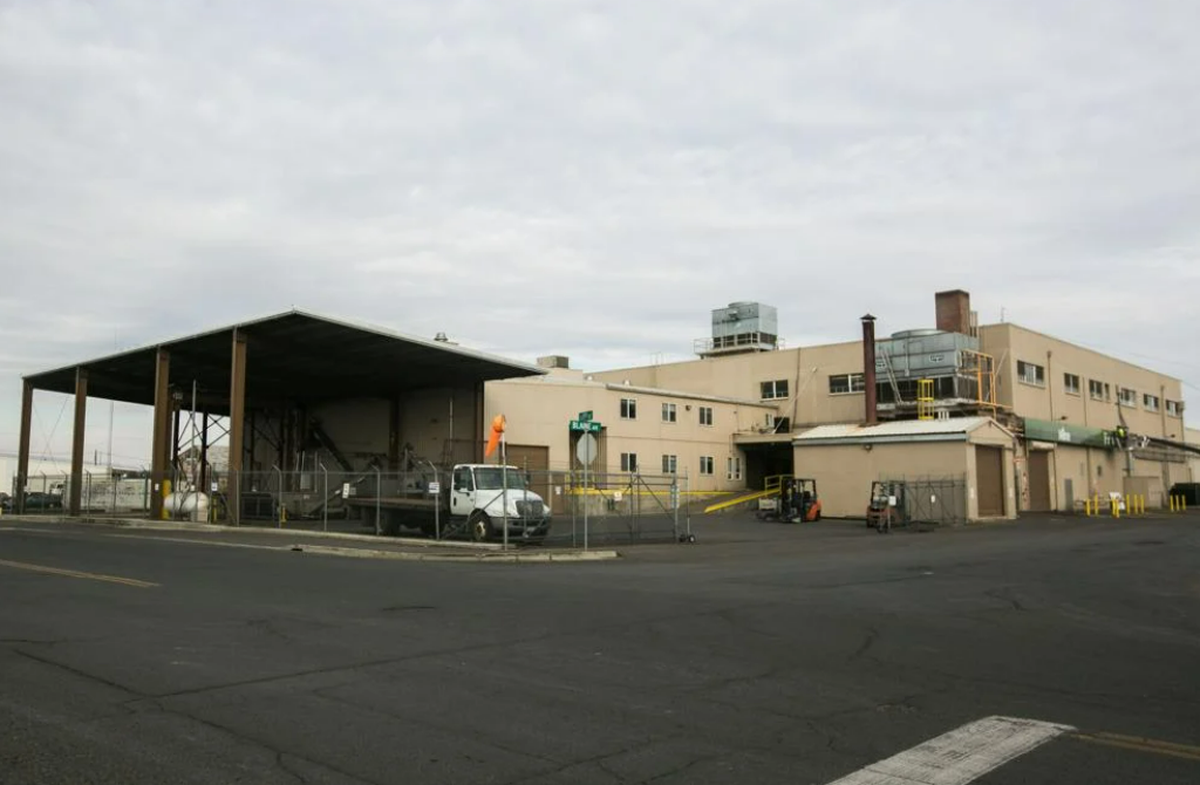
The facility was used to store product from past grape harvests, some of them years ago, according to court documents.
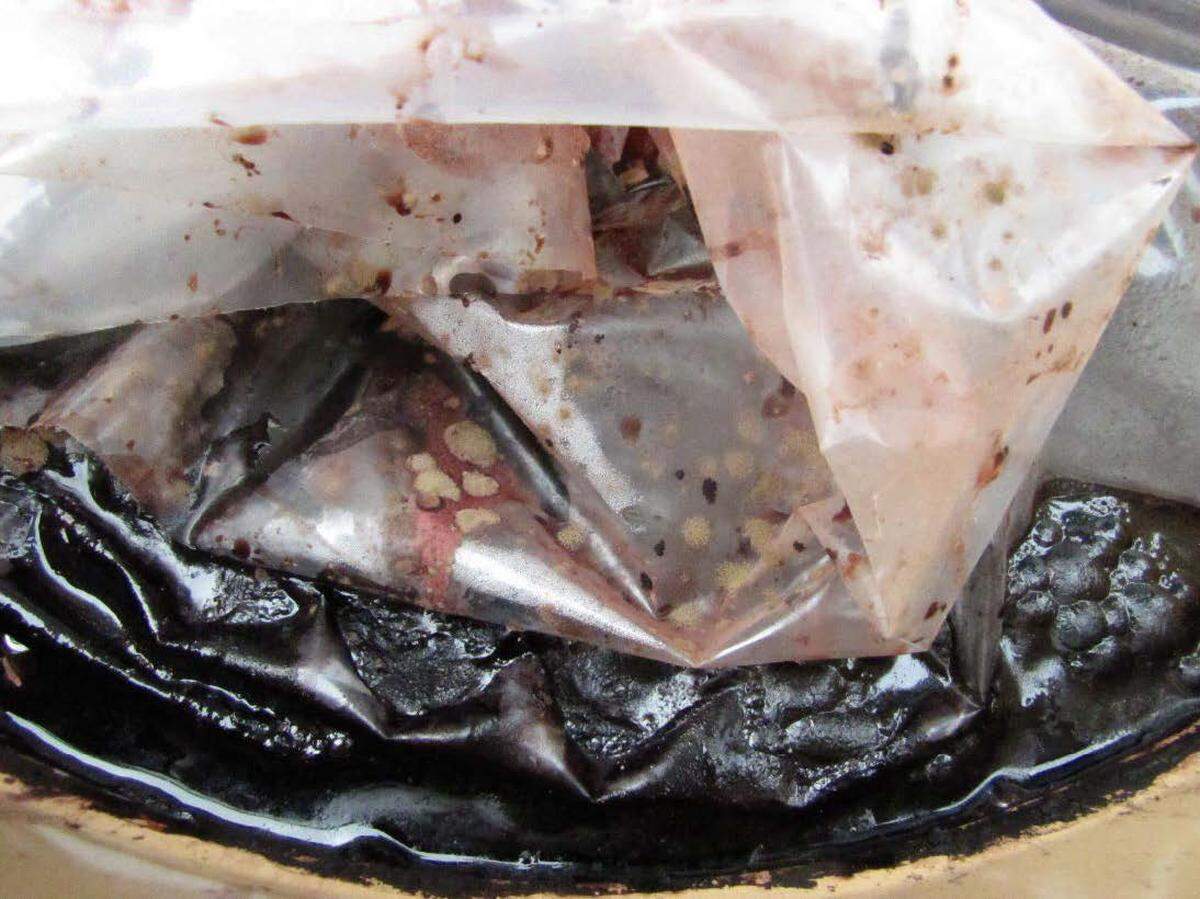
It had some grape juice stored in a cold room and in refrigerated storage tanks, but also had three 26,000-gallon capacity tanks that were open to the elements and were insufficiently cooled by an air condenser that blew cool air across their tops, according to a court document.
At times they were partially covered by a plastic liner.
Just two months before inspectors saw the live rat in one tank, the plant had transferred 105,000 gallons of grape juice concentrate into 55 gallon drums to prepare grape juice concentrate for shipment and sale, according to a court document.
However, because the juice did not meet customer specifications, this grape juice concentrate was never sold nor shipped, according to the plea agreement.
Moldy, rotten grape product
Inspectors also learned of and inspected the plant’s Blaine Avenue facility, finding drums in May 2018 that had juice concentrate and juice stored outside at ambient temperature. Some had been rotting and fermenting for years, according to the indictment.
Some of it was produced as early as 2011, but was still being used to fill customer orders, some as-is and some blended with newer product, but not necessarily repasteurized, alleged a court document.
Inspectors also found solid sediments that had settled to the bottom of drums of grace juice concentrate, filling a quarter of the drums with what were called “bottoms.”
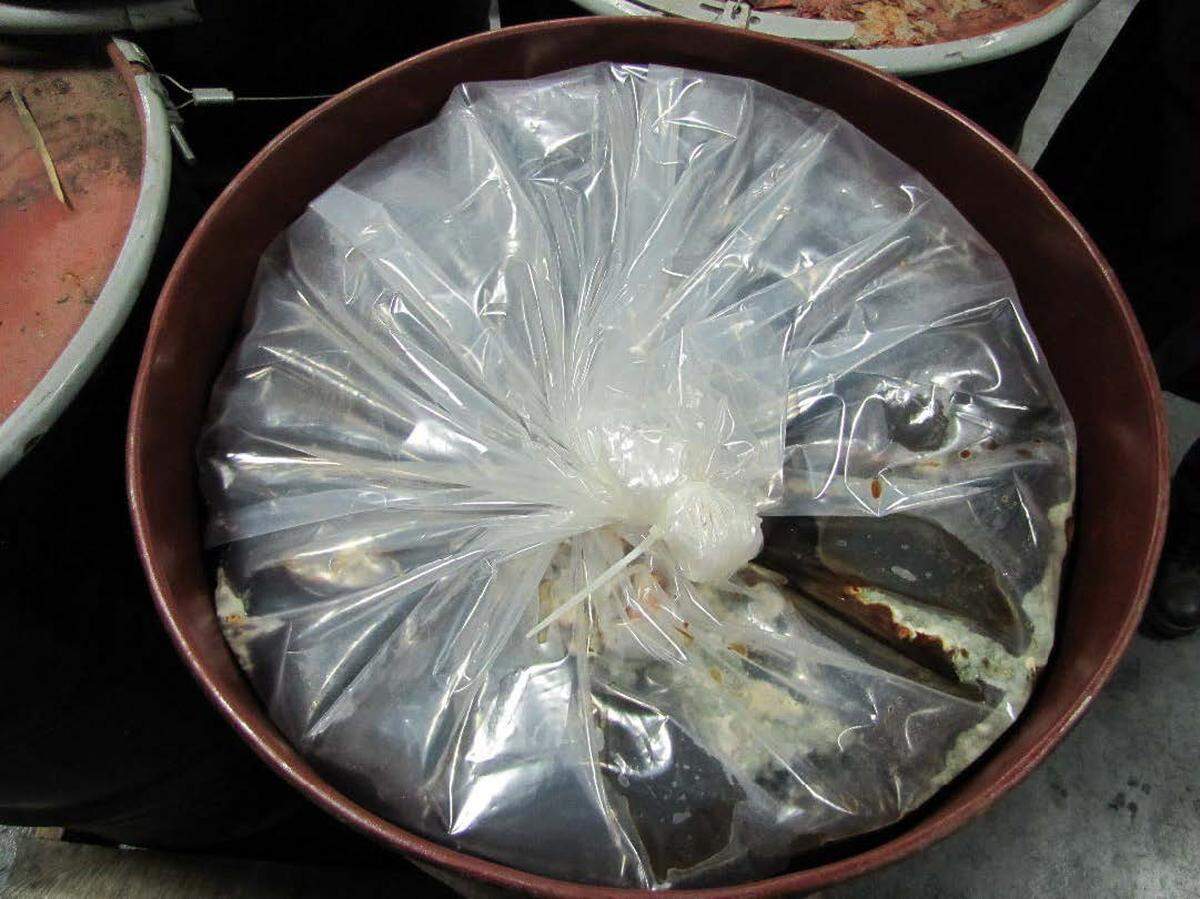
During seasonally slow times at Valley Processing, water would be added to the bottoms and the mixture would be reprocessed, according to a court document.
The intent was to conceal the old, rotten and moldy grape bottoms and sell the resulting juice concentrate as recently produced product, alleged a court document.
Company allegedly skipped testing
Bliesner and Valley Processing also were accused of falsifying information about tests for dangerous contaminants or not doing tests.
From summer 2017 to summer 2018 the plant shipped 19 lots of apple juice concentrate that had been blended or reworked from 2016 product, according to court documents.
The concentrate was not checked for arsenic, a potential problem for apple juice products, until late summer 2018, according to the documents.
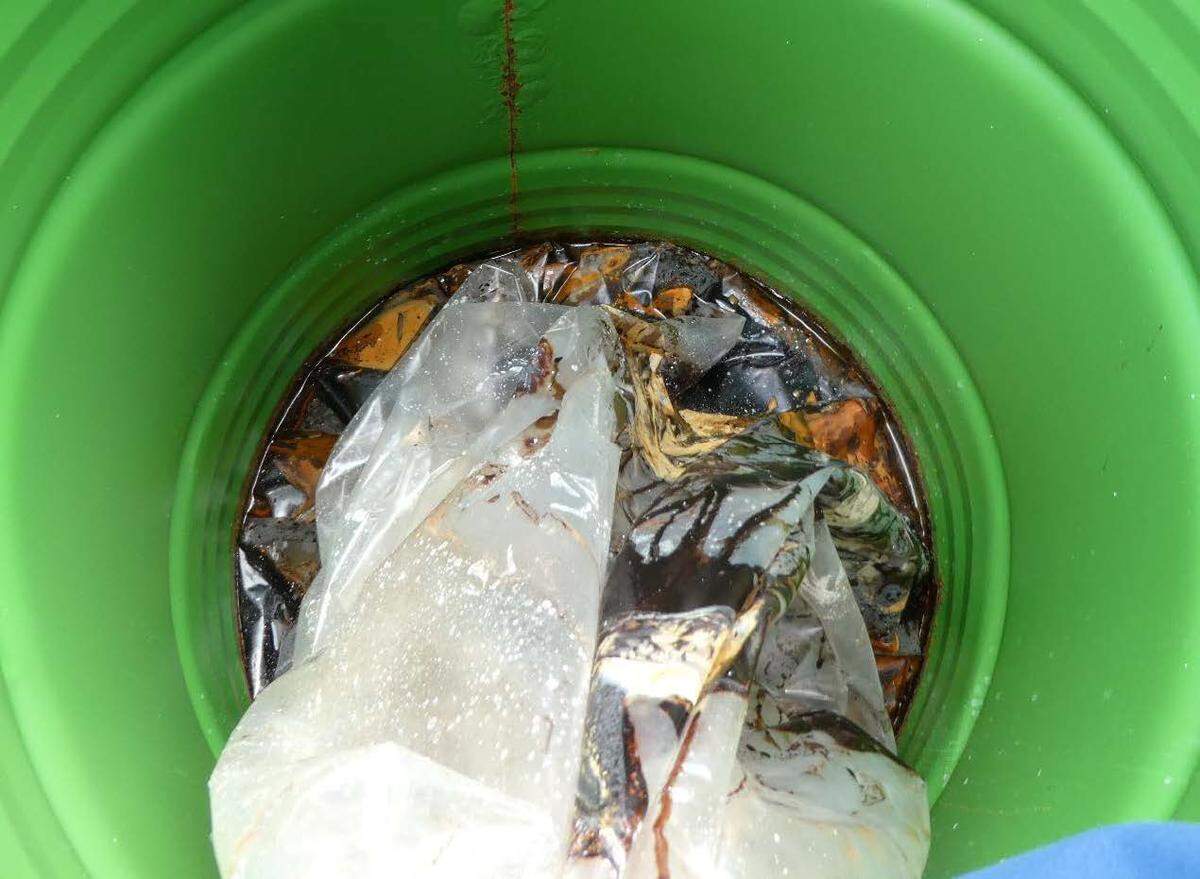
The results showed arsenic at more than double the FDA limit of 10 parts per billion, according to a court document.
From 2014 to March 2017, employees of the plant were told to falsify information about patulin, a mold toxin that can be found at high levels on rotten, bruised or improperly stored apples, alleged a court document.
They were told to list patulin testing on apple juice products as pending, when no testing was done or test results showed levels that exceeded FDA limits, according to a court document.
This story was originally published June 17, 2025 at 7:44 PM.