
Why are serious injury crashes up in the Tri-Cities for the 5th straight year?
Tri-Cities drivers have set a grim new record just two years after the last one.
The Washington state Department of Transportation reported there were 111 serious injury collisions between Benton and Franklin counties in 2024.
This tops the last 10-year record set in 2022 , according to the department’s crash data portal. The portal provides data between 2014 and 2024.
“It’s hard to say exactly why the numbers are remaining high, but they very clearly are,” Washington State Patrol Trooper Sarah Clasen told the Tri-City Herald.
Intoxicated driving, speeding, following too closely and distracted driving have all contributed to the crashes that left people hurt on state highways, Clasen said.
This continues a pattern that the Tri-Cities has experienced for the past five years. The average number of crashes in Benton County is 55% higher than it was in the five years prior.
They’ve gone from an average of 44 a year between 2014 and 2019 to 68 a year for the past five years, according to state records analyzed by the Tri-City Herald.
The jump is only slightly less dramatic in Franklin County. The annual average went up by 35%, increasing from 25 accidents to 34.
These are crashes that caused serious injuries but not deaths, according to the Washington State Department of Transportation.
Fatal crashes have not followed any stable pattern in the Tri-Cities. In total, there has been 237 during the past 10 years.
Benton and Franklin counties are not alone, said Staci Hoff, the research director at the Washington Traffic Safety Commission.
The state hasn’t seen this number of fatal crashes since the 1990s, and the pattern of year after year increases is something they haven’t seen since the 1970s.
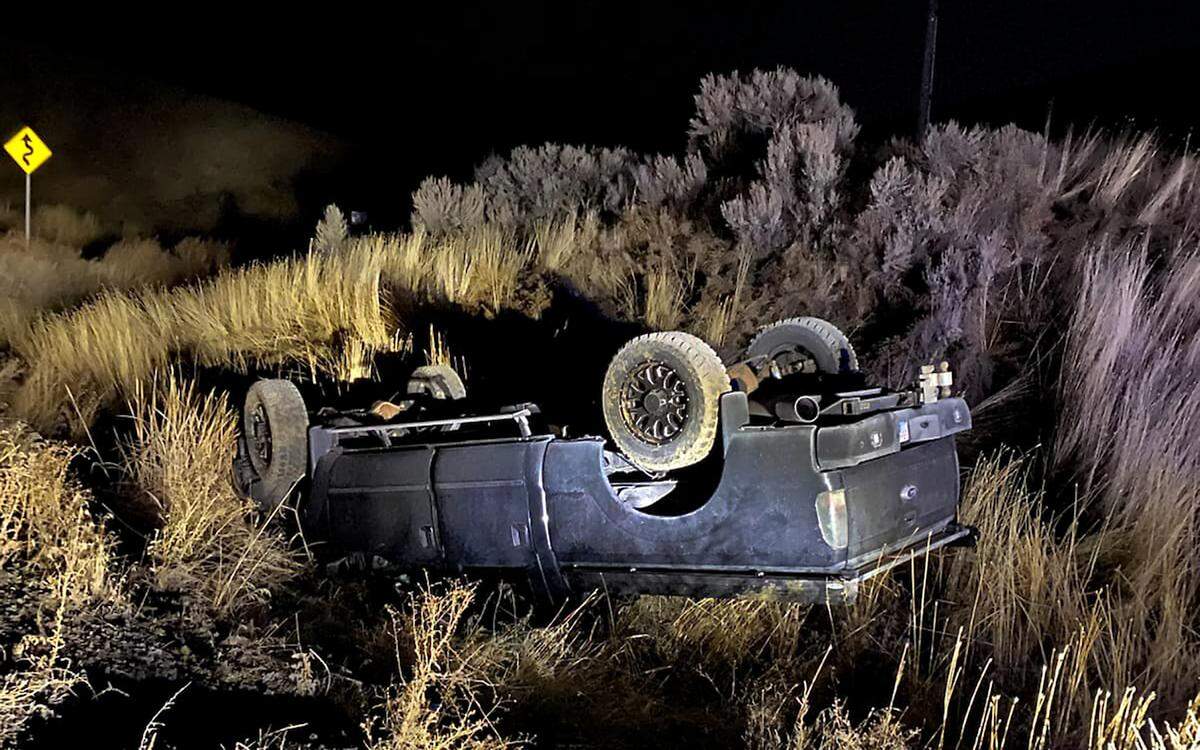
Serious injuries increased
The number of crashes in both counties has stayed level for the past five years, but the number of crashes with serious injuries has risen, according to the Department of Transportation figures.
Statewide officials are seeing similar figures, said Staci Hoff, with the Washington Traffic Safety Commission. Washington has proven to be an outlier in the region.
Idaho and Oregon along with Washington each saw a spike in fatal crashes starting in 2020, as part of a nationwide trend, but the two other states have started to go down while Washington’s numbers have continued to remain high.
“Good news is (the number of fatal crashes is) not going to be as high as 2023,” Hoff said. “It does look like we’ll be over 700.”
While fatal crashes in Benton and Franklin counties fluctuate, crashes that involve hospitalization have remained higher each year.
The trend started during the COVID pandemic when fewer drivers were on the highways.
As roadways emptied, the Washington State Patrol and other police agencies began to report more people speeding on less crowded roadways, many of them breaking 100 mph.
The traffic safety commission said other dangerous behaviors also increased such as people driving while they’re drunk or high, people speeding or not buckling their seat belts.
Hoff noted the proportions of the causes are the same, but the numbers are higher. So if half of all fatal crashes were caused by drunk driving, it is still half, but there are more.
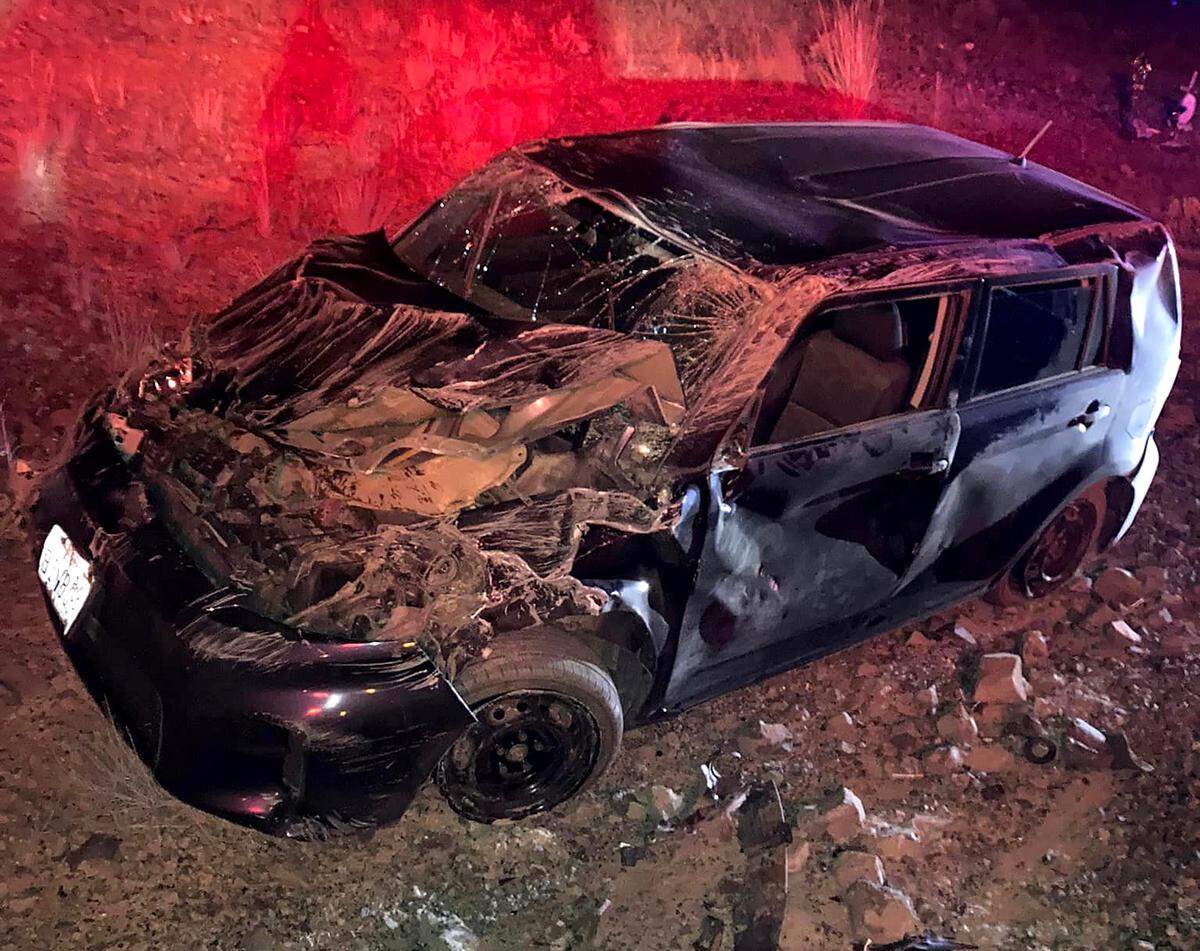
Decreasing the crash numbers
While the number of serious injury crashes continues to reach new highs, Hoff said she doesn’t believe that it’s the new normal.
Though it was disheartening to see Oregon and Idaho numbers drop while Washington numbers stayed high in 2023.
“I don’t think this is just the way it is,” she said. “We had unique things happen. .... Those things are what isolated us.”
She said the restrictions on who police could and couldn’t chase led to more crashes, because officers couldn’t stop as many people from driving recklessly.
The state also has one of the smallest ratios of officers to residents, and police agencies continue to struggle with recruiting new people.
The commission is still continuing its education campaign. This is also true for the state patrol and other police agencies.
Though Hoff said it may take people seeing the rash of serious injury crashes as a public health issue, the same way that they view the opioid epidemic.
“It takes a sense of urgency to realize that this is unacceptable,” she said. “Eventually, it takes the community to say this is enough.”