
WA crashes are far more serious in recent years. What’s being done about it in Tri-Cities
Drivers regularly speeding over 100 mph on Tri-City highways started during the COVID pandemic and never stopped.
Washington State Patrol Trooper Chris Thorson told the Herald he caught two just recently along the same stretch of Highway 240 in Richland.
“In my experience, they’ve been pretty nonchalant (after getting caught),“ he said. “They don’t really argue about it.”
Speeders are a key reason state officials say the number of collisions with serious injuries is spiking dramatically in Benton and Franklin counties.
Department of Transportation crash statistics show the same concerning trend that started in 2020.
On average, serious crashes in Benton County have jumped 78%.
They’ve gone from 36 a year on average between 2014-19 to 64 a year since then, according to state records analyzed by the Herald.
The increase is only slightly less dramatic in Franklin County. The annual average rose by 71%, increasing from 21 accidents with injuries each year to 36 a year in the same period.
These are crashes that caused serious injuries but not deaths, according to the Washington state Department of Transportation.
In addition, 218 people were killed in Benton and Franklin county crashes in the past 10 years.
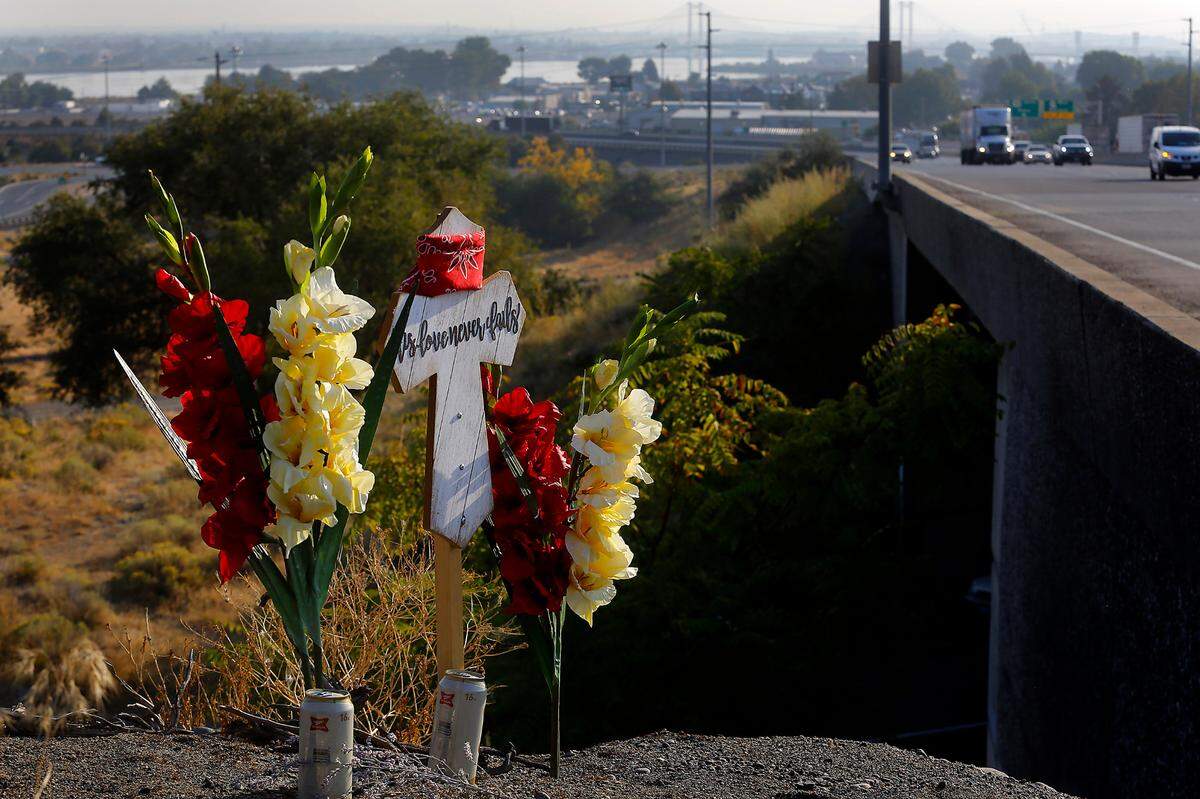
And the number of collisions are not dropping as we head into the deadliest three months of the year for wrecks. State data shows 31% of all traffic deaths happen between June 7 and Sept. 7.
The serious collision problem is being seen statewide, as well.
Officials are hoping a combination of education and enforcement, including an eyes-in-the-sky approach, will soon curb the troubling trend.
“We can all make choices that make our roads safer,” said Mark McKechnie, the Washington Traffic Safety Commission’s external communications director.
“We buckle up and put the phones down. We drive sober and encourage others to do the same. We can also ease off the gas a little and we’ll get to our destinations safely,” he said.
Serious injuries climbing
While the overall number of crashes has stayed steady in the past three years, the number of crashes with serious injuries has risen, according to the Department of Transportation figures.
That appears to be true both on the state and local level, according to Washington state data.
Speeding, alcohol and drug use, distracted driving and people not wearing seat belts are the key reasons, say state officials.
Other contributors include a drop in the number of officers patrolling roadways, along with changes in police pursuit laws.
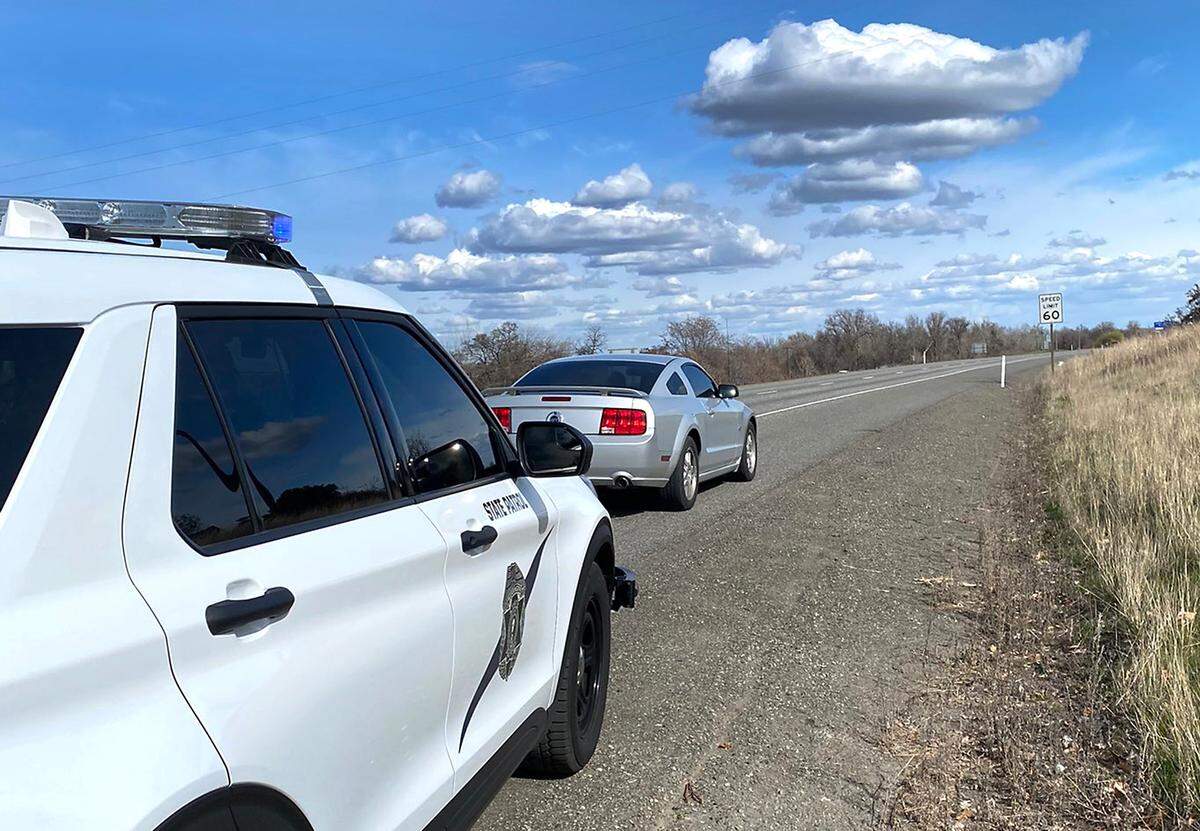
The trend started during the COVID pandemic when fewer drivers were on the highways.
As roads emptied, the WSP began to report more people speeding on less-crowded roadways, many of them breaking 100 mph.
As COVID restrictions eased, some of those drivers haven’t slowed down, McKechnie said.
With the pandemic, the amount of alcohol and drug use also increased across Washington state.
It’s part a national trend since 2020 that is continuing to see more people dying from drug overdoses, according to the National Institute of Health.
Thorson said troopers locally are seeing more drunk drivers.
And McKechnie said with police staffing shortages in recent years, fewer officers are on the roads to spot reckless drivers.
The one thing that doesn’t appear to be a factor is location.
While the serious crashes in the two counties are primarily on interstates, highways and busy arterial streets, there is little else that connects them.
McKechnie said they are seeing the same thing in most areas statewide. The designs of the roads don’t appear to be causing more crashes.
What’s being done about it
The state patrol is planning to try an aerial approach to the problem in the Tri-Cities region.
In the short term, the WSP is bringing in air support to help track reckless and speeding drivers from the sky.
State laws still limit when police can start chasing a speeder. Officers must suspect the driver has committed a violent crime, sex offense, vehicular assault or is driving under the influence to pursue them.
However, a WSP plane can follow the car until a driver reaches a destination. Once the person parks, police show up and either arrest them or issue them a ticket.
The state patrol has been having a lot of success with that in Western Washington, Thorson said. The agency plans to bring the plane to the Tri-Cities area Aug. 16-19.
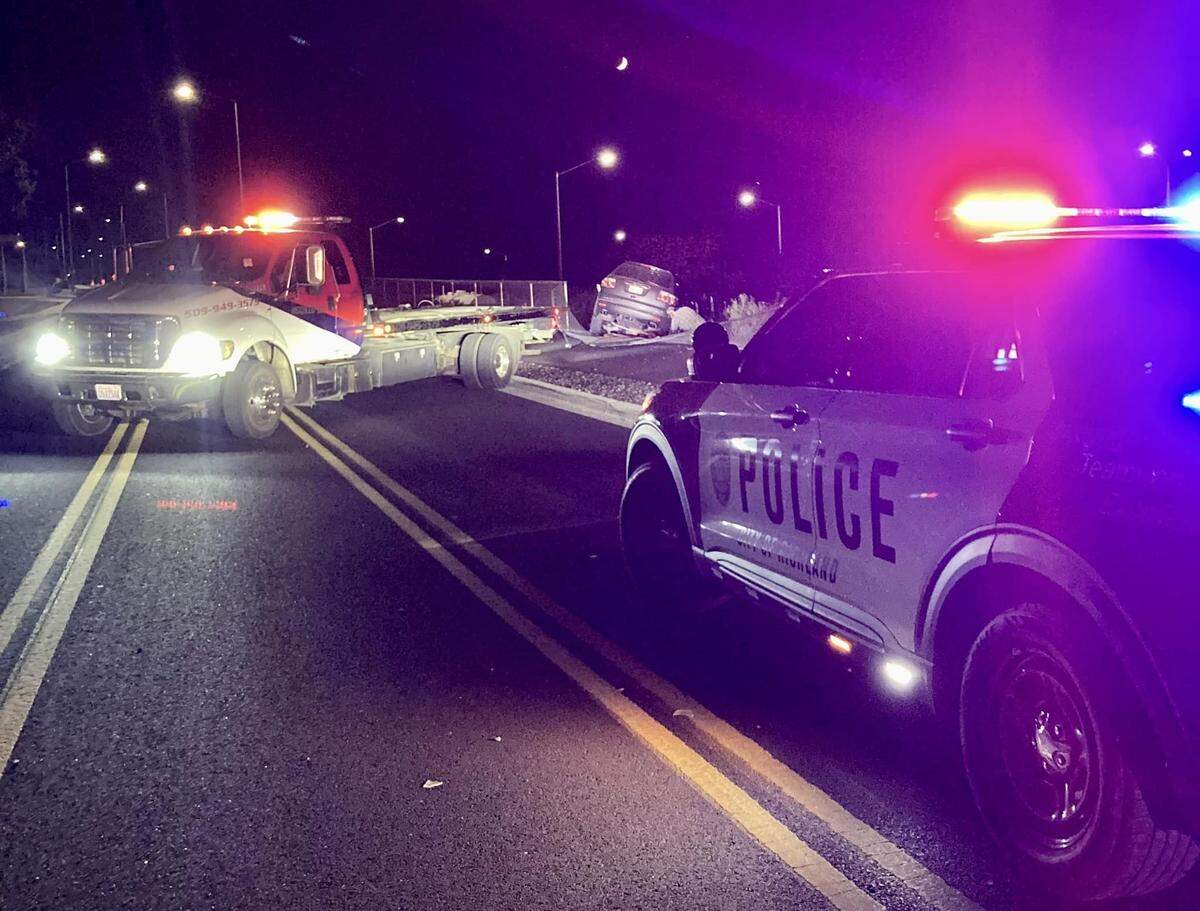
The traffic safety commission also is stepping in with more education programs, McKechnie said.
The state received some federal funding that is helping to increase advertising and other messages about the dangers of summertime driving.
They also are pushing to lower the legal limit of intoxication to a blood-alcohol level of 0.05% from the current 0.08%.
There was an effort in the Legislature to make the change this year, but it failed to make it out of committee. But McKechnie said they are still hoping legislatures will make the change.
Critics have said the measure punishes people who drink responsibly and could hurt Washington’s wine industry, according to an Axios article.
Still, McKechnie said Utah has seen a 20% drop in fatal crashes after making the same change and other nations that cut their legal intoxication limits have seen similar improvements.