
Warning for dog owners. Herbicide spraying planned along Tri-Cities river
AI-generated summary reviewed by our newsroom.
- Corps will use herbicide on the Pasco side of the Columbia River.
- Animals must not consume treated river water for 24 hours after the herbicide application.
- Health district also warns of risk of toxic algae to dogs in Tri-Cities area..
Dog owners will need to keep their pets out of the Columbia River near Osprey Point in Pasco for at least part of next week because of efforts to kill some invasive plants.
The U.S. Army Corps of Engineers will be applying the herbicide Aquastrike, with active ingredients diquat and endothall, to attack the flowering rush there.
The work is scheduled from July 14-18, with the herbicide most likely to be applied Wednesday, July 15. Signs will be posted on the shoreline 48 hours before treatment.
While there are no fishing or swimming restrictions for the treated water, animals should not drink water from the treated area for 24 hours after application.
There also is a three-day restriction on using water from the treatment for drinking or watering landscaping and a five-day restriction on irrigating food crops.
Toxic algae testing
In the Columbia River in the Tri-Cities, the usual concern for dogs is toxic algae that can be deadly for them.
The Benton Franklin Health District began its seasonal water testing for the toxin at 12 locations in the Tri-Cities region June 30.
BFHD collects samples twice a month, and test results are available on the health district website. Warning signs will be posted along the riverbank whenever toxin levels exceed safe recreational thresholds.
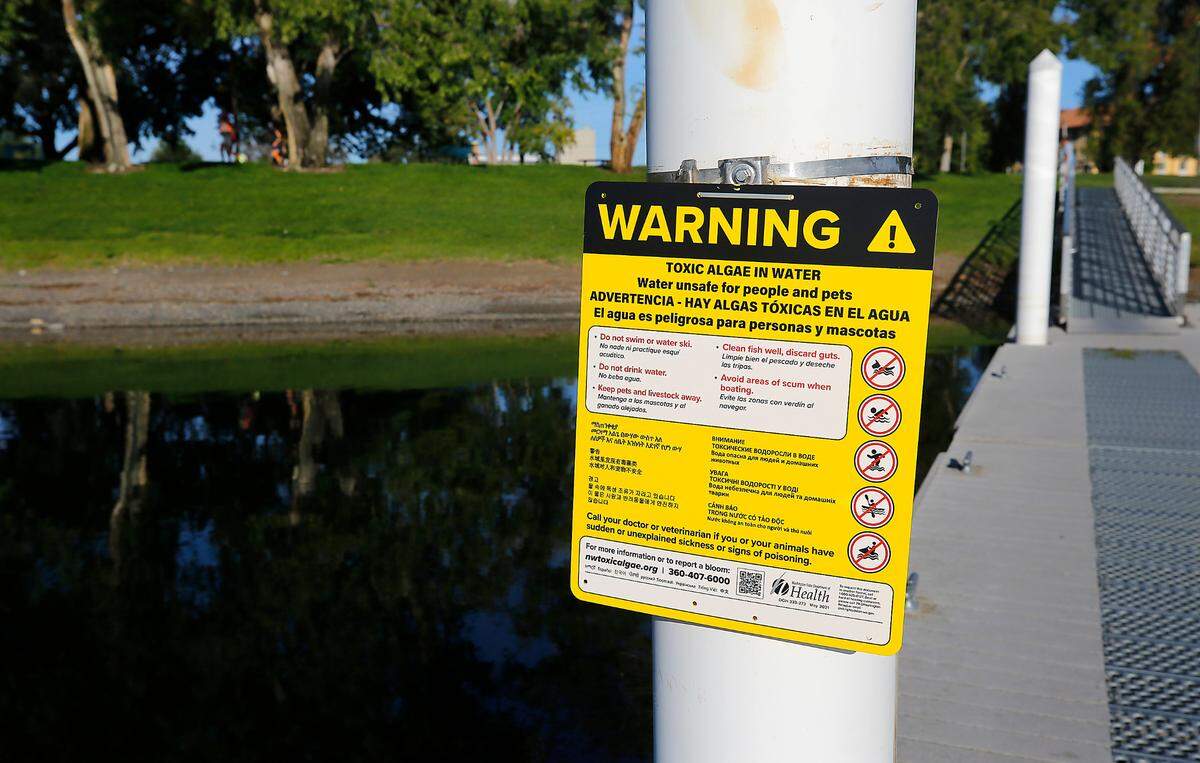
No warning has been issued yet this summer.
While toxic algae are often visible as green scum in lakes and ponds, it can be harder to detect in rivers and streams.
In the Columbia River, algae typically grow on rocks and other surfaces along the shoreline and is known as benthic algae (green, brown or reddish clumps). Some forms of benthic algae can produce dangerous toxins that may cause serious health effects in people and pets when ingested.
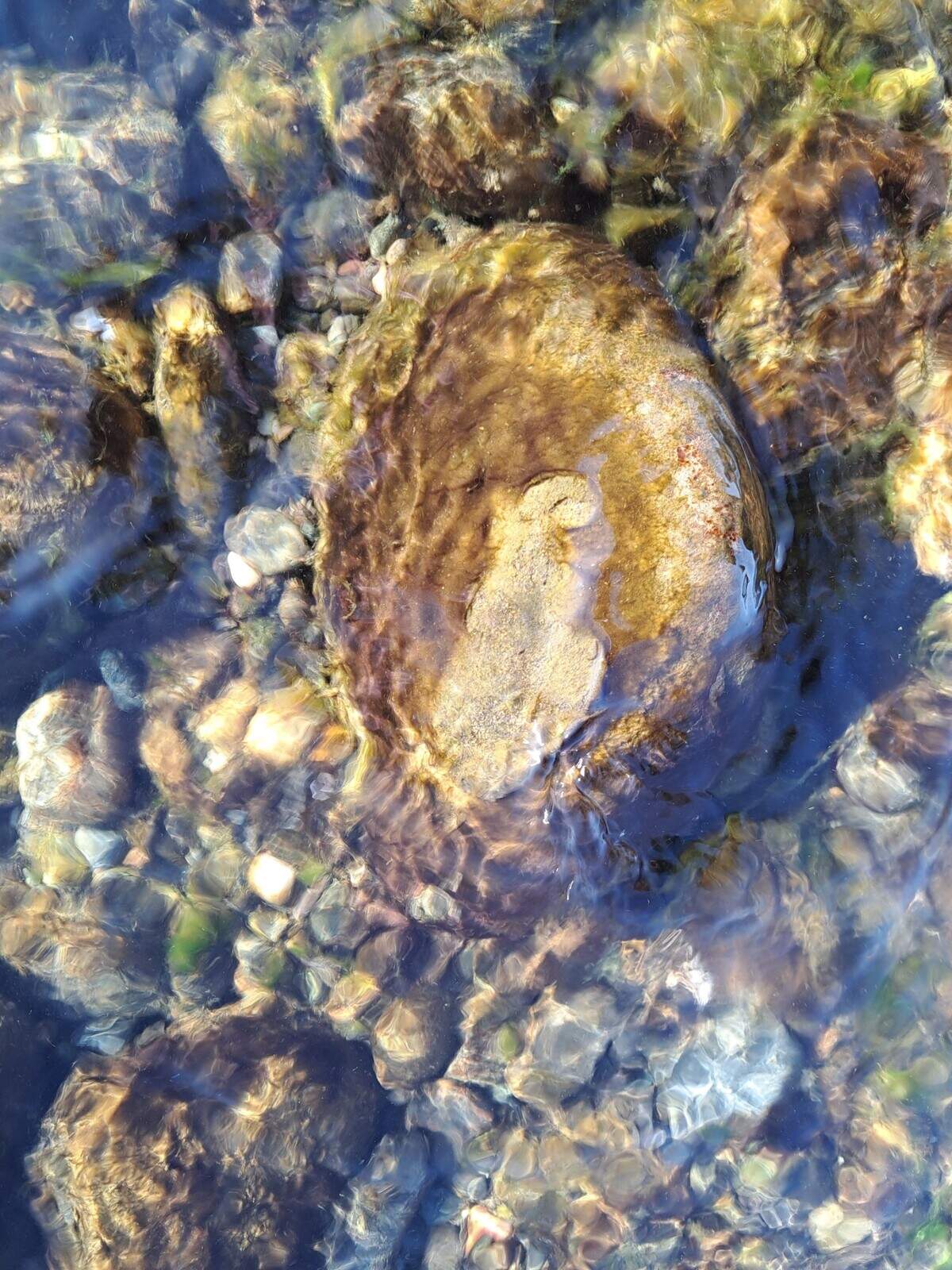
The Washington state Department of Ecology also tests for toxic algae at additional locations and posts results at bit.ly/4f6B3P8. It reports poisons linked to both nerve poisoning, which is most often found in the Columbia River, and also liver poisoning.
Dogs are especially at risk. They often drink river water or chew on algae near the shore, increasing the chances of exposure. If your pet enters the water—even in areas without current advisories—follow these safety tips:
▪ Don’t let pets eat or chew on clumps of algae
▪ Prevent them from licking their fur after swimming
▪ Rinse pets with clean water immediately after exposure
▪ Wash your hands and exposed skin after contact
▪ If your pet becomes sick, contact your veterinarian right away
▪ Report suspected animal poisonings to the health district at 509-460-4205
People and animals exposed to anatoxin-a, one of the most dangerous toxins produced by algae, can show symptoms within 15–20 minutes of ingestion.
In pets, this may include weakness, staggering, difficulty breathing, seizures and potentially death. Several dogs have died in recent years after ingesting contaminated water or algae from the Columbia River in the Tri-Cities area.
In humans, symptoms can include numbness around the mouth, tingling in fingers and toes and dizziness. If symptoms occur, seek medical care immediately.
This story was originally published July 9, 2026 at 12:13 PM.