
Generations of Tri-Cities fans and families connect over love of hydros
AI-generated summary reviewed by our newsroom.
- Spring Testing drew thousands of spectators to the Columbia River for preseason runs.
- Water Follies weekend draws more than 40,000 spectators and generates $2.8 million.
- The Columbia Cup traces its roots to 1965 and spans generations.
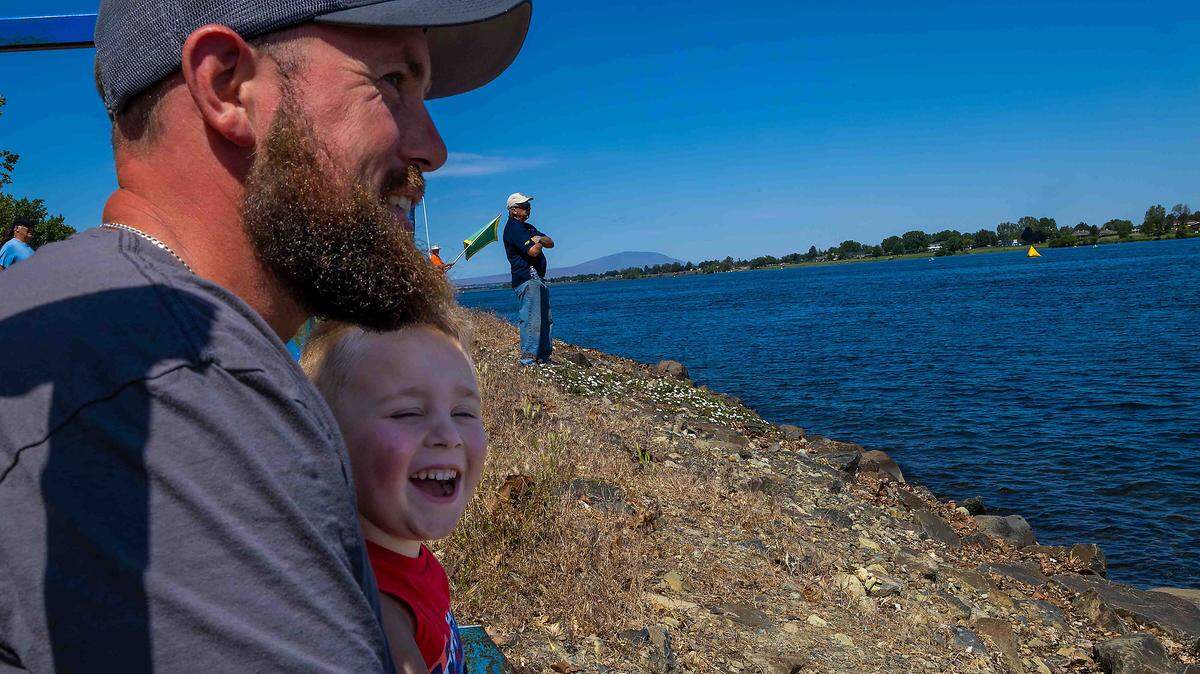
The first thing 4-year-old Josiah Sather noticed was the sound.
Long before he could follow the hydroplanes streaking across the Columbia River, he could hear them.
“They’re super fast and loud,” Josiah said excitedly while pointing toward the water Saturday during H1 Unlimited spring testing at Columbia Park.
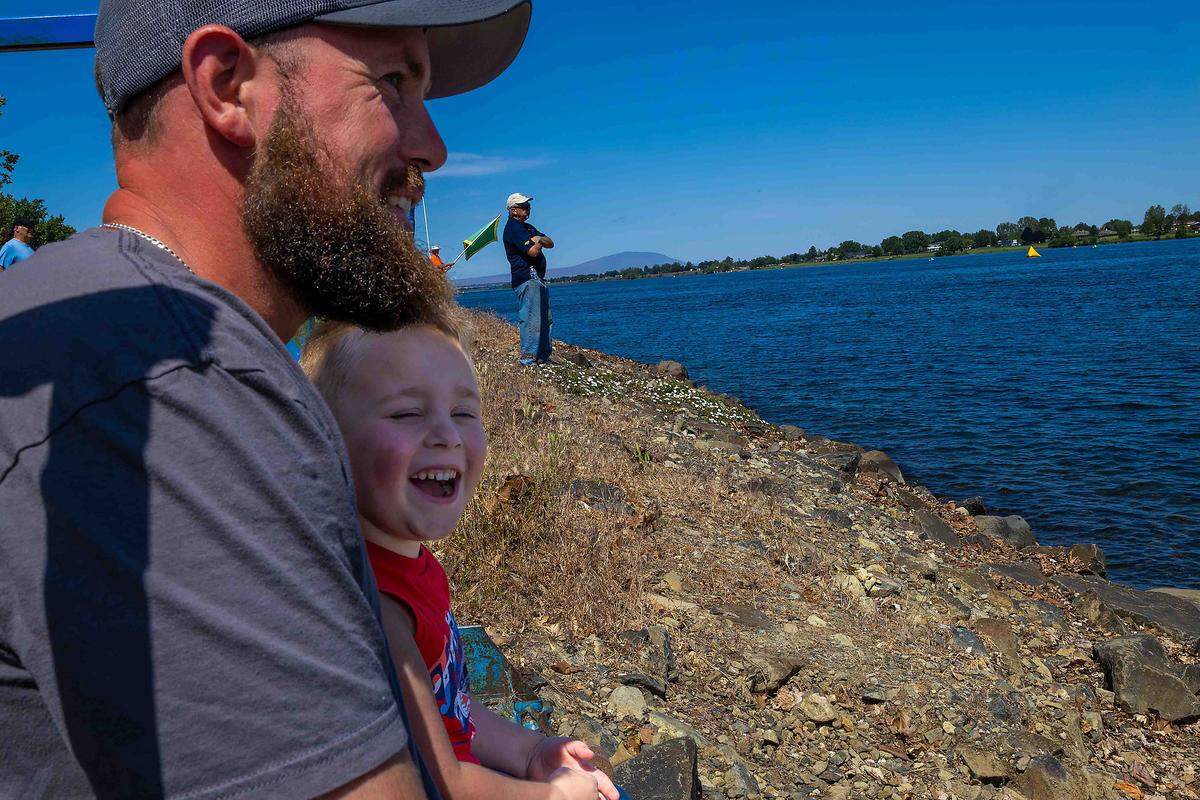
Beside him sat his father, Gary Sather, smiling as he watched his son experience the same excitement that hooked him years ago.
“I started coming when I was a kid and now that he’s about the same age as I was then, it’s a good time to show him what the boats are like,” Sather said. “I’m excited to have him start making those memories now too.”
Thousands of spectators lined the banks of the Columbia River on Saturday as hydroplane teams returned to the Tri-Cities for annual preseason testing ahead of the Apollo Columbia Cup and Water Follies races scheduled for July 24-26.
For many, spring testing serves as the unofficial kickoff to one of the region’s most enduring summer traditions.
“Spring testing creates a great buzz throughout the community and among hydroplane fans as the season gets underway,” said Hector Cruz, vice president of Visit Tri-Cities and a past president of the Tri-City Water Follies Board of Directors. “It gives people an early glimpse of the boats on the water, builds anticipation for race weekend and serves as the unofficial kickoff to Water Follies season in the Tri-Cities.”
More Than A Race
For residents, the Water Follies are often measured in memories.
For the community, they are also measured in impact.
Cruz said Water Follies weekend generates an estimated $2.8 million in visitor spending while attracting more than 40,000 spectators from across the Pacific Northwest and beyond. Hotels fill with race teams and fans. Restaurants see increased traffic. Visitors explore the region’s parks, riverfront and outdoor recreation opportunities.

“The Water Follies weekend is one of the Tri-Cities’ signature events and a significant economic driver for our region,” Cruz said. “Beyond the direct spending, the event showcases the Tri-Cities to thousands of visitors and helps strengthen our reputation as a premier destination for sports, recreation and major events.”
The event has become one of the region’s defining summer traditions because it offers more than racing.
“What makes the Tri-Cities stop unique is the overall experience,” Cruz said. “Spectators can view the races from both sides of the Columbia River, enjoy premium hospitality experiences and take in the STCU Over-the-River Air Show all in the same weekend.”
Six Decades On The River
Few people understand the longevity of that tradition better than Kennewick resident Bob Svangren.
Svangren attended the first hydroplane race held in the Tri-Cities in 1965 when he was 10 years old.
60 years later, he is still coming back.
“I came to my first race here when I was 10 years old, and I’ve been coming back here ever since,” Svangren said.
The Columbia Cup traces its roots to 1965, when the Tri-Cities first hosted unlimited hydroplane racing on the Columbia River. Since then, generations of fans have gathered along the shoreline to watch some of the fastest boats in the world compete on the river’s 2.5-mile course.
For Svangren, the memories begin with the sound.
“What got me hooked was the sound of the early boats,” he said. “Boy, did they roar.”
The technology may have changed, but the excitement has not.
“You can hear them from anywhere in Tri-Cities, and you know right away that it’s race weekend,” Svangren said.
His family still plans summer gatherings around Water Follies weekend.
“It’s a great thing for summer,” he said. “The races here are really family-oriented. Everyone can get together and come down to the river and stake out your spot to watch the boats.”
The Sport Evolves
While the tradition remains familiar, the machines themselves have changed dramatically.
The piston-powered boats that once dominated the sport have largely given way to turbine-powered hydroplanes capable of speeds approaching 200 mph.
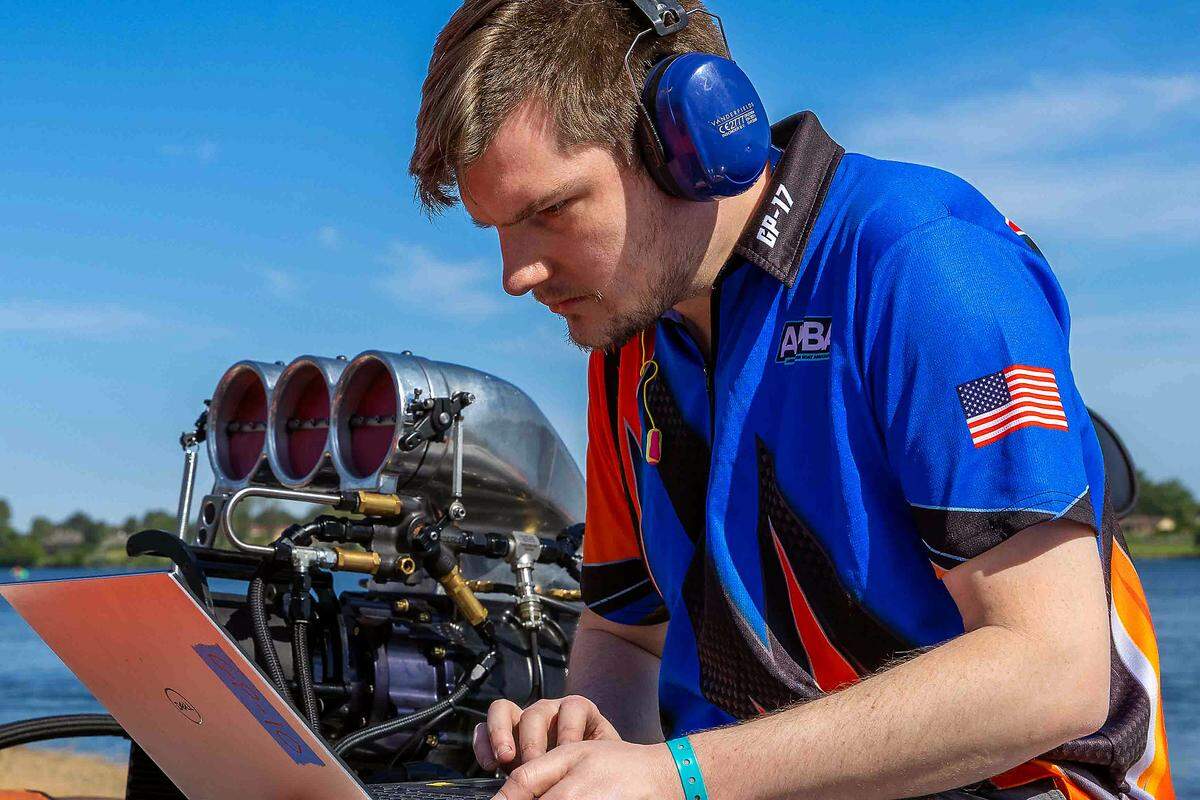
Teams now spend as much time reviewing computer data as they do turning wrenches.
Crew members crowded around laptops in the pits Saturday, studying telemetry, engine performance, and driver feedback collected during test runs.
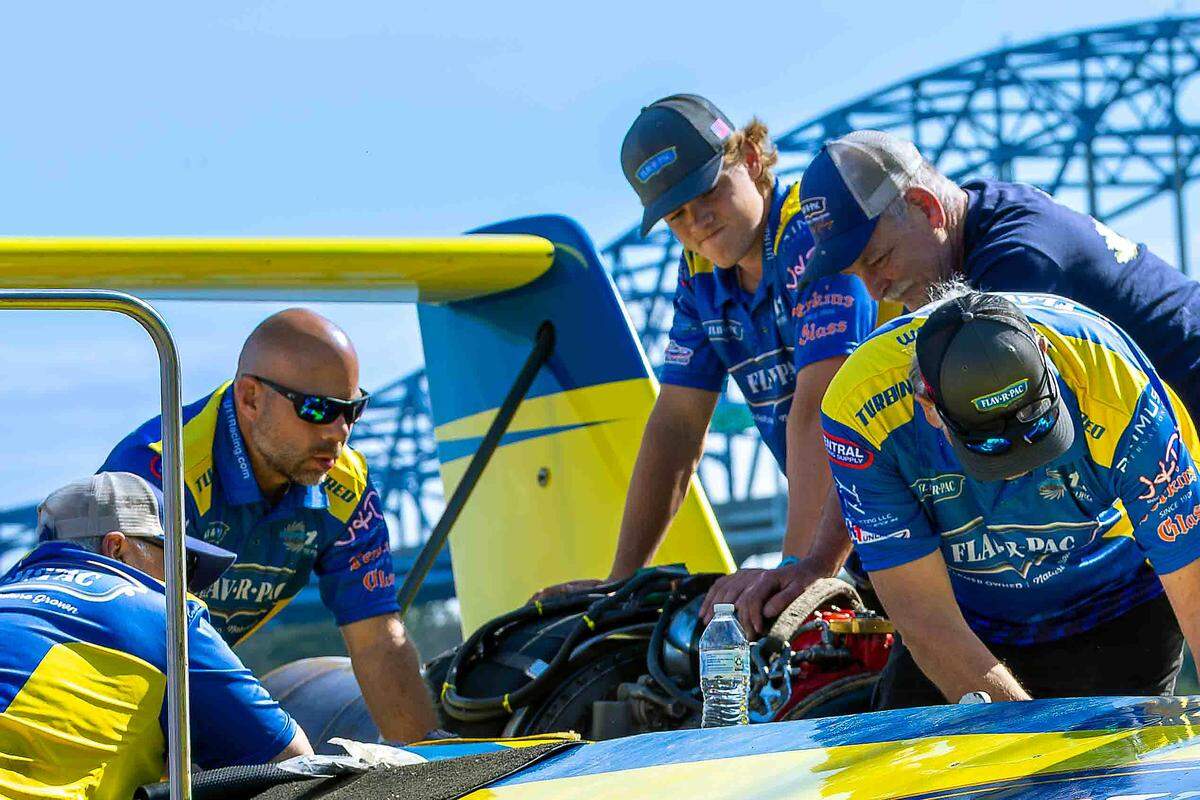
The goal was simple: learn as much as possible before the season’s second stop returns to the Columbia River in July.
“While the boats and technology have evolved over the years, the event has also grown into a broader community celebration,” Cruz said.
A Family Legacy
Among the drivers gathering data Saturday was defending H1 Unlimited national champion Andrew Tate of the U-91 BWR Racing team.
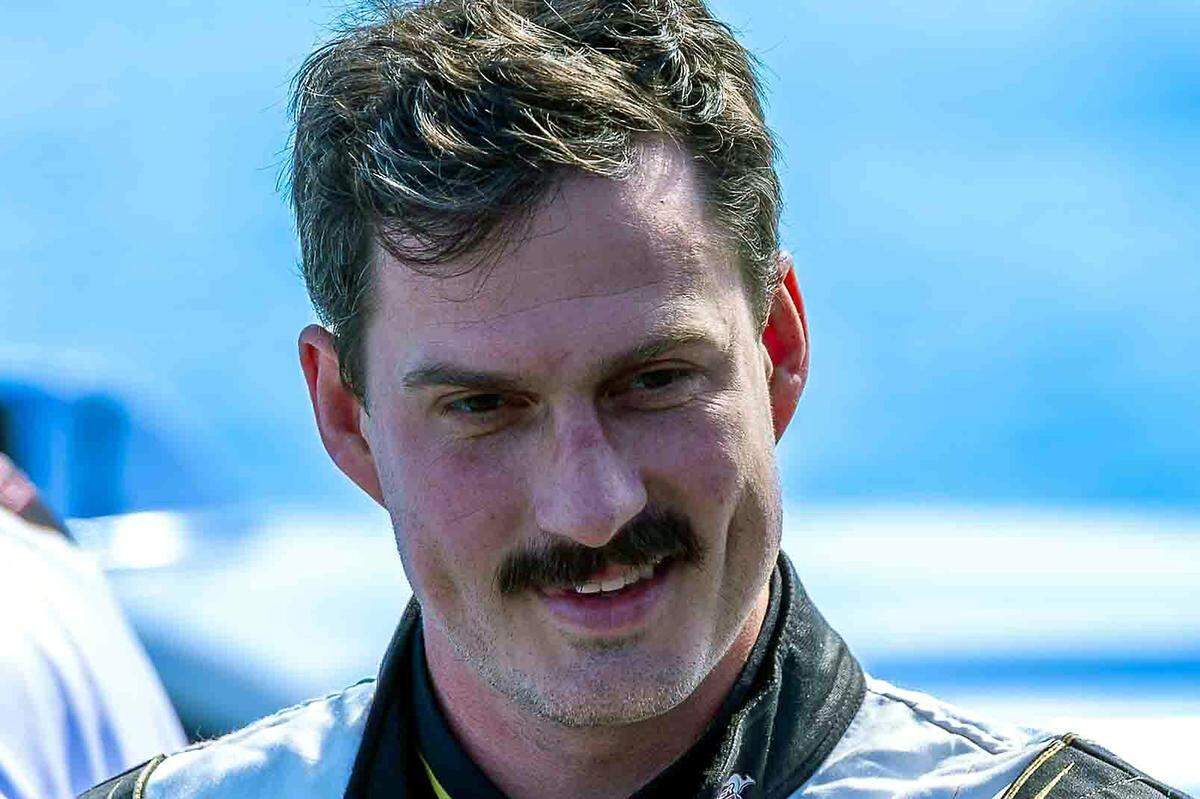
For Tate, the Tri-Cities have long been part of his family’s story.
“I’ve been coming here to the Tri-Cities since I was 2 or 3 years old back when I’d come to the races my dad was racing in,” Tate said.
Today, he returns as one of the sport’s biggest stars.
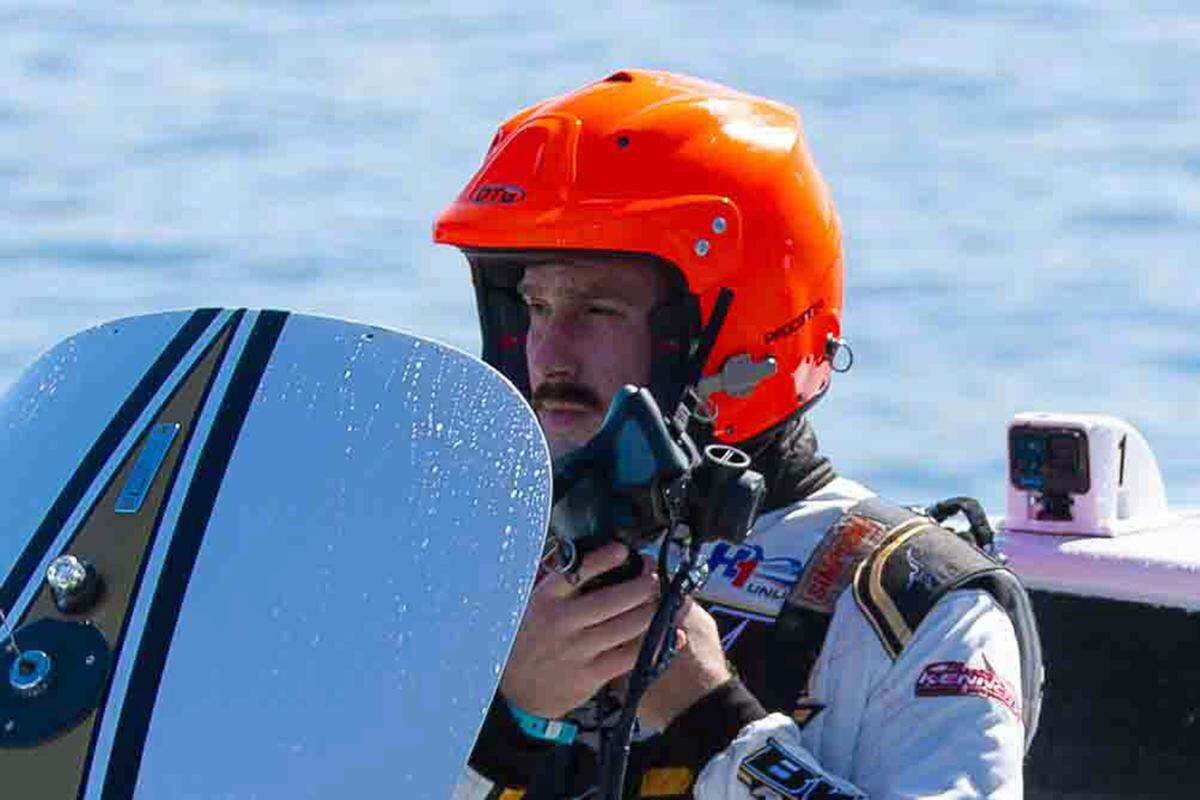
Tate said the Columbia River remains one of the most challenging venues on the circuit.
The current, rough water and long straightaways create a unique combination that demands precision from both drivers and crews.
“This river is always different and always hard,” Tate said. “It will work a driver down if you’re not ready for it.”
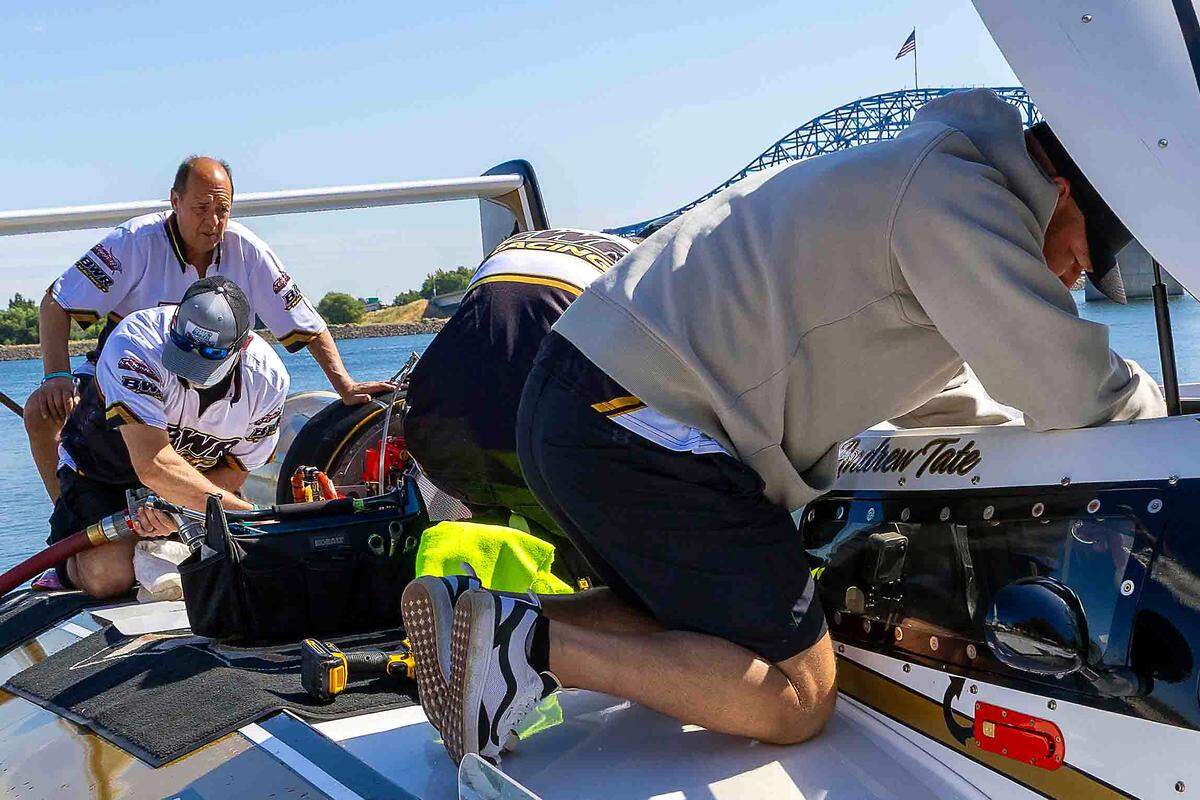
Yet it is the fans that keep bringing him back.
“The passion for the sport is just unmatched,” Tate said. “Look at today. It’s not even the race yet and people are lining down the shores to watch us for test runs. This is why we come back.”
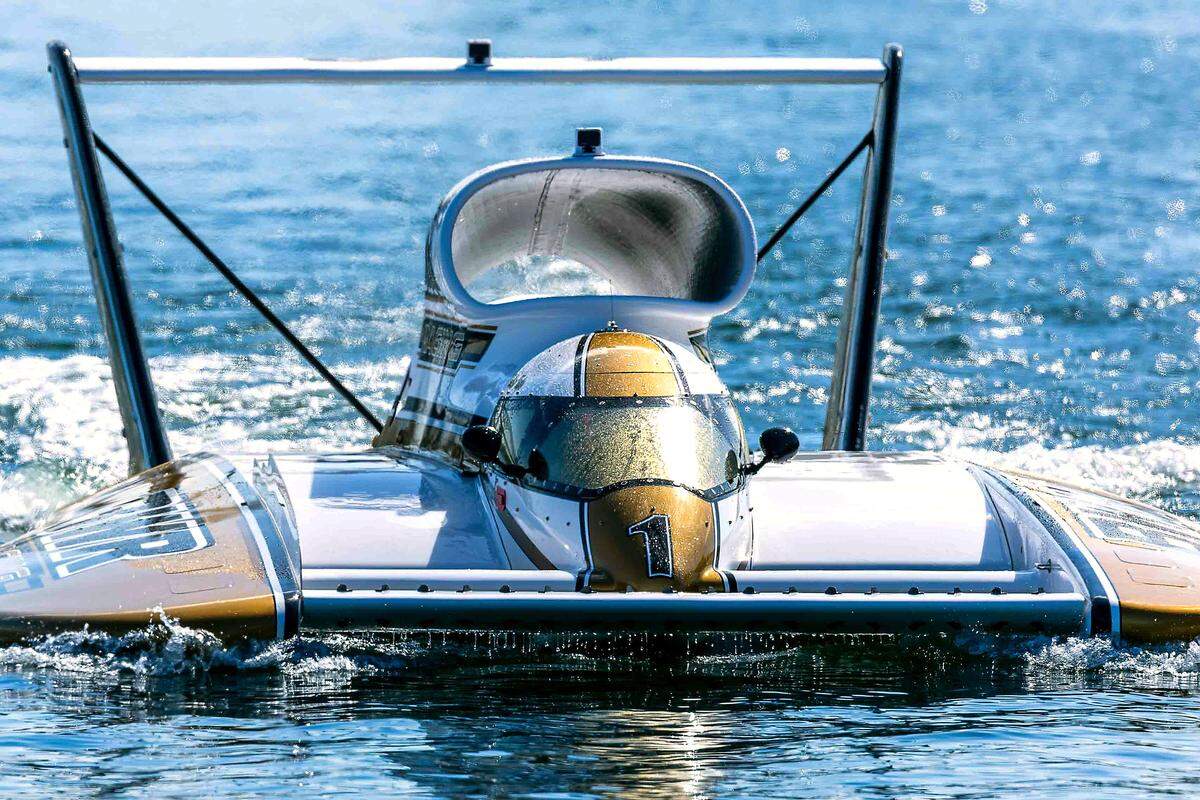
Experience And Youth
The field returning to the Columbia River this summer will feature a blend of veterans and rising stars.
Among them is Dave Villwock, the winningest driver in H1 Unlimited history with 67 career victories, 10 national championships and 11 APBA Gold Cup titles.
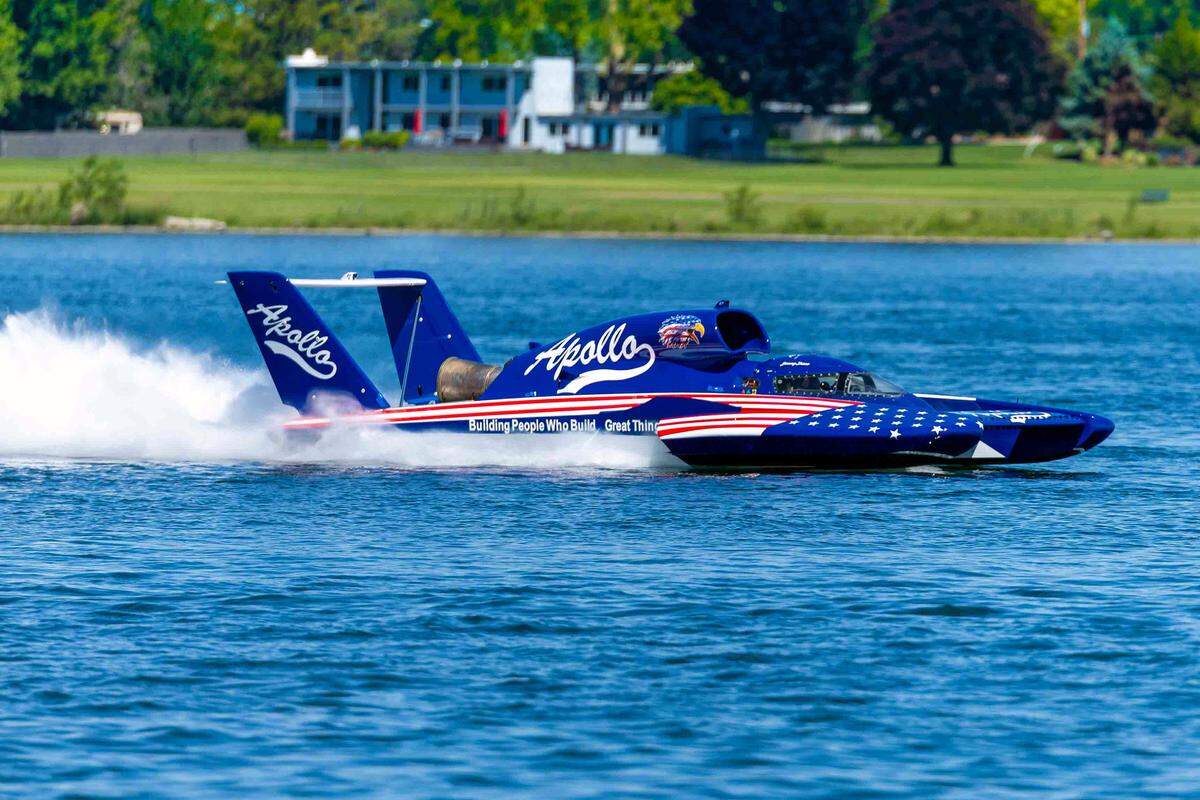
Villwock reminded the younger generation that experience still matters when he captured last year’s Columbia Cup championship.
At the other end of the spectrum is Gunnar O’Farrell, one of the sport’s youngest drivers.
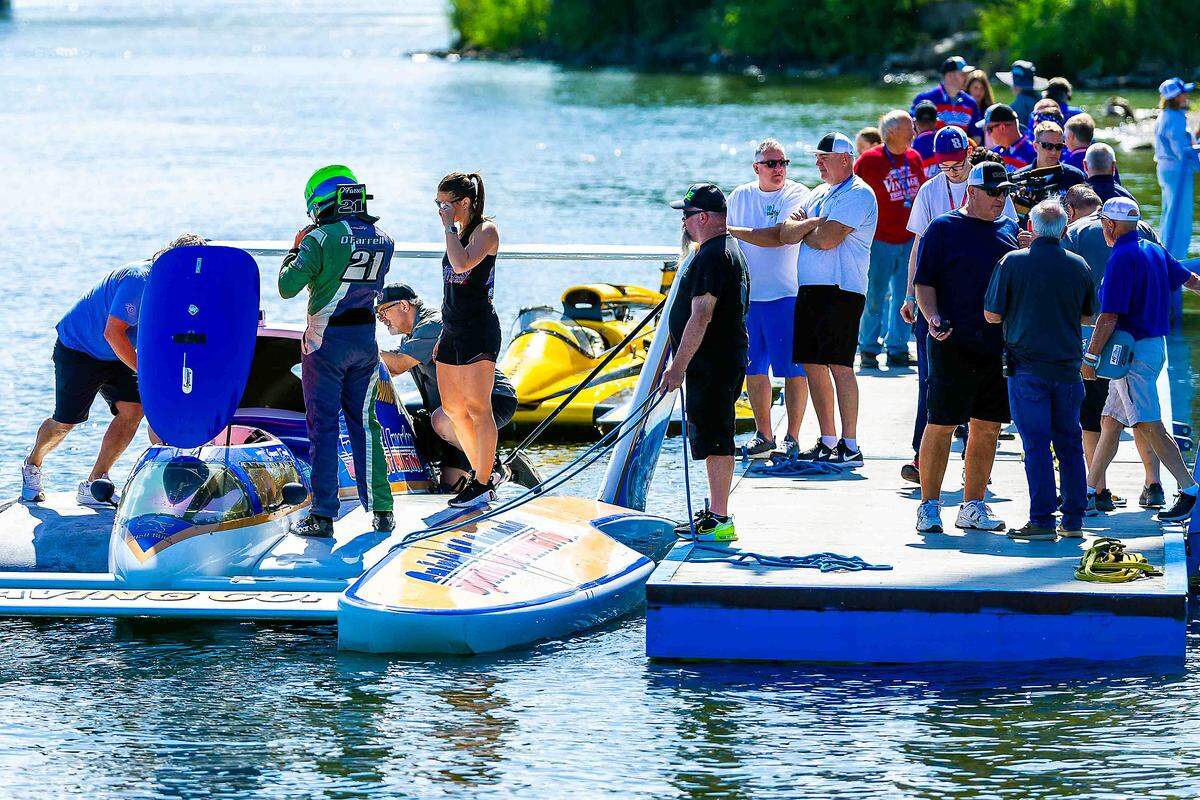
O’Farrell returned to the Columbia River this weekend one year after a dramatic crash during spring testing. Back behind the wheel, he represents the next generation of racers entering the sport.
Together, drivers such as Villwock, Tate and O’Farrell illustrate the same continuity seen among spectators on the shoreline.
One generation hands the sport to the next.
Why It Endures
Cruz believes that is the reason Water Follies continues to thrive after more than six decades.
“The Water Follies Apollo Columbia Cup has remained a Tri-Cities tradition for more than 60 years because it’s more than a race, it’s a community effort,” he said. “Generations of volunteers have helped support the event while contributing to improvements along the riverfront parks and public spaces that residents enjoy year-round.”
For Svangren, that tradition stretches back to childhood.
For Tate, it began by following his father through the pits.
For Gary Sather, it now means introducing his son to the same experience he enjoyed growing up.
As another hydroplane thundered down the Columbia River on Saturday, Josiah watched intently from the shoreline.
The boats were loud.
They were fast.
And judging by the smile on his face, another generation of Water Follies fans may already be hooked.
Scott Hunt is a local freelance photojournalist and writer.
This story was originally published June 1, 2026 at 1:35 PM.