
Troopers are watching your driving on this deadly stretch of Tri-City highway
AI-generated summary reviewed by our newsroom.
- Highway 395 between Kartchner Street and Eltopia West has caused 12 deaths since 2015.
- Washington State Patrol began emphasis patrols in May and June targeting speed.
- New law allows crash prevention zones between Pasco and Mesa with doubled fines.
After outcry over a number of deadly wrecks on Highway 395 near Pasco, troopers will be trying a different kind of enforcement.
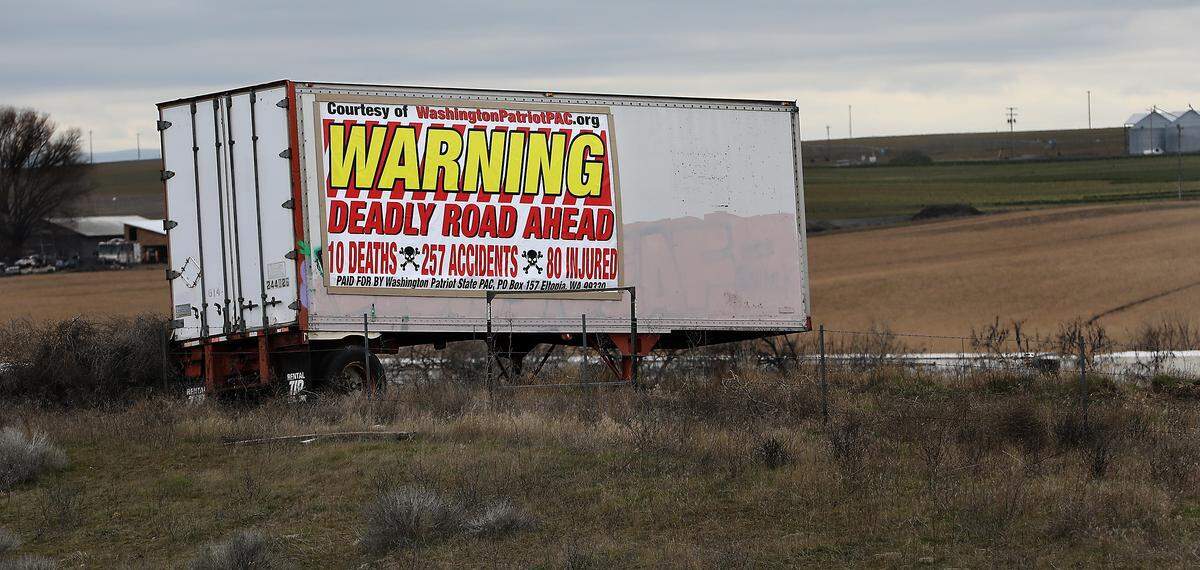
The dangerous stretch of divided highway between Kartchner Street and Eltopia West has claimed the lives of 12 people since 2015 and dozens of others have been hurt.
The death of Perrie N. Robitaille, 77, just days before Thanksgiving fueled outrage over what was being done. The Kahlotus councilman was part of a family with a long history of service to the rural farming community.
Trooper Daniel Mosqueda said the emails and phone calls are being heard, and they plan to take action. Especially as the county starts heading into Memorial Day weekend, starting what is frequently called the 100 deadliest days of summer.
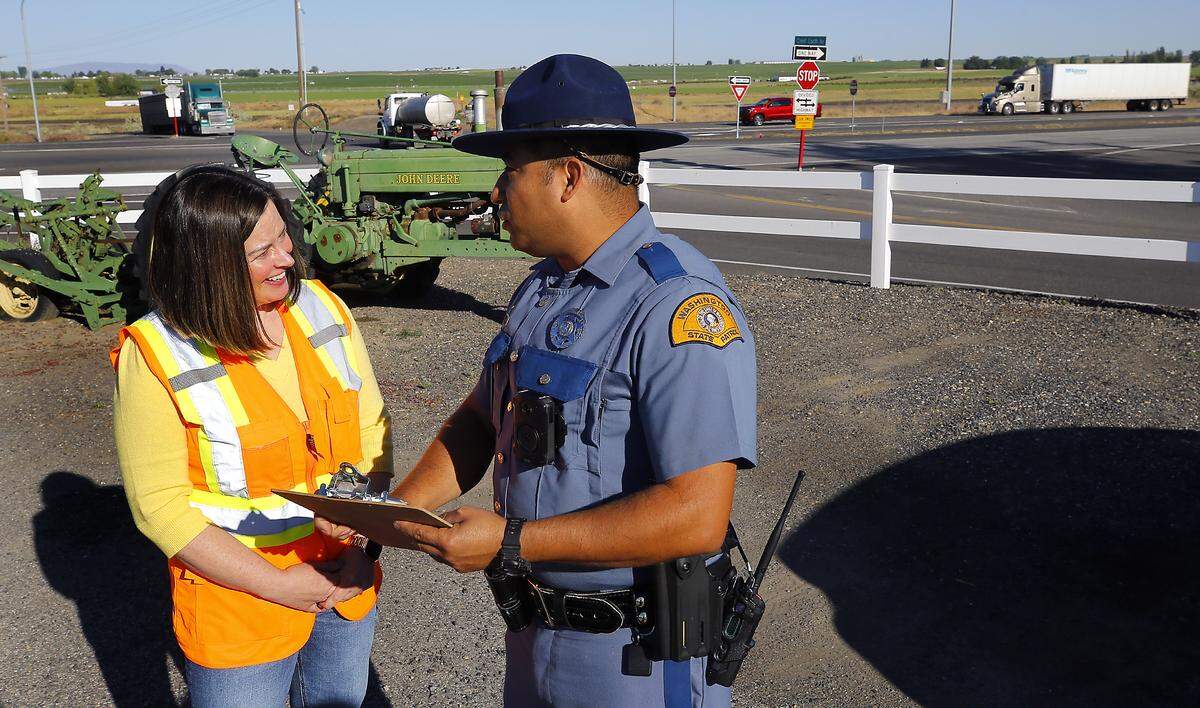
“We’ve also seen an increase in serious injury collisions and fatality collisions on (Highway) 395,” Mosqueda said. “We can’t pinpoint one thing that is causing all the collisions out here. It’s a combination ... driver inattention, speed and not knowing how to properly use the acceleration and deceleration lanes.”
After getting together with executive staff, sergeants and lieutenants, they have started emphasis patrols in May and June. This is in addition to troopers coming out to the stretch of road with the hopes of educating people during traffic stops.
They will be looking for speeders, distracted drivers and people not using the acceleration lanes correctly. So far they have 10 dates picked out.
“We want to make sure that our public understands that we do care about what’s happening here,” Mosqueda said.
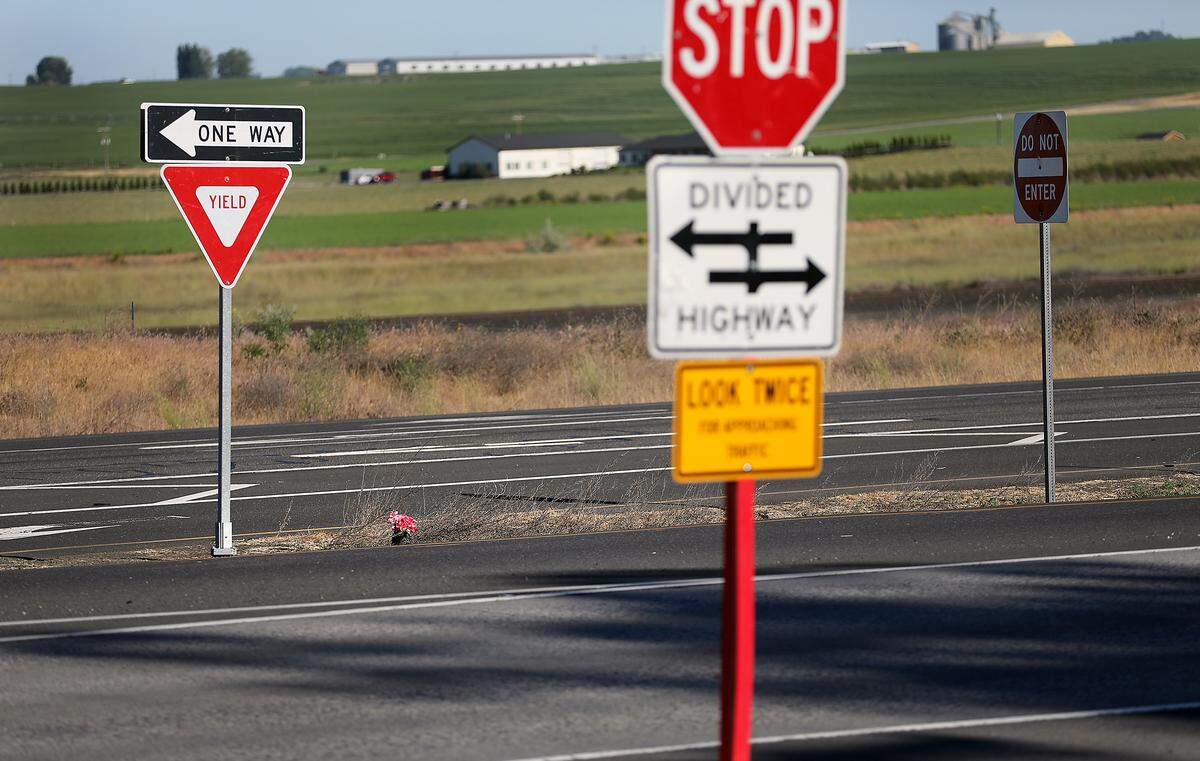
Acceleration lanes
Mosqueda is featured in a new video from the Washington State Department of Transportation talking about how to use the acceleration and deceleration lanes on Highway 395.
The trooper told reporters on Thursday that it is one of the biggest problems that troopers see in this region. He said he’s seen a number of near misses tied to drivers not knowing how to use the lane.
“I can tell you personally, when I was out here not to long ago, I had to stop somebody that completely cut us off in the acceleration lane and upon contacting that driver I explained to him what the purpose of (the lane) was, and he had no idea that lane even existed. I actually took my notepad out and drew him a map to show him.”
The lanes were part of a $15 million series of improvements put in by the state in 2020. They also added more overhead lighting and updated signs to make it easier for drivers to navigate the intersections.
The lanes allow drivers to match the speed of the traffic before merging onto the highway or leaving it.
While some community members have looked to overpasses as solutions for dangerous intersections, such as Crestloch Road, it would need funding from the Legislature.
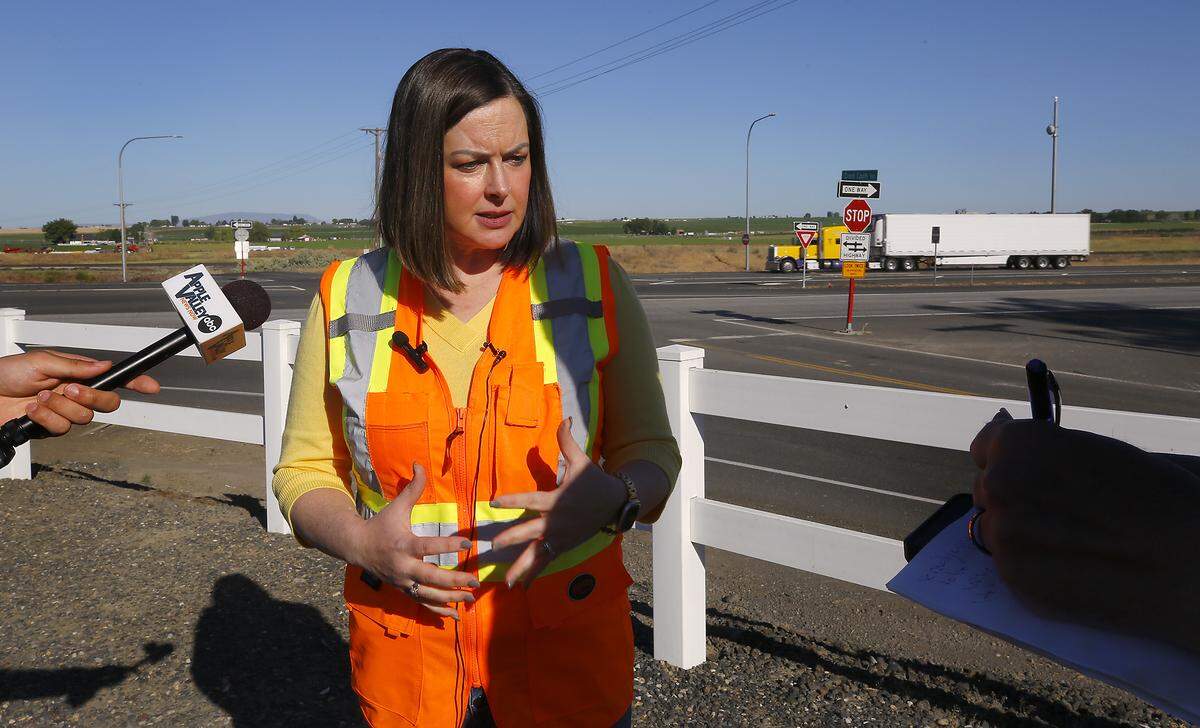
“We design roads, but can’t design a roadway (to eliminate) accidents, that also takes the part of drivers,” said Meagan Lott, a Washington State Department of Transportation communications manager. “Drivers have the responsibility once they get behind that wheel that they need to be educated on the rules of the road.”
Crash Prevention Zone
The state did hand local governments a new tool to help manage the dangerous stretch of road.
The law initially gives the city, county, or Washington state Department of Transportation the ability to create a “crash prevention zone” covering the area of Highway 395 between Pasco and Mesa, as well as two sections of Highway 12.
Prior to creating the zone, there would need to be a public hearing allowing community members to see and comment on a map that shows the area included in the zone.
Once it’s put in place, the group requesting the zone, would need to conduct a traffic and engineering study to determine ways to make it safer.
It also calls on the Washington State Patrol and local police to coordinate increasing enforcement in those zones.
Once created, anyone caught using an electronic device while driving in the zone would pay doubled fines. That would be marked on road signs.
The additional money would be set aside to pay for engineering, traffic investigations, installing road signs, safety improvements or law enforcement patrols.
While the law is in place, getting the zone created is likely to take another year, Lott said.
“We’re still going to be working the details out as far as the Department of Transportation goes,” she said. “I think we have about a year before we actually can start implementing it, so that’s going to give us some time to kind of dissect the language of the legislation, as well as working with our partner agencies.”
This story was originally published May 21, 2026 at 3:36 PM.