
‘Not your local mom and pop operations.’ More unlicensed food sellers in Tri-Cities
AI-generated summary reviewed by our newsroom.
- Complaints of unlicensed food stands and carts in Tri-Cities increases
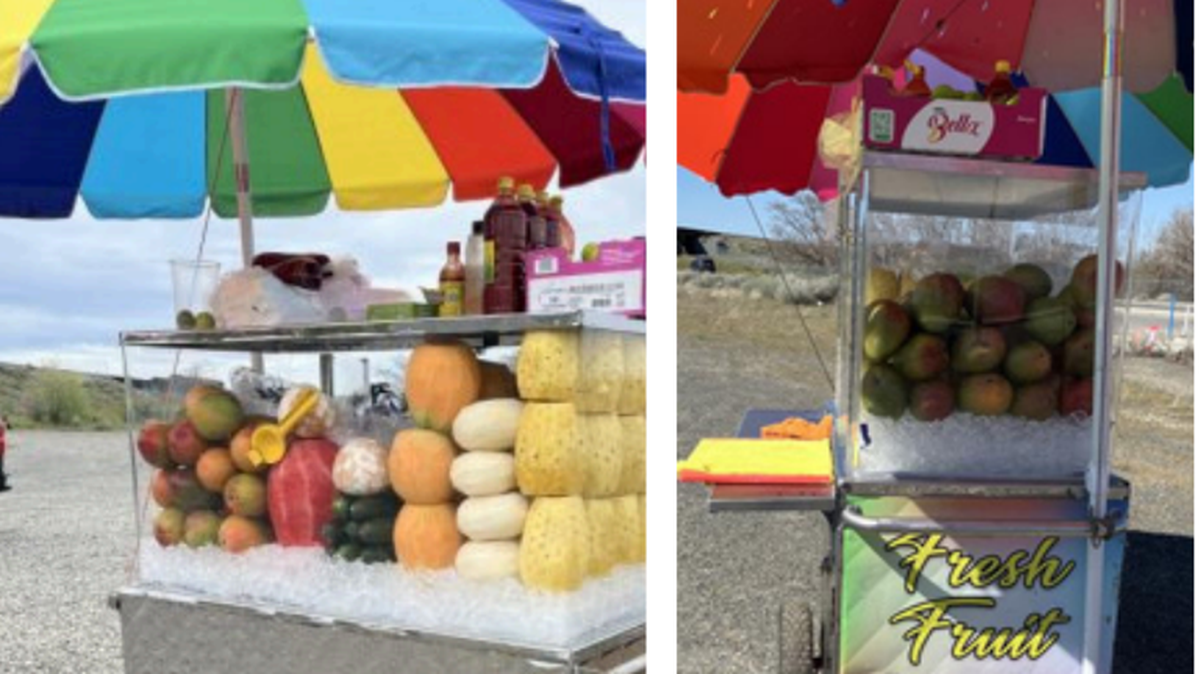
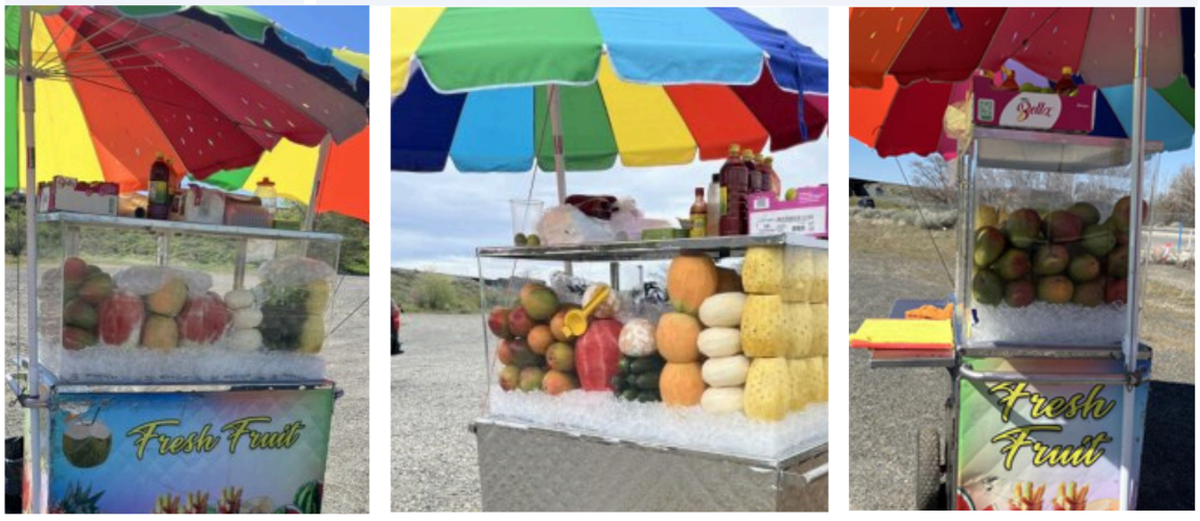
- In addition to taco stands, carts selling cutup fruit are being reported
- Health district says there is no handwashing, produce washing or temperature control.
Public health officials are seeing an increase in a new kind of unlicensed food vendor this year — fruit carts — after a rise in unlicensed taco pop-up vendors last year.
The Benton Franklin Health District has received 11 complaints about fruit cart vendors so far this year with summer not yet started. That’s compared to two complaints for the taco pop-ups that usually feature al pastor, a traditional Mexican pork dish that is often roasted on a vertical rod then sliced and served on tortillas.
While selling food like cut-up melons, mangos and cucumbers may not seem particularly dangerous, one of the deadliest outbreaks of foodborne illnesses in the United States was linked to produce, Erin Hockaday, the surveillance and investigation director for the health district, told the district’s board last week.
Melons contaminated with the bacteria listeria caused 147 illnesses and killed 33 people in 2011 in the United States. Once melons are sliced, bacteria can multiply if the fruit is not refrigerated.
The unlicensed fruit carts also have some disturbing similarities to the unlicensed taco pop-up vendors.
There are suspicions that the taco pop-ups that usually operate starting in the evening may use workers who are trafficked from out of the country, according to the health district.
When local health district inspectors question workers at the unlicensed fruit carts that sell cut-up fruit, the answers are similar to those at the unlicensed taco pop-ups.
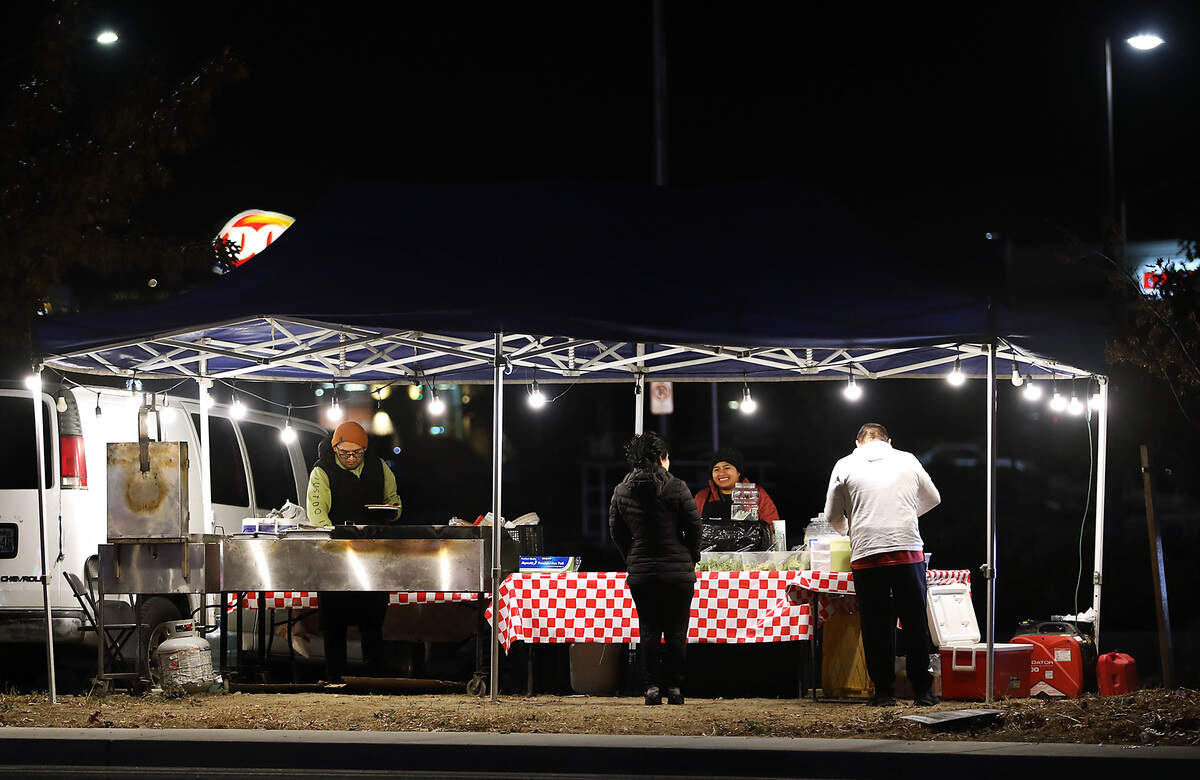
They hear “I just got here to the country,” “I’m just dropped off here” or “I’m just told to cut the fruit,” Hockaday said.
Those workers carry the legal and financial risks of the operation, while ownership and profits remain with individuals who are difficult to identify or hold accountable, according to the Benton Franklin Health District.
No handwashing, temperature control
Health district inspectors and law enforcement officers, who often accompany them when they confront workers at unlicensed stands, suspect that pop-up vendors selling al pastor may be part of a California-based syndicate that has begun operating stands across the state of Washington.
The cut-fruit stands may be connected to the same California syndicate or a similar one, Hockaday said.
Workers at the unlicensed fruit stands have no way to wash their hands, wash the produce or to control the temperature of cut produce to help prevent the growth of illness-causing bacteria, according to the health district.
The unlicensed pop-up taco stands are similar across the state of Washington, and similar stands have been reported in California, Nevada, Oregon, Colorado and Idaho, Hockaday told the Richland City Council at its most recent meeting.
The Washington Governor’s Office has estimated that there are about 65 of the unlicensed al pastor taco stands statewide, most linked to the suspected California syndicate.
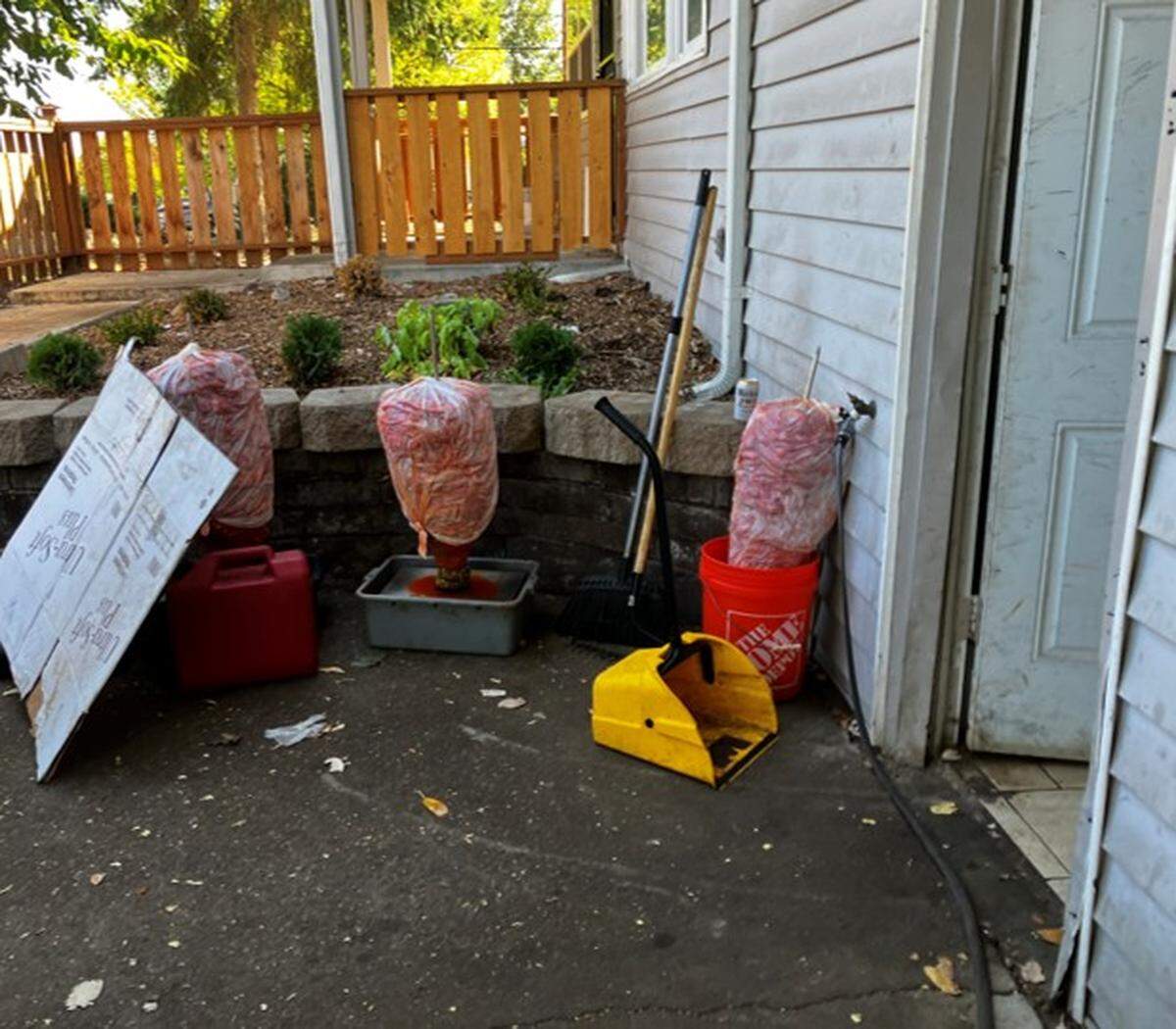
Food is often prepared in homes, vehicles or even vacant lots, frequently using propane, according to the health district. There may be no method to keep hot food hot and cold food cold to help prevent bacteria growth.
In 2025 the Tacoma-Pierce County Health Department posted pictures on Facebook of a kitchen used by unpermitted roadside vendors. They show what appears to be al pastor meat stored outside with flies and no refrigeration, raw meat and vegetables stored on the ground and raw meat stored next to trash.
“Kids, families and public health are being put at risk,” according to the Benton Franklin Health District.
Pop-ups avoid taxes, fees
The health district has had pushback on its attempts to close down unlicensed taco stands, with people saying they want to support families trying to make a living.
“These are not your local mom and pop operations,” Hockaday said. “And in fact, we’ve heard a pretty strong outpouring from our local business community that they are frustrated because these vendors are undercutting them and taking from their local businesses, setting up in front of a local Mexican restaurant and selling the plate for half the price.”
They can do that because they’re not paying sales and business taxes, permit fees or other costs of legitimate businesses, according to the Benton Franklin Health District.
They can earn $2,000 to $3,000 per day, with higher profits in larger metro areas, it said.
The unlicensed stands are not food trucks, but usually set up a pop-up tent or awning in a parking lot, with the same names used and switched among them. Sometimes they advertise on social media.
The pop-ups accept only cash and someone drives around among the pop-ups and collects it, Hockaday said at the May meeting of the Benton Franklin Health District Board.
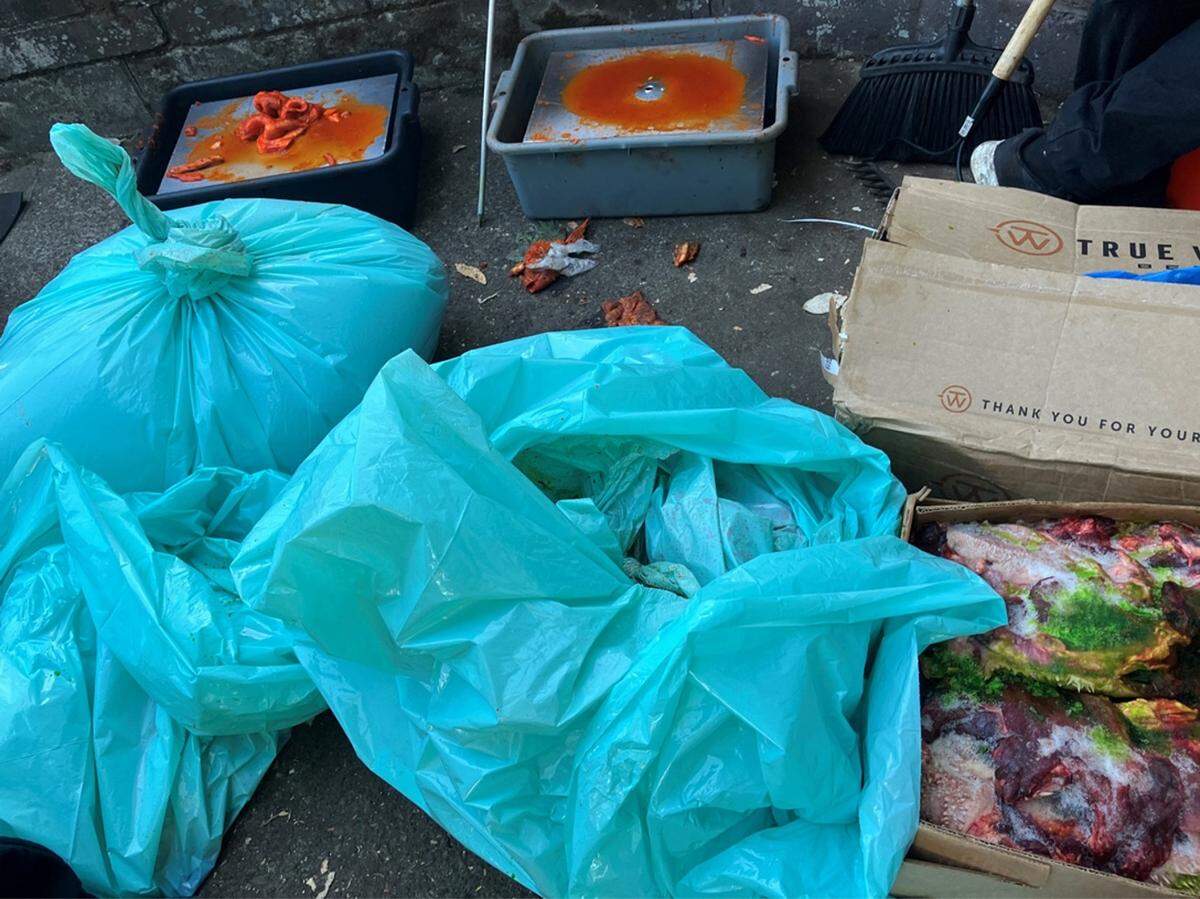
Workers and the food typically arrive in vans, without temperature control of the food, such as ice in the chests holding meat.
If a business is cash only and has not posted a food permit, a customer should ask why, health district officials said.
It is preparing to start a “Look Before You Bite” campaign, with window clings and stickers that food businesses can display. They feature a QR code that customers can scan to verify an establishment is permitted and check its inspection reports.
The campaign is intended to empower residents of Benton and Franklin County and help them protect themselves and their families, said Amanda Moe, public affairs director for the health district.
WA state officials
The health district has seen a 120% increase in complaints related to unlicensed vendors over the past 18 months, requiring significant staff time and resources.
Pasco plans to hire two temporary code enforcement officers for six months to address a backlog of code enforcement cases, and they will be available to help health district inspections of unlicensed vendors, Hockaday said.
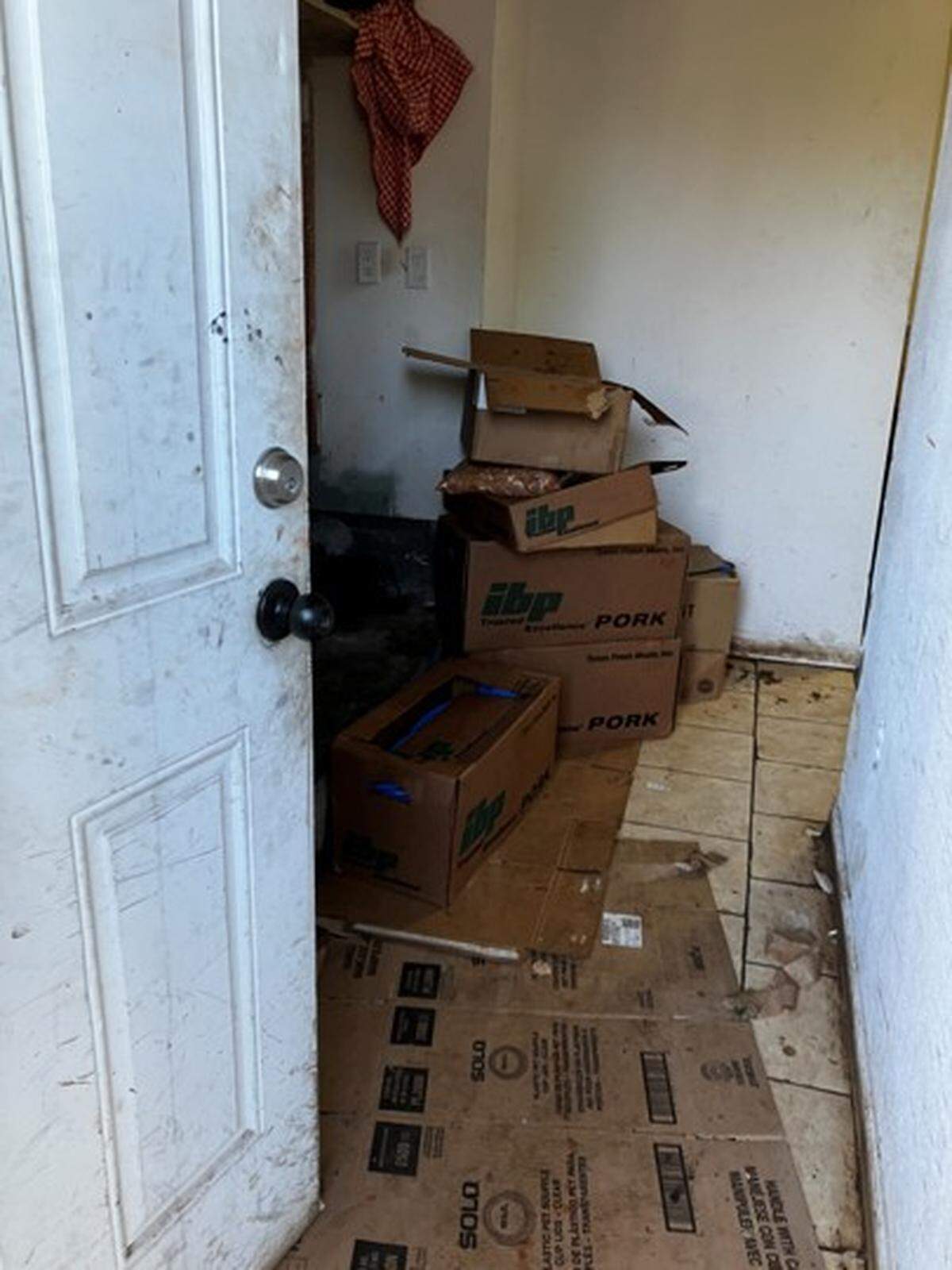
A Tri-Cities task force has formed that includes law enforcement and prosecutors to collaborate on enforcement and consider city ordinances. The Tri-Cities-based health district also is working with health districts across the state
In June the task force will meet with representatives from the Washington state Governor’s Office and the Washington State Patrol, with the possibility of expanding the investigation into who is running unlicensed food operations and possible criminal activity.