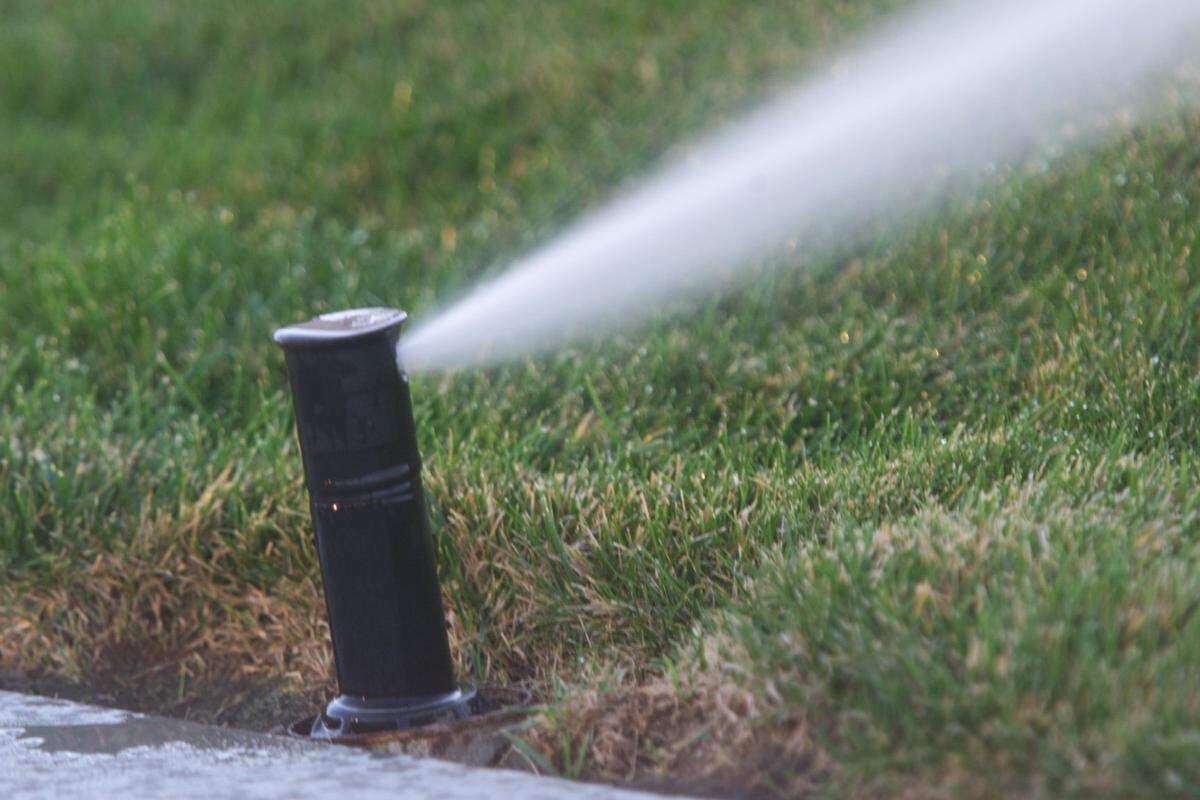
Water flowing again in KID canals. When can you start irrigating?
AI-generated summary reviewed by our newsroom.
- Some water flowing in main KID canal again after May 8 shutoff.
- One pump which KID did not own needed repair.
- KID assessments cover system costs like pumps and power and aren't tied to water use.
Water is again flowing down the main canal of the Kennewick Irrigation District, after all water was shut off last Friday for a major repair.
KID officials are urging customers to stay patient, though, as some areas of the KID system will take several days to regain water service as the system refills and is stabilized. But some areas could have water available as soon as this weekend.
KID customers can check the district’s water map at bit.ly/3QWbtUl for the current status for their neighborhood or address.
Only one of the two pumps at the Chandler Power and Pumping plant owned by the U.S. Bureau of Reclamation is operating so far and repairs are continuing on the other, KID said Thursday afternoon.
KID started its 2026 irrigation season with just one of the two pumps at the Bureau of Reclamation plant operating to pump water up to the KID main canal. Problems with the other pump were discovered during maintenance work.
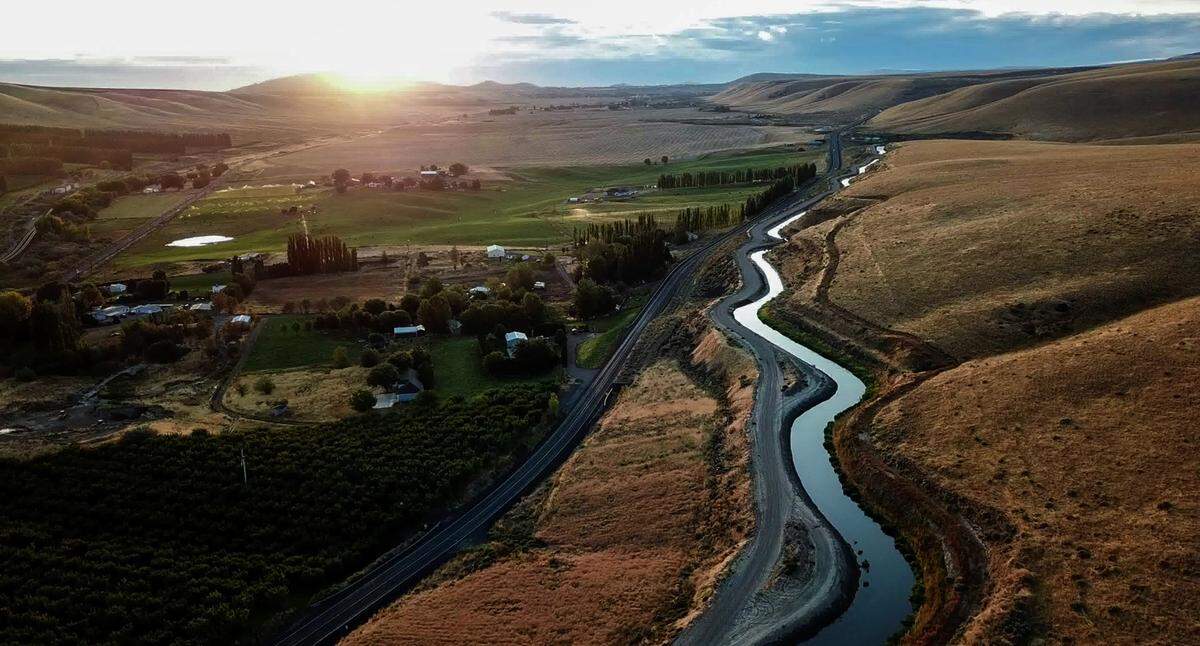
Operating with one pump was adequate to supply KID water users during cooler days at the start of the irrigation season. But KID officials knew just one pump could not keep up with demand for water during the summer.
Both pumps needed to be taken offline to fix the pump with a problem, but now repairs have progressed to the point that one of the two pumps could be restarted.
The second pump is still being reassembled and is anticipated to be online by Tuesday, May 19, the U.S. Bureau of Reclamation told KID. Since KID does not own the pumps, it has little say over their maintenance and repair.
“Customers should be aware that warmer temperatures may increase demand before the second pump is online,” KID said in an announcement Thursday that restoration of water service had begun.
The high in the Tri-Cities reached 90 on Tuesday, May 12, but highs are expected in the 60s from Friday through Sunday, according to the National Weather Service. Then temperatures are expected to warm to the low 80s for several days.
Once customers have water again, they are reminded to follow KID’s voluntary watering schedule to help manage demand as the system returns to normal operations.
Not only urban property, such as lawns, golf courses and parks, use KID water for irrigation, but agricultural companies also rely on KID water for crops.
KID has been asked repeatedly about why customers have to pay when no water is delivered, why the work was not done in the winter and why the district doesn’t take water from the Columbia River:
Shouldn’t customers’ bills reflect no water?
The answer is no, says KID.
The KID assessment pays for the pumps, canals, pipes, power, fuel and manpower required to deliver water from the canal to customers’ properties. All property owners share in those costs and others, such as maintenance.
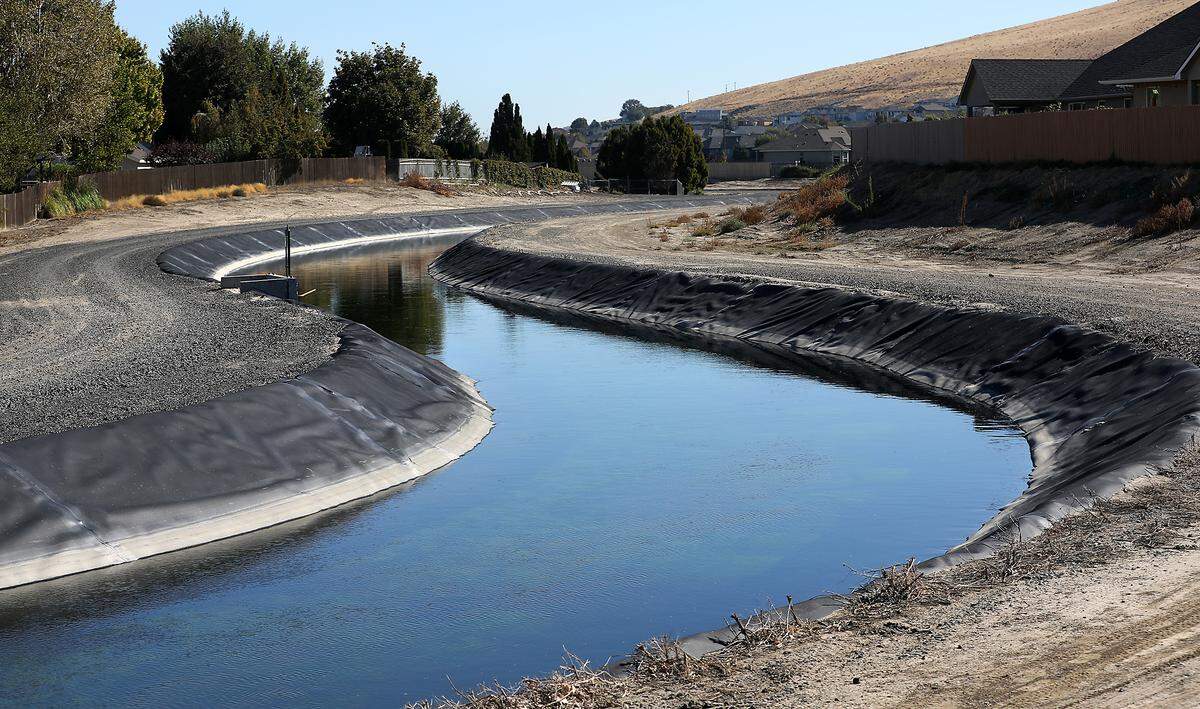
Unlike typical utility bills, the cost is not tied to water used, according to the district.
Many of the costs of operating the system remain the same whether there is ample water or not, it said.
Why wasn’t the pump repaired in the winter?
The Bureau of Reclamation does maintenance work on the Chandler plant through the off-season.
But as equipment was being put back together for the start of the irrigation season, an issue was discovered with one of the pumps, according to KID.
The pumps are the size of a garage and take custom-built parts, according to KID.
KID and the Bureau of Reclamation discussed the issue and concluded that the repair could not wait until next winter with just one pump operating in the meantime during the season’s peak demand.
Why not use Columbia River water?
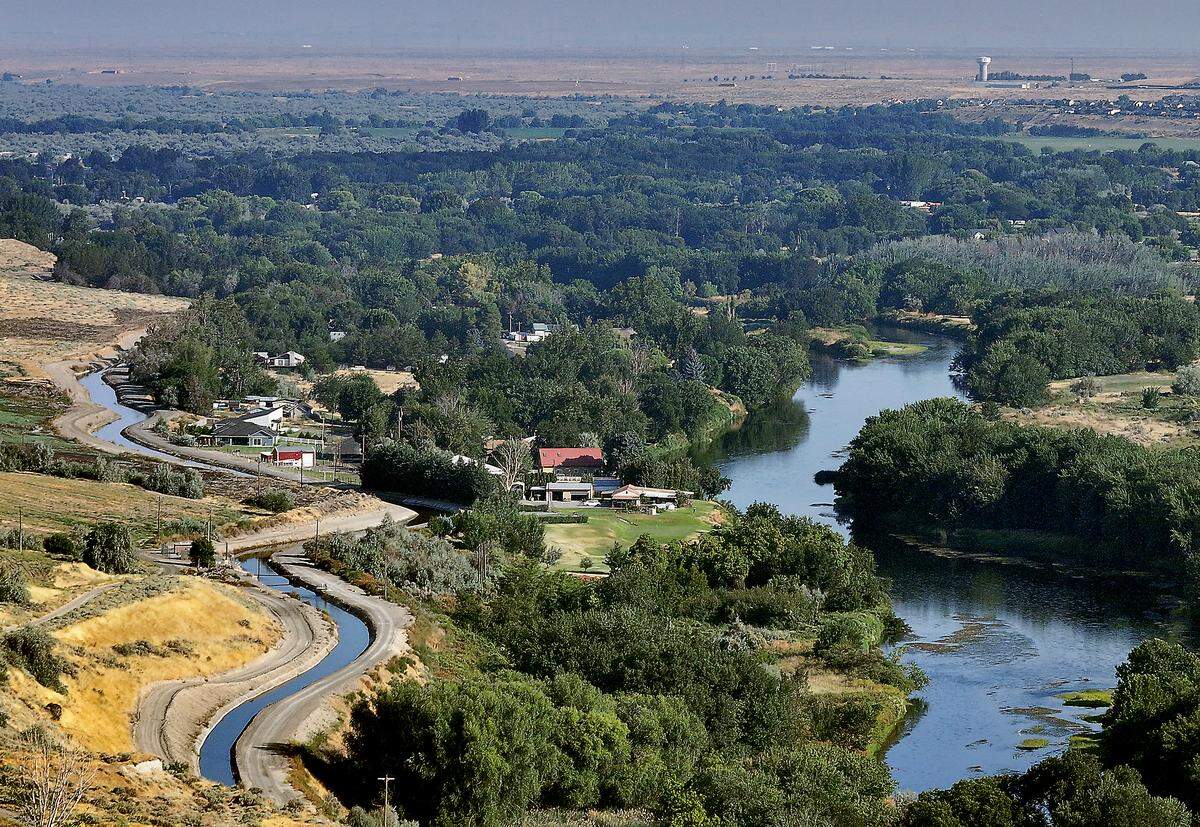
Water use in Washington state is governed by water rights and KID does not have water rights for the Columbia River.
Obtaining a new water right would be a lengthy, complex and uncertain process.
KID would still need to build the infrastructure to supply the water, including diversion works, pumps, pipelines or canals, storage and delivery systems. The cost would be very high, according to KID.