
Measles spreading undetected in WA? Health officials are worried
AI-generated summary reviewed by our newsroom.
- Officials find no source of measles exposure in 3 Eastern WA cases
- They fear a spread of undetected cases
- Washington has had 40 confirmed measles cases fo far this year across eight counties
Just because measles has not been reported in most Washington counties, including Benton, Franklin and Yakima counties, does not mean it is not there.
The Washington state Department of Health officials have investigated three cases east of the Cascade Mountains without being able to determine how those individuals were exposed.
That may mean measles is spreading undetected in Washington communities, according to the Department of Health.
“We are entering a new, more dangerous stage of measles spread in Washington, and the only way to protect our communities is for Washingtonians to work together,” said Dr. Tao Sheng Kwan-Gett, the state health officer.
“All adults and children should get up to date on the MMR vaccine immediately, and everyone — vaccinated and unvaccinated — needs to stay home at the first signs if infection, even before any rash has started,” he said.
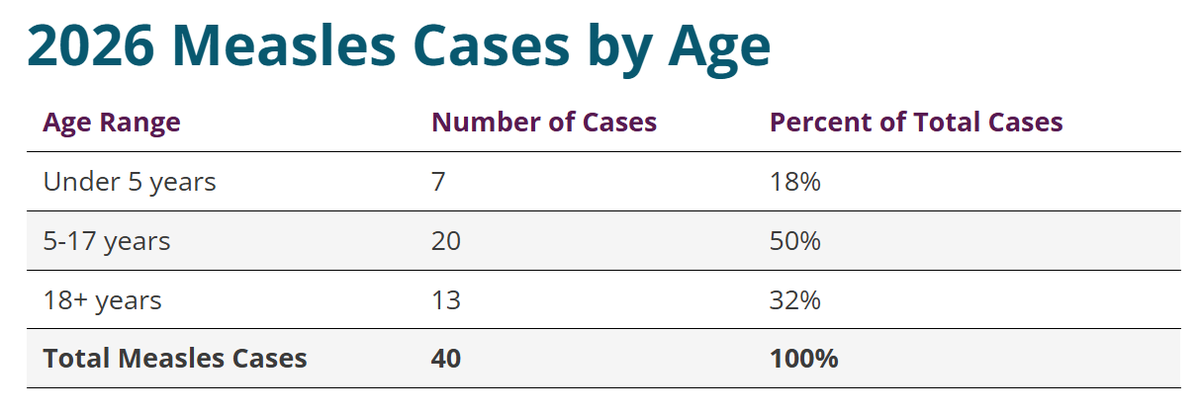
Washington state has had 40 confirmed measles cases this year in eight counties, with three people hospitalized due to the illness. Only 12 cases were reported in the state last year.
Earlier this week, Walla Walla County officials confirmed a second case of measles this year.
Counties that have had cases this year in Western Washington include Snohomish, Clark and King, with a total of 25.
Other cases are in Kittitas County, where there have been seven, plus three or fewer cases in each of Stevens, Grant, Walla Walla and Spokane counties.
More than half the cases are in people younger than 18, including seven cases in children younger than 5 or babies.
Only one of the ill patients was vaccinated against measles. The status of five could not be determined, and 34 were unvaccinated.
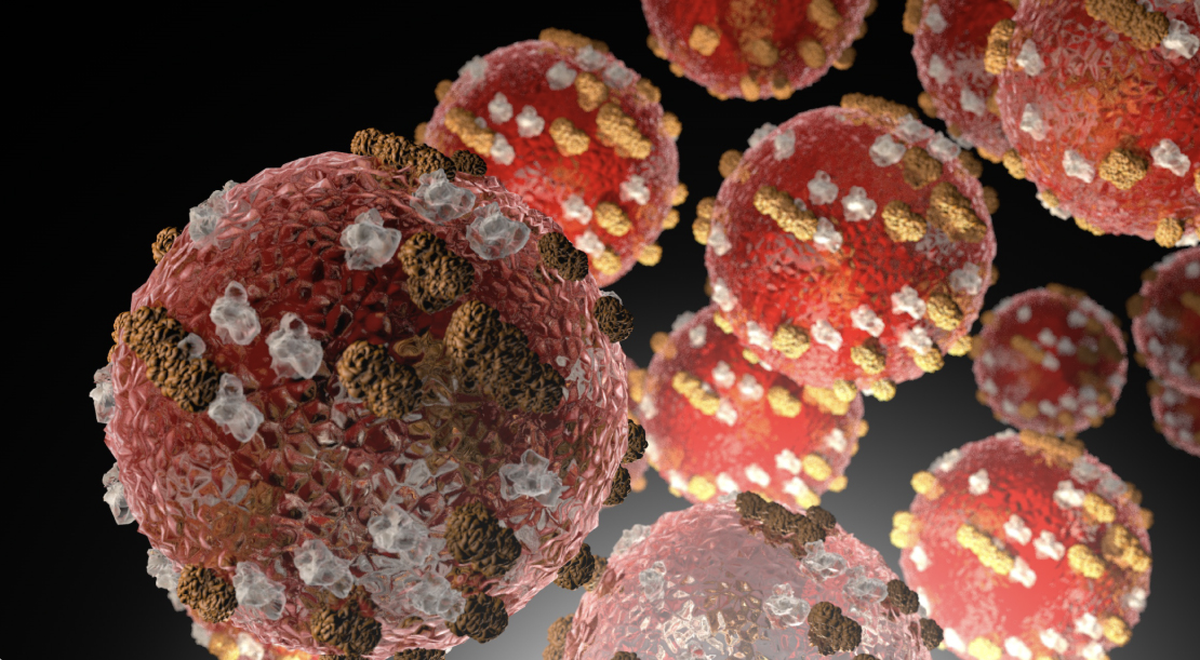
Possible complications of measles
Complications of measles that can require hospitalization include brain swelling or pneumonia, with babies, young children and people with weak immune systems at the highest risk.
It can also lead to a rare complication called sclerosing panencephalitis, a progressive neuroinflammatory disease that can occur decades after infection and is usually fatal, according to the Washington Department of Health’s epiTrends April bulletin.
Measles also can cause “immune amnesia,” a process in which the virus weakens the immune system by erasing previously acquired immune memory, leaving individuals more vulnerable to other infections, even after they recover, according to the Department of Health.
Initial symptoms of measles include high fever along with a cough, runny noise or red eyes and sometimes sensitivity to light. A rash follows those symptoms, but people can be contagious before the rash appears.
Measles spreads through the air when a sick person coughs, sneezes, breathes or talks and can linger in the air for up to two hours, potentially infecting people after the sick person has left the room.
“Measles spreads easily, and people can pass it on before they realize they’re sick,” said Michele Roberts, a Department of Health assistant secretary. “We all have busy lives, but if you have symptoms ... stay home and contact your health care provider.”
To check your or your child’s vaccination status for the measles, mumps and rubella, or MMR, vaccine if received in Washington, go to myirmobile.com or check with your health care provider or pharmacy for vaccination records.