
See ice age mammoth bones being unearthed. Tri-Cities tours open
AI-generated summary reviewed by our newsroom.
- Mammoth dig tour registration opens; $10 tickets often sell out quickly.
- Columbian mammoth lived during the ice age.
- Site is an outdoor classroom; volunteers and school programs can sign up.
Tickets have gone on sale for spring and early summer tours of the McBones Coyote Canyon Mammoth Site, where the bones of an ice age mammoth are being painstakingly unearthed within a couple of miles of the Tri-Cities.
Tours are scheduled so far on eight Fridays, Saturdays or Sundays from mid-April to late June. The tickets, which cost $10 per child or adult, often sell out quickly.
Participants will spend time at the dig site and visit the McBones Research Center, or “dig house,” for a presentation about the history, discovery and findings at the site; a guided tour of the laboratory activities and displays of key bones and specimens.
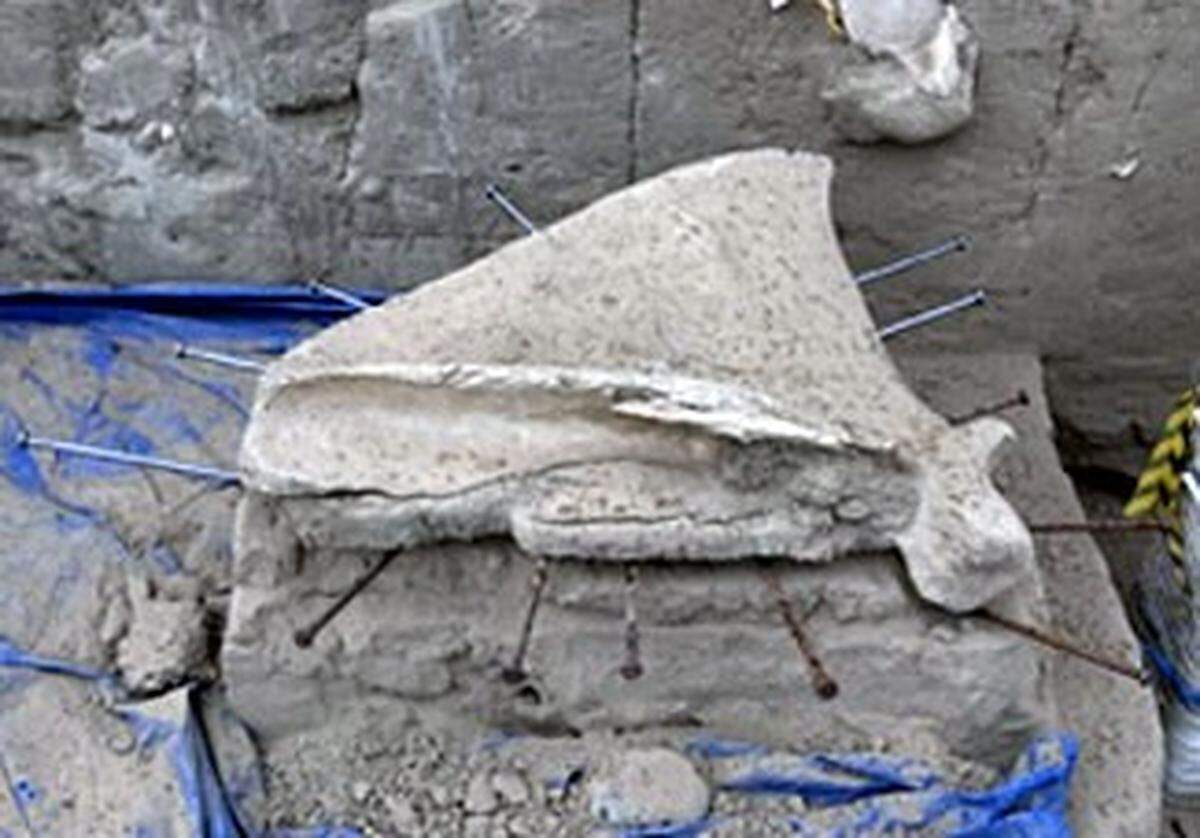
The Coyote Canyon Mammoth research dig site contains the remains of a Columbian mammoth likely killed in an Ice Age flood 17,000 years ago.
The mammoth being unearthed appears to be a male, because bone growth plates take longer to fuse in males. He likely was about 40 years old when it died with a front leg growth plate still unfused.
The animal was large, likely standing 10 to 13 feet tall at the shoulder, making it bigger than modern day elephants. During the ice age flood, water backed up as it hit the narrow Wallula Gap to cover what is now the Tri-Cities. The dig site is at an elevation of about 1,060 feet, and flood water may have been deep enough to reach the area about seven times.
The mammoth could have been drowned in the flood, and then the carcass was deposited on the hillside as waters receded.
The bones have been found relatively intact — the ribs somewhat jumbled, for example, but not scattered over a wide area.
Not only are the bones of an ice age mammoth being unearthed, but small objects, such as beetle wings, squirrel teeth, mice bones and mollusk shells, found in the soil are being collected.
Changes in objects at different levels of the dig provide information about the changing environment of the Tri-Cities area over thousands of years, including learning more about the environment at the time the mammoth lived.
Last year volunteer diggers at the project turned up a clump of very old rocks not typical in the Columbia Basin.
The rocks, which may have been from a river bed, could have ended up on a hillside by Kennewick after floating south on a glacier during the ice age floods.
This year, digging will initially focus on removing the rocks with careful documentation, before more mammoth bones beyond them are unearthed, said Gary Kleinknecht, education director for the site.
The site is used as a regional outdoor classroom and laboratory for K-12 teachers, students and community volunteers.
McBones provide the opportunity to learn by participating in field and laboratory-based research relevant to paleontology, geology, paleoecology, forensic science and other natural sciences.
Mammoth dig tours
Tours, which last about two hours, are scheduled for 9 and 11 a.m. April 17, 18 and 25; May 16 and 23; and June 20, 26 and 28.
Registration for additional tours from July through October 2026 will open June 1.
Register for the first set of tours this year at mcbones.org. Proceeds from ticket sales are used to further research and cover other cost at the nonprofit site.
The tour site, which is not publicized to avoid vandalism, will be available after you register.
Public and group tours also can be scheduled at mcbones.org. Click on the “menu” button to find options.
McBones is seeking adult volunteers. High school students may volunteer but must be accompanied by an adult.
More information is posted at mcbones.org/volunteers-needed.html or call Kleinknecht at 509-438-9417 for more information and to sign up.