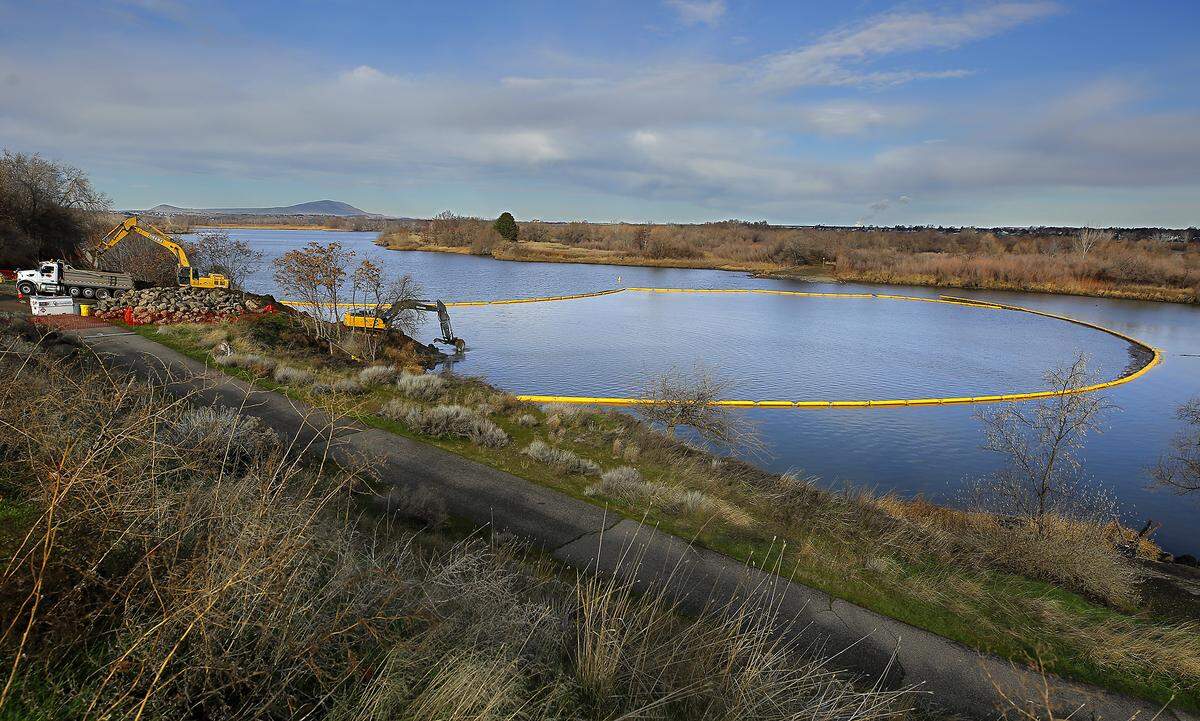
85-year-old Bateman causeway is history. How the river looks now
AI-generated summary reviewed by our newsroom.
- Work finished to remove causeway access to Richland’s Bateman Island.
- Boats are now allowed to use the Yakima River Delta channel at the Columbia River.
- Removal aims to restore delta habitat and help salmon, steelhead and lamprey.
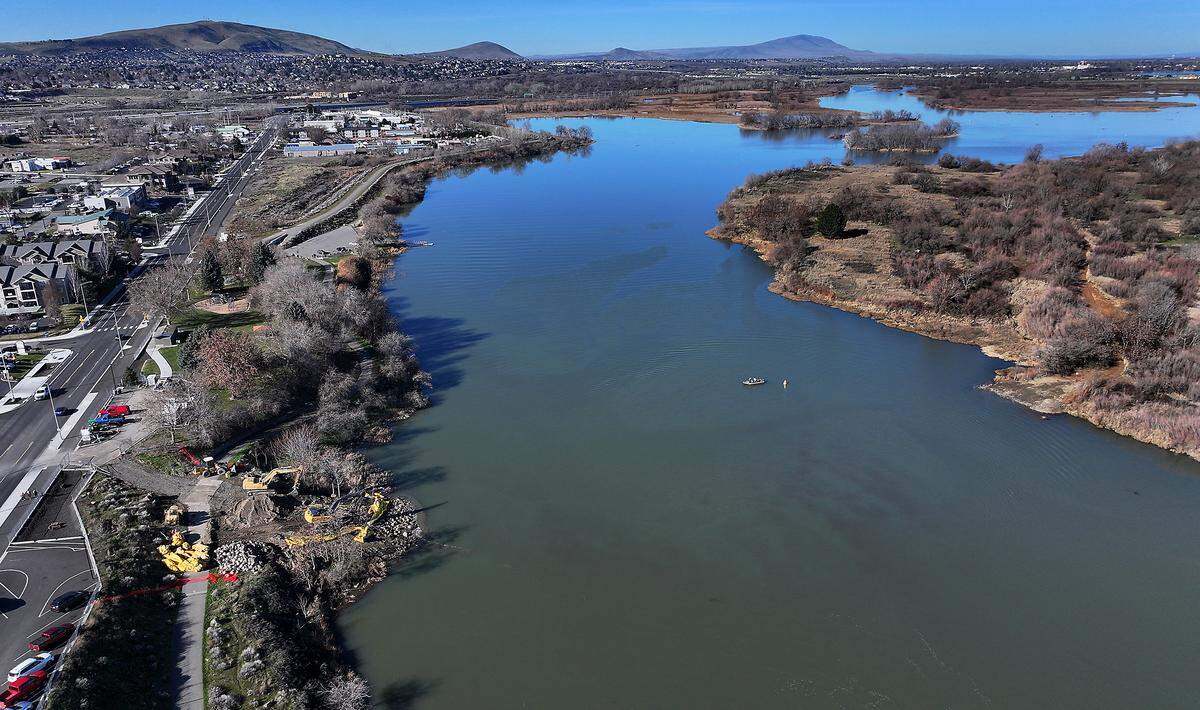
The causeway with a walking path onto Bateman Island at the confluence of the Yakima and Columbia rivers is history.
Work is finished on tearing out the 500-foot-long causeway built about 85 years ago when at least one farmer used the island.
More recently the 500-foot-long causeway was how Tri-Cities area residents accessed the island without a boat, a vigorous swim or other way to cross the channel of water. Its nearly 3-mile trail became popular for walking, mountain biking, bird watching and reaching fishing spots.
Boats can now go through the channel on the south side of the island without being blocked, the Army Corps of Engineers confirmed.
The water in the new channel around the south side of the island is as much as 13 feet deep, but the navigation depth will vary based on river conditions.
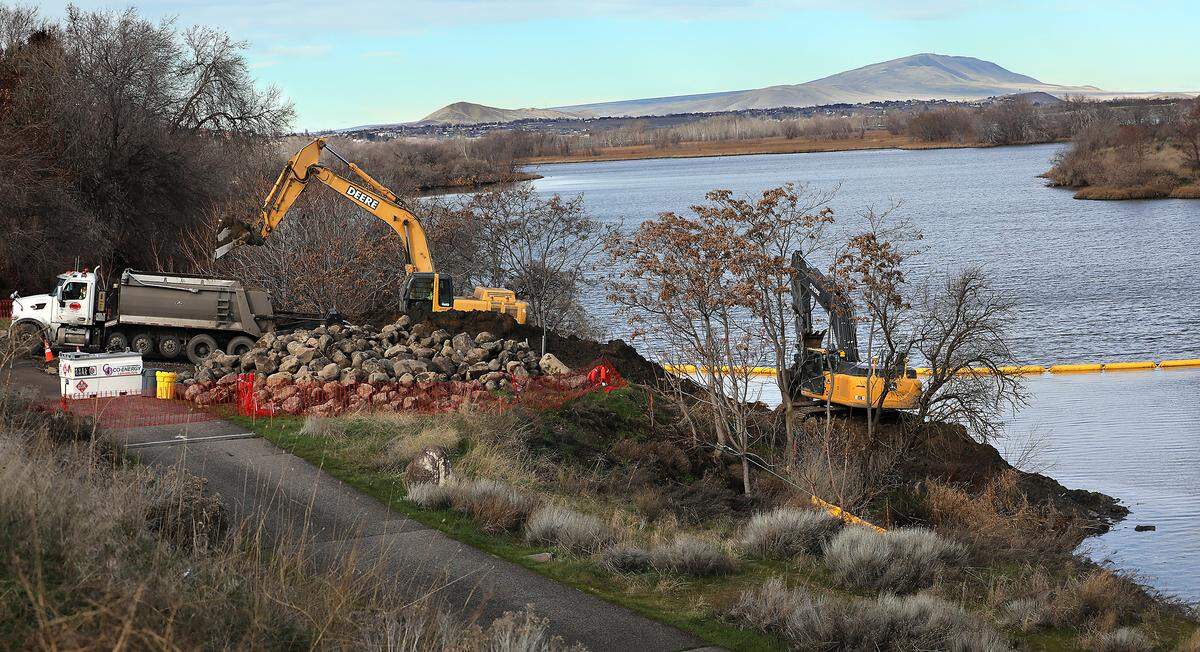
About 18,000 cubic yards of soil, rock and clay were excavated and hauled way by contractor Pipkin Inc.
All that remains to be done in the $1.2 million project is to complete work to stabilize the shoreline. That includes adding rocks, or riprap, and native planting that will protect the restored shoreline from erosion and support a healthy ecology.
That work is expected to be completed by Feb. 26.
Already the yellow booms floating in the water have been removed, along with related buoys used to monitor turbidity during construction.
During construction a floating barrier, called a silt curtain, that extended below the water surface from the booms was used to limit the spread of sediment.
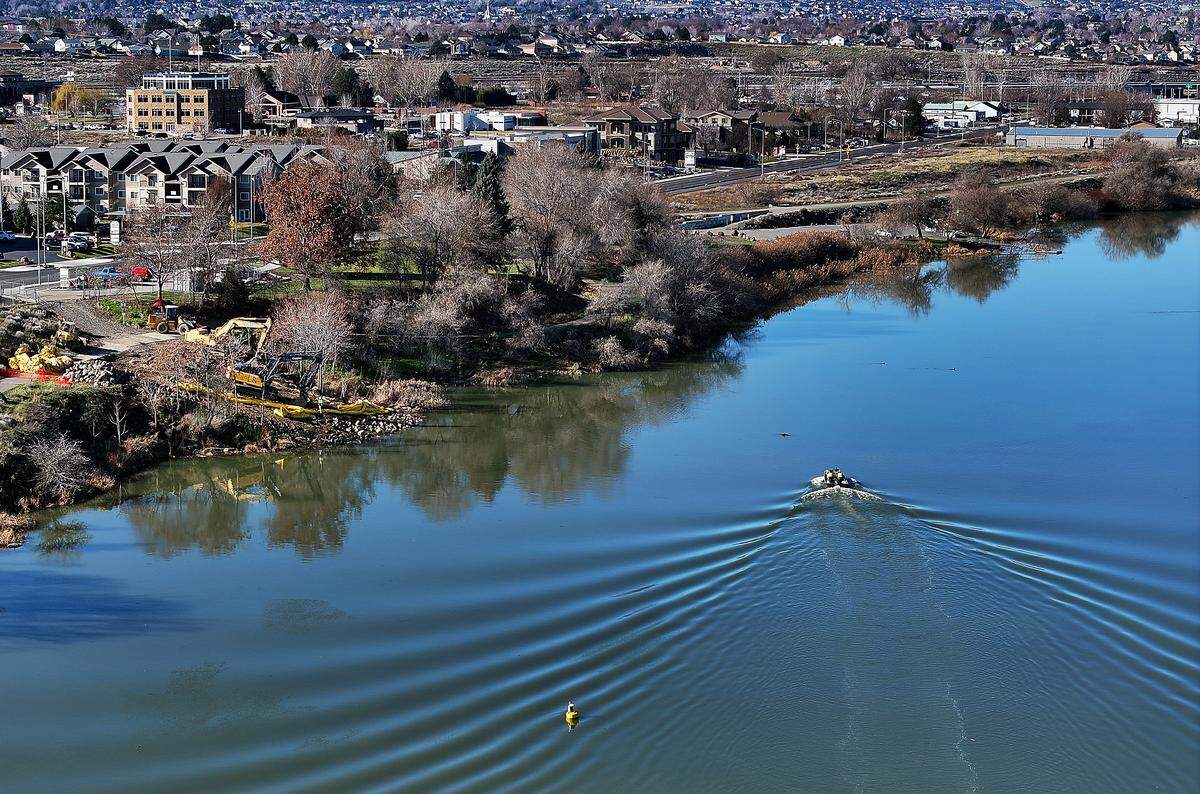
Monitoring was coordinated between the Corps and the Washington state Department of Ecology to ensure that water quality requirements were met.
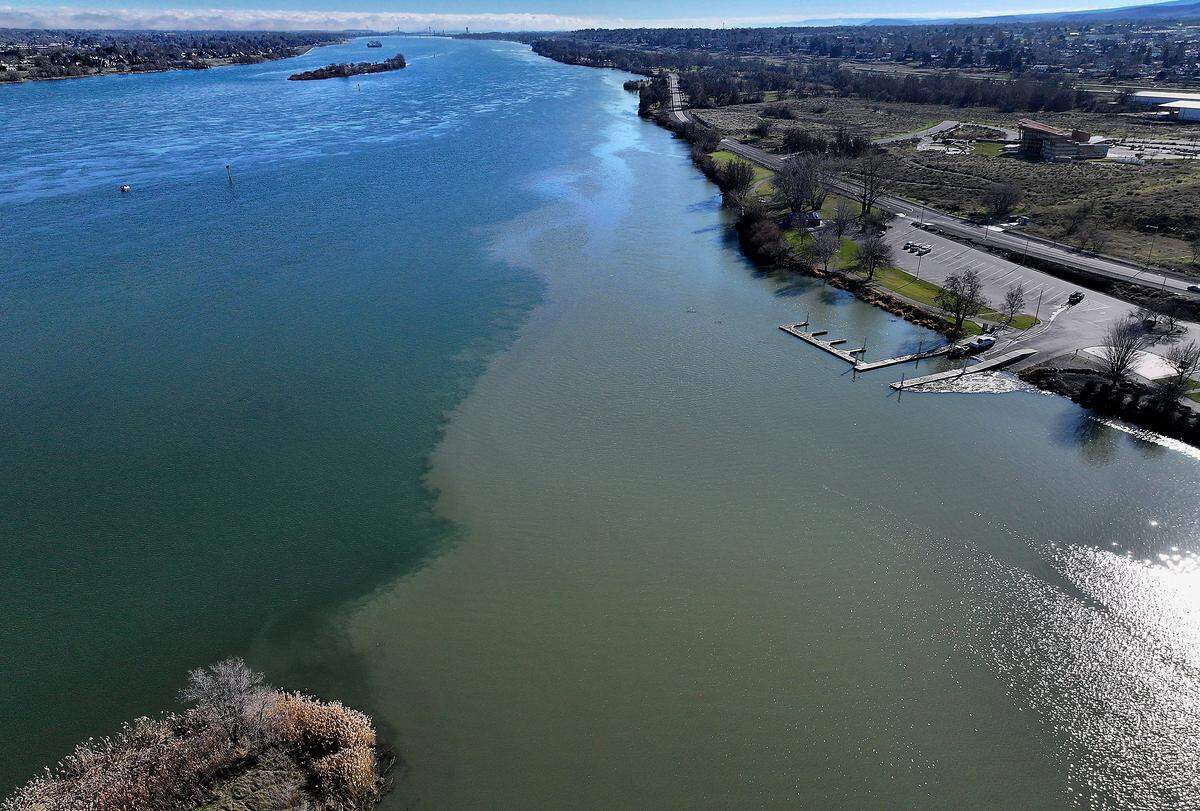
Water discolored by sediment is still visible, but the Corps said that any visible movement of sediment now is associated with naturally occurring sediments within the Yakima River Delta.
In an environmental study of the project in 2024, the cost of the project and some long-term operation and maintenance costs was estimated at $12.4 million.
The Corps said that was based on a conceptual-level design and accounted for a full scope of ecosystem restoration. But as the project advanced, engineers refined construction methods and logistics.
Adjustments to material handling and hauling significantly reduced the projected costs, resulting in a $1.2 million contract awarded for removal of the causeway, according to the Corps.
Salmon, mosquitoes and stargrass
The causeway was removed to help endangered salmon, including juveniles that migrated downstream to the ocean in the spring and adult salmon that returned to spawn in summer and fall.
The causeway created warm stagnant water, perfect for invasive fish and native Northern pikeminnow to thrive and feed on migrating juvenile salmon.
It also provided an area favorable for mosquitoes, algal blooms and an overgrowth of water stargrass.
According to the Washington state Department of Fish and Wildlife, the causeway contributed to depressed populations of salmon and steelhead in the Yakima River Basin.
“Restoring the Yakima River Delta is critical for the recovery of salmon, steelhead and lamprey throughout the Yakima Basin,” said Margaret Neuman, executive director of Mid-Columbia Fisheries Enhancement Group.
Historically, the Yakima River was home to the second-largest salmon run in the Columbia River basin, behind only the Snake River, but the causeway was compromising restoration work upriver on the Yakima, according to the state Fish and Wildlife agency.
The causeway removal also will benefit birds, it said.
The Corps, the Yakama Nation Fisheries, the state Department of Fish and Wildlife and the Mid-Columbia Fisheries Enhancement Group collaborated to have the causeway removed and years of planning.
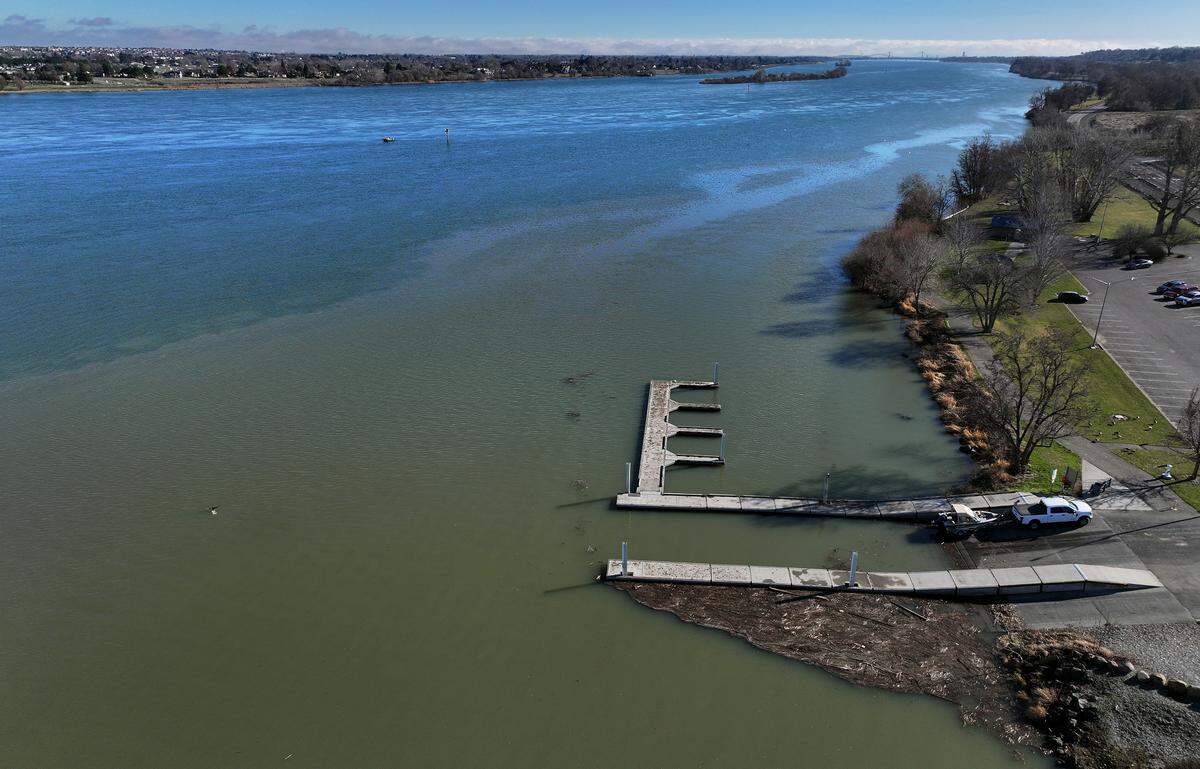
The project also required the removal of the Richland’s Columbia Park Marina with 106 slips. The owners were promised a fair market appraisal process for taking out the marina.
Bateman Island and the Yakima and Columbia rivers are culturally important to the Yakama Nation and the Confederated Tribes of the Umatilla Indian Reservation.
“The removal of the causeway is going to be a huge benefit for our first foods with the salmon returns and also to people living nearby who rely on clean, flowing water,” said Joe Blodgett, Yakama Klickitat Fisheries project manager.