Are Kennewick drivers spending more time waiting on long, slow trains?
AI-generated summary reviewed by our newsroom.
- Kennewick reports longer, more frequent freight trains blocking crossings.
- City seeks grade separation study & requested $300,000 from the WA Legislature
- Officials warn delays risk emergency response, noise and air pollution impacts.
Kennewick residents in recent months have reported longer wait times and more frequent stops at railroad crossings.
Tri-City commuters for more than a century have had to skillfully navigate rail-meets-road intersections, and reports of mile-long trains traveling at a snail’s pace aren’t unheard of.
But Kennewick city staff say there has been a significant increase in rail traffic and length. Some rail crews have even stopped in the middle of crossings to switch out engineers who max out their hours.
That means car commuters are waiting up to 20 minutes for trains to pass.
“There has been an increase here locally with rail traffic, as well as the length of the trains themselves,” said Kennewick Public Works Director John Cowling. “It’s definitely becoming a bigger concern for Kennewick.”
The reason why in Kennewick appears unclear, but Cowling says the trend could create issues for emergency services as well as increases of noise and air pollution.
BNSF and Union Pacific are the companies that own the rails used for transportation in Kennewick. Neither could confirm if traffic has increased at Kennewick crossings.
A Union Pacific spokesperson told the Herald that they did not know the exact traffic count, and that their footprint was fairly minimal in the area.
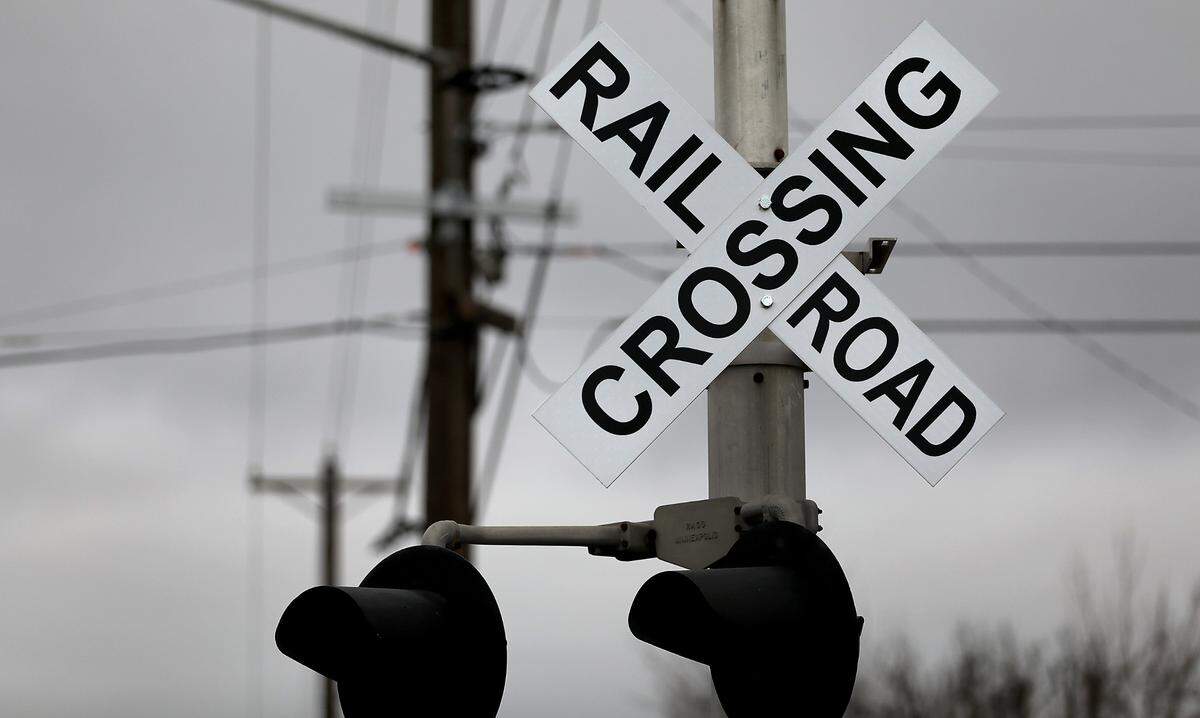
“Union Pacific’s goal is to keep trains and customer goods moving safely and efficiently. There are a number of variables that can lead to blocked crossings, such as unplanned weather events that cause track blockages/damage, signal malfunctions, trains operating under reduced speed restrictions or mechanical issues,” wrote a spokesperson to the Herald.
BNSF did not return a request for comment.
Across the United States, freight train lengths and the number of long trains appear to be increasing and the Federal Railroad Administration has requested more data on how the trend is impacting the country’s quality of life and safety.
There is no federal statute or law that restricts train length or how long trains may block roadway intersections.
In 2023, Washington lawmakers introduced a bill that would have capped train length at no more than 7,500 feet for a standard crew, slicing existing lengths between 25-50%, mere months after the East Palestine train derailment in Ohio.
But railway operators argued in testimony that the bill would have had detrimental affects on commerce, drive up greenhouse gas emissions and increase the price of freight for reliant industries like farming.
“Rail is a really efficient way of moving goods that isn’t as impacted by weather,” especially across the Cascade Mountains, Cowling said.
Future improvements to rail infrastructure through Stampede Pass are expected to increase the flow of goods between the Yakima Valley and Puget Sound, too.
Commuters who encounter issues at blocked crossings are encouraged to report what they see to the Federal Railroad Administration of the U.S. Department of Transportation.
Kennewick crossings close 50 times a day
Public documents from the Federal Railroad Administration show at-grade intersections in Kennewick close almost 50 times in a 24-hour period to allow trains to pass.
The busiest ones are BNSF crossings at Edison, Fruitland, Benton and Kellogg streets. The railway giant estimates about eight trains cross daily through each intersection.
The speed of crossing trains generally varies, but most pass between 1 and 35 mph, documents say.
Earlier this year, Kennewick requested $300,000 from the state Legislature to study grade separations at 12 crossings.
This would be accomplished by either raising or lowering rail lines or roadways to create new crossings. Edison and Fruitland are priority spots for grade separation, and would alleviate congestion for large parts of downtown and central Kennewick.
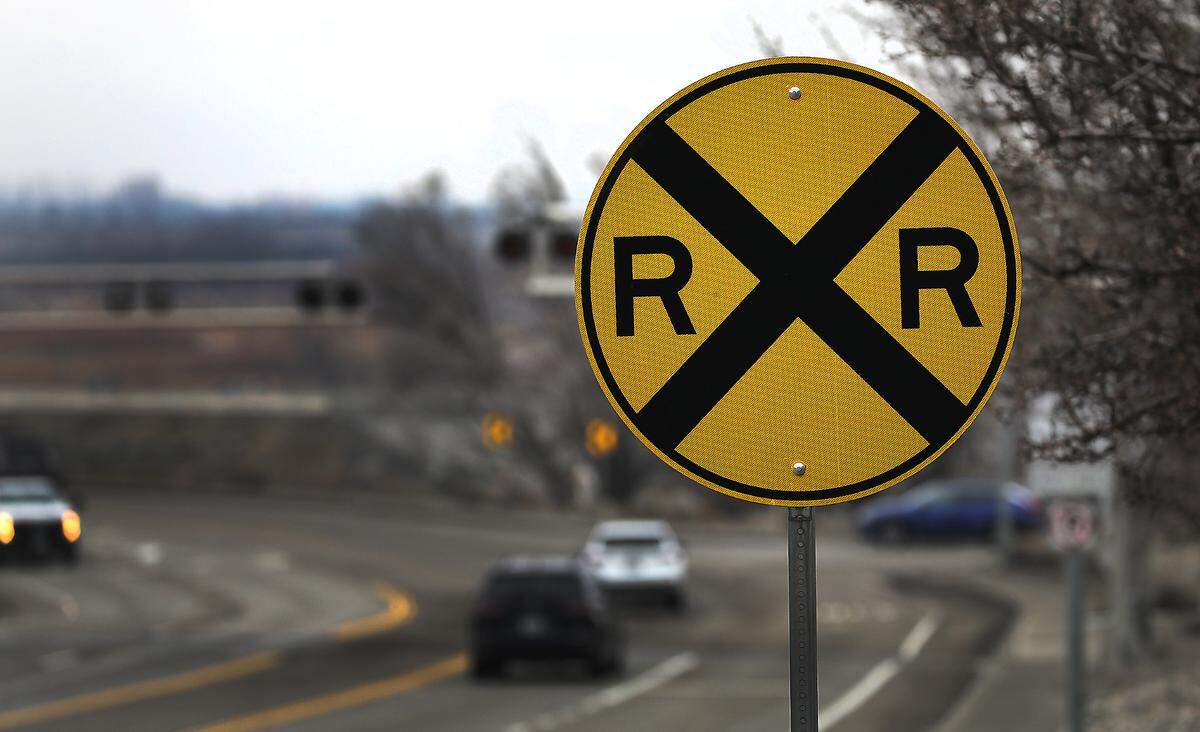
Cowling said the city didn’t get those funds, but will be asking lawmakers again in 2026.
The study would look at grade separation along four downtown streets — Fruitland, Benton and Washington and 1st — as well as the Kellogg and Edison crossings in central Kennewick.
Edison alone, located near Kamiakin High School, carries nearly 18,000 drivers across its tracks a day. Sluggish trains and lines of motor vehicles commuting to and from the school cause congestion that spans blocks.
Nearly 34,000 vehicles cross downtown streets that intersect with train rails. And more than 11,000 daily drive across the Kellogg line.
While long train crossings can spell delays for EMS and fire services, Kennewick Fire Chief Michael Heffner says their crews are good about rerouting around long delays.
Fire and EMS response times have remained relatively level in recent years or have declined slightly. The median time of a call in 2017 and 2024 was about the same at 5 minutes, 44 seconds, despite total calls rising from 9,500 to 13,500.
Cowling says the city’s biggest safety tip for drivers is to wait patiently at crossings.
“A lot of people start doing U-turns in an unsafe manner,” he said.
If you’re commuting by bike or foot, make sure not to stand too close or cut through gates.
This story was originally published November 1, 2025 at 5:00 AM.