
‘At the mercy of the Corps.’ Could Kennewick soon own Columbia Park?
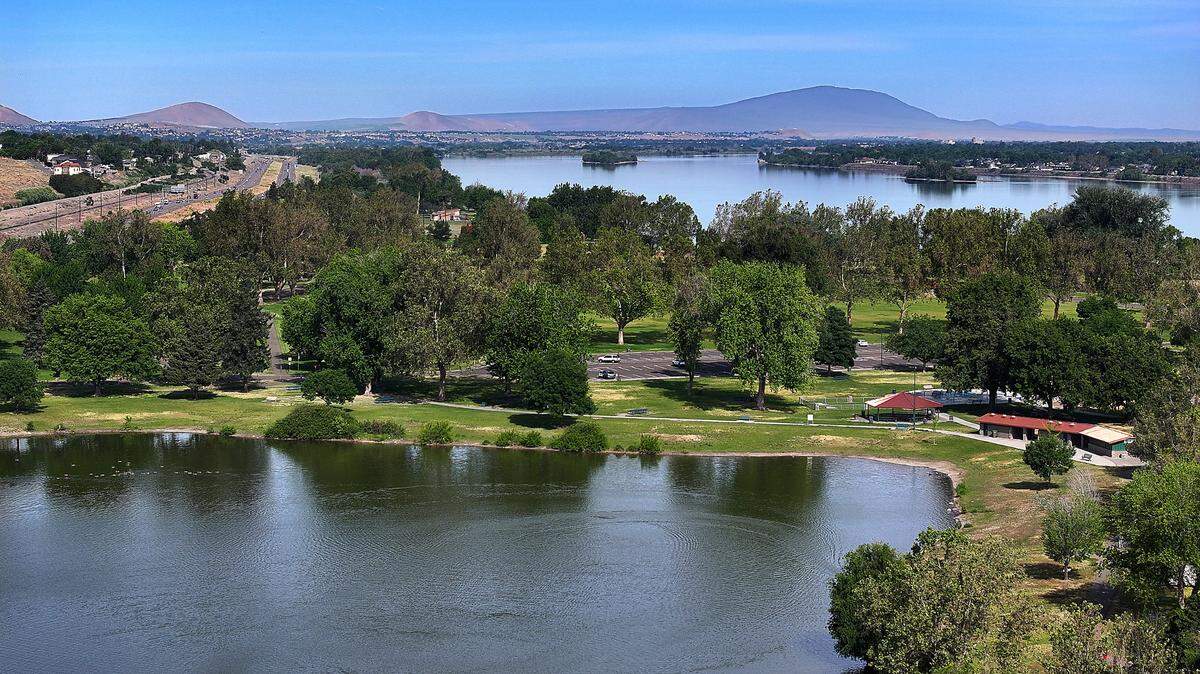
Kennewick’s decade-plus dream of owning Columbia Park East instead of leasing it from the U.S. Army Corps of Engineers is inching toward reality.
“This city’s piece of the puzzle is done and we are just waiting for the Army Corps,” said Kennewick City Manager Erin Erdman.
The city made its initial request to own 20 acres in 2011 and later expanded it to cover the entire 72 acres east of Edison Street in 2019.
The city says owning rather than leasing will help it better manage the amenity-rich park along that 3-mile stretch of the Columbia River.
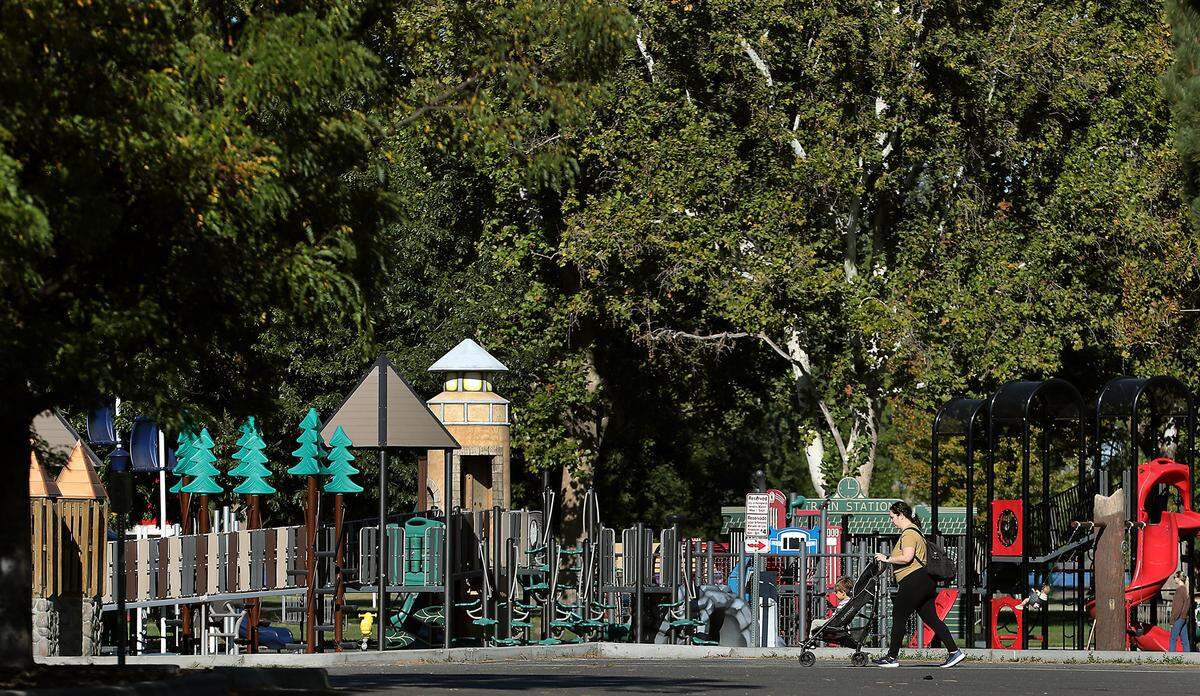
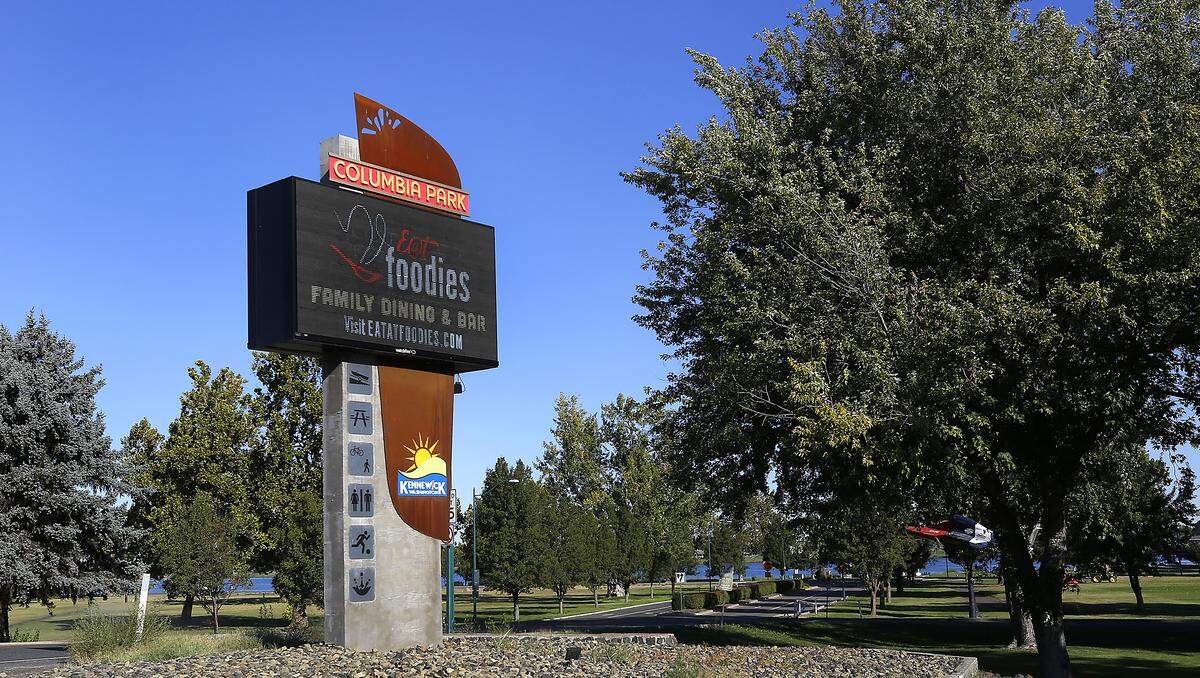
Columbia Park East is home to the Playground of Dreams, Family Fishing Pond, Neil Lampson hydroplane pits, a busy boat launch, skateboard park, bandshell, sports fields, two veterans memorials, Foodies restaurant and Golf Tri-plex. And, starting Oct. 18, the Tri-Cities second public dog park will be open.
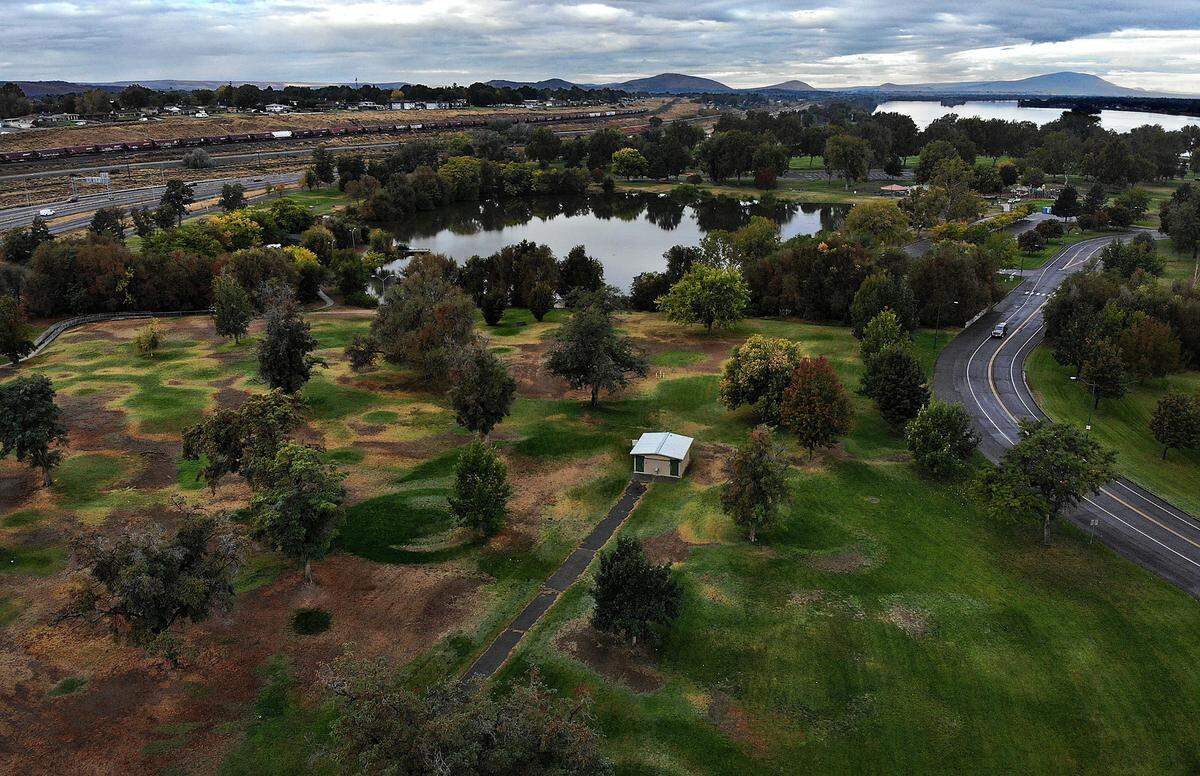
The city asked the Corps to transfer the park under the 1996 Water Resources Development Act (WRDA). The act allows the city to use the land it receives only for recreational purposes and as open space.
It won’t be allowed to add condominiums or other commercial development, though it could allow more revenue-generating events.
A spokesperson for the Corps confirmed its review is ongoing., but there is no fixed time line.
For the city, it’s a matter of waiting for the federal process to play out.
“We’re really just at the mercy of the Corps,” Erdman said.
The Corps said it will complete its local review by the end of 2025. After that, it goes to Washington, D.C., for further review and a final decision.
Boat races, fireworks
Columbia Park East isn’t just packed with amenities. It hosts some of the Tri-Cities’ most beloved events.
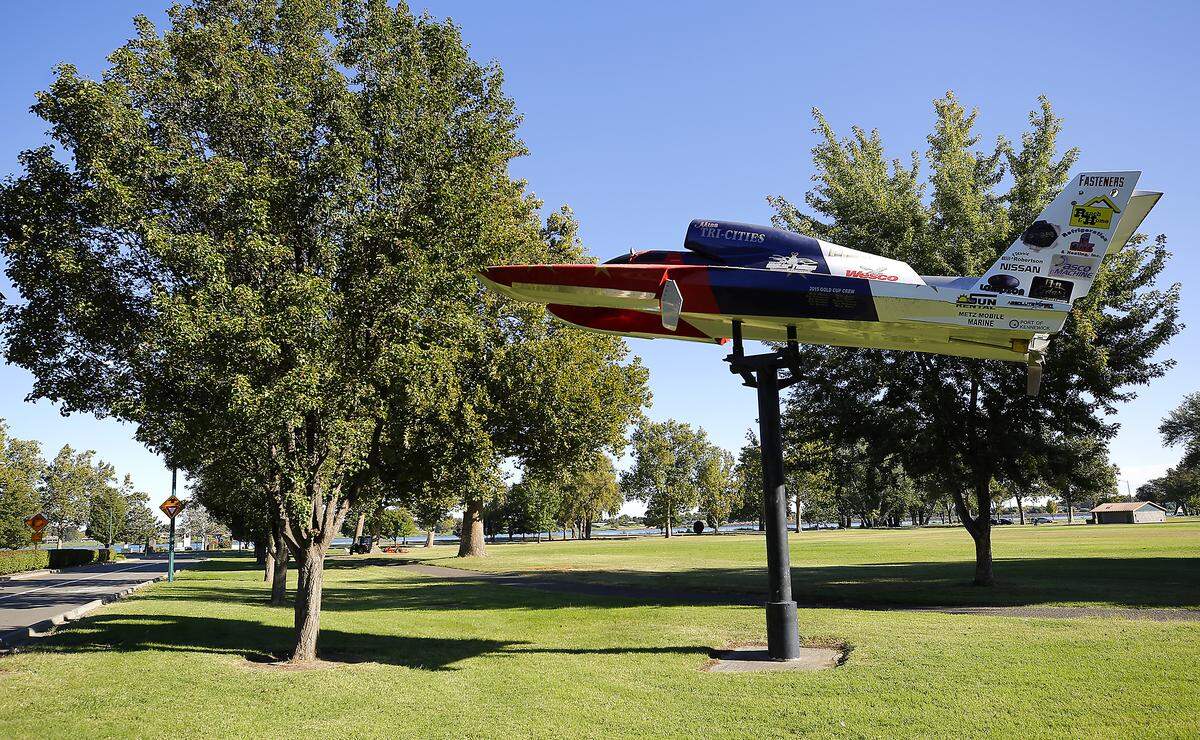
The River of Fire July 4th celebration and the annual Tri-City Water Follies and Columbia Cup hydroplane races –both pack the park in July.
For Kennewick, complying with the federal lease is costly and time consuming.
The Corps requires, among other things, that it secure permits before disturbing the ground.
That helps protect potentially sensitive cultural sites. Kennewick Man, aka The Ancient One, was found in the park in 1996, one of oldest skeletons ever found in the Americas at more than 9,000 years old.
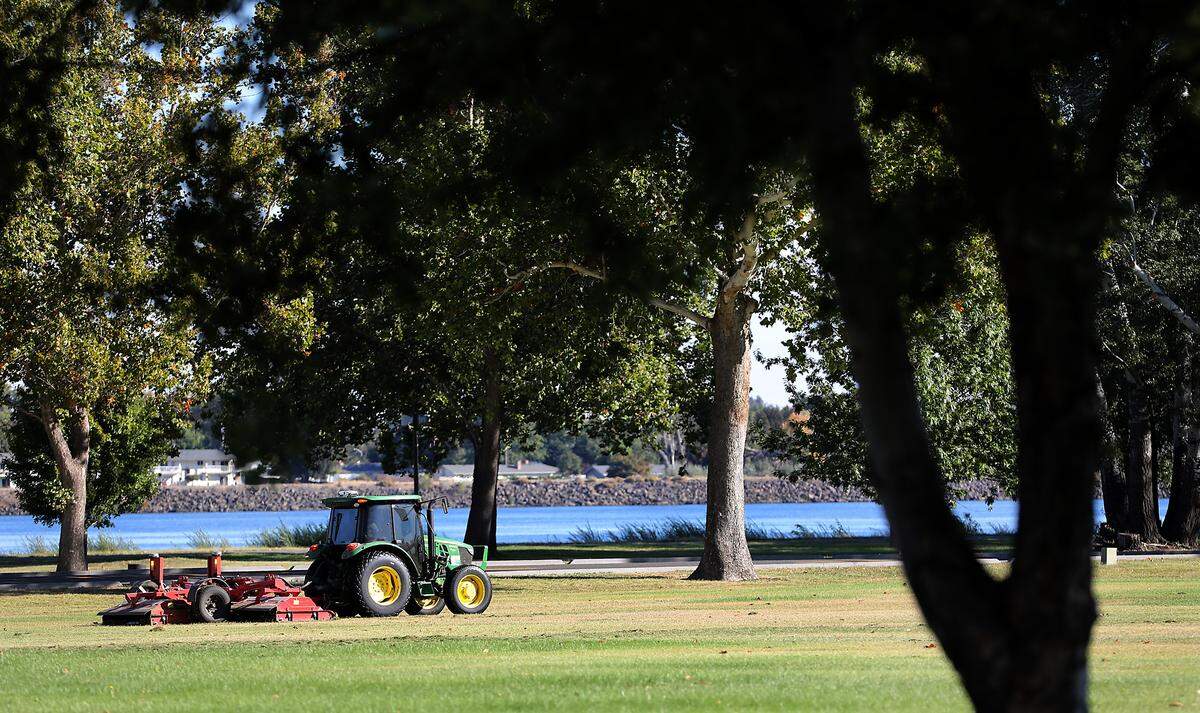
But the rules also hinder routine upkeep.
A key example: The city has to get federal approval to repair broken irrigation lines and buried sprinkler heads. It complicates local priorities too, like the new dog park.
Work on the fenced dog park began this spring near the fishing pond. When it opens next week, it will be the second public dog park in the Tri-Cities after Richland’s Paws-abilities Place at Badger Mountain Community Park.
Fences require fence posts, fence posts require post holes, and post holes disturb the ground. The city needed federal permits before it could begin.
“It’s a long process to get things done and permit fees are high,” Erdman said.
For park users, the potential change in ownership will mostly be unseen since the city will only be able to use the park as open space and for recreation under federal rules.
The city and Corps entered a memorandum of understanding in 2024 and completed the environmental review process about a year ago.
If the transfer goes through, it will apply only to land above the average-high water mark. The Corps will retain the actual shoreline, including pumps and flood management infrastructure.
While the city is limited to operating the site for recreation, it will be able to authorize revenue-generating events. In past years, local car dealers held sales in the park. The events generated revenue that helped pay park maintenance costs. In the past, the city budgeted about a $1 million a year to maintain its portion of the park
Columbia Park extends farther west to the Reach Museum and the Yakima River Delta.
In 2011, however, the Corps said car sales violated the 50-year lease the city signed in 2004.
The city requested the initial 20 acres shortly after that and later expanded its ask to 72 acres as part of its master vision for Columbia Park in 2018.
McNary Dam legacy
The Tri-Cities shoreline came under federal control when the Corps acquired more than 39,000 acres support construction and operation of McNary Locka and Dam, which is downriver from the Tri-Cities at the Oregon-Washington border.
The request to transfer Columbia Park East to the city is separate from an effort to transfer the entire Tri-Cities shoreline to local jurisdictions.
In 2016, former U.S. Rep. Doc Hastings of Pasco, Gary Petersen of the Tri-City Development Council and former Kennewick Mayors Steve Young and Brad Fisher rallied local support for their efforts to ask Congress to return the entire shoreline to the Tri-Cities.
They argued reconveyance would be an important step to local control and a way to bring more commercial development to the waterfront.
As a result, the National Defense Authorization Act directed the Corps to document how it acquired shoreline properties in the first place. The Corps released reams of paperwork showing it paid market prices for most of the land.
Petersen, Young and Fisher have since died and the work shifted to TRIDEC, where Petersen’s successor, David Reeploeg, vice president for federal programs. He is coordinating discussions between local government and tribes who ceded territory in the Mid-Columbia, namely the Yakama Nation and Confederated Tribes of the Umatilla Indian Reservation.
The proponents now favor requesting specific pieces of property and leaving the shoreline and flood control responsibilities with the Corps.
Reeploeg said the project includes developing an agreement among the parties which will lead to proposed legislation. He hopes to reintroduce the project to the public in 2026.
This story was originally published October 12, 2025 at 5:00 AM.