
Recall alert: WA bird lovers warned if they bought this grocery store birdseed
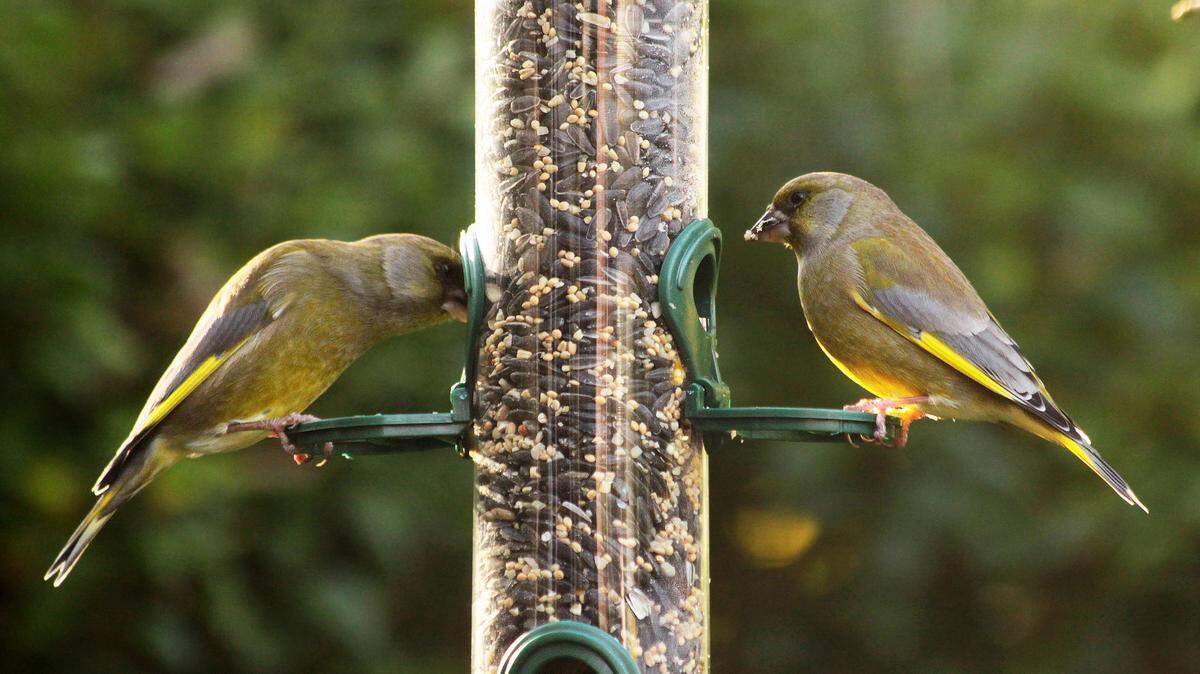
Bird lovers are being warned that they need to take action to prevent unintended consequences if they purchased birdseed sold in some Washington and Oregon grocery stores.
The issue with Signature Pet Care Songbird Blend Wild Bird Food was discovered by the Spokane County Noxious Weed Board when it investigated why a highly invasive weed that can grow 10 feet tall was thriving in a Safeway parking lot landscape area.
The birdseed had been spread there.
The seed, sold in seven pound packages at Albertsons, Safeway and Haggen stores in Washington and Oregon contains the seeds of Palmer amaranth, which was placed on Washington state’s plant quarantine list last month, according to the Washington state Department of Agriculture.
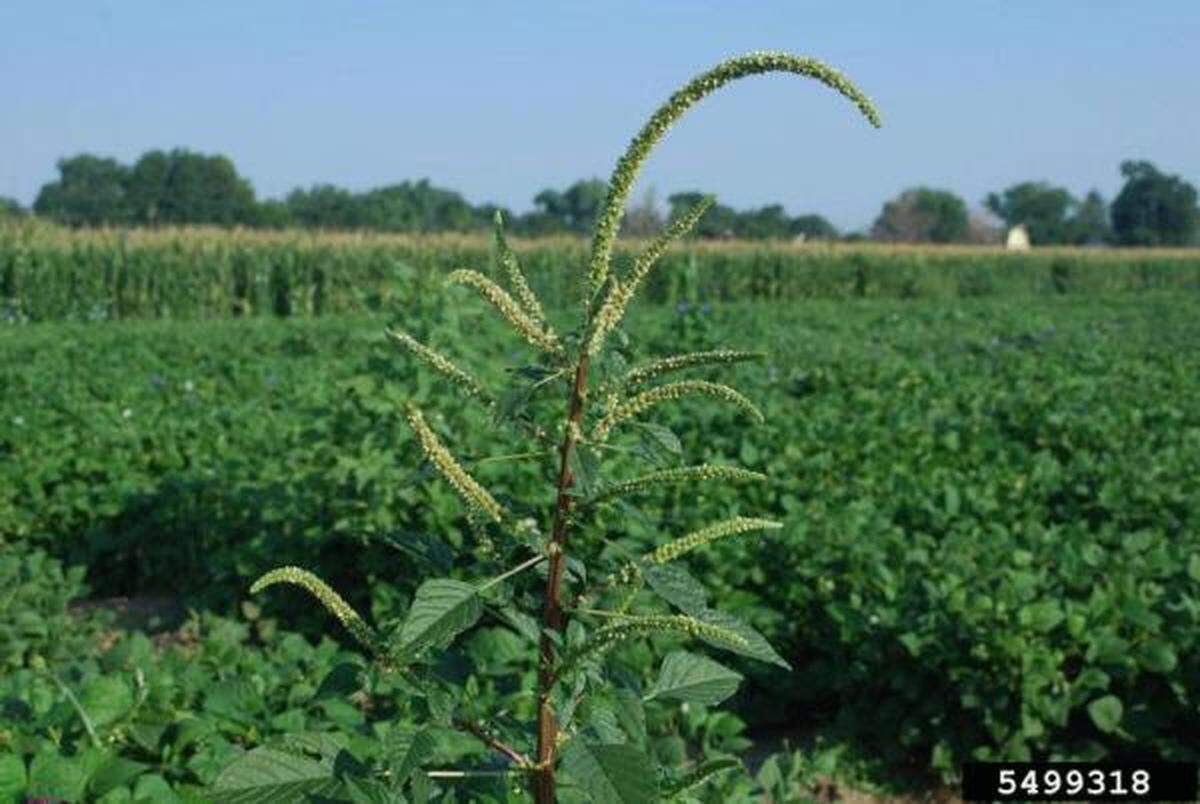
First detected in Washington in 2023, Palmer amaranth is resistant to many herbicides and a single plant can produce hundreds of thousands of seeds, according to the state agency.
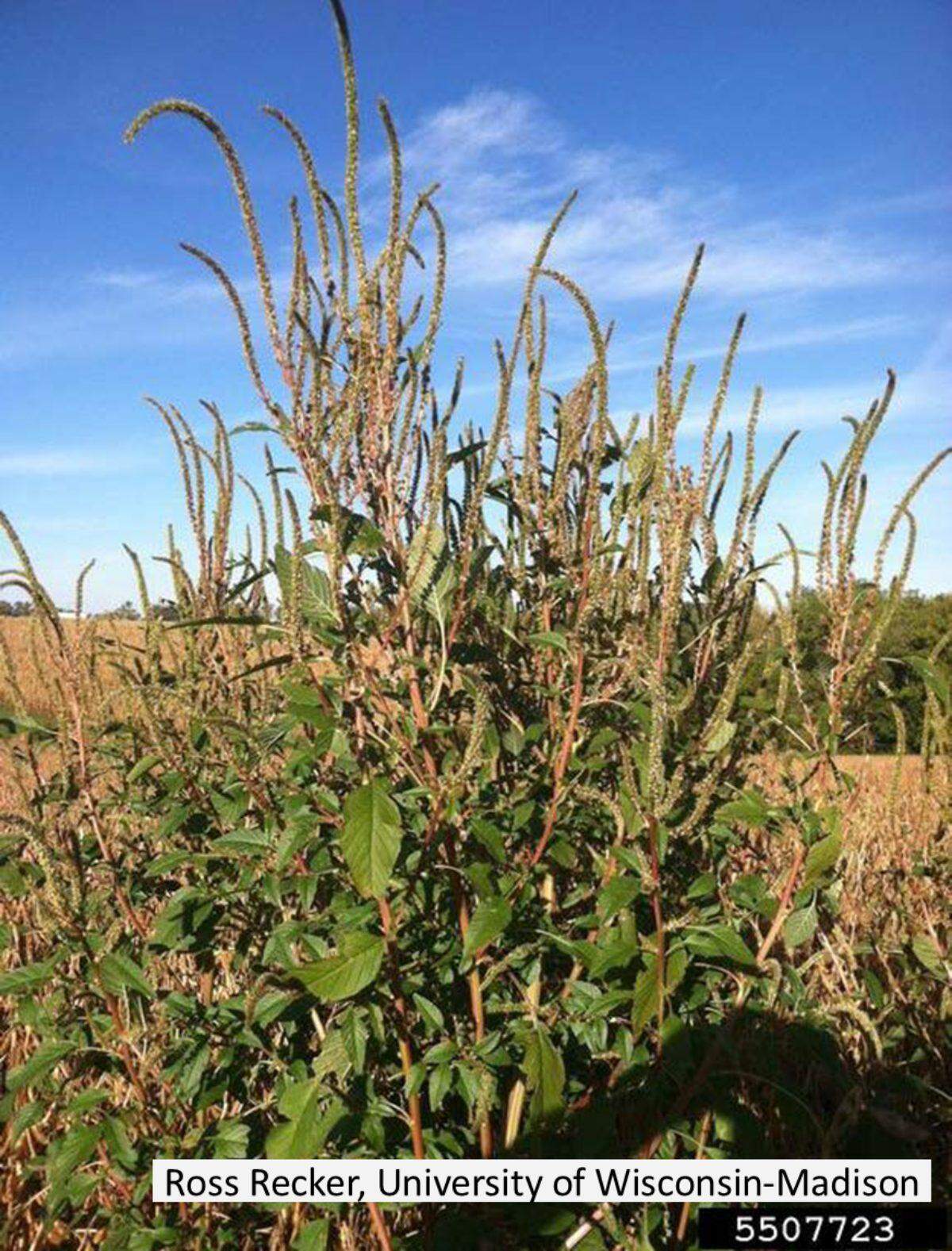
Under the right conditions, it can grow 2 inches a day, according to the Washington state Noxious Weed Control Board.
Not only is the weed something homeowners don’t want in their yards, but left uncontrolled it can be a serious problem for farmers. It can choke out crops, cause massive losses to harvest yields and drive up weed-control costs.
It also threatens native plant habitats and can quickly spread beyond managed areas.
The birdseed has voluntarily been recalled from stores in Washington and Oregon, and the manufacturer is cooperating with state agriculture departments.
Customers who bought the recalled birdseed should take these steps:
- Remove any remaining seed from bird feeders.
- Return any unused seed to the store for a refund.
- Double bag and dispose of any loose seed in the trash — do not compost.
- Clean bird feeders thoroughly before reuse to remove remaining seeds.
- Inspect areas under and near bird feeders for sprouted weeds. Carefully remove any plants, place them in black plastic bags and dispose of them in the trash to prevent seed spread.
This story was originally published September 22, 2025 at 11:24 AM.