
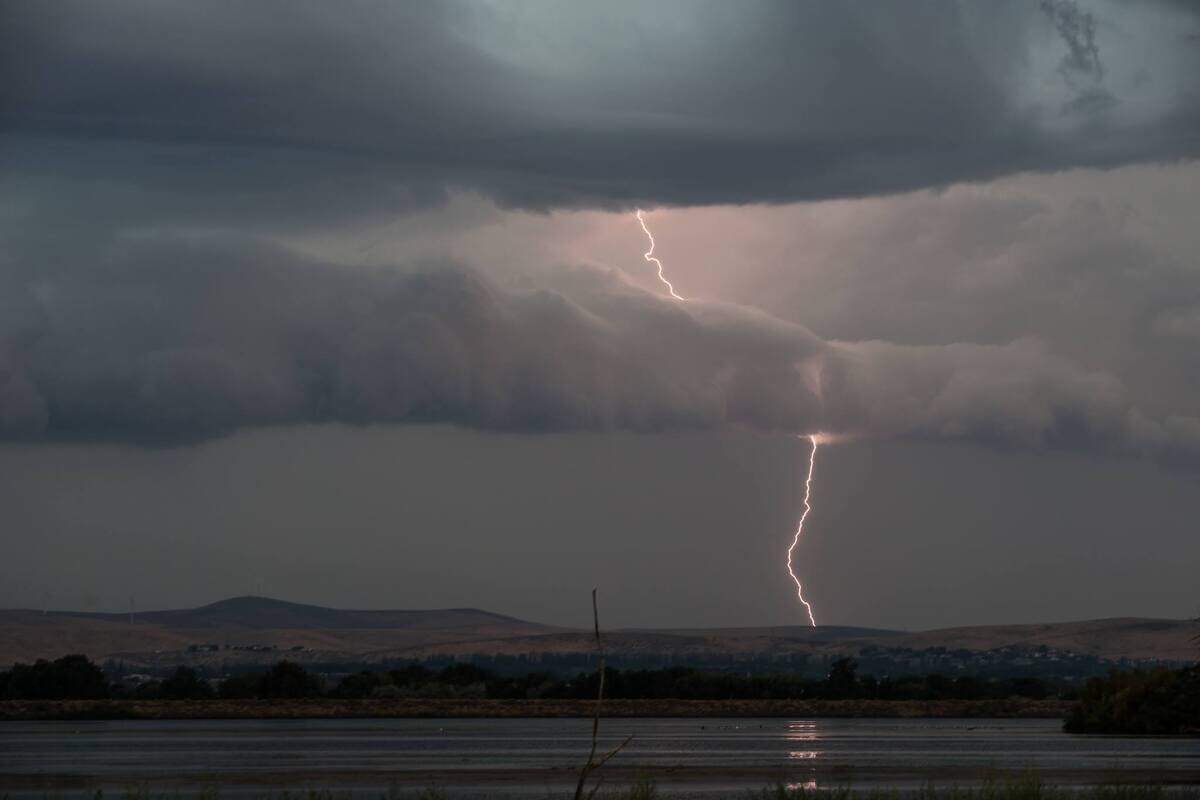
Spectacular lightning storm jolts Tri-Cities skyline. See the photos & get some tips
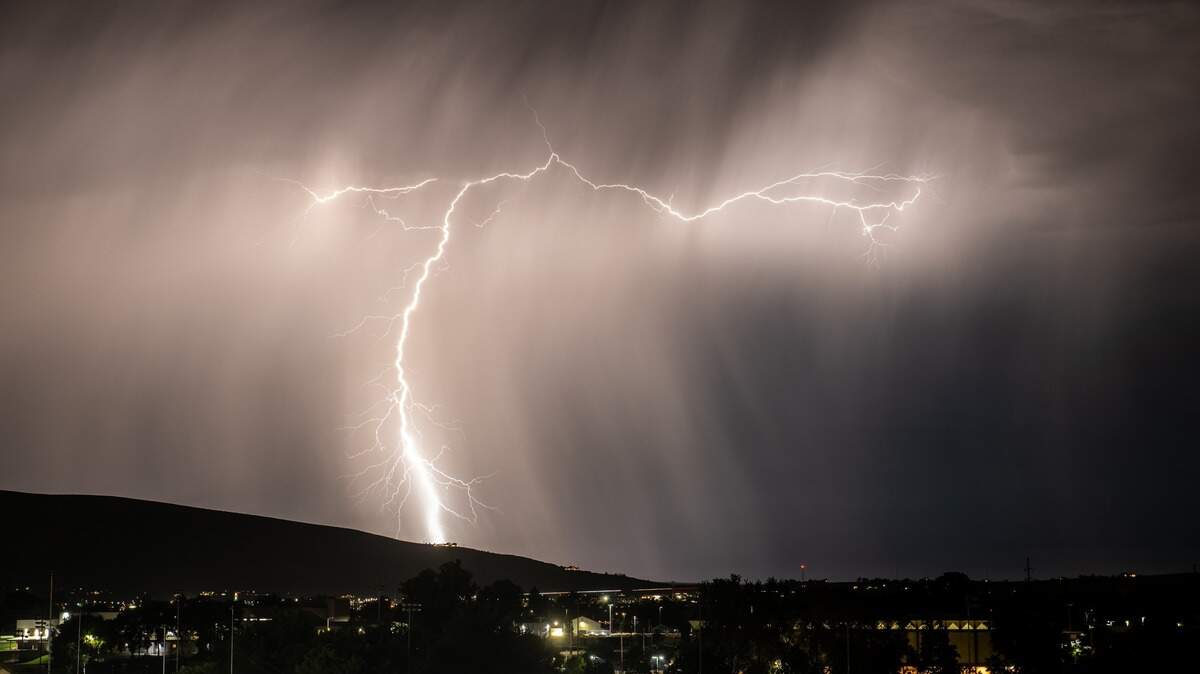
A Richland-based photographer says there’s no “secret” to capturing lightning photos, especially at night. But there are a few tips that can make it a lot easier.
Scott Butner, a retired PNNL scientist-turned-landscape photographer, has been chasing lightning storms for much of his life, but has been especially busy over the past dozen years since embracing photography as his full-time, post-retirement career.
This time of year, he often checks the weather forecast several times a day to determine if there are any storms in the area.
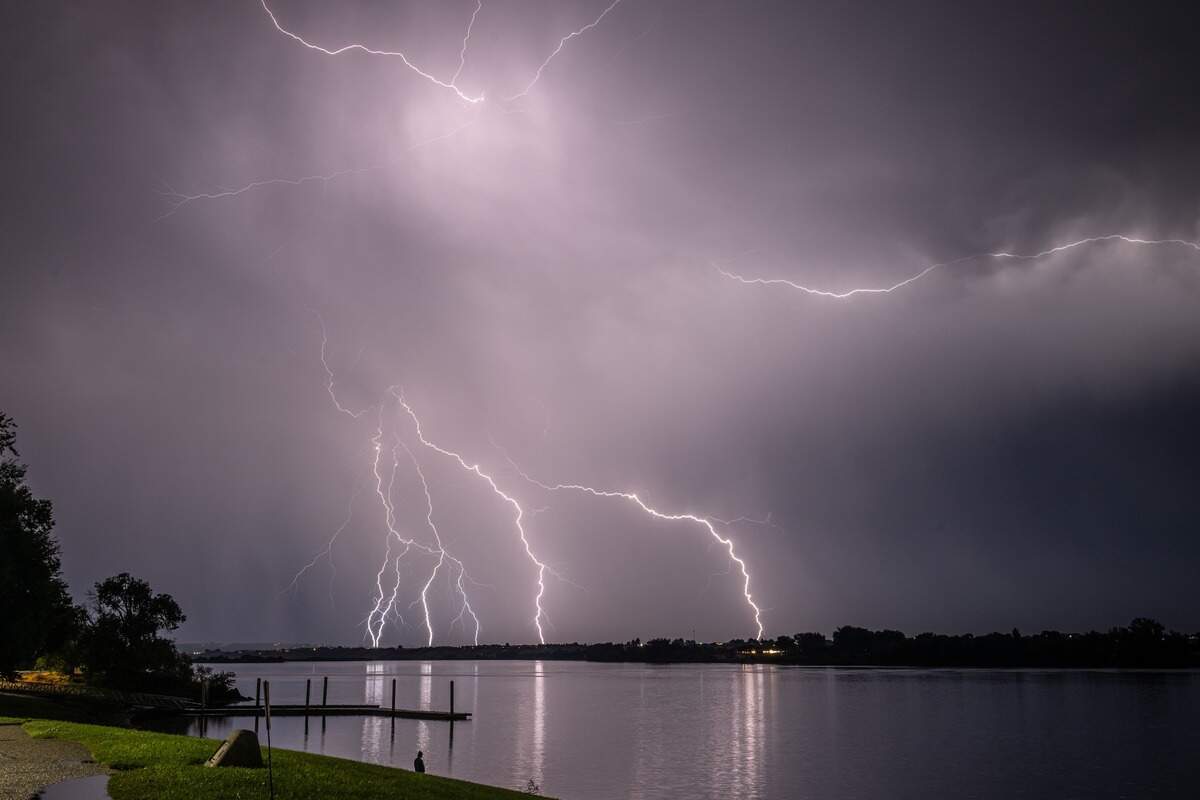
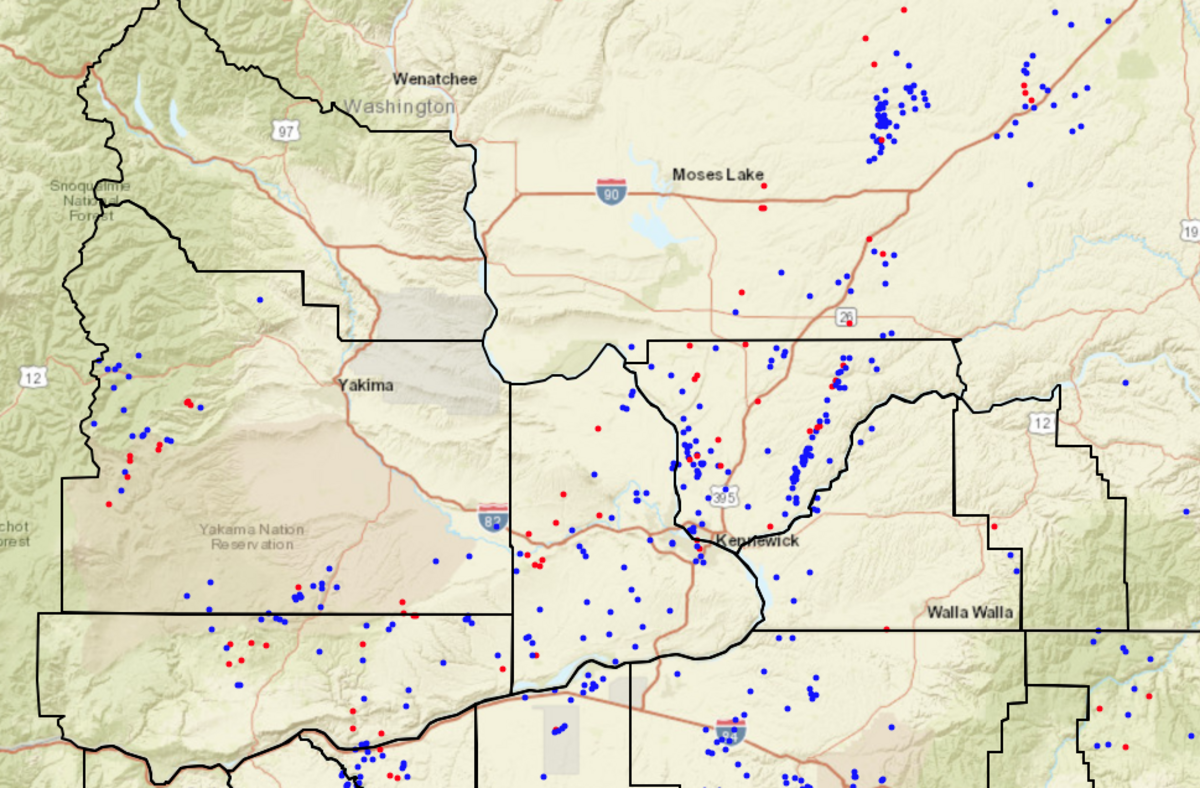
On Monday evening, a particularly spectacular show lit up the Tri-Cities skyline. The National Weather Service in Pendleton shared with the Herald a map of lightning strikes in the Mid-Columbia. Weather officials reported 53 strikes in Benton County and 104 in Franklin County.
Butner was one of many to capture some of the magic and share their photos and videos on social media.
Butner said he often is asked by his social media followers how he gets such stunning lightning photos. He says there are a few tips that can make it a lot easier – and safer.
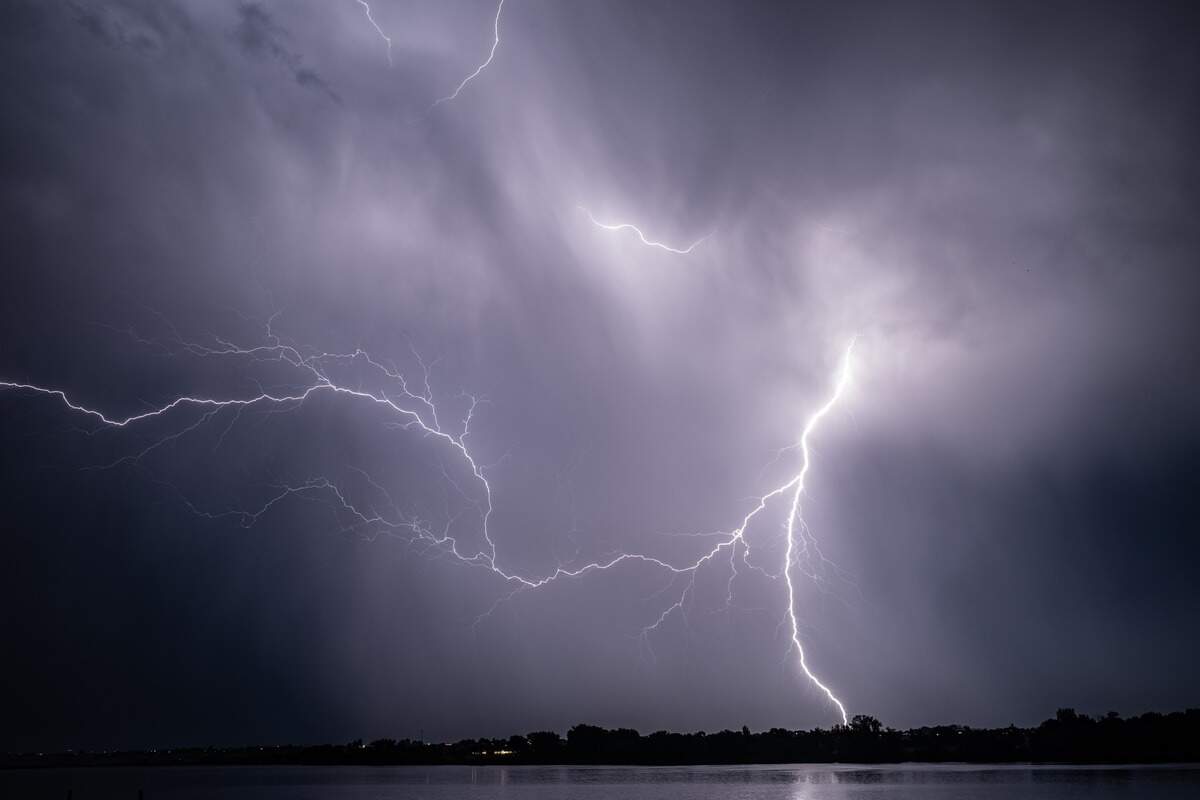
Stay out ahead of the storm, if possible. Here in the Mid-Columbia, our summer storms often have much of their lightning in the leading edge of the storm, ahead of most of the rainfall.
Butner uses a phone-based app, Lightning Pro, to track incoming storms and their direction of travel.
Staying out ahead of the direction of travel allows him to catch the lightning bolts that aren’t shrouded in rain, which can severely reduce their brightness and make them more difficult to photograph.
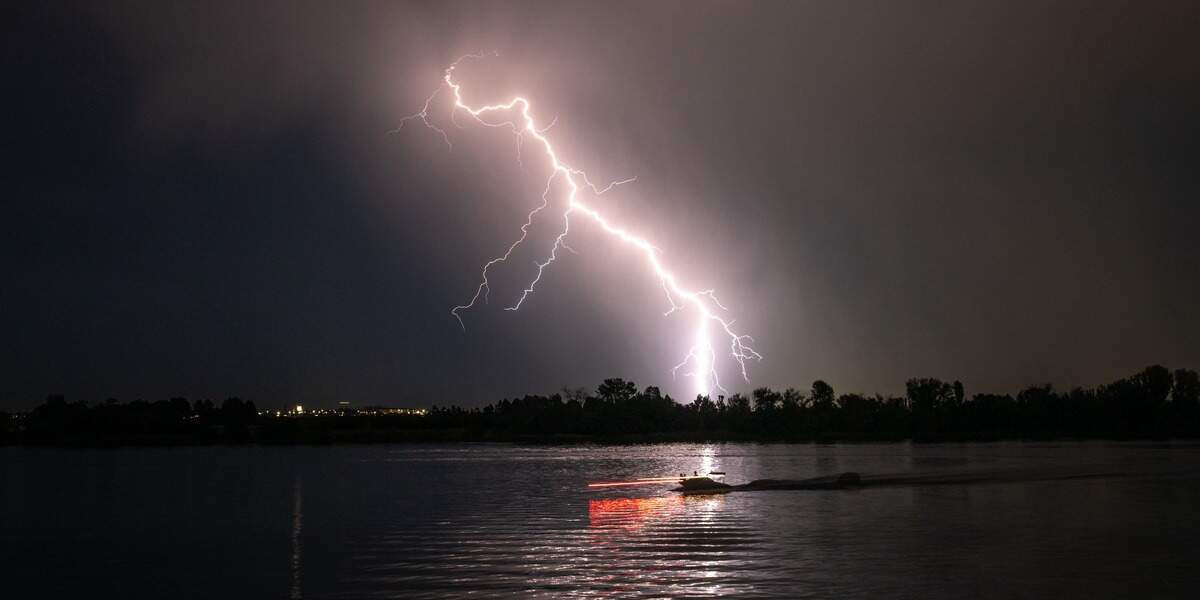
It also reduces the chance of his photo equipment getting drenched. “Once the rain begins in earnest, I usually call it quits for the time being and retreat to my truck to wait it out,” he said.
Look for uncluttered foregrounds. Try to avoid visual clutter like road signs, power lines, or other foreground items that can distract from the beauty of the lightning.
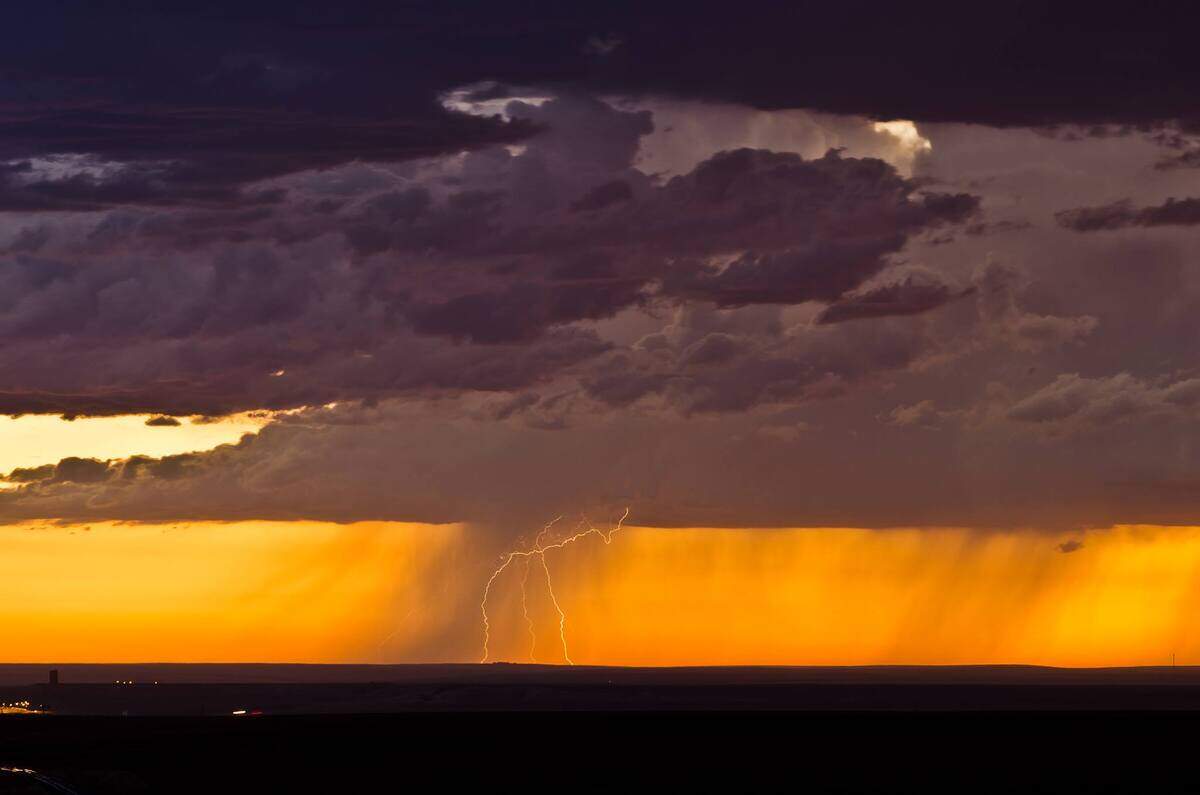
Shoot smarter, not faster. Contrary to many assumptions, Butner said he doesn’t have especially good reflexes that allow him to catch sudden bolts of lightning. Instead, he usually puts his camera on a steady tripod and shoots a long sequence of time exposures, and simply throws away the frames that don’t have lightning.
He said exposures can vary greatly depending on the level of ambient light, but typical night-time exposures are 250 ISO, f/8 and 4-5 seconds.
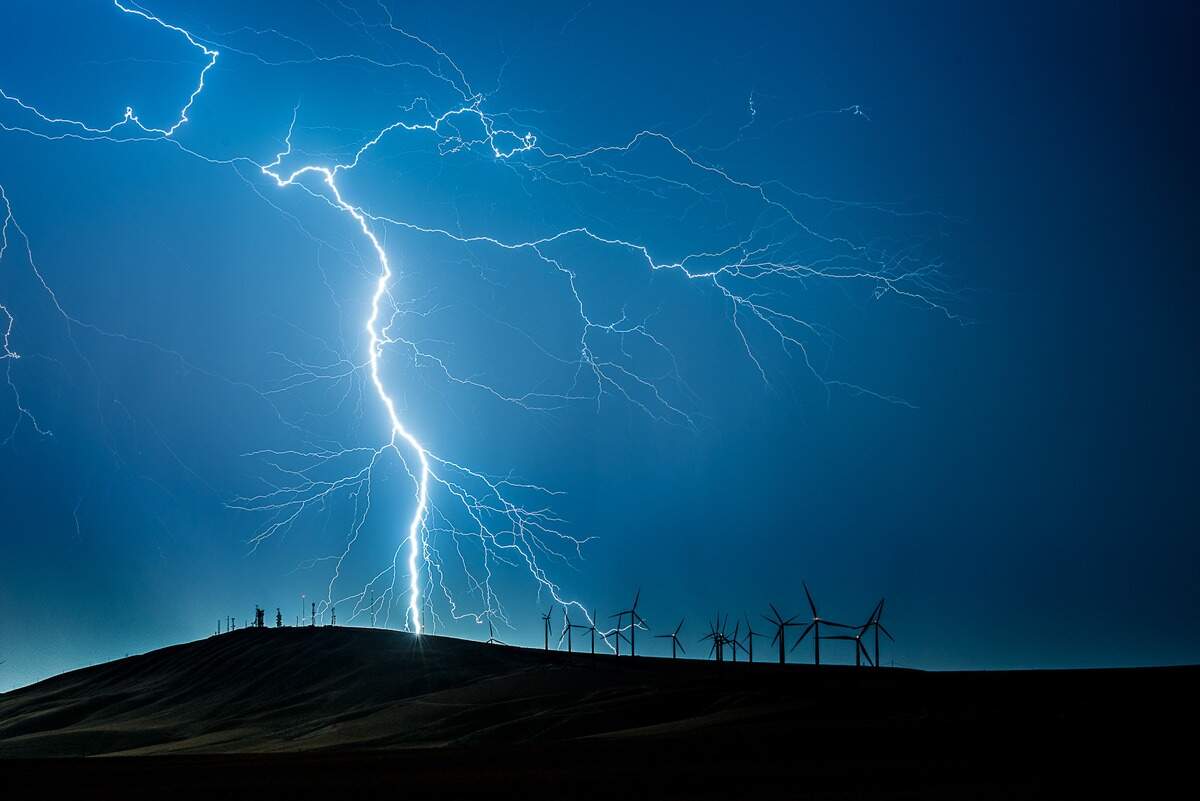
“I just point the camera towards the part of the sky where I’m seeing lightning happen, and let the camera take exposures one after the other and hope for the best,” he said.
“I try to make my settings so that the foreground is 1-2 f/stops underexposed WITHOUT the lightning so that the bolts appear nice and bright against a dark sky.”
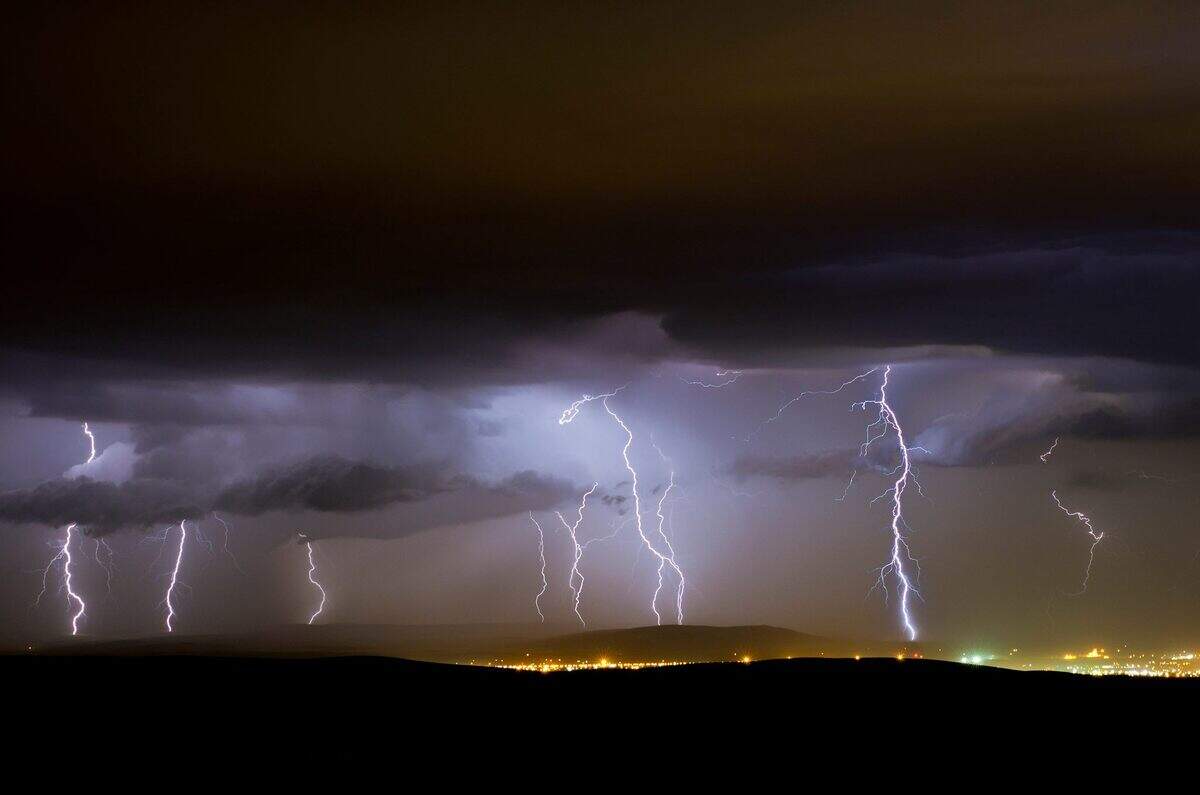
Adjust exposure for distant or obscured lightning. While the exposure settings above work well for many lightning bolts, if the storm is in the distance, or there is a lot of smoke, haze, dust or rain between the lightning and the camera, Butner said you might need to adjust the exposure a bit to make the bolts more visible.
Safety first! Butner reminds photographers that no lightning photo is worth losing your life for. Use common sense to decide when it’s time to seek shelter, or even better, if you can photograph from a sheltered area, do so.
Butner said he often sets his camera on “interval,” programmed to take a photo every 3-4 seconds, then retreats to the relative safety of his pickup truck.
Send us your lightning videos and photos to news@tricityherald.com with permission to share them with others readers.
This story was originally published September 10, 2025 at 6:33 PM.