
COVID levels ‘high’ in Tri-Cities as FDA tightens vaccine rules. What to know
With COVID-19 activity increasing across the country, Tri-Cities residents may be wondering about their risks of contracting the deadly disease — and whether they should get vaccinated.
The U.S. Food and Drug Administration recently approved the next round of COVID-19 vaccines ahead of the upcoming respiratory illness season and updated its rules about who’s eligible to get them.
Under the new federal guidelines, only people over age 65 and those with at least one risk factor will be recommended for COVID-19 vaccines.
Vaccines were previously recommended for everyone age 6 months old and older, regardless of their health status.
Here’s what to know:
Is COVID-19 on the rise in Washington? Tri-Cities?
Hospitalizations and emergency room visits related to COVID-19 have increased over the past month, according to data from the Washington State Department of Health updated on Aug. 20.
While this increase impacted older populations the most, there was a significant increase in ER visits by children under age 18, state health department data shows.
As of Aug. 20, Washington state had reported 475 deaths due to COVID-19 since October 2024.
The state Health Department tracks hospitalizations and ER visits by regions, referred to as accountable communities of health, not specific counties or metropolitan areas.
The Greater Health Now region includes Asotin, Benton, Columbia, Franklin, Garfield, Kittitas, Walla Walla, Whitman and Yakima counties.
That region has seen similar increases in COVID-19 hospitalizations and ER visits over the past month, according to the Washington State Department of Health.
Virus activity ‘high’ in Benton and Franklin counties
The state Department of Health also analyzes wastewater to track the activity of the SARS-CoV-2 virus in communities across Washington.
According to the state database, the wastewater viral activity level has increased in Benton and Franklin counties since July — with Franklin County reaching its highest rate so far in 2025.
As of Aug. 20, Benton, Franklin and nearby Walla Walla counties had “high” levels of viral activity, the department’s data shows.
On Aug. 27, neighboring Grant County reported a COVID-19 outbreak in a long-term care facility that killed at least two people, according to a news release from the Grant County Health District.
The Benton Franklin Health District is monitoring the increase in local activity, according to health officer Doctor Steven Krager.
“That is still lower than it was last summer, so that’s good news,” Krager told the Tri-City Herald. “But it reflects nationwide and statewide trends. There’s more COVID happening across the country. I think we’re being impacted by that as well.”
The exact number of 2025 COVID-19 cases within the Benton Franklin Health District is not available.
Is a late-summer COVID spike normal in Tri-Cities?
An increase in COVID-19 activity at this point in the summer is different from previous years, according to Krager.
Over the past several years, Tri-Cities has seen a clear spike in COVID-19 activity in the summer and the winter, the health officer said.
“If this is our summer spike, it’s happening a little bit later than usual,” Krager said. “We don’t always have clear reasons for why these peaks occur, we have a lot of educated guesses, but a lot of it is just monitoring and watching.”
Based on the timing of this increase, Krager said it’s possible Tri-Cities will see activity decrease, then spike again during the winter.
Alternately, COVID activity could gradually build in the region, Krager said, leading to a more sustained increase throughout the fall and winter.
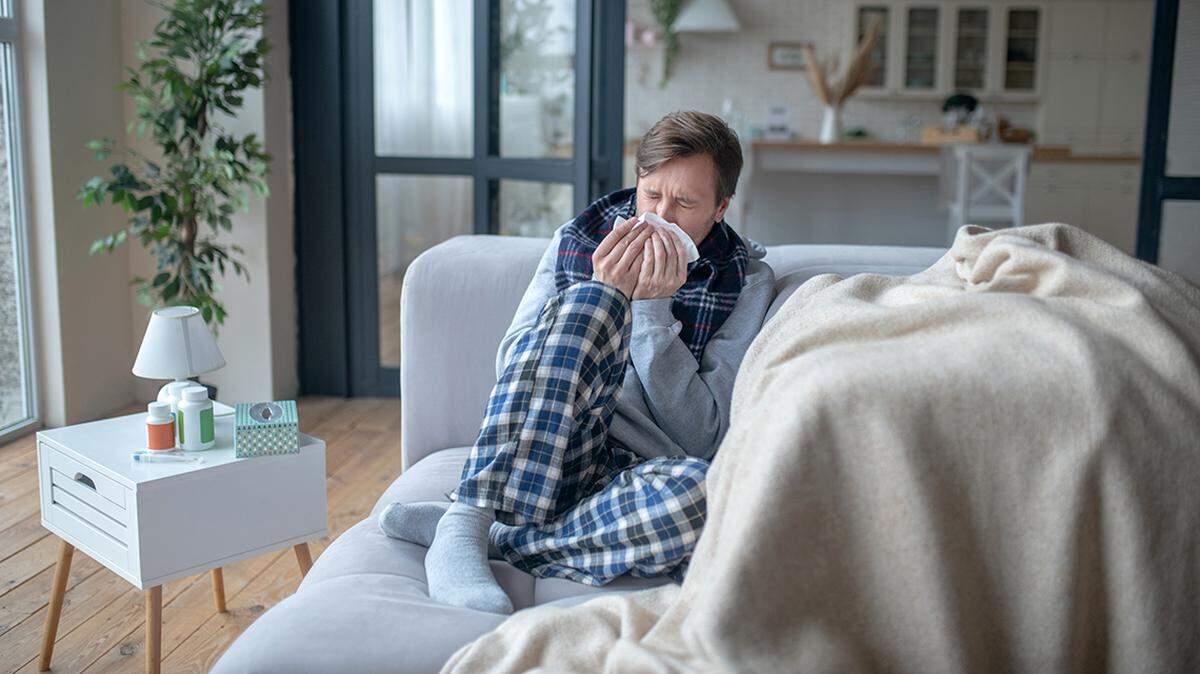
What are common COVID-19 symptoms?
COVID-19 symptoms can show up anywhere from two to 14 days after you’re exposed to the virus, according to the Centers for Disease Control and Prevention.
While there is a wide variety in COVID-19 symptoms, according to the CDC, common ones include:
- Fever
- Chills
- Cough
- Shortness of breath and difficulty breathing
- Sore throat
- Congestion and runny nose
- Loss of taste and smell
- Fatigue
- Muscle, body aches
- Headache
- Nausea and vomiting
- Diarrhea
The CDC said you should seek out emergency care if you exhibit the following symptoms:
- Trouble breathing
- Persistent pain/pressure in the chest
- New confusion
- Inability to wake or stay awake
- Lips, nail beds, skin appearing pale, gray or blue (depending on skin tone)
Call the emergency in advance and let them know you are seeking care for COVID-19.
Who should get vaccinated against COVID?
“People of all ages, including children and teens, can get very sick from COVID-19, especially those with underlying medical conditions,” the CDC said on its website.
Vaccination is “especially important” for those who are 65 and older, are living in a long-term care facility, have never been vaccinated for COVID-19 or are otherwise considered high risk, according to the CDC.
Anyone who is pregnant, breastfeeding or trying to get pregnant should also consider getting vaccinated, the federal health agency said.
The latest COVID-19 vaccines approved by the FDA are intended for people ages 65 and up as well as younger people with at least one health risk factor.
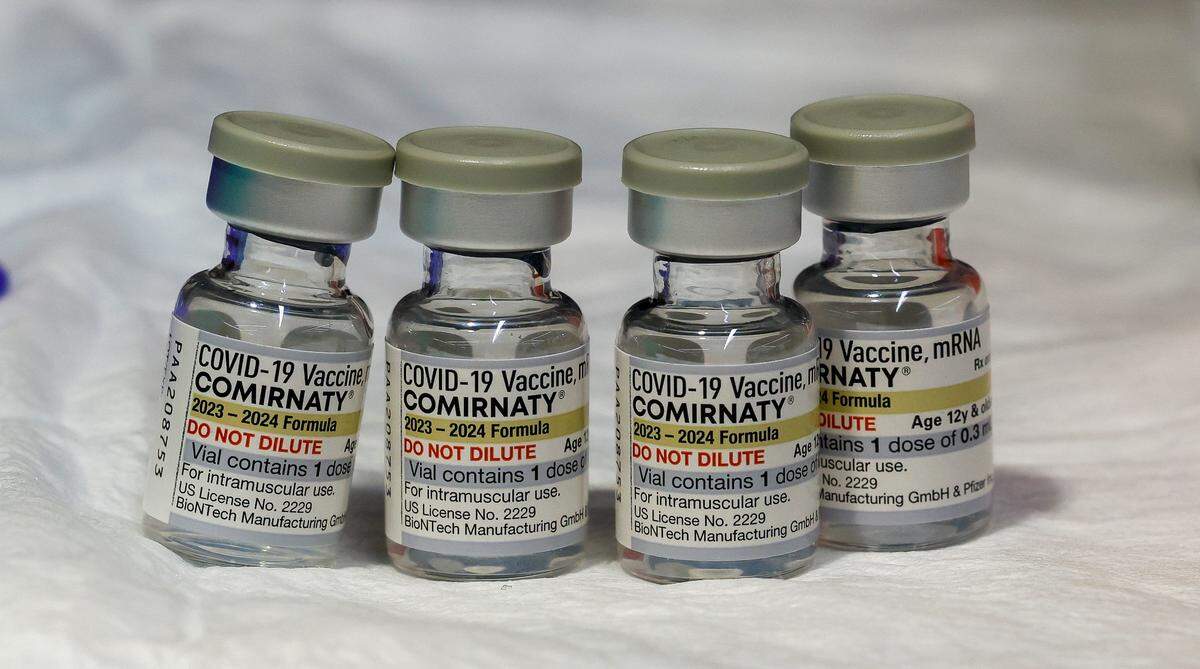
“FDA has now issued marketing authorization for those at higher risk: Moderna (6+ months), Pfizer (5+), and Novavax (12+),” Health and Human Services Secretary Robert F. Kennedy Jr. wrote in a X post on Wednesday, Aug. 27. “These vaccines are available for all patients who choose them after consulting with their doctors.”
Kennedy added that the “emergency use authorizations” for COVID vaccines are “now rescinded.”
This doesn’t mean that healthy children and adults will no longer be able to get vaccinated against COVID-19, Krager said.
However, there may be changes to insurance coverage and pharmacy availability, the health officer said.
Krager worries how changes to the accessibility of COVID-19 vaccines could impact the respiratory disease season, which hits its peak in fall and winter.
“This news just came out, so I’m honestly still trying to understand all the ramifications of it,” Krager said. “We’re going to work closely to try to make it as clear as possible to people how to get vaccinated, where to get vaccinated, who’s eligible.”
“I hope we can maintain access to that in a way that makes sense for people,” the health officer said.
Where can I get a COVID vaccine in Tri-Cities?
According to Krager, most people should be vaccinated against COVID-19 to stay protected.
For the 2024-25 COVID-19 vaccines, all adults under 65 should get at least one dose. After that, at least two doses are standard, according to the CDC.
Pharmacies are expected to be updating their vaccine availability to include the 2025-26 vaccine.
As of Monday, Sept. 8, both the Richland and Kennewick Costco locations have options for the 2025-26 vaccine. According to the pharmacy manager at the Richland Costco, the new Pfizer vaccine and both new Moderna vaccines are currently offered, and the new Novavax vaccine will be available soon.
Before heading to any Tri-Cities pharmacy, call in advance to confirm availability.
Most primary health care providers and urgent care options also offer the vaccine.
The Benton Franklin Health Department administers vaccines at its locations as needed.
When will new COVID-19 vaccines be available?
As of Thursday, it was unclear when and where the new COVID-19 vaccines will be available.
As more information is available, details will be updated at the Benton Franklin Health District’s Stay in the Loop website.
“I wish I had clearer answers at this time, but I will say we will get more answers and we’ll make it as clear as possible,” Krager said. “I would just encourage people to stay focused.”
How else can I keep from getting sick?
As the height of the respiratory disease season approaches, Krager said, you should follow standard practices to keep from getting sick.
This includes washing your hands regularly and well and staying home when you’re sick.
Wearing a face mask remains effective for extra protection, Krager said, noting that N95 masks offer the best protection when correctly fit.
“It’s always going to help,” Krager said. “It’s never going to hurt you to mask. It’s going to help, especially in crowded environments.”
Krager recommends getting tested for both COVID-19 and influenza if you notice any concerning symptoms.
When possible, Krager said, you should get vaccinated against COVID-19, influenza and respiratory synctial virus (RSV).
The flu vaccine is approved for everyone, the CDC said, while the RSV vaccine is approved for people 75 and older as well as adults ages 50 to 74 with at least one risk factor.
Anyone who is pregnant should get the RSV vaccine or plan RSV immunization for their child.
The younger the child, the more severe the risk of RSV, according to the CDC. It is the leading cause of infant hospitalization in the country.
This story was originally published August 28, 2025 at 11:03 AM.