Rat sightings on the rise in Tri-Cities. How to keep them away
AI-generated summary reviewed by our newsroom.
- Tri-Cities residents report increased outdoor rat sightings in 2025, mainly in Kennewick.
- Health officials cite construction, food waste and foliage as key rat attractants.
- Authorities urge prevention via sealing entry points, securing food and clean disposal.
Dave Boone had never really seen many rats in or around his home near Vancouver and 27th Avenue in Kennewick.
But that changed a couple years ago, when one day the lifelong resident caught a glance at what he thought was a squirrel on his cedar fence.
“I looked at it and was, like, that doesn’t look like a damn squirrel,” said Boone, 55.
It took a while, but Boone eventually caught the sucker in a trap — an 8-inch-long, black and gray rat: A roof rat.
Then, this year, he caught another one roaming near a flower pot. He grows peppers and tomatoes in his garden.
“They don’t seem to want to get indoors,” he told the Herald.
But where there’s one, there’s bound to be 10 more, Boone says.
He’s heard horror stories from friends and neighbors catching two, three or more than two dozen of the pesky rodents. He’s worried a surge in the population could impact his neighbors and nearby businesses.
“Really, all you can do is be diligent and hopefully all the neighbors are diligent, too,” he said.
Tri-City residents in recent months have shared tales about spotting, catching and trapping rats — a pest they say they’ve never really seen much of before in the region.
Not a new issue
Pest control experts, who have seen steady increases in calls, believe that a population appears to be spreading eastward across Washington as rat problems have flared up in Yakima and Wenatchee in recent years.
But like any other cohabitant pests, rats can be found almost anywhere humans reside, says the state Department of Fish and Wildlife. They can also contaminate human and pet food, destroy home insulation and create noise in attics, walls and crawl spaces.
A city of Kennewick spokesperson says they’ve received no recent complaints nor heard of a rat issue within city limits.
JoDee Peyton, manager for land use, sewage and water at Benton Franklin Health District, says they’ve received a small number of calls — just five this year — about rats.
But rats are not a new problem for the Tri-Cities, she says. They’re always found in dense areas with high rates of trash and excrement.
“We have a lot of construction going on around here, so those rats are being displaced. They’re just looking for a new place to live where there’s food and shelter,” she said.
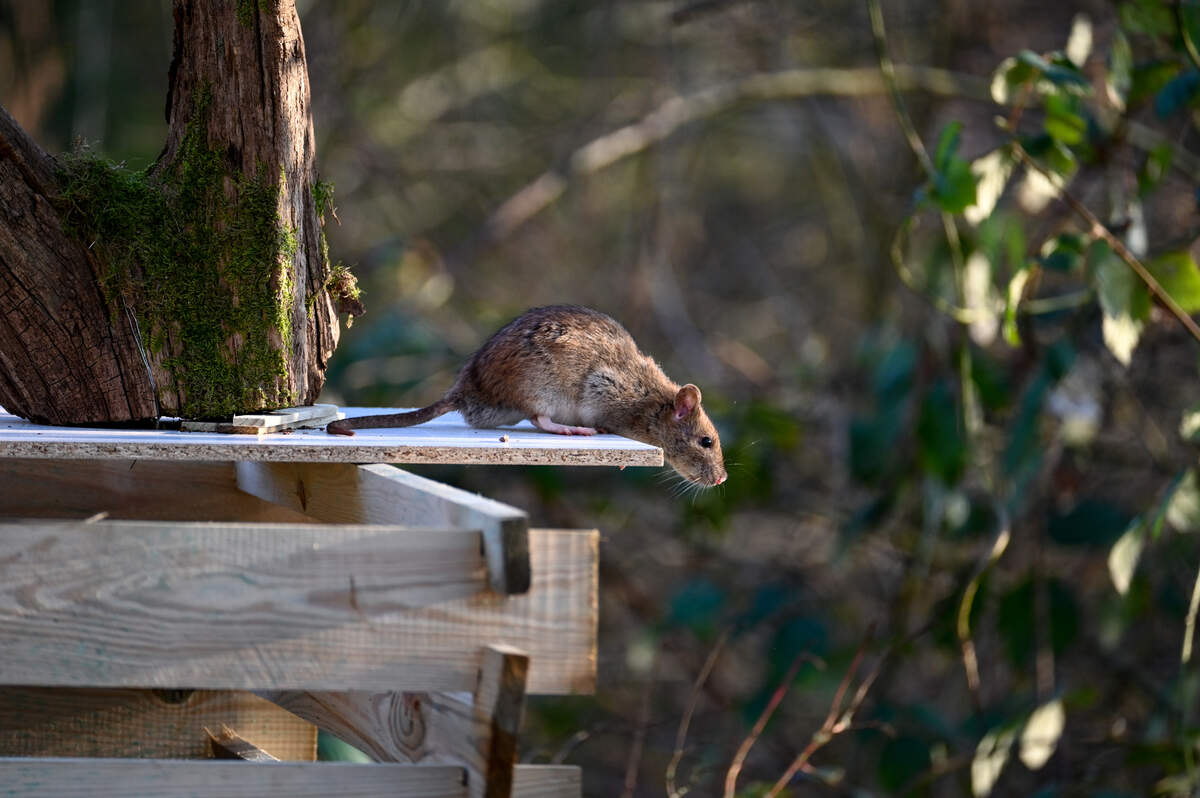
Rats aren’t “pleasant” to live with, but encounters with one aren’t deadly, Peyton says. People can get diseases through their ticks and fleas, rat bites and their feces, but it’s rare.
Hantavirus pulmonary syndrome, a rare and potentially fatal respiratory disease, can be attracted by inhaling dust contaminated with rodent urine and droppings.
Peyton says residents should consider their home and neighborhood context when determining if they have rats: Are they leaving their homes unoccupied for weeks, leaving pet foot out, letting their hedges go awry, or is there bird feed accessible?
Austin Miller, account manager at Pointe Pest Control in the Tri-Cities, suggests calling for services if residents see steady activity in their yard or home.
Preventative treatment also is a cheaper solution to fishing out a nest from home crawl spaces, he said.
Tips for avoiding rats
There are several proactive steps Tri-City homeowners and residents can take to prevent attracting rats, according to Fish and Wildlife:
- Use durable food storage containers.
- Feed pets inside and clean up their droppings.
- Secure garbage and compost piles.
- Tend to bird feeders, as well as fruit-bearing trees, bushes and gardens.
- Trim shrubs at least 3 feet away from your house.
- Try to eliminate access to water and buildings.
- Seal up any small holes into your home with steel wool, caulk or metal sheeting. Rats can squeeze through openings the size of a half dollar.
Rodents can carry several harmful diseases, according to Washington Department of Health. Trapping and disposing of them responsibly is important for keeping your home healthy.
- Place snap traps in areas of rodent activity (droppings, nests and chewed materials), while avoiding areas easily accessible to children and pets.
- Consider alternatives to snap traps, such as electronic, glue or poison traps. But weigh the pros and cons of each against your specific circumstances.
- Dispose of trapped rodents safely and wash your hands after handling. Use gloves and face coverings.
- Air out enclosed areas for at least 30 minutes by opening doors and windows. Don’t vacuum, sweep or stir up dust found in contaminated areas.
- Spray and wet down dead rodents, nests, droppings, urine and other contaminated materials with a 10% bleach solution or another disinfectant and let it soak for about 10 minutes.
- Wipe up contaminated materials with paper towels, rags or mops and place waste into a double plastic bag. Disinfect protective gear and wash hands with soap and hot water.
This story was originally published September 1, 2025 at 5:00 AM.