
Tri-Cities heat is deadly. What one nonprofit is doing to change that
AI-generated summary reviewed by our newsroom.
- Grace Clinic distributes heat health kits, information funded by a Americares grant
- At least nine people have died due to heat in Tri-Cities area in recent years
- Low-income people, outdoor workers face heightened heat risk
As the Tri-Cities swelters under a heat wave forecast to last for five days, it’s often the people like those seen at Grace Clinic in Kennewick who are the most vulnerable.
Over the past five summers, the Tri-City Herald has reported on nine deaths in Benton and Franklin counties during heat waves.
They included seven people in 2021 and 2024 who lived in homes without working air conditioning, a man living in a motor home and a veteran.
Grace Clinic, the Tri-Cities only free medical clinic, is working to educate its patients and give them the resources they need to stay healthy in the heat with the help of one of 20 grants distributed nationwide by Americares to help reduce the impact of extreme or prolonged heat on uninsured and underinsured patients.
The $3,000 grant to Grace Clinic is being used to assemble and distribute 150 heat health kits at the clinic and at community events and to help educate patients on the dangers of heat waves like the one now baking the Tri-Cities.
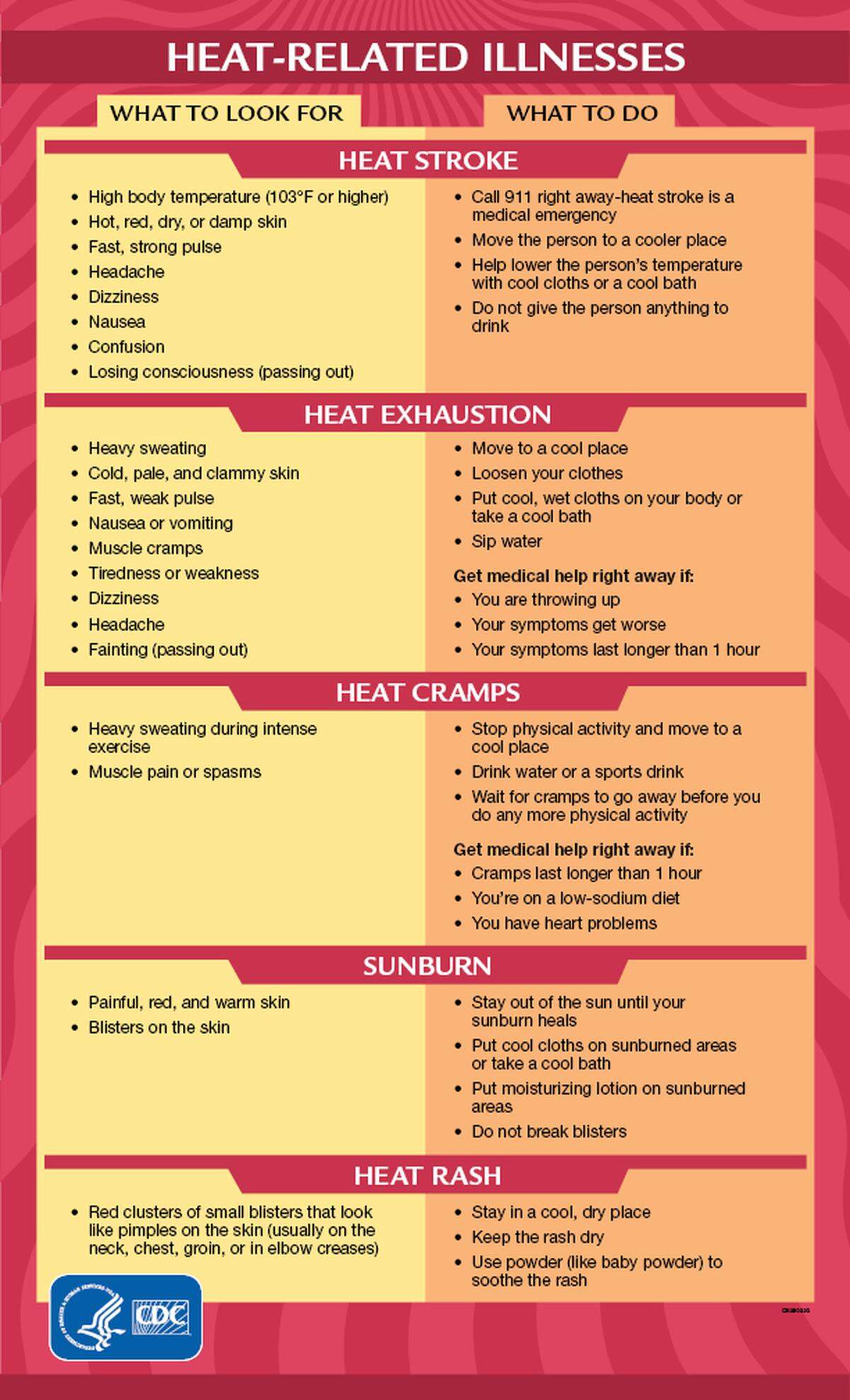
The kits can include water bottles, electrolytes to mix into water, sunscreen, lip balm and heat health tips in English and Spanish prepared by Americares.
The clinic also has used the Americares grant to buy gift cards to help patients access air-conditioned spaces, buy food and afford medications.
.jpg "higher resolution(1).jpg")
Patients are encouraged to stay hydrated with non-sugary drinks.
Water-filling stations are available at the clinic at 800 W. Canal Drive, and the clinic provides information on cooling center locations.
It also provides help for patients in crisis due to the heat, such as helping them lower their high blood sugar immediately by drinking water.
Extreme heat is the No. 1 cause of weather-related death in the United States, according to Americares.
Grace Clinic patients
“As heat waves become more frequent and intense, we’re taking action to protect those most at risk,” said Dr. Julie Varughese, Americares chief medical officer. “Health care providers at safety net clinics see firsthand how the environments where their patients live and work exacerbate existing health disparities.”
Many of the patients who depend on Grace Clinic for medical care work outside as landscapers, construction workers, concrete layers and agricultural workers. The heat can also affect other workers the clinic serves, such as servers at restaurants that have outdoor spaces.
Most of the clinic’s patients also work in physically demanding jobs.
They include housekeepers, caregivers, food processors and warehouse workers who work inside, but still face heat issues due to constant exertion, according to Grace Clinic.
Chronic diseases like diabetes and heart disease increase heat risk, the clinic said. Some medications limit the body’s ability to cool down or make it easier to become dehydrated.
More than half of Grace Clinic’s patients have incomes at or below the Federal Poverty Level, which is currently $32,150 a year for a family of four.
They may live in older or lower-income housing with inadequate air conditioning for the Tri-Cities summer heat.
Grace Clinic was the only clinic in Washington state that received an Americares Heat Health Grant this year. Americares is a leading voice for medically under-served populations.
This story was originally published August 25, 2025 at 5:00 AM.