
Renting in Tri-Cities? Here’s how much space you can get for $1,500 across WA
With cost of living on the rise across the United States, renters are looking to get the best bang for their buck.
RentCafe recently ranked the 200 largest cities in the United States where renters can get the most apartment space for $1,500 a month in 2025.
Across the nation, renters can get about 715 square feet of space for $1,500 per month, RentCafe found.
That’s about 14 square feet less than in 2024, according to previous reporting by the Tri-City Herald.
That budget can be stretched further in 63% of the 200 largest U.S. cities, RentCafe said, adding that the best bargains can be found in the South and Midwest.
Here’s how much space you can get in Tri-Cities and other areas of Washington:
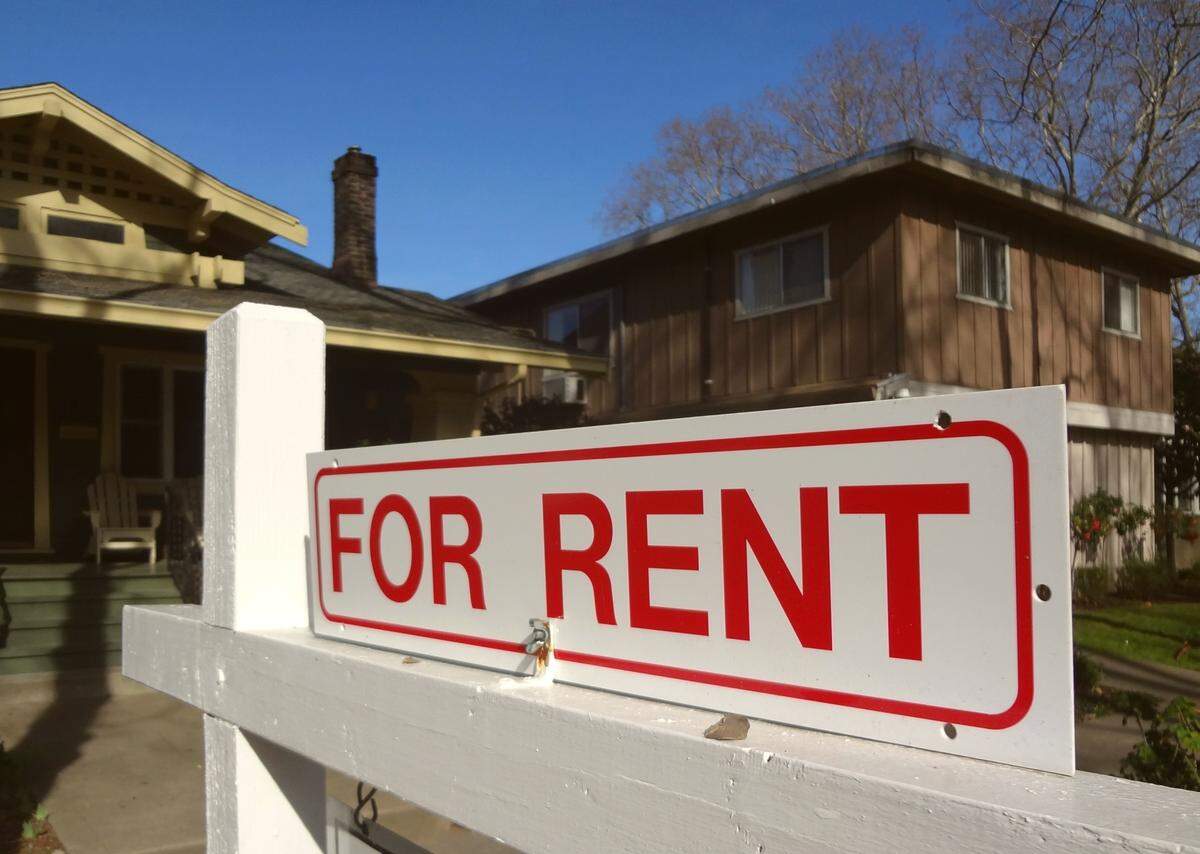
What US cities have most affordable apartments? Most expensive?
According to RentCafe, the U.S. city with the most affordable apartments was Wichita, Kansas, where paying $1,500 in monthly rent got you an average of 1,320 square feet in 2025.
In comparison, you could rent 1,359 square feet of space in Wichita for the same amount in 2024, the Tri-Cities Herald previously reported.
In Toledo, Ohio, apartment hunters could get 1,268 square feet of space for $1,500 per month in 2025, the study found.
Paying $1,500 a month in rent in McAllen, Texas, will get you nearly 1,400 space on average — the equivalent of a “spacious four-bedroom rental,” RentCafe said.
In 2025, you could get the least amount of space for $1,500 in monthly rent in Manhattan, New York: just 216 square feet, the apartment site said.
Manhattan renters got 228 square feet of space for the same amount in 2024, according to previous Tri-Cities Herald reporting.
In Boston, Los Angeles and San Francisco, renters can get less than 400 square feet on average for $1,500 per month in 2025, according to RentCafe. That’s about the size of a studio or one-bedroom apartment.
How much space does $1,500 in rent get in Washington state?
In much of Western Washington, you can expect to get less than 800 square feet of space on average for $1,500 in monthly rent, RentCafe said.
In Seattle and Bellevue, you’ll get less than 500 square feet for that amount, according to the study.
East of the Cascades, your likelihood of finding affordable rentals increases.
In Vancouver, you can rent an average of 784 square feet of space for $1,500 a month, RentCafe said, while you’ll get 932 square feet for the same monthly rent in Spokane.
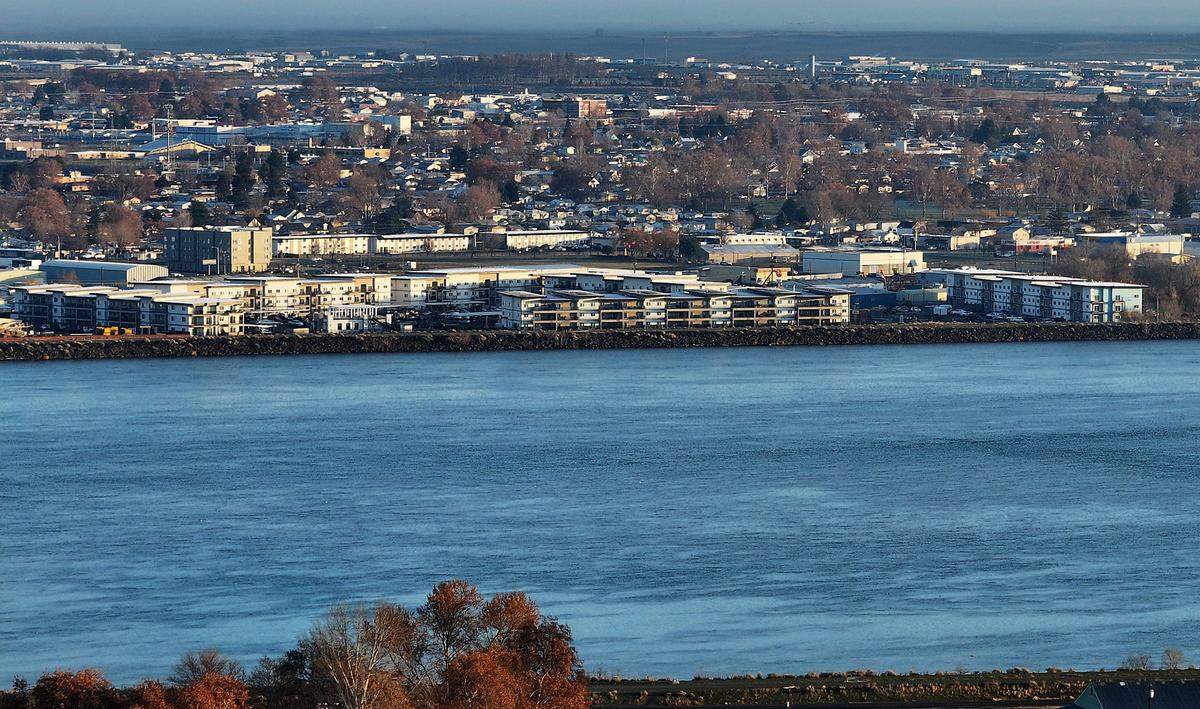
How big of an apartment can I rent for $1,500 in Tri-Cities?
Renters in the Tri-Cities area can finds apartments with more than 800 square feet in space for $1,500 a month, RentCafe told the Tri-City Herald.
According to the apartment website, here’s how much bang you’ll get for your buck:
- Pasco: 836 square feet for $1,500 in monthly rent
- Richland: 844 square feet
- Kennewick: 884 square feet
College towns near Spokane offer even better bargains.
According to RentCafe, you can rent 944 square feet on average in Pullman for $1,500 a month, or pay the same amount for an average of 1,029 square feet in Cheney.
The Eastern Washington city offering the most space for $1,500 in monthly rent was Yakima, with 1,036 square feet available on average, RentCafe said.
That’s about the size of a two-bedroom apartment.
Compared to 2024, the average amount of space you can rent for $1,500 per month decreased by about 40 square feet on averag in Richland and Kennewick and more than 100 sqare feet in Pasco and Yakima, according to RentCafe.
What’s the average monthly cost of rent in Kennewick? Richland?
According to RentCafe, the average cost of renting an apartment in the United States was $1,749 per month in 2025.
That’s an increase of nearly $60 from 2024..
Based on data from Zillow Rentals, which offers market summaries by property type and city, here’s how much monthly rent costs for apartments and condos in Tri-Cities locations:
How did RentCafe come up with its findings?
To determine how much apartment space $1,500 buys in the United States in 2025, RentCafe said it analyzed data sourced from various government or trusted third-party databases, including the U.S. Census Bureau.
This story was originally published July 31, 2025 at 5:00 AM.