
A local’s guide on when to plant vegetables in Tri-Cities this year
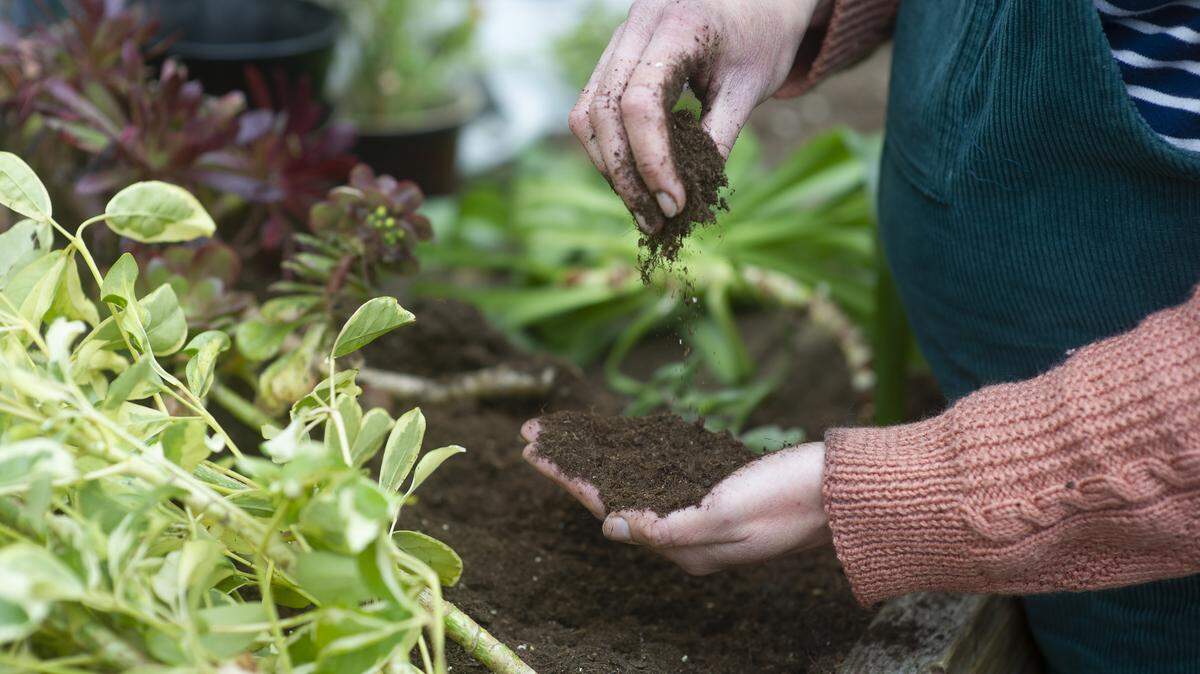
The cool and clear mornings, warming daytime temperatures and the ever-increasing sunshine in the Inland Northwest are triggering excitement in Tri-City gardeners.
However, home horticulture enthusiasts warn that timing and temperature are everything. For both veteran green thumbs and budding gardeners, understanding your soil’s “sweet spot” can be the difference between a bumper harvest and a disappointing yield.
Here is some guidance that pairs estimated planting dates with optimum soil temperatures, in Fahrenheit, for the favorite vegetables grown in our region.
Science behind successful planting
Before seeds can burst into life, the soil must be just right. Soil temperature not only influences germination rates but also affects nutrient uptake and overall plant vigor. In the Inland Northwest microclimates can vary from the north-facing hillsides to sun-drenched valleys and south-facing side slopes.
It is crucial to know when your garden soil is warm enough or still in its winter chill. Use a reliable soil thermometer to measure the temperature six inches deep to verify that your garden meets the ideal conditions before sowing.
For cool-season plants, lower soil temperatures can be an asset. Vegetables like peas, beans, lettuce, arugula, and spinach are best planted as soon as the soil becomes workable — that is, once it reaches the minimum temperature needed for healthy seed germination.
In contrast, warm-season crops like tomatoes, peppers, zucchini and cucumbers, require you to wait until the soil warms and the threat of frost recedes before transplanting seedlings and sprouts outdoors. If you plant too soon, the plants may not grow well and produce abundant flowers and fruit later in the summer.
Plant-specific guide for the region
Here is a quick reference table summarizing some of the key vegetables, their optimum soil temperatures, and their estimated planting dates for the Pacific Northwest:
The Greencast Online Syngenta soil temperature map is an excellent resource to help you make planting decisions.
Map Legend
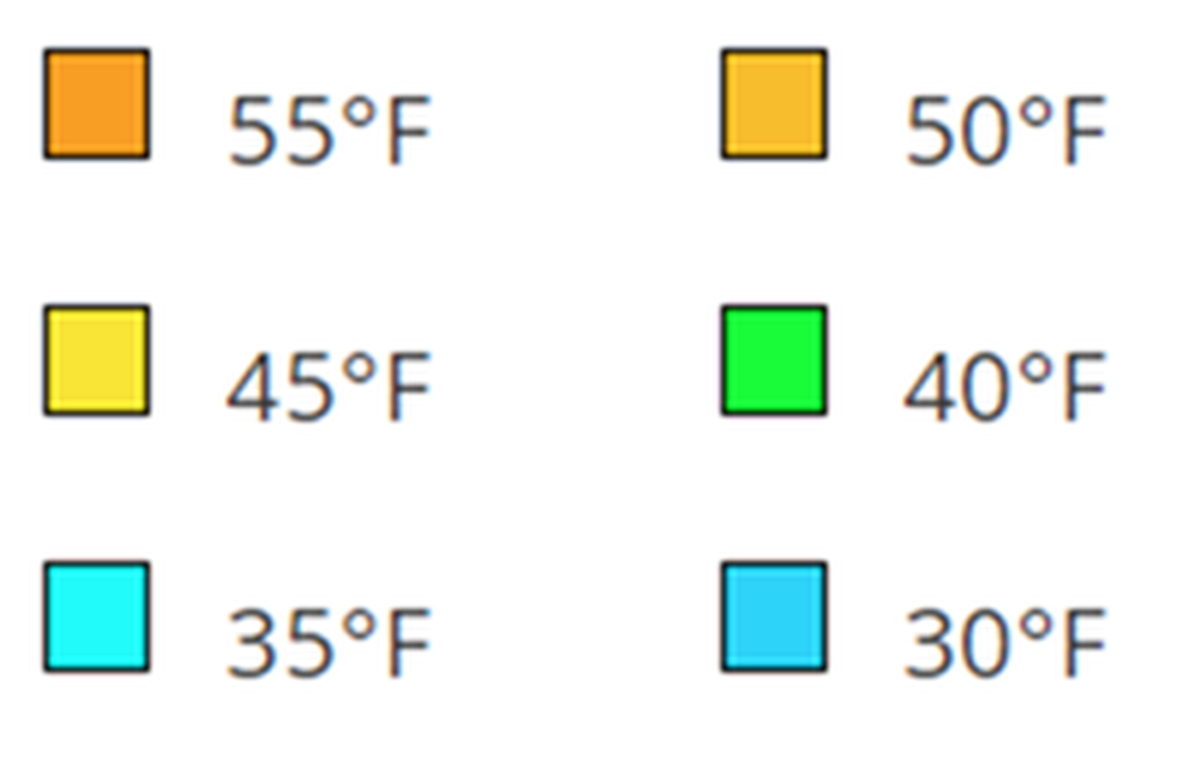
Soil temperature map for Tri-Cities region as of April 14, 2025.
Long-term forecasts and drought indexes
The National Weather Service long range forecasts are predicting average temperatures and precipitation for the region for the next month to three months.
An area east of Puget Sound along the Cascade Range is the only portion of the Pacific Northwest predicted to experience abnormally dry to moderate drought conditions for the next six months, according to the U.S. Drought Monitor, produced by the Western Regional Climate Center.
Legend
The Washington State Department of Ecology has declared a drought emergency for large areas of Washington State, with particular emphasis on the Yakima watershed into Benton County and Tri-Cities.
However, University of Washington Meteorology Department Professor Cliff Mass recently presented evidence indicating that this drought declaration is unwarranted and in error. You can look at the data and make up your own mind.
Cliff Mass Weather Blog: Is There Really A Drought Emergency in Washington State?
Gardening tips
Monitor Your Soil: Regularly check soil temperatures with a reliable thermometer. Early spring fluctuations mean that a day’s warmth can make a big difference.
Use Protection: If your soil temperature is borderline, consider using row covers or cloches to warm the soil gently.
Plan for Success: Embrace succession planting. For example, radishes and lettuce can be seeded every few weeks for a steady crop throughout spring.
Armed with the right knowledge about when to plant and the perfect soil temperatures to aim for, you stand to enjoy a thriving vegetable garden that meets your table’s demands while celebrating the beauty of our unique regional climate.
Happy gardening, and may your soil always be just right for a bountiful harvest!