
‘Snowy’ visitors from the north create spectacle for Highway 12 drivers
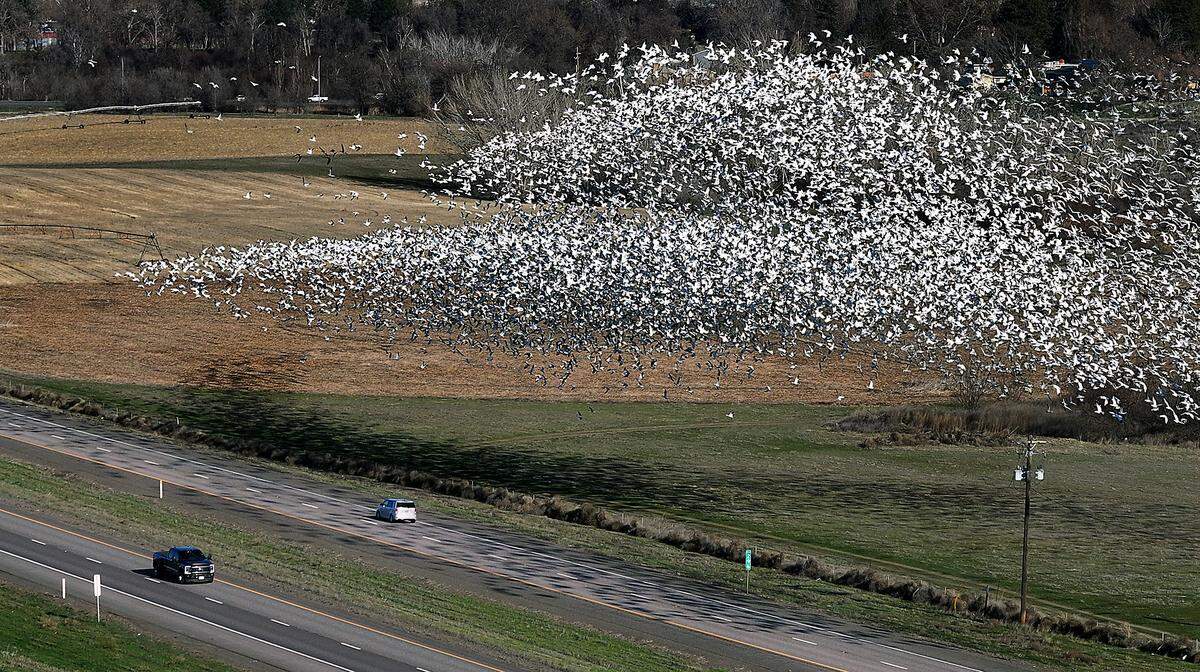
A large group of annual waterfowl visitors to the Tri-Cities have been creating quite a sight recently for passing drivers on Highway 12 in the Burbank area.
Thousands of bright white and black migrating snow geese are easily spotted on the fields and in the sky over the 15,000-acre McNary Wildlife National Refuge near Pasco.
The best time to see them is at sunrise when they head to feed in nearby fields and at sunset when they return to roost.
The refuge extends along the east bank of the Columbia River in Southeast Washington, from the confluence of the Snake River to the mouth of the Walla Walla River and downstream into Oregon.
The refuge is a popular spot for bird watching, photographing wildlife and for hunting and fishing.
The McNary Environmental Education Center’s Quail trail is a 2.5-mile interpretive trail that is hard-surfaced and accessible to wheelchairs.
The snow geese do not complete their migration without stopping. In fact, the birds make long stopovers at regularly used staging grounds, according the Birdfact website.
The colonial nesters undertake a lengthy migration from their northern breeding grounds in Alaska and Canada to their overwintering grounds in the United States and Mexico each fall before returning the following spring.
They are commonly seen in Washington state from October to April.
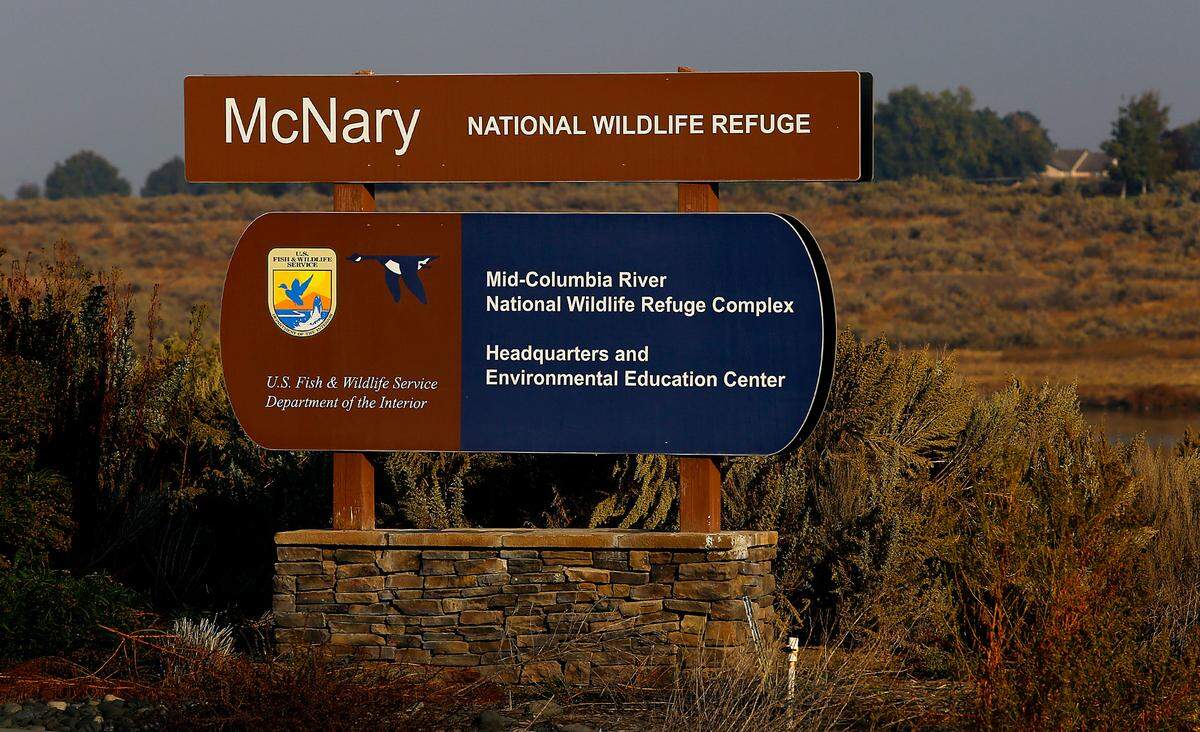
Public use areas of the refuge are open daily during daylight hours (sunrise to sunset), except as modified by fishing and hunting regulations.
The headquarters are open 8 a.m. to 4 p.m., Monday through Thursday, and 8 a.m. to 3:30 p.m. on Friday. The hours of operation for the Environmental Education Center are the same if staff and volunteers are available, according the refuge website.
For more information, reach the refuge office at 509-546-8300.