
Visiting or new to Tri-Cities, WA? This is the local slang and other terms you should know
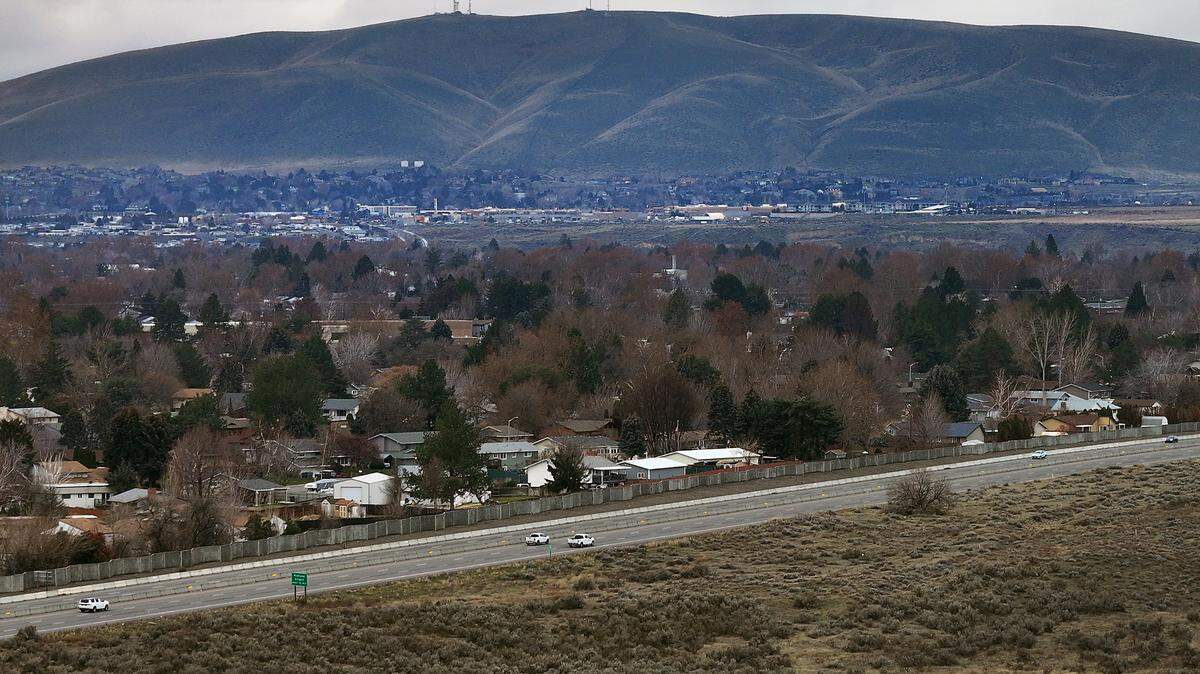
New places are often accompanied with new anxieties, whether you’re moving or just a first-time visitor.
It’s natural to want to fit in, to try and blend in with locals and fake it until you make it.
But local slang can be hard to pick up on, and most places don’t have reference guides for the names lifelong residents call neighborhood fixtures.
If you’re visiting or new to Tri-Cities, here’s some local slang you’ll want to know.
Tri-Cities basics
First off, it’s important to understand what the Tri-Cities is.
The name refers to the cities of Richland, Kennewick and Pasco. Since they are so close together, they’ve been bunched into one growing metropolitan area. After World War II the small town of West Richland had grown enough to incorporate as its own city in 1955, and technically, the fourth city of Tri-Cities.
Today the Tri-Cities encompasses those four cities across Benton and Franklin counties, with three port districts and four school districts, including schools for the unincorporated community of Finley. Schools in West Richland are part of the Richland School District.
Nearby Prosser and Benton City are part of the metropolitan statistical area, but not the Tri-Cities proper.
Tri-Citians are served by many bi-county agencies, including the Ben Franklin Transit system.
Tri-Cities slang
A lot of the slang in Tri-Cities is just shortened proper names, but without context may be misleading or confusing.
For example, you might think “the Uptown” is a neighborhood, like in many big cities. Instead, it’s the shorthand for the Uptown Shopping Center, a large strip mall just off the highway coming into Richland.
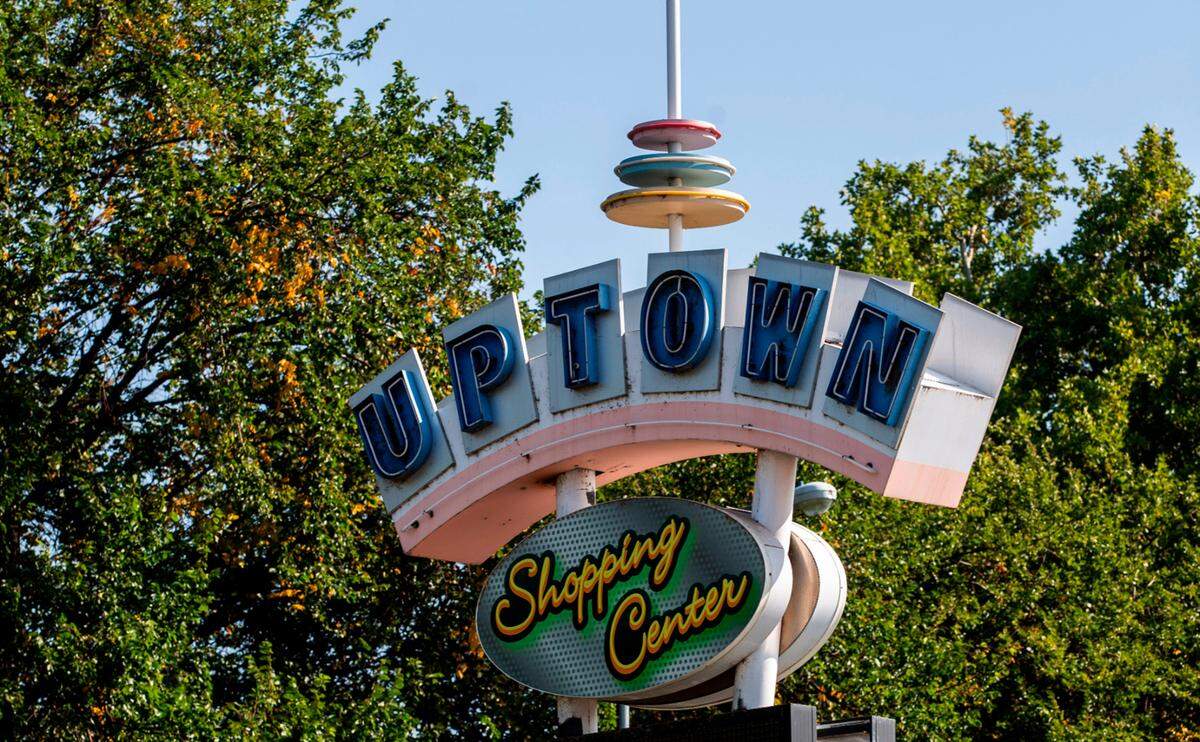
The popular shopping center features a handful of local favorites, including Adventures Underground and its Caterpillar Cafe, The Octopus’ Garden and several antique shops. There are also numerous places to get food, like Kagen Coffee & Crepes, Some Bagels and Family Garden, as well as bars like Lee’s Tahitian and Daisy Ranch Saloon, and venues like the Uptown Theatre.
Local music havens The Emerald of Siam (affectionately referred to as “The Em”) and Ray’s Golden Lion are also located in the Uptown Shopping Center, operating as restaurants, bars and venues.
That’s just the tip of the iceberg for the shopping center between George Washington Way and Jadwin Avenue in Richland.
Speaking of George Washington Way, that’s the street locals are referring to when they say “G Way.” Similarly, CCB stands for Columbia Center Boulevard.
Local mountain hikes are also referred to in shorthand, as “Badger” and “Candy” instead of Badger Mountain or Candy Mountain.
Another important local nickname is “The Fingernail,” which has become an official name of sorts for the large cone-like stage at Howard Amon Park. Shaped like a giant fingernail, it’s been a staple in Tri-Cities since the ‘60s.
Tri-Cities history
Some things you’ll learn in Tri-Cities aren’t necessarily slang, but come with context that makes all the difference.
Of course, the best example of this is all of the references to our nuclear history. The Hanford Project’s history impacted the whole area, from the cities’ layout and architecture to the local culture for decades to come.
Atomic themes are abundant across Tri-Cities, from business names like Atomic Bowl to high school mascots like the Richland Bombers.
The local history is evident in street names, as well. Bombing Range Road really was once an actual bombing range.
This nuclear history provides context for the Alphabet Homes as well. Built quickly to accommodate the rapid growth of the area, easy-to-repeat home models were used, each identified by its given letter. Hundreds of such houses are still around today.
Many Tri-Citians work at the Hanford site today, too. It’s often called “the area” by employees.
Washington slang
Some slang you hear might not be specific to Tri-Cities, but Washington state as a whole.
If you’re not from Washington, you may not be familiar with the in-state rivalry between the University of Washington and Washington State University. The shorthand for these schools is “U-dub” and “wazzu,” respectively.
There’s also the divide between eastern and western Washington. Rather than a split down the middle of the state following compass points, in Washington state, east versus west is determined by the Cascade Mountains. The corner of Washington that falls west of the mountain range is western Washington, and the rest is technically eastern Washington.
You can get more specific with areas like southwest and central Washington, but most of the time, Washingtonians are splitting the state in two.
While not slang, newer residents often need to be told or reminded about Vancouver, Washington, near the state’s border to Oregon, separate from Vancouver, British Columbia, Canada.
What other Tri-Cities slang should we include? Let us know here: