Trump cancels hundreds of WA refugee flights. How this nonprofit plans to respond
In a series of sweeping new immigration policies, President Donald Trump signed an executive order on his first day in office that suspends refugee admissions and resettlement in the U.S. effective Jan. 27.
That means nearly 230 refugees expected to arrive in Tri-Cities next week and in the coming months had their flights canceled. The last group to arrive landed in Pasco on Wednesday night.
The rest will remain living, and waiting, in refugee camps in foreign countries — likely the majority of them Ukrainians fleeing the war and Latin Americans.
Now, the team of 31 multilingual employees with World Relief Tri-Cities and its 40 volunteers who help resettle local refugees will need to pivot.
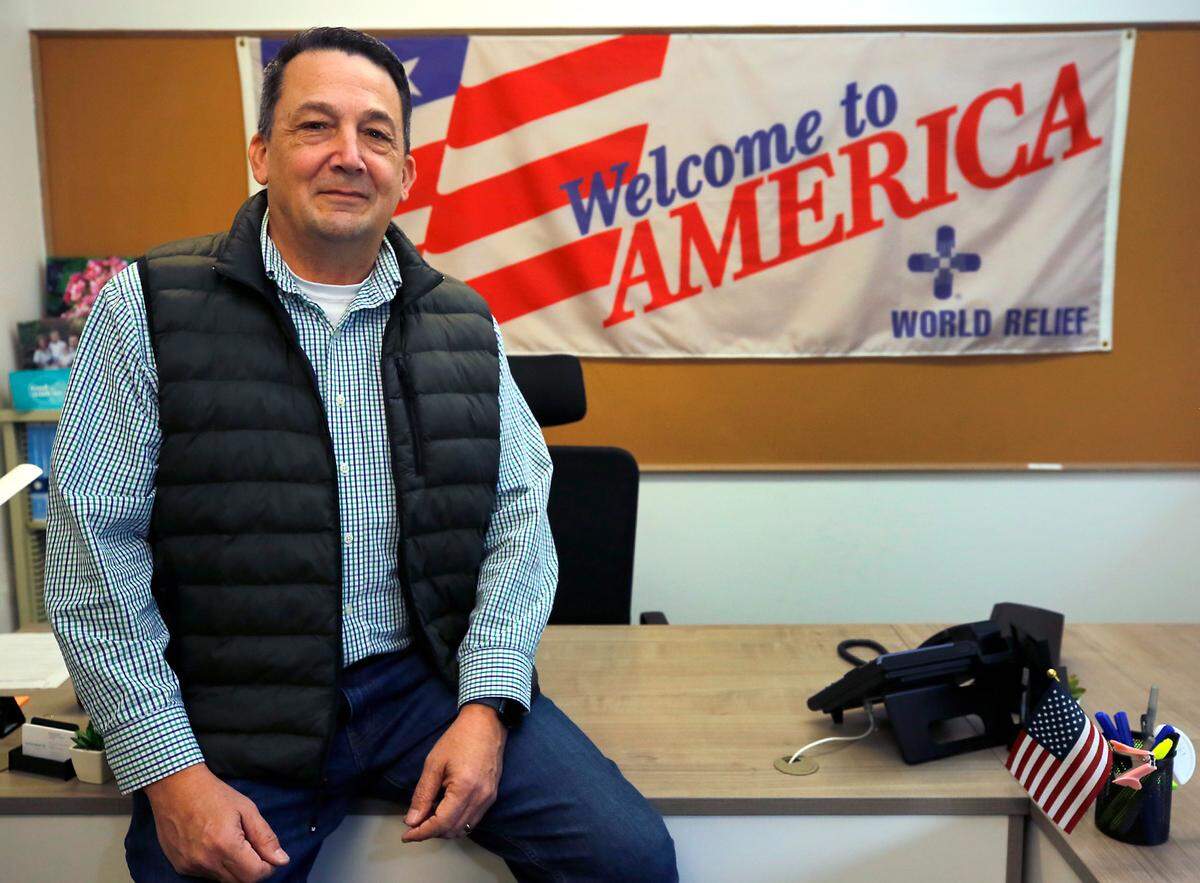
Director Ken Primus said he sees the changes under Trump as a “new opportunity.”
WA refugee resettlement
Refugee resettlement agencies across the country — organizations that welcome refugees upon their arrival to the U.S. — have been bracing for months for a ban or severe limit on the number of refugee admissions.
Refugees are legal immigrants forced to flee their country because of persecution, war or violence.
Officials say they are the most vetted people admitted to the U.S. Refugees entering the U.S. spend years completing extensive background checks, interviews and health screenings.
World Relief — with offices in Tri-Cities, Olympia, Bellingham, Spokane and Seattle — is a global Christian humanitarian organization with a mission to mobilize local churches to support refugees and other immigrants.
It partners with the U.S. Department of State Bureau of Population, Refugees and Migration and the Department of Health and Human Services Office of Refugee Resettlement.
The United Nations High Commissioner for Refugees (UNHCR) determines if a person fits the definition of a refugee and whether to refer them to the U.S. or to another country where they would resettle. Less than than 1% of refugees worldwide are ever considered for resettlement.
Washington historically ranks as one of the top 10 states for refugee resettlement, bringing in about 2,800 refugees from October 2023 to June 2024, according to data from UNHCR.
World Relief Tri-Cities in Richland is Southeast Washington’s only refugee resettlement agency.
It has helped nearly 1,900 people resettle in Tri-Cities from 2019 to 2024. About 1,100 of them are Ukrainians.
So far, a third of the 360 refugees expected to arrive in Tri-Cities during the current fiscal year — October 2024 to June 2025 — have arrived in Eastern Washington.
Preparing for a significant drop in incoming refugees under the Trump administration, World Relief Tri-Cities is shifting its programs and services to meet the needs of immigrants already living, working and going to school in Tri-Cities.
Who are the refugees
The United Nations reports that 73% of refugees worldwide are from five countries: Afghanistan, Syria, Venezuela, Ukraine and Sudan.
Since 2019, World Relief Tri-Cities has seen the greatest number of refugees come from Ukraine, Syria, Afghanistan, Guatemala and Colombia.
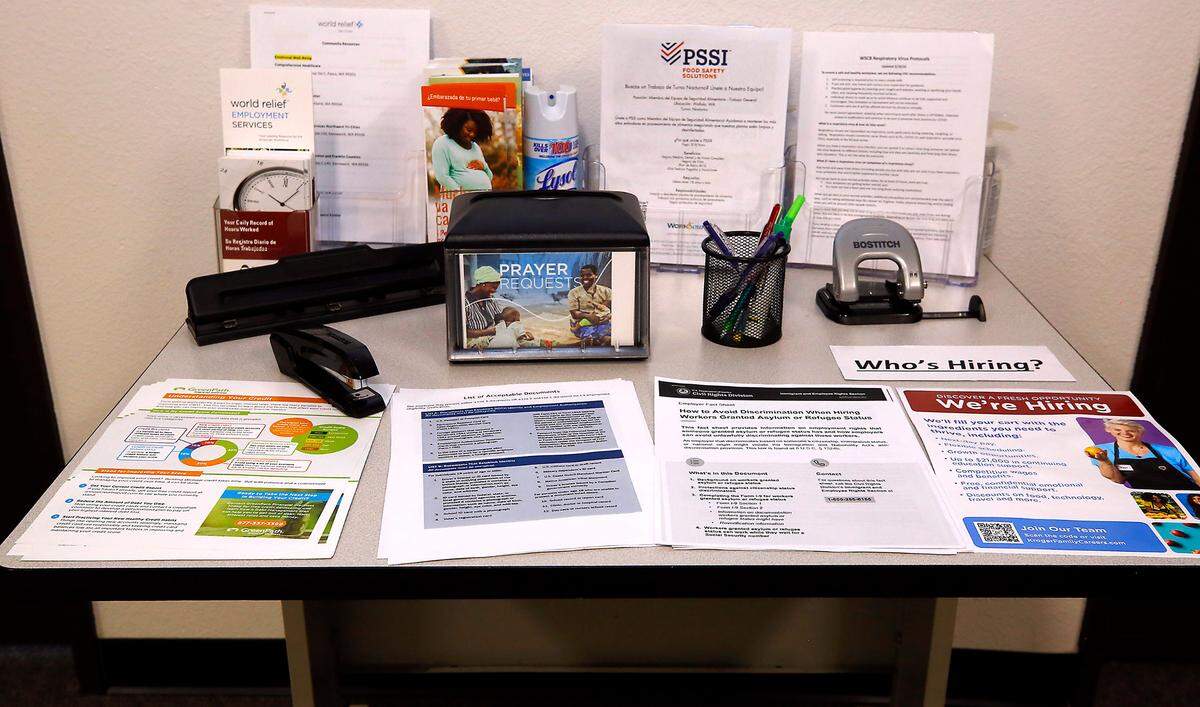
World Relief staff determines the job skills of each refugee and helps them find a place to work.
The organization regularly matches refugees with packing and food processors like Tyson Foods and Lamb Weston, hotel chains and assisted living centers.
“We see professors, doctors, lawyers and engineers coming here as refugees,” Primus said.
“We also see folks who were shepherds or were living in a refugee camp for the last eight to 10 years where there was no employment.”
A new employment class would teach refugees about entrepreneurship and how to apply for microloans to create their own small businesses.
“The biggest hurdle for refugees to overcome is economic opportunity,” Primus said. “We get them started with English classes and employment classes where we help them build a resume and prep for interviews.”
Families left behind
Five families, including 15 people, from Myanmar, Afghanistan and Rwanda were scheduled on flights that would have arrived in Tri-Cities in late January and early February.
Some were family members planning to reunite after many years with Myint Myint Sein, World Relief’s resettlement coordinator, fleeing conflict and violence in Myanmar.
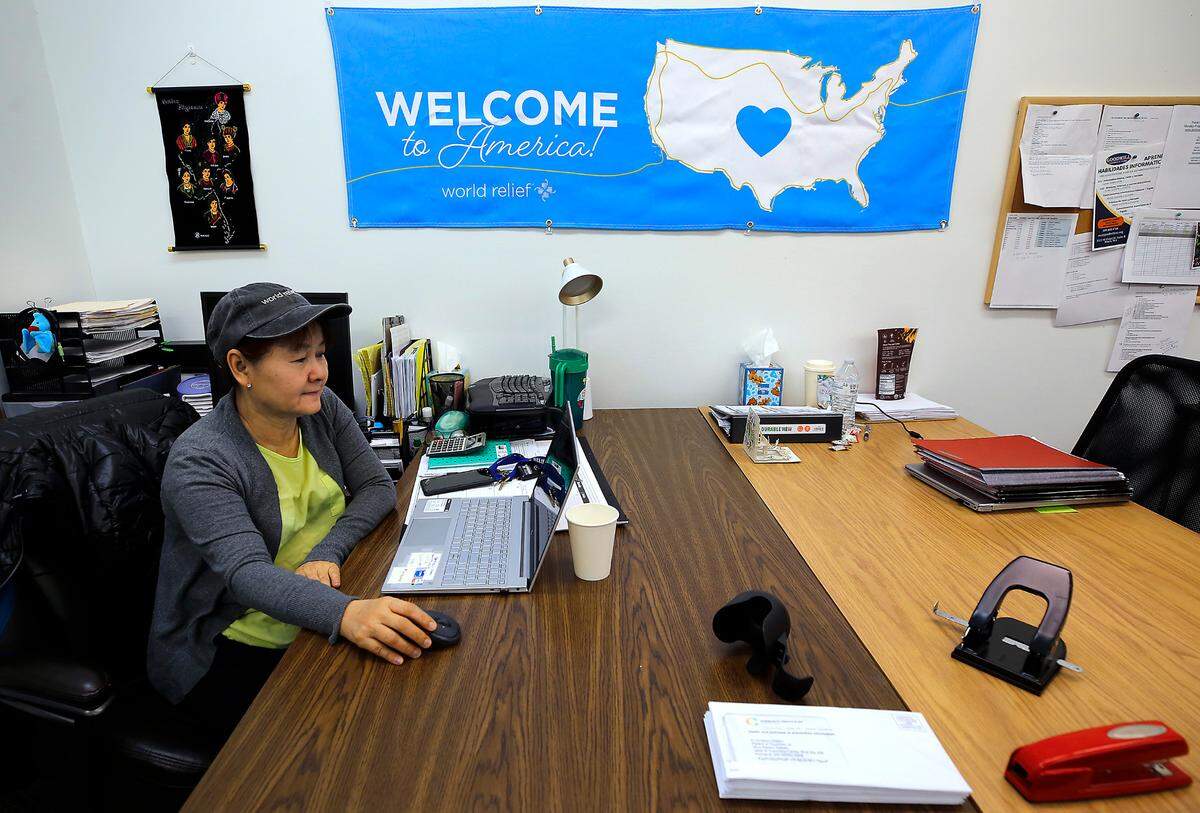
Primus told the Herald that their flights have been canceled and they remain in refugee camps, along with around 215 other refugees matched with World Relief Tri-Cities this fiscal year.
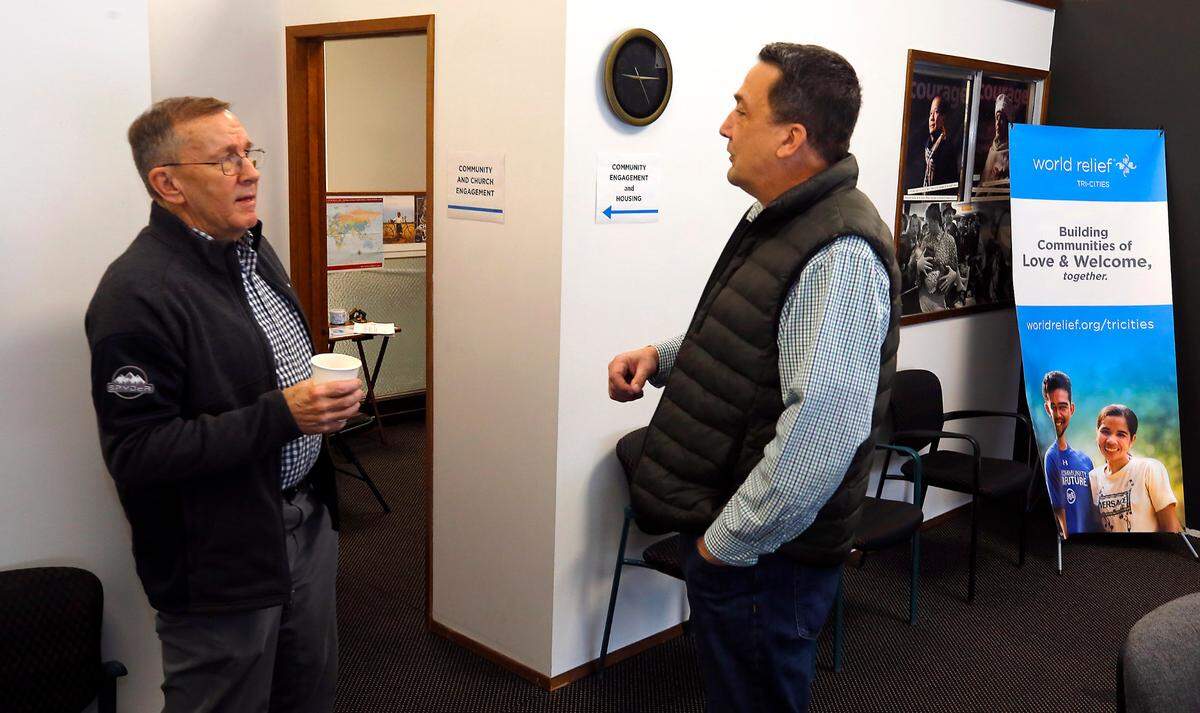
“We’re ready for them, but we’re not expecting them to come,” Primus said. “The expectation is that the executive order would cancel flights and suspend the refugee resettlement program. The question is for how long.”
Trump’s executive order instructs the Secretary of Homeland Security, in consultation with the Secretary of State, to advise the president within three months whether refugee resettlement should resume.
Data from the U.S. Refugee Admissions Program shows that under President Joe Biden, 197,000 refugees were admitted to the U.S. in fiscal years 2022-24, compared to 118,000 during Trump’s first term.
Primus said that refugees continued to arrive in Tri-Cities during Trump’s previous administration, but at the rate of about 10% of the number of arrivals seen in the last four years.
Refugees come to the U.S. legally and apply to become lawful permanent residents (green card holders) after one year in the U.S. Five years later, they can apply to become U.S. citizens.
Plan to pivot
Primus’ team provides housing for refugees, enrolls children in local schools and adults into English language classes, helps find jobs, offers legal services and educational classes, and connects refugees with healthcare.
“We still believe that there is a mission for World Relief here, even with fewer refugees coming,” he told the Herald. “There are still more than enough vulnerable people in the Tri-Cities.”
The organization may pivot to serve the needs of local asylum seekers and undocumented immigrants.
But it could take more than a year for World Relief to receive funding to hire and train staff to help those individuals.
The organization also is preparing to provide more immigration legal services and expand workshops offered through the state’s PRIME program, which helps integrate refugees during their first five years in Tri-Cities.
The workshops are led by staff members and guest speakers. Refugees learn about topics like banking and finance, insurance options, health, tenant rights and worker rights.
“There are a lot of little things involved in becoming an American and learning how this country operates,” Primus said.
Staffing and funding challenges
There have been no layoffs yet at World Relief Tri-Cities, but Primus said the organization is preparing to downsize. Two employees recently left and there is no immediate plan to fill those positions.
About half of the organization’s current staff members are former refugees.
The resettlement team at World Relief Tri-Cities grew during the last four years to accommodate more incoming refugees. Primus said that when fewer refugees arrive, those staff members will be assigned other work.
“We’re finding new funding streams, new grants and new communities for those people to work with,” he said.
The organization’s 2024 operating budget was about $4 million.
State and federal grants provide over 95% of its funding. The remaining 5% comes from donations from local churches and individuals.
It costs about $8,800 to resettle a family of four in Tri-Cities during their first 90 days. That amount includes rent, furniture, household goods, utilities and spending money.
World Relief Tri-Cities receives $1,650 from the federal government for each refugee. The organization raises more than $500 in donations for each arrival.
Building a new life in Tri-Cities
Before arriving in the U.S., refugees are vetted by multiple law enforcement and government agencies over a process that takes at least two years.
The Department of Homeland Security’s Citizenship and Immigration Services branch is the principal agency responsible for checking refugee applicants.
Refugees arrive at the Tri-Cities Airport in Pasco after hours or days of travel, meet staff from World Relief Tri-Cities and are taken to a furnished apartment. On the first night, they are served a “culturally appropriate meal.”
In their first weeks, World Relief helps them enroll in state benefits, go to doctor appointments, start school or English classes and learn how to use Benton Franklin Transit. Staff and volunteers even take them shopping.
The organization initially provides 90 days of support as refugees settle in their new community, although it does provide help and resources for longer periods.
The intensive case management team provides additional resources for refugees with mental health issues, aging adults, single parents and people with special needs.
World Relief Tri-Cities also serves individuals granted humanitarian parole, like Ukrainians and Afghans, and with Special Immigrant Visas.
The organization currently is seeking donations of money, winter coats and household supplies for refugees’ apartments. There also are opportunities to volunteer. For more information, visit worldrelief.org/tricities.
This story was originally published January 24, 2025 at 9:59 AM.