
Richland got roasted for ripping sagebrush out of a park. What’s being done now?
Work crews return to W.E. Johnson Park in December, seven months after a Richland project meant to restore 10 acres of shrub steppe habitat — sagebrush — went awry.
The effort was well-intentioned, but conservation groups roasted the city in May, saying it failed to include them or their expertise when it designed the project.
The result, they said, was an ill-timed project that hurt rather than helped critical habitat for birds, mammals and other wildlife living along the Yakima River.
The city paused work to assess the situation.
After a lengthy outreach to its critics, it will restart work shortly after Thanksgiving.
“We’ve turned what was kind of a rough project into a really positive project and we’re excited to get that moving forward again,” Chris Waite, Richland’s parks and public facilities director, reported at a recent parks commission meeting. “You’ll see some activity out there soon.”
Waite, who joined Richland after the project began, acknowledged conservation groups with a stake in W.E. Johnson Park weren’t included at the outset.
The pause let the city consult with Tapteal Greenway, the Native Plant Society and other conservation groups, leading to a better plan.
“In spirit it was a very good project, but we missed an opportunity to communicate with stakeholders,” he told the volunteer commission
Waite said workers will return to the site to control weeds and that W.E. Johnson could become a test site for planting sagebrush, the anchor species for shrub steppe habitat.
The city will complete the work at W.E. Johnson but it is stepping away from carrying out mitigation work in the future. This fall, the city council agreed to let the independent Benton Conservation District handle future work.
Adam Fyall, president of Tapteal Greenway, was one of the city’s fiercest critics last spring. At the time, he was profoundly disappointed his group wasn’t consulted despite its three decades of working in W.E. Johnson.
The city got beat up, but, he acknowledged it listened.
“Everyone had a chance to vent,” he said. “Everybody’s on the same sheet of music now.”
The role of critic was an uncomfortable one, he added.
“Tapteal wants to help the city. It wants to be a partner,” he said.
Inspired by 2020 wildfires
Protecting shrub steppe is a fairly new concept.
The Washington Department of Fish and Wildlife pushed the state to protect unique habitat of the dry east side after devastating wildfires broke out in 2020 around Labor Day.
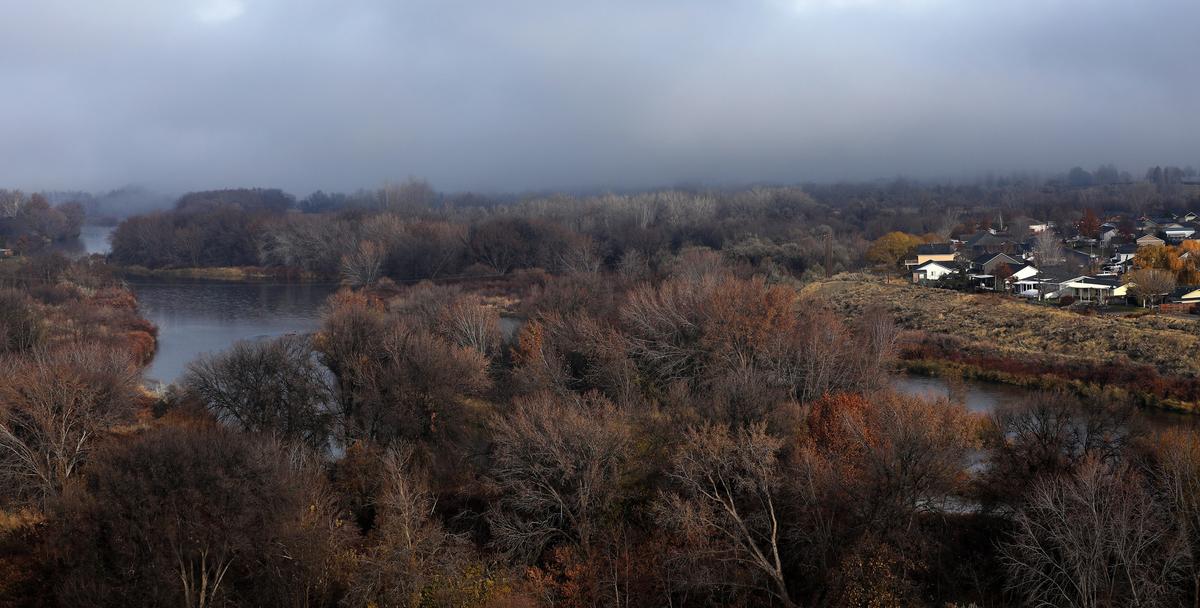
The Washington Shrubsteppe Restoration and Resiliency Initative aims to protect 10 million acres that support a variety of wildlife. Generally, if a development disturbs one acre of shrub steppe, it has to mitigate it by repairing two somewhere else.
Richland faced the requirement for the first time when West77 Partners of Nevada proposed building a 126-room LivAway Suites hotel on a bare site on Tapteal Drive, north of Columbia Center mall.
The $12 million project, which recently opened to guests, eliminated five acres of sagebrush. Under the two-to-one rule, 10 acres had to be fixed up elsewhere.
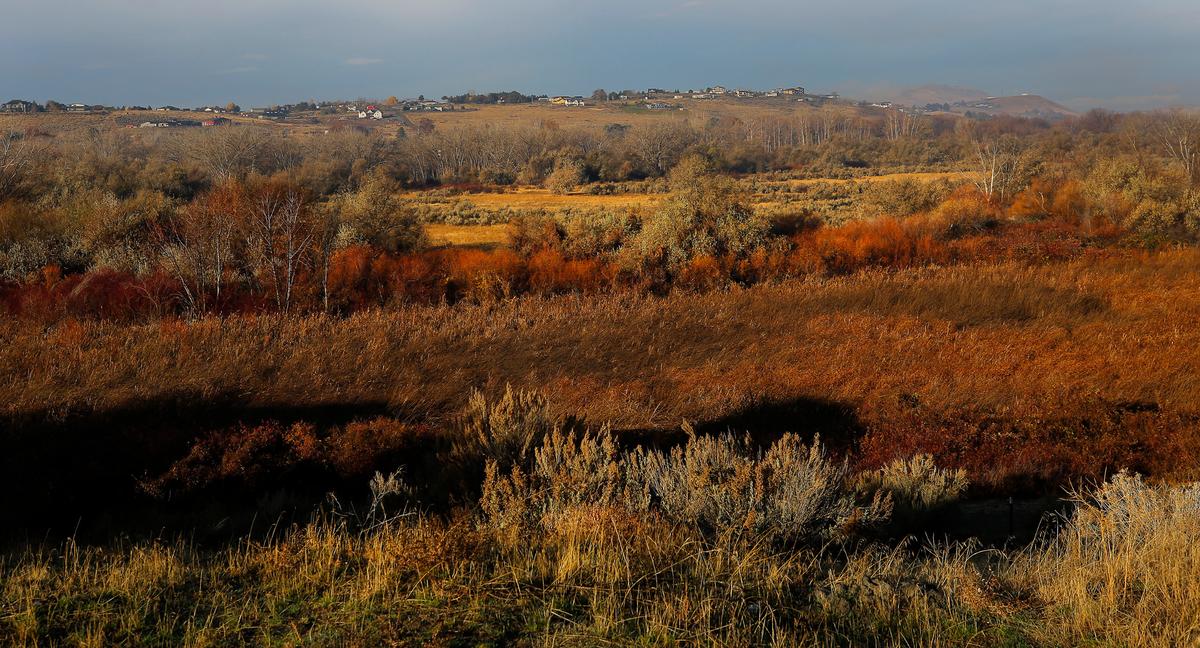
The city chose W.E. Johnson Park. The 236-acre park is the least developed in Richland and is primarily a natural area between the Yakima and the bypass highway.
The decision was made when the parks department was in transition. The former director left abruptly after a dustup over development plans targeting Les Groves Park and Waite hadn’t yet started.
It hired a contractor to tackle the site, which it considered in need of repair. Visitors detected its handiwork soon after — mowed ground, shredded sage brush, invasive weeds and construction tape attached to nearby trees.
They complained to the city council and took the Tri-City Herald on a tour of the area to see the situation first-hand.
Benton Conservation District
In the wake of W.E. Johnson, the city is taking itself out of the mitigation business. This fall, the city council agreed to turn the work over to the Benton Conservation District.
It is the fourth government agency to do so — the cities of Kennewick and Pasco and Franklin County have similar agreements with the Benton district and its Franklin counterpart, said Mark Nielson, who manages both.
The districts, which have no regulatory authority, were established in the 1940s and 1950s to work with private land owners on voluntary conservation projects. Its Heritage Gardens dot local areas — including W.E. Johnson.
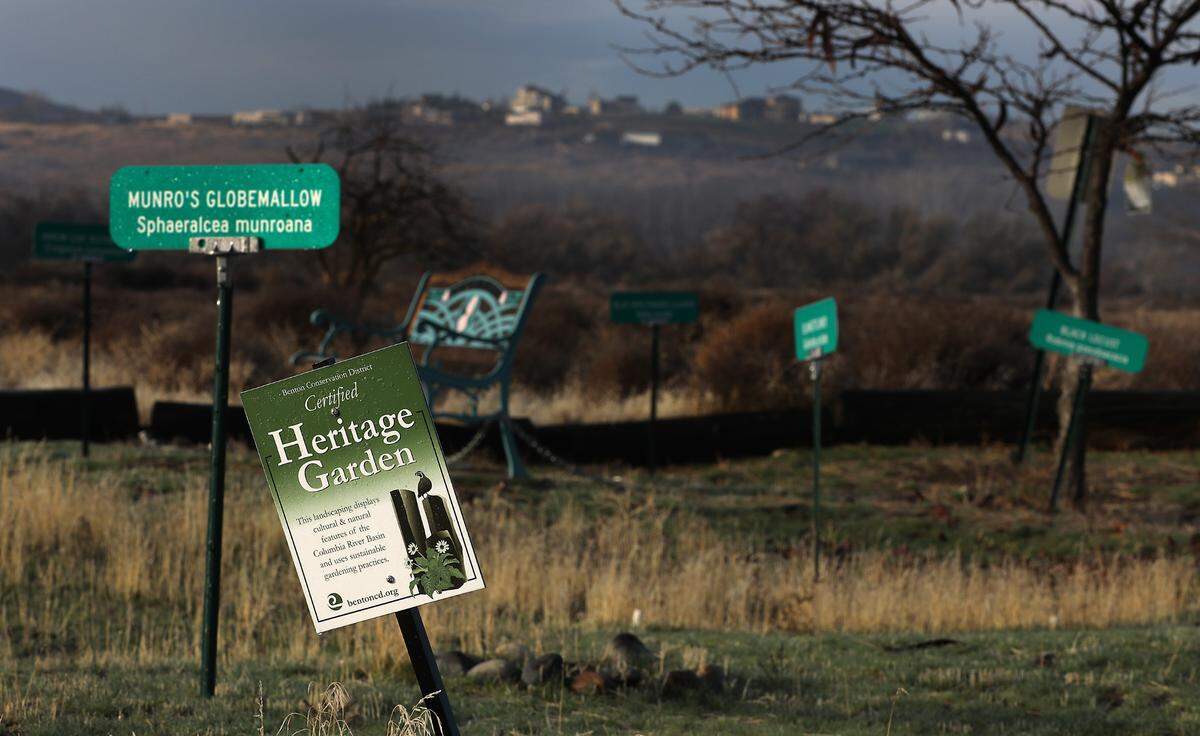
Its projects also include abating wind erosion on ag fields, restoring wildlife habitat and water quality work.
“If it’s a natural resource issue and a private landowner wants to do something, we are the one they work with,” Nielson said.
Nielson said the conservation districts are excited to partner with local governments to oversee mitigation projects. In Pasco, it anticipates developers in the emerging Broadmoor area will be required to mitigate damage in that area.
If a permitting agency — either a city or a county — decides a development needs to mitigate environmental damage, the developer has two options.
It can mitigate damage itself, or it can write a check to the conservation district to support its work. The district will confirm the developer has met the criteria.
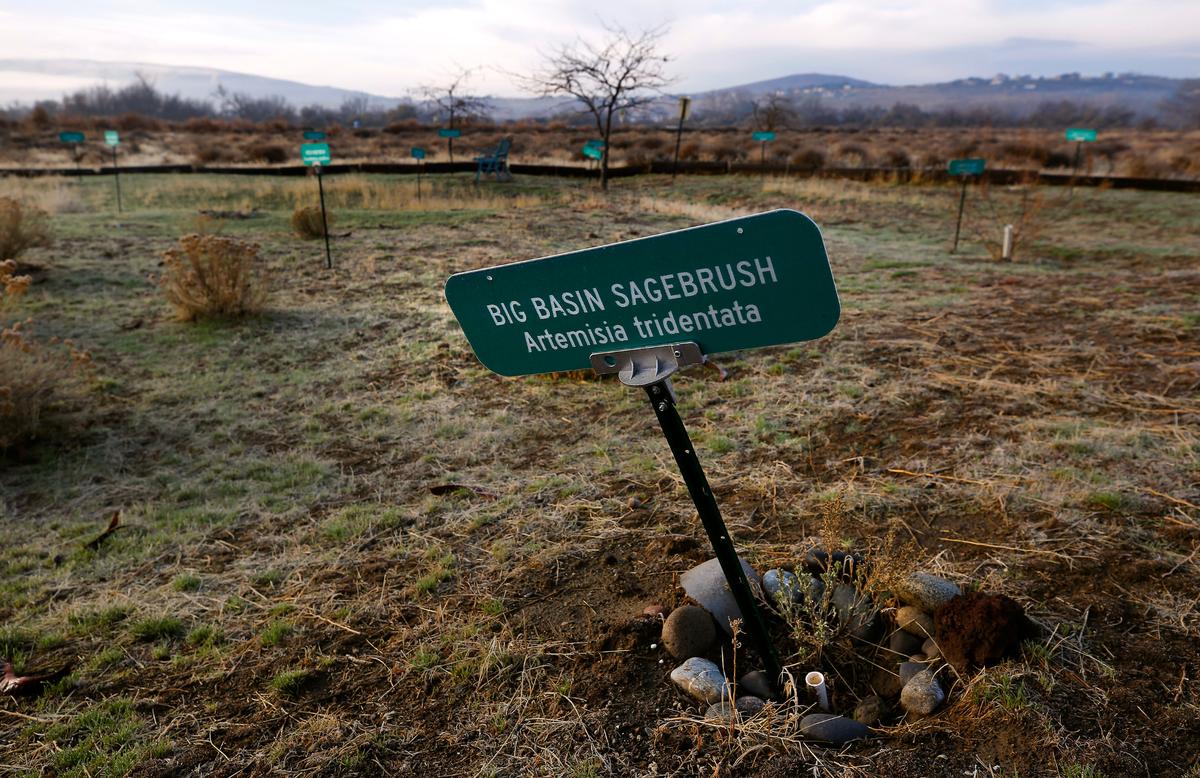
Nielson said it is building a list of projects that developers can pay into. Typically, that includes restoring damaged habitat, creating conservation easements or outright land purchases.
“It just fits very nicely with what we’re already doing,” he said.
As for W.E. Johnson, the Benton Conservation District isn’t part of the ongoing work.
“We will not have any involvement,” Nielson said.