Northwest pear crop will be the smallest in 40 years. Here’s what happened
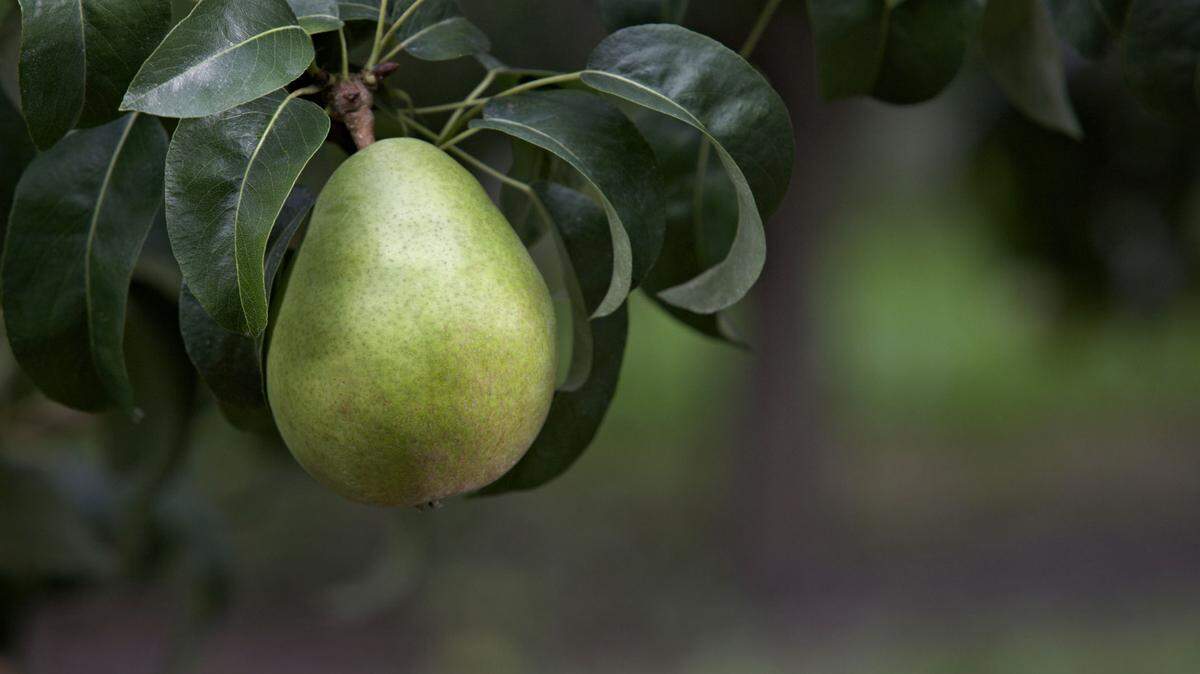
Fresh pears could be harder to find in grocery store aisles nationwide in the coming year.
Bad winter weather and a record-setting freeze in January hit hard in Washington and Oregon, damaging much of this year’s expected pear crop.
It will be the smallest U.S. pear crop in 40 years, projected Wednesday by the Washington State Tree Fruit Association.
Jim Morris, marketing communications manager at Pear Bureau Northwest, told the Tri-City Herald that there were two major factors leading to the dip.
Trees didn’t produce as many blossoms this year. Then the blossoms that developed were damaged or killed by ice and freezing temperatures.
The crop in the Wenatchee area was the hardest hit.
“After the freeze, as the pear grows, it gets this rust-colored ring called a russet,” Morris explained. “It’s a cosmetic issue.”
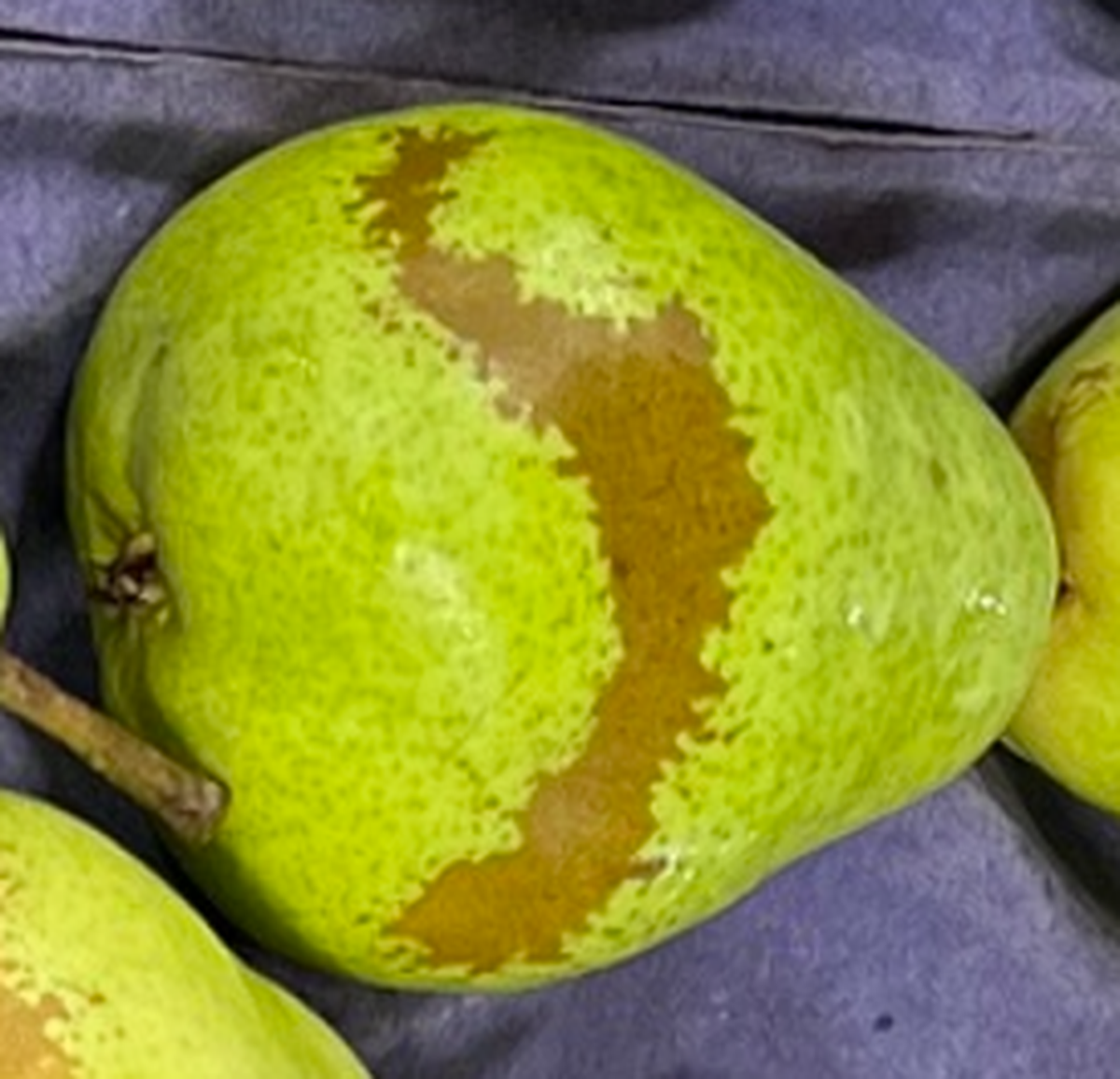
Customers should expect to see more pears with russetting than usual in stores. Morris said the flavor of the fruit is not affected.
Pacific Northwest pear growers produce over 80% of the nation’s pears. Total pear production in 2024 is estimated at 10.6 million boxes, down 31% from the five-year average.
Near the Tri-Cities, the fruit trees grow west of the town in mountainous areas where there’s volcanic soil and a pattern of cold nights and hot days.
Benton County has 207 acres of pears and Franklin County has 139 acres. Together, these counties account for a small percentage of Washington’s total pear production, which is 18,080 acres statewide.
The four growing regions in the Northwest are Wenatchee, Yakima and the Mid-Columbia in Washington state and in Medford, Ore.
Across all regions, harvest started in late-August for summer varieties like Starkrimson and Bartlett and is wrapping up now, with growers beginning to pick Bosc, green and red Anjou in early- to mid-September.
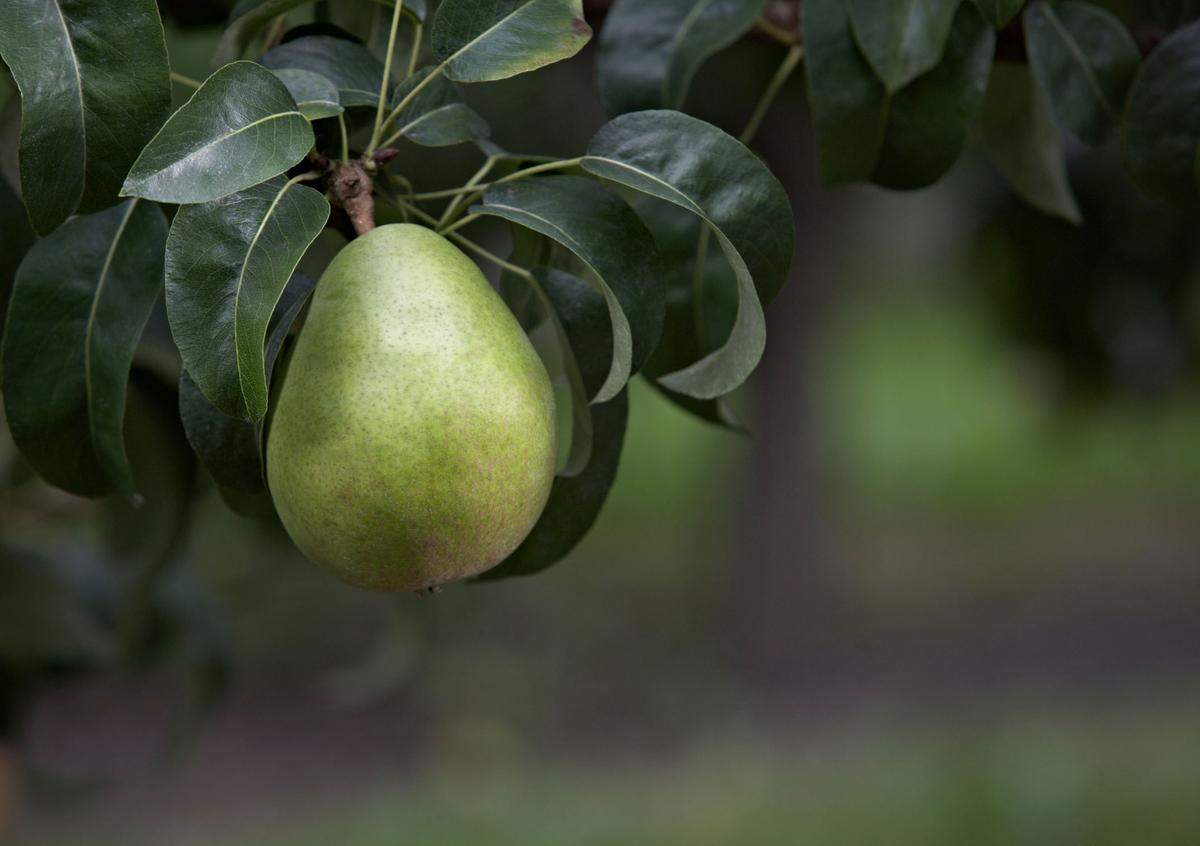
In stores, customers will first see California pears before the Northwest fruit become available. Green Anjou is the largest Northwest crop and available year-round.
Pears from Washington and Oregon are exported, with the largest amount going to Mexico and Canada.
This story was originally published September 19, 2024 at 5:00 AM.