‘Your addiction is stalking you.’ New Franklin County program is helping push back
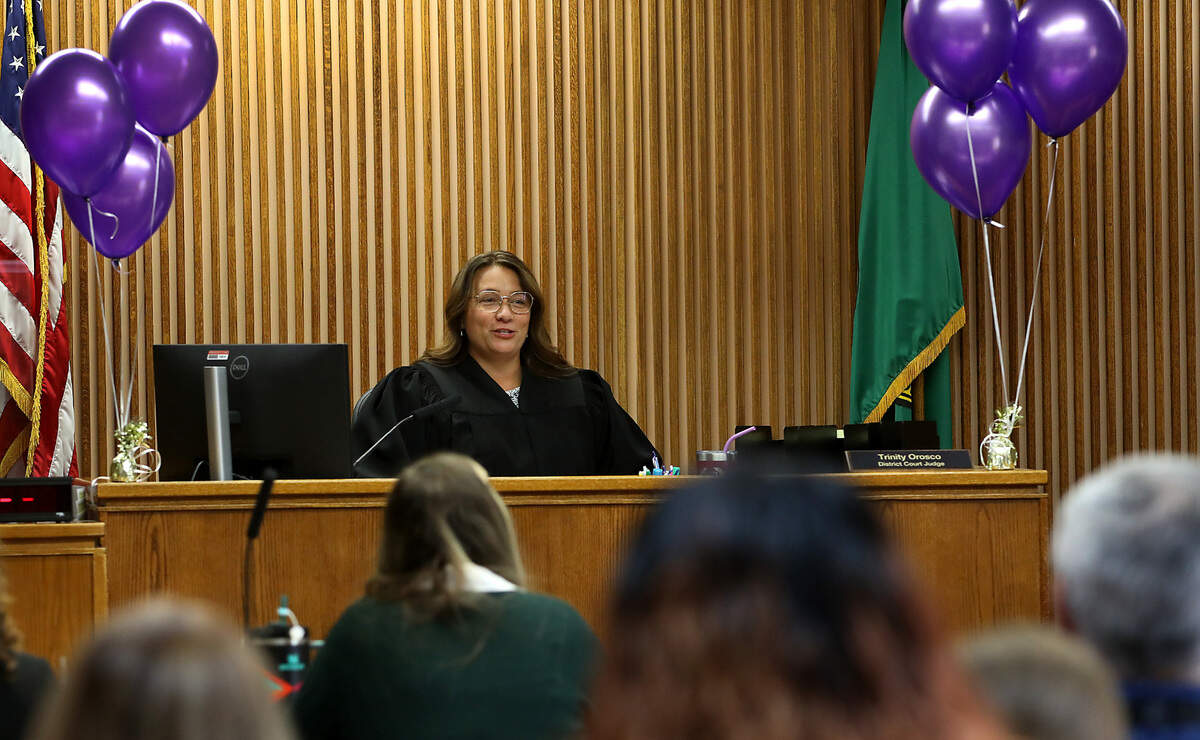
Two years ago when Judge Trinity Orosco was running for election to the Franklin County District Court, she said getting a therapeutic court up and running for the county was one of her biggest priorities. Last week signs of the new court program’s success was on full display.
Before she even won the election, she already grants in mind to help get the program started.
Last week her first cohort of defendants participating in the therapeutic courts for mental health and addiction issues came together to talk about the hard, but worthwhile road to a better life.
The court offers an extended program that focuses on recovery, while still holding defendants accountable.
The event was put together in recognition of International Recovery Month. Several speakers whose own lives had been impacted by addiction spoke to participants to offer encouragement. Franklin County Commissioner Steve Bauman also brought along his therapy service dog Barney.

After nearly a year in recovery court, one of the first participants decided to step up and show newer defendants that even though the program is difficult and forces you to be accountable, it can be life changing.
Orosco’s program is separate from the bi-county adult drug court program administered by Benton Franklin Superior Court Judge Joe Burrowes. Her program has had the side effect of more seats being freed up in Benton County.
‘A life I can be proud of’
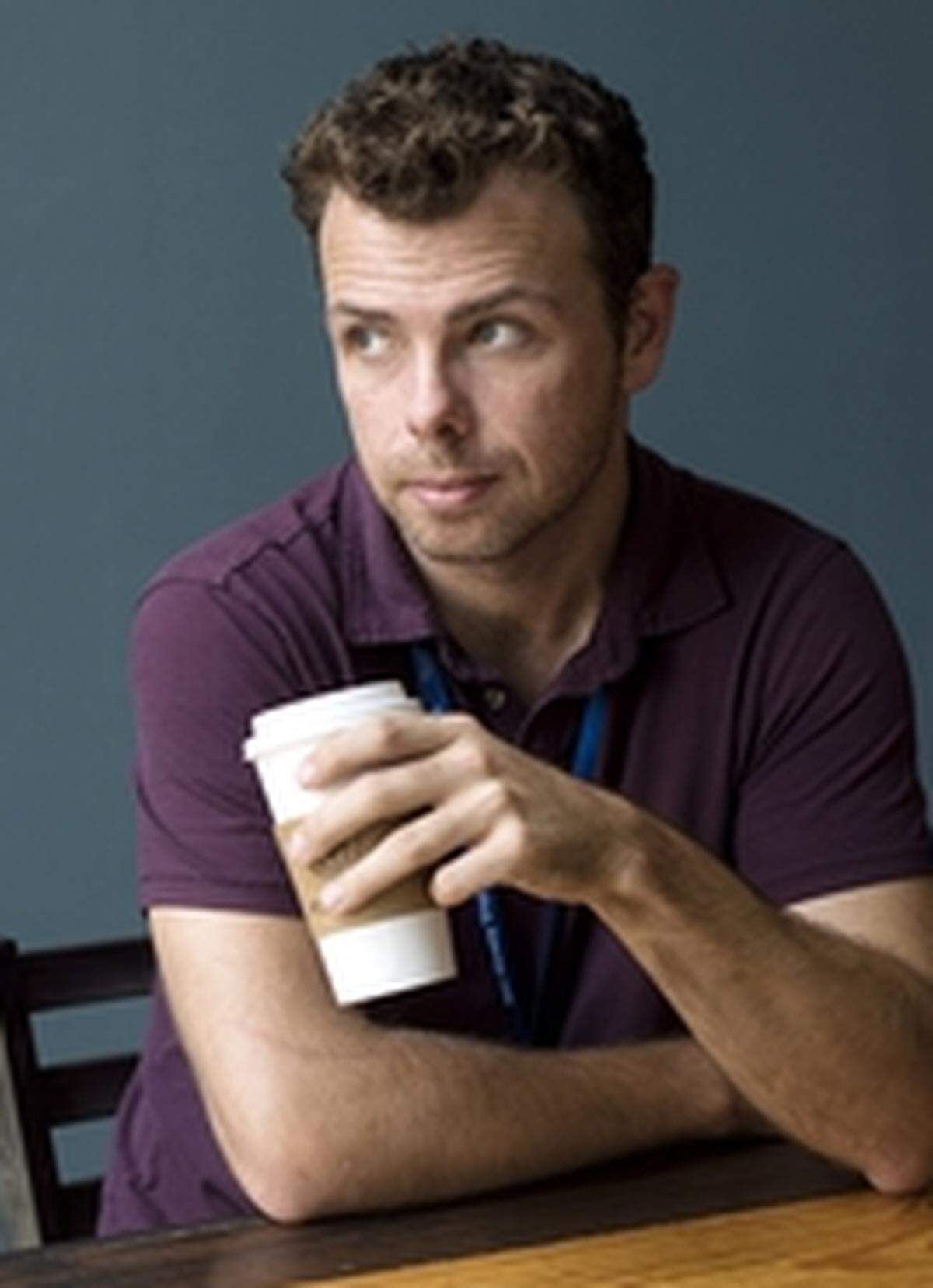
Dustin Sydnes, 38, of Pasco, was among the first participants in Orosco’s new therapeutic courts at the beginning of the year. This month he’s moved into phase four of the six-phase program, meaning he’s more than halfway to the finish line.
“It’s been challenging, but rewarding, as well,” Sydnes said. “It’s not for the faint of heart. Recovery is something that ... takes commitment and dedication. Your addiction is stalking you, every second of every day waiting for a chance to pounce, to put your guard down.”
Sydnes said that at first it’s just the program holding you accountable, but their goal is to get participants to the point where they begin holding themselves accountable.
“You have to be honest with them and with yourself, just because they trust you doesn’t mean they’re not fact checking,” he said. “I think it’s really a program of building better people. I do wholeheartedly believe that people who aren’t in addiction, this could make them better human beings too.”
Sydnes said that while the court is working to build participants up, that doesn’t mean they’re getting a slap on the wrist. He said the court staff is actually spending more time with defendants and looking closely at their progress.
Lying or getting in trouble has consequences. The difference, he said, is the program isn’t looking to just throw them back in a jail cell, they want participants to continue with the program after setbacks and accepting the punishment for violations.

He said the program isn’t just about getting right with the court, it involves therapy, going to recovery meetings, setting goals and learning life skills. He said those extra steps are already helping him learn to better manage his stressors.
“It’s going to allow me to live a life I can be proud of,” he said. “It’s going to just help me build my self image and put some clean time together.”
Those skills will translate into opportunities down the line. For Sydnes though, he’s focused on repaying the faith that’s been put in him since committing to his recovery journey. He said he has a good job that took a chance on him when a lot of places might not have.
“I don’t have a ton of lofty goals in my life,” he said. “I’m just taking it one day at a time, but for the right person it could be life changing.”
Sydnes goal was to help his fellow participants understand that if they commit to the program and recovery, it could lead to a life they didn’t think was possible.
“It’s shown me that I’m capable of much more than I thought that I was and I think that we all are,” he said. “It’ll change your life if you’re willing to put in the work. It’s worth it.”
It’s also helped Sydnes recognize his own worth. He said he’s started to understand that he is deserving of a good life and people who put their trust in him.
Working together
For Sydnes and the other participants, they are the primary driver of their own success. However, many people struggling with substance use disorder or mental health issues might not have the tools needed to succeed when they enter the program.
Orosco said the key to helping these participants find that success is a person-focused, collaborative approach led by their therapeutic courts coordinator Alyssa Pearce.
“There are always going to be growing pains, starting out was a challenge, but we thankfully had Dr. Pearce who kind of jumped in and took over,” Orosco said. “She came in and brought the program to life.”
Orosco said the hands-on leadership from Pearce is already showing in the progress the participants have made.
“She doesn’t just tell them to go find housing and get a job, she works with them and helps them learn how,” she said.
Pearce’s approach in the court is aimed toward figuring out what a participant’s barriers might be and teaching them how to overcome them.
“I want people to know that it works, we’re already showing a lot of progress,” Orosco said. “We brought (mental health and addiction) together because it’s really questionable about what comes first ... we’re really able to take that holistic approach to all the issues.”
“(Pearson) is really hands on and I think it’s shown in the progress of the people we’ve had,” Orosco said. “Yesterday we got to celebrate the win of an individual who got his driver’s license for the first time in his life.”
Orosco said that the program has become the best part of her week, letting her connect with and get to know the people coming through her court. It’s something she’s missed since moving from work as a defense attorney to the District Court bench.

She said that as great as it feels to celebrate these first successes, she wants people to know that the program is difficult and will challenge participants. Knowing someone is in their corner can be difficult to accept, but Orosco said a setback isn’t the end of the recovery path.
“We’re not just giving people a free pass, it’s a lot of hard work,” she said. “And when they do (have a setback), they’re not falling on their face. It’s hard for people to take that step and trust.”
On top of all the recovery programs participants are required to take part in, they still have to regularly attend court, perform community service and meet with their case manager.
They begin with weekly court visits, that become more spaced out as they advance through the program. Depending on the severity of the violation, participants who don’t meet their obligations could be jailed, ordered to do more community service or required to undergo interventions or increased treatment.
Sydnes is moving into a phase where he will only check in with the court once a month, that means he’s going to have to hold himself accountable more often.
Orosco hopes that in six to nine months, Sydnes will be part of their first cohort to graduate the program.
“We’re not taking it easy on them, they’re doing all the hard work and will be successful,” she said.
This story was originally published September 16, 2024 at 5:00 AM.