‘A vast need.’ More than 5,000 in Tri-Cities at risk of homelessness as funds dwindle
Benton and Franklin counties are among just a few metro areas in Washington state that didn’t see a jump in homelessness this year. But local officials say that’s not the full picture.
A deeper look at the number of people on public assistance programs in the Tri-Cities reveals that more and more are just barely making due.
Right now, more than 5,000 in the Tri-Cities are considered at risk of becoming homeless or are already unsheltered — an increase of more than 400 from last year.
That’s according to both the Point in Time Count, which offers a one-day look at the most critically vulnerable people in the community, and the state Department of Commerce’s most recent snapshot of people engaged with various benefit programs.
While the number of people identified as actually homeless remained stable since last year’s count, more people are now at risk of being unhoused.
Among those considered most vulnerable are the elderly and disabled Tri-Citians whose fixed incomes can’t compete with soaring rents.
That’s meant long lines at the Housing Resources Center for folks desperate for help.
“There were probably 30 to 40 people standing in line this morning,” Kyle Sullivan, Benton County’s human services manager, told the Tri-City Herald last week. “There’s a vast need. ... The need is still there, people are still having a hard time. We just don’t have as much funding.”
Sullivan oversees the Housing Resource Center, which serves both counties, through the Benton Franklin Health District office.
He said the needs they’re seeing range from people worried about falling behind and losing their place to live to those who are months behind on rent and unable to catch up.
But that could change soon, with more funding losses potentially putting the Tri-Cities’ housing service in a position to have to rank people by who has the greatest need.
Statewide, homelessness is up 5% across Washington after the loss of pandemic-related money bolstering emergency housing.
Many will be looking to the Legislature to replace the supplemental funding they’ve relied on.
Homeless rates
Once a year housing agencies and other municipalities that receive federal HUD funding conduct the Point in Time count. It’s a way to help identify the people with the most critical needs in the community.
The PiT count doesn’t necessarily determine funding for agencies, but the number is often used in various applications for money.
While the count often only gives a small glimpse at the actual population of people experiencing homelessness, it allows agencies to identify where people who are completely unsheltered might be found and to contact them.
The process itself has some flaws: It’s only done once a year. It only counts those found by volunteers. It can’t account for people who are at work, sleeping in their cars or staying with friends.
Weather also can have a huge impact, as the count is usually done in late January.
This year it had snowed the week before the count typically takes place and temperatures remained low.
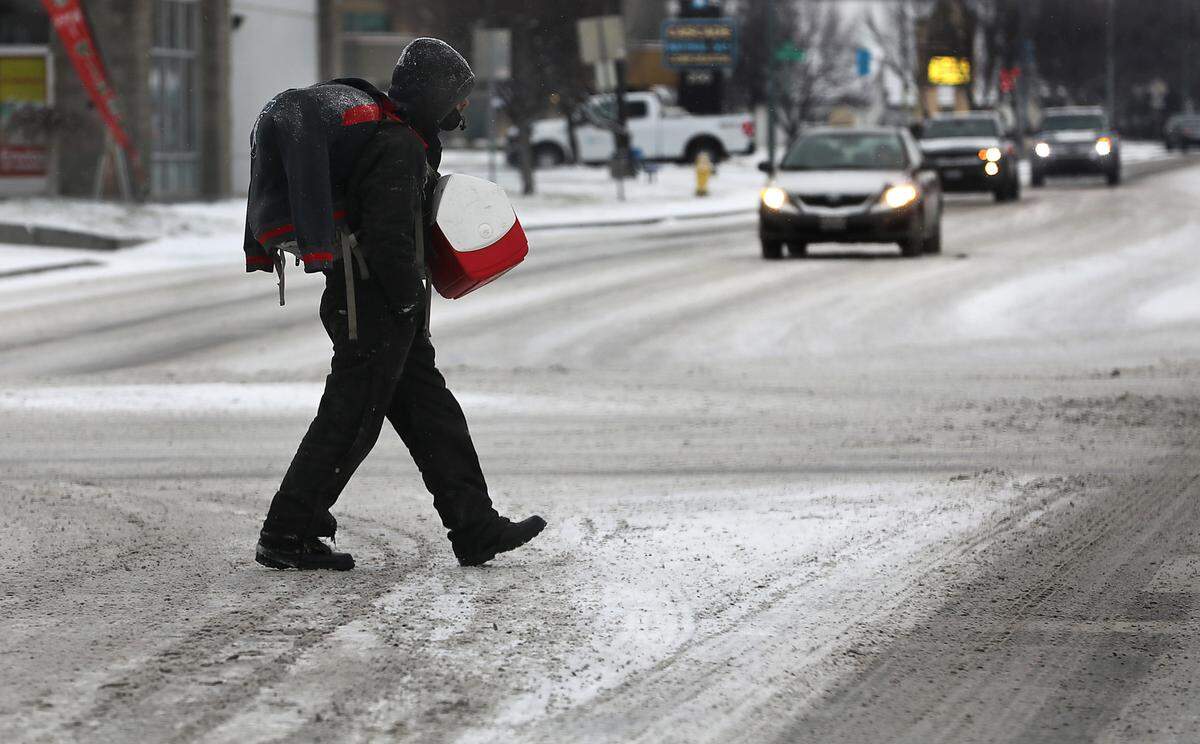
In the Tri-Cities this year, volunteers found 143 people.
That’s roughly the same as last year, while the Benton County numbers dropped slightly and the Franklin County numbers increased.
Because of the nature of services in Tri-Cities, someone considered chronically unhoused may stay closer to where community services are available on any given day.
Washington’s Department of Commerce employs a more complex system of determining the number of people experiencing homelessness or those who are at risk.
Their Homeless Management Information System tracks what services individuals are engaged with from food stamps to disability or housing services and more.
It also has access to questionnaires filled out by applicants and can categorize people based on the address they use, such as a P.O. Box or a known homeless shelter, such as the Union Gospel Mission.
That number is always much higher because it includes the “invisible” population, such as youth sleeping on a friend’s couch or an employed adult living out of their car.
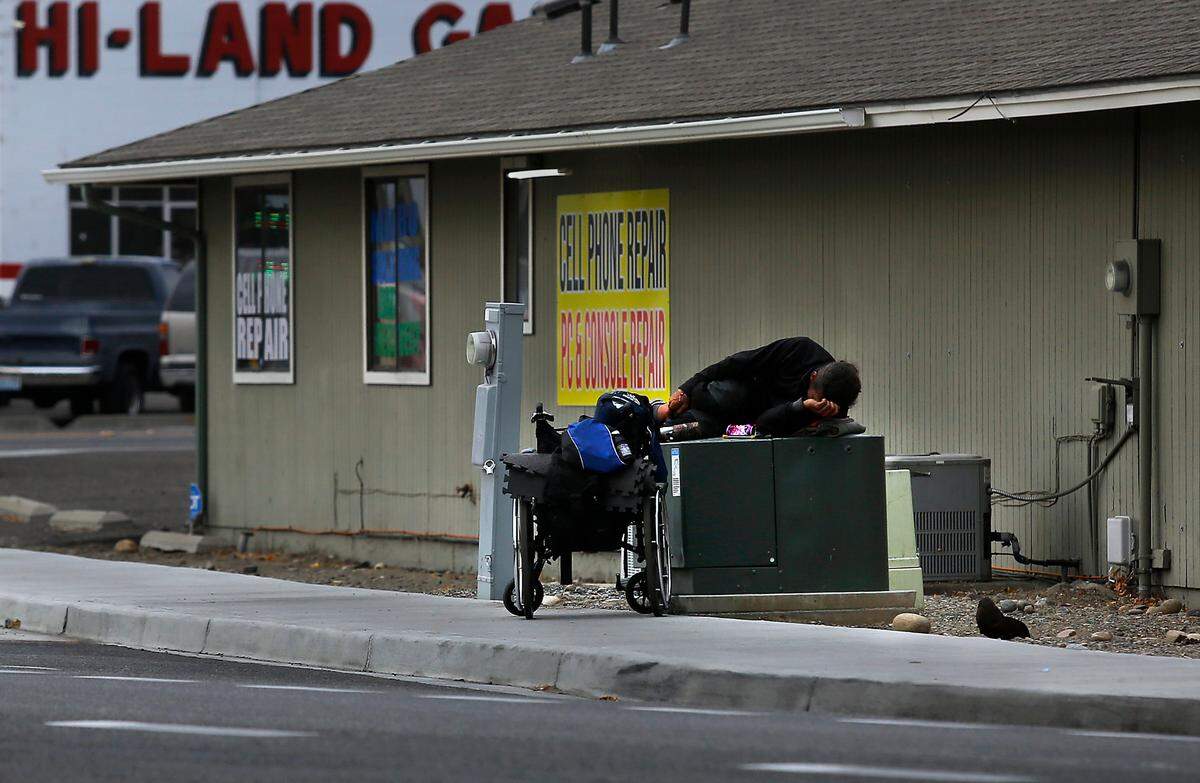
Each year the department prepares a “Snapshot” listing population counts by county and statewide demographics.
In the Tri-Cities area, 5,068 were considered unstably housed or homeless.
Of that number, 3,495 were listed as unsheltered or in emergency shelters and housing. That first number includes people seeking rental and eviction assistance, the latter includes those using hotel vouchers or who already have been evicted.
The number of unsheltered people is roughly the same as 2023, but the number of people at risk has risen by more than 400.
About one-third of the people experiencing homelessness or considered at risk are parents with minor children, according to the Snapshot.
Homeless funding needs
Part of the reason why homelessness is on the rise is that the historic federal funding surge that housing agencies saw during the COVID-19 pandemic has dried up.
While the Legislature enacted some stop gaps through state commerce grants, those could soon be gone as well.
That’s because they’re set to expire next summer unless state lawmakers choose to extend them or pass new homelessness prevention funding bills.
That’s not the only concern housing authorities are facing though.
Sullivan said they really need mortgage interest rates to go down because much of their most flexible funding is tied to the recording fees that come from home sales, and it’s taken a massive hit as interest rates have remained over 6% for nearly two years.
That means high interest rates cooling the housing market, as a mechanism to temper inflation, cuts heavily into their funding.
Sullivan said they were anticipating a hit to those funds, but so far it’s been much larger than the anticipated 30% or so decrease.
While he couldn’t offer a firm figure for those expected losses, he said the revenue previously peaked at more than $2 million.
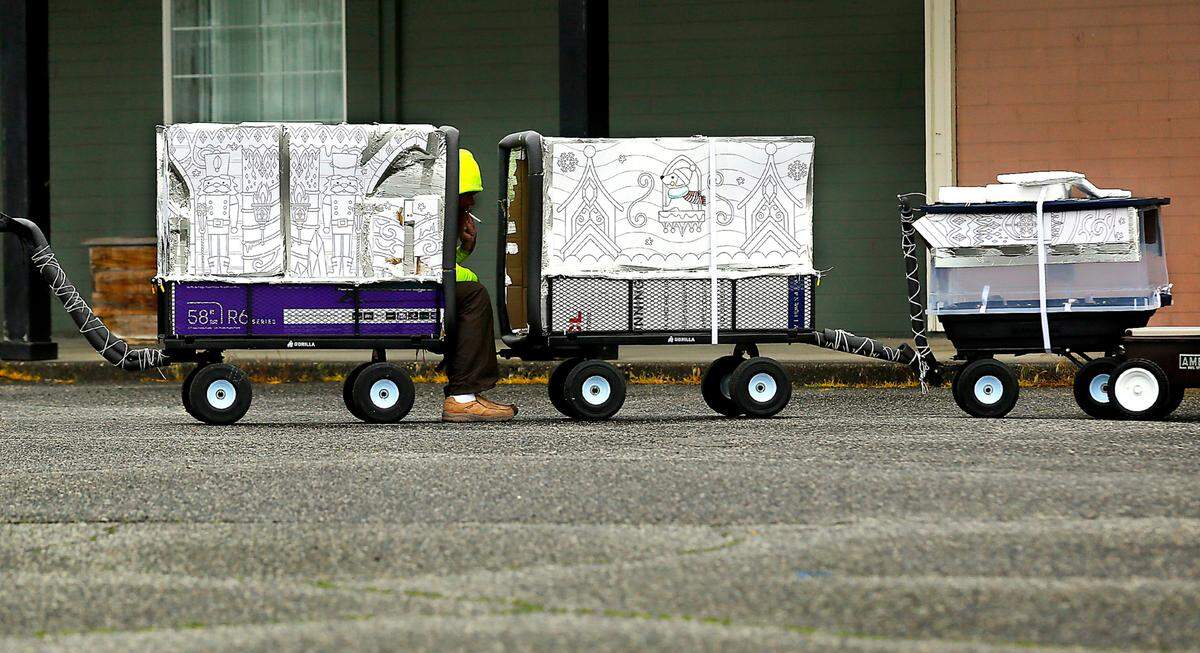
Because that money was allocated at their discretion, they’ve been used as stop-gaps in funding and to bolster other programs as needed.
Some of those programs include Safe Harbor, which helps abused and neglected children, services to help domestic violence victims find a safe place to live, veterans programs and more.
Seniors and people on disability remain at the highest risk of losing their housing as rents continue to rise, said Sullivan.
The solution to those problems will take more than just funding, it’ll take more affordable housing.
“A big part of the problem that we still see are, people receiving disability in particular, their benefit is less than what rent is and they’re kind of upside down to begin with,” Sullivan said.
“I think we need a couple of things, as always more affordable housing. As rents continue to increase, it’s difficult for households to manage, although it’s a little bit better now, I think our vacancy rate is still lower than what I would consider a healthy market, which quite frankly it allows landlords to be choosy.”
While it’s illegal to discriminate against potential tenants, landlords can use credit and rental history as a means to reject applications.
With low rental vacancy rates, that means more people are applying for the same units. That can make it difficult to find a new place to live for people with an eviction on their rental history.
When Bishop Skylstad Commons opened in Pasco last year, it quickly filled the 60-units of affordable housing. The apartment building is a project run by Catholic Charities of Eastern Washington.
The Pasco facility is the first of its kind in the Tri-Cities, though the nonprofit has more than 2,400 units across Eastern Washington.
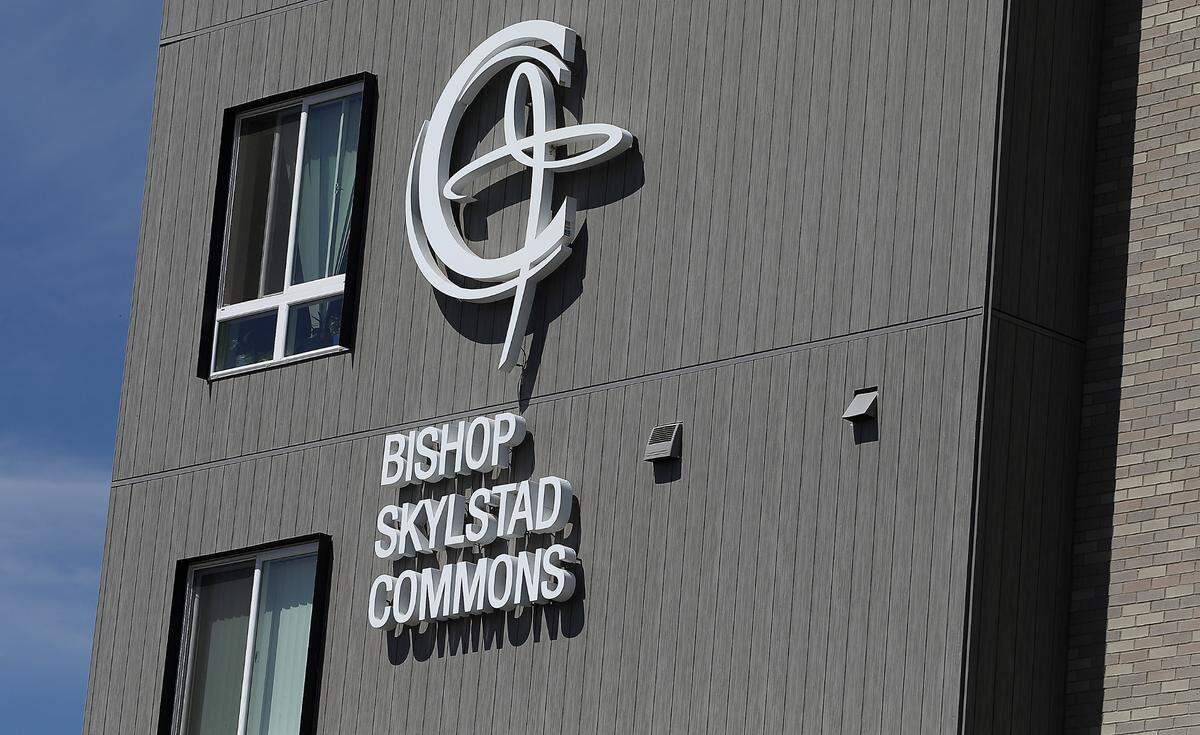
Sullivan said that facility has been a big help, as has Union Gospel Mission, but the Tri-Cities still doesn’t have a “low barrier” shelter. The mission’s women and children’s shelter also is in desperate need of replacement.
The need for a “low barrier” shelter is a topic that’s come up recently as city councils have grappled with whether to put new camping bans in place.
Without one, police have extremely limited options on where they can take someone who has been ordered to vacate an illegal encampment.
“I think that we need a low barrier shelter, there’s a lot of great things that the UGM does, but there are barriers to getting into the shelter,” he said. “That’s something that’s very needed in our community. For these types of services the need outweighs the resources.”
Sullivan said that despite the long lines at the Housing Resources Center, the staff is doing everything they can to help people in need.
He said if they’re eligible for services, they’ll find a way to help. Next year though, that might not be the case if the Legislature isn’t able to extend the state commerce grants.
He said they’ll have to rely on the state’s scoring system that assigns a numerical value to a person’s need, such as if they’re disabled or chronically unhoused.
He also had some advice for people faced with the dauntingly long lines: Come with your paperwork completely filled out and all the documentation you need. That way employees can get to work on helping you faster.
“The one thing we’ve struggled with is when people are applying for assistance, unfortunately, there’s a lot of forms we have to fill out, but it’s all information we’re required to obtain,” he said. “When people are applying for assistance, we really need everything completed. Make sure everything is in order and completed in its entirety.”
He knows the process can be frustrating at an already stressful time, but they’re there to help.
“Everyone’s doing the best they can, it’s tough with the price of rental units now going up, it’s difficult for people to really make ends meet,” he said.
“We’re seeing seniors on fixed incomes who have lived in the same place now for years have gone up and they can’t afford it. It’s difficult when you’re just scraping by.”