
Is Tri-Cities becoming part of metropolitan WA? Big city driving tips as traffic grows
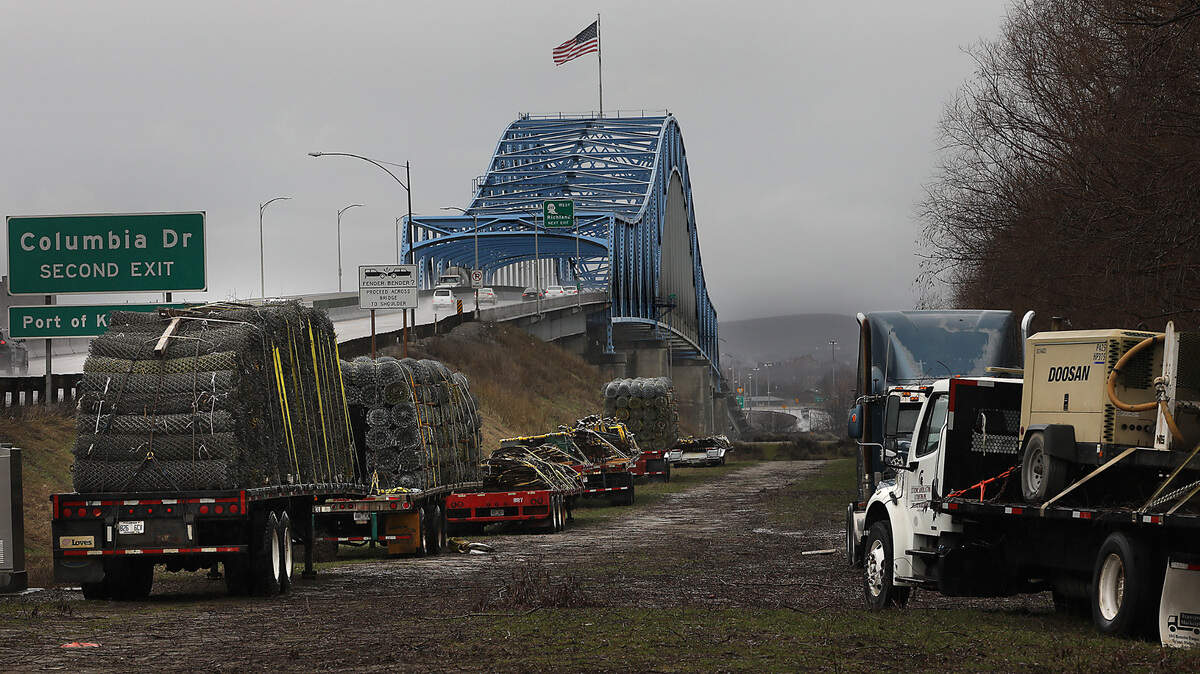
Construction on the Blue Bridge has left some Tri-Citians comparing the traffic to that of a big city, like Seattle or Portland. Paired with the surge of people coming to the area and recent developmental growth, Tri-Cities is really turning a corner as a growing area in Washington.
While Tri-Cities is on the up-and-up, it’s not quite a large metropolitan city, more of a mid-metro area.
Here are tips for driving in a metropolitan area as Tri-Cities continues to transition, suggested by McClatchy team members who have lived in larger cities, including Los Angeles, New York City, Seattle and the Midwest.
Big city driving tips for Tri-Citians
▪ Zipper merging
The most common suggestion is zipper merging. This is a method of maintaining traffic flows after a lane ends. Instead of everyone merging as soon as they have space, drivers should wait until their last chance to merge before the lane ends.
This way, there is less traffic congestion caused by drivers merging too early.
“Safe and efficient movement of traffic through the merging area approaching a lane closure depends on the ability of drivers to plan ahead, adjust their speed, and merge smoothly into a safe gap between vehicles in the open lane,” states the Washington State Department of Transportation website. “When drivers merge more like a zipper, where vehicles in both lanes come together smoothly - even if not at full posted speed - everyone can get through the merge much quicker.”
Legally, the merging driver is responsible for doing so safely. But it’s also illegal for drivers in the open lane to actively block merging traffic.
Drivers in the open lane should leave adequate space between the car ahead of them, so drivers in the closing lane can merge into that space once their lane ends. Drivers in the closing lane should manage their speed and distance leading up to the lane end. If done properly, this leads to a seamless transition that doesn’t lead to traffic congestion.
▪ Speed control
Speaking of managing speed and distance, these seemingly small efforts can make all the difference in big city traffic. The Washington Driver Guide says the safest way to drive is to keep pace with traffic, as going much faster or slower than the general flow of traffic can increase risk of collision, and maintain good distance on all sides. Do not tailgate other drivers, or linger in someone’s blind spot.
“Driving safely means obeying speed limits and adjusting for road and traffic conditions,” states the Driver Guide.
Local highways have lower speeds than most highways. In good conditions, there’s no reason to drive below the speed limit on the highway.
Driving at speeds too high or low doesn’t just pose risk of crash, it can also aggravate the drivers around you. This can spark road rage incidents.
▪ Pedestrian awareness
It is also important to be aware of other people around you, including those who aren’t driving. There is an agreed-upon social contract between pedestrians and drivers, who both have responsibilities in keeping everyone safe.
Drivers should be aware of any pedestrians or bicyclists up ahead, and give them extra space when nearby. You should not share a lane with either, as this does not give either party enough space to the side, according to the Driver Guide. Yield to pedestrians and bicyclists, especially when they’re turning, crossing the street or similar actions.
It is recommended that pedestrians walk on sidewalks facing toward oncoming traffic, in order to be more visible to drivers and better able to see hazards.
▪ Parallel parking
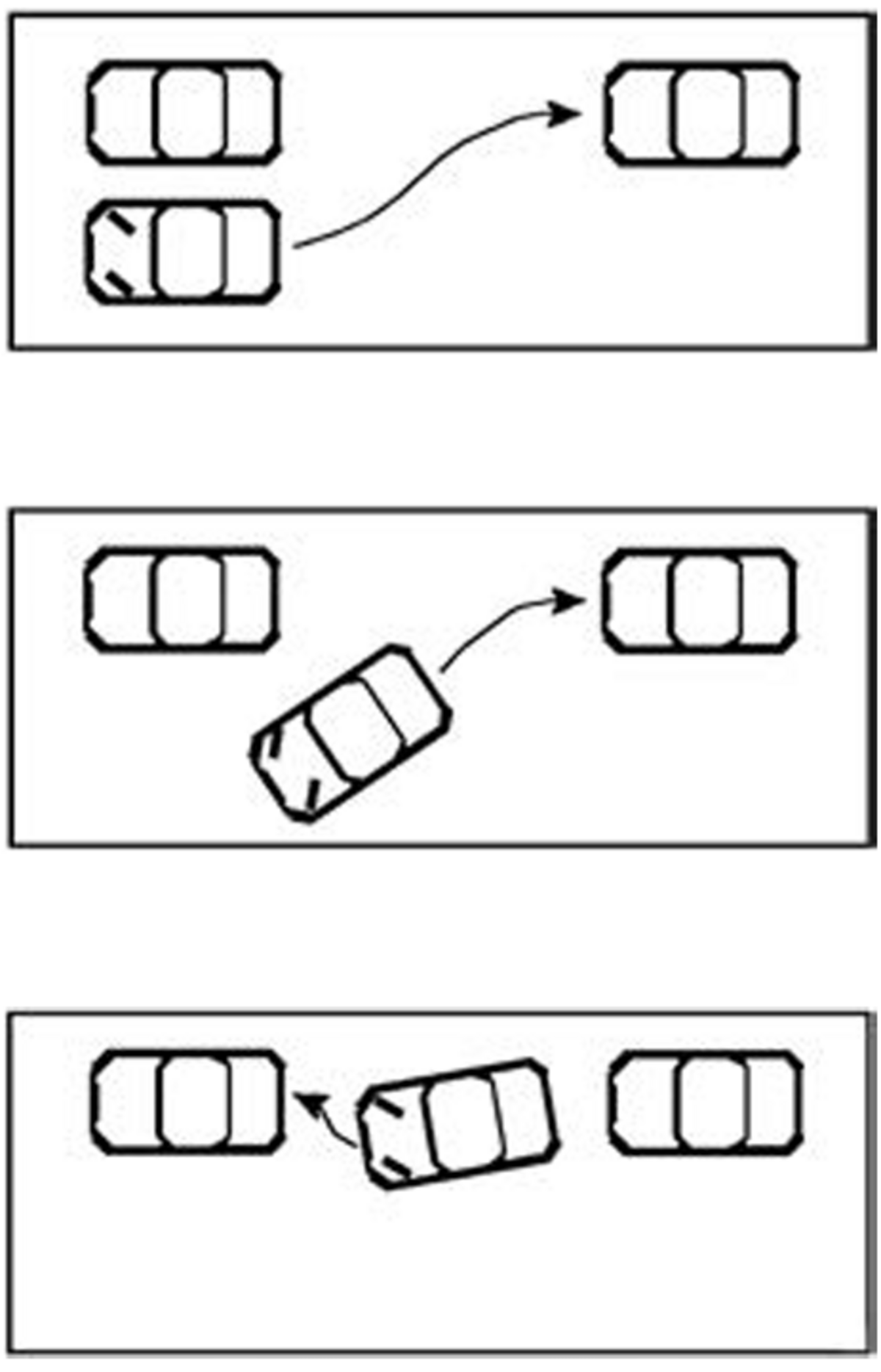
As a city grows, the necessity of street parking and parallel parking grows with it. It’s important to practice and master parallel parking before trying to do so on a busy street. The Washington Driver Guide includes a step-by-step guide for seamless parallel parking. If you aren’t confident, practice this in an empty parking lot or marked curb.
- Fully brake when you’re even with the car ahead of your parking space — your doors should line up with theirs.
- Turn the wheel sharply to the right, and slowly back up.
- When the front of your car is even with the back of the car ahead of your space, turn the wheel sharply to the left, and slowly back up.
- Turn the wheel sharply to the right again, then back up or pull forward as necessary to center your car in the space.
You want to end up parked no farther than a foot away from the curb.
Other quick tips:
- Washington state has restrictions on honking the horn, use yours with caution.
- Clear the snow off of the roof of your vehicle, it’s dangerous for everyone.
- Keep an eye out for one-way streets.
- A roundabout is a four-way yield, not a four-way stop. You only have to stop if there is traffic already in the roundabout preventing you from entering.
- Make smart turns — don’t take a left turn from a right lane or vice versa.
This story was originally published March 16, 2024 at 5:00 AM.