Winter is coming. Tri-Cities Animal Shelter has tips for keeping outdoor animals cozy
The cold weather has already arrived, and with it comes danger for animals.
The Tri-Cities Animal Shelter has some tips on how to keep outdoor animals warm and cozy, and what to do if you find a stray out in the cold.
First thing is to determine if a cat spotted outdoors is a stray or feral.
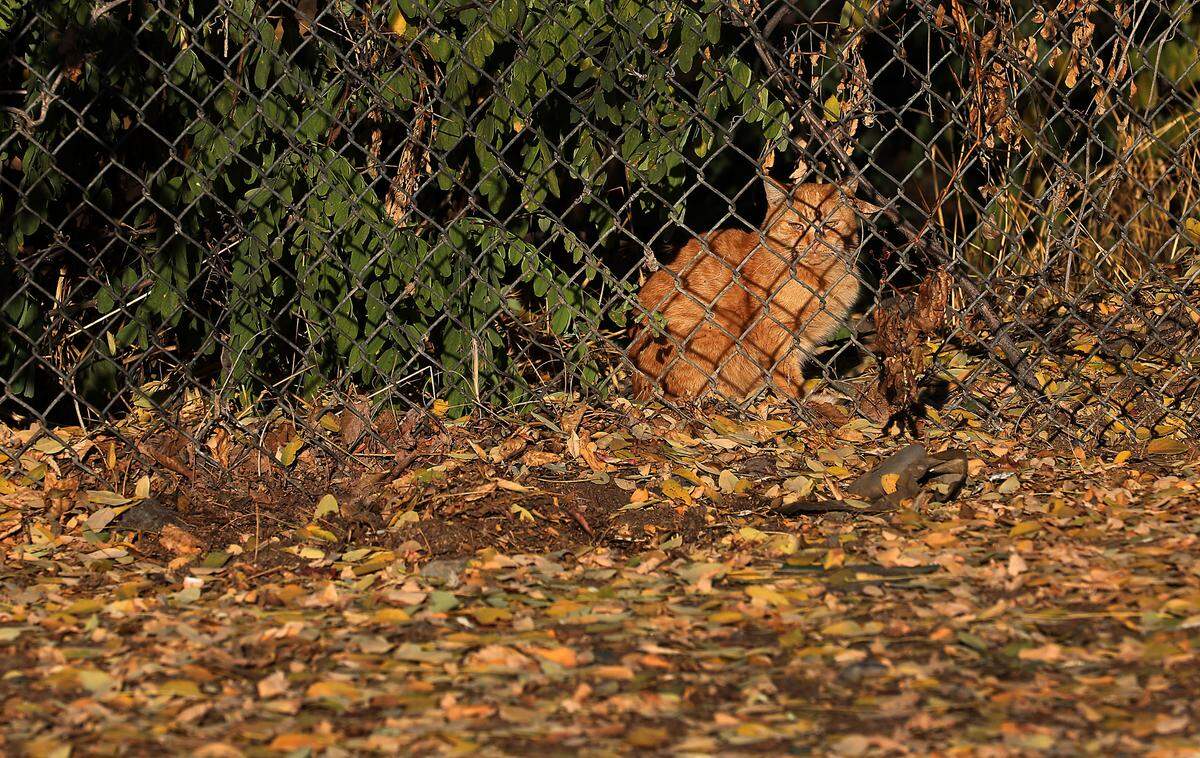
Anyone who has walked along the riverfront in Richland enough will have seen the cats living along the shoreline between the marina and Howard Amon Park. Those cats aren’t pets, and they likely never will be.
“They haven’t been handled. Some of them may have been dumped here as a kitten and grew up here,” shelter Manager Ben Zigan said of a colony of similar cats living near the animal shelter in Pasco.
“They’re not really an adoptable cat. You can’t cuddle up with it or have it in your house for that matter. So this is our alternative to having to euthanize. We can provide a safe environment for them,” he said.
Cat colonies
So how do you tell the difference?
If you see a cat with a clipped ear, it’s very likely a feral cat part of a “colony” being cared for by neighbors.
Those cats have grown up as strays and aren’t suitable for adoption, so rescue and TNR (Trap-Neuter-Release) groups work to take care of them, opting for a generational approach to reducing the stray population. That becomes difficult as winter sets in and brings freezing temperatures.
If you encounter a friendlier cat with a clipped ear that’s wearing a collar or is particularly outgoing, it’s probably one that was taken out of the colony young enough to be adopted out. You can have it checked for a micro-chip to see if it belongs to someone.
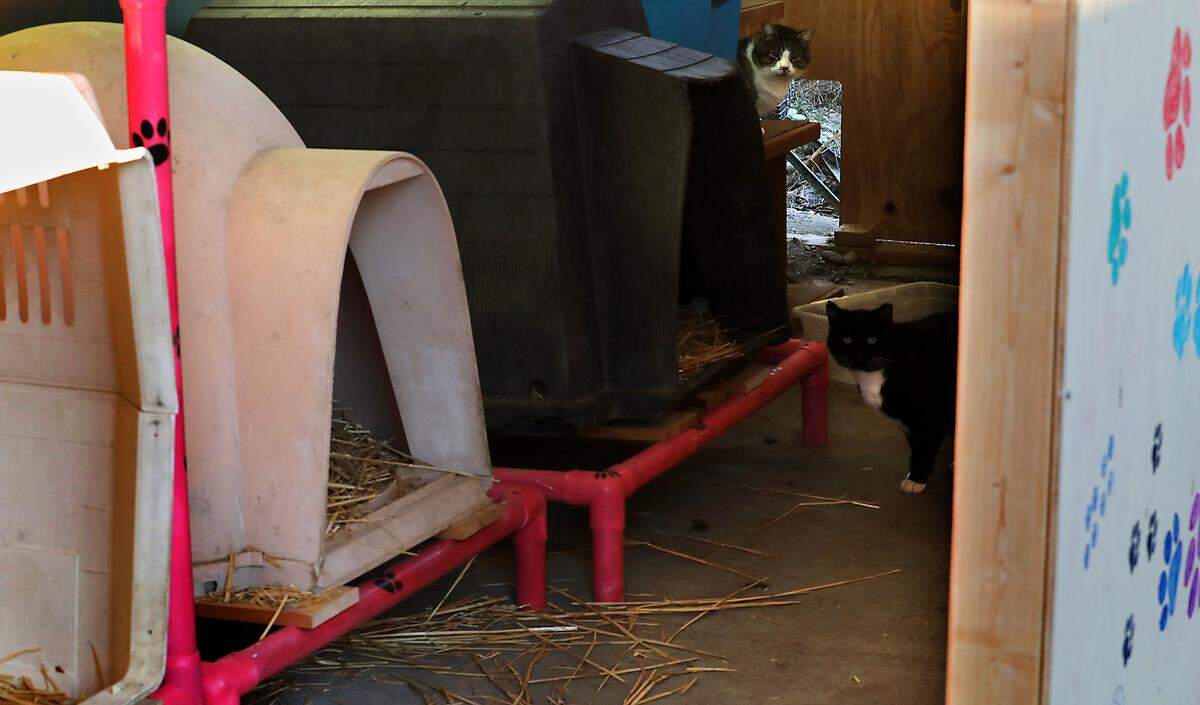
Most colony cats though aren’t going to approach people. It can take months or even years to build trust enough to approach, and some will never become friendly. You might not even see most of them, as they’ll run to hide at the first sign of people.
Occasionally a stray cat that was abandoned will find its way to a cat colony and become part of the group, those will often stand out because of their history of socialization.
Stray cats will meow or purr, but a feral cat will not. They also won’t likely be ear-tipped and may even still have on a collar. It will likely be apparent to caretakers whether a cat is a feral that hasn’t been trapped yet or a stray.
When trapped, stray cats might relax enough to try to interact with the person trying to help them, whereas a feral cat will likely only cower, yowl or try to fight its way out. Strays are also more likely to be seen out during the day.
These colonies are fairly common in the Tri-Cities and beyond. There’s even one cared for by the Tri-Cities Animal Shelter.
Zigan said the shelter also hopes to eventually launch its own trap-neuter-release program to help others taking care of colonies in the Tri-Cities.
Recently, a group of Eagle Scouts helped winterize the Pasco shelter’s outdoor space for the cats, as part of its youth outreach projects.
Zigan said over the years cats being dumped near the shelter resulted in a stray problem in the area. Recently they’ve even found several kittens while walking dogs nearby.
Most of those cats have been outside their entire lives and are too afraid of people to be put up for adoption, so instead the shelter cares for them and monitors the cats for signs of medical issues. Establishing that trust by giving them a safe area makes it easier to trap one if it’s sick or injured. It also helps them notice new cats who need to be fixed.
Winter readiness
Zigan said there are several steps people can take to help keep animals safe and warm during winter, whether it’s for feral cats or just dogs that still want to spend time outside despite the rain or snow on the ground.
Consider creating a shelter if you have nearby outdoor cats.
It can be in a traditional plastic doghouse that you buy at a pet store, or you can make one using a plastic tote. Some people use styrofoam containers.
If you’re making your own, ensure the entry is only large enough for a cat to get into. The shelters should be elevated so accumulated snow or rain doesn’t spill in. What you put inside can also make a big difference.
Zigan recommends using straw because it repels moisture. He said using towels or blankets might seem like a good idea, but they can freeze after getting wet. Hay is not recommended, because it will absorb the moisture.
At the shelter they have rows of houses for the cats, as well as an enclosed porch-like area to block the wind. That helps manage windchill on gusty days. There’s a doorway for people to get in and out, and a cutout on the far side for the cats to run out of when they see a person, so they don’t feel cornered.
Zigan said it’s also really important to make sure the cats have access to water, and it’s checked often to ensure it doesn’t freeze. Staying hydrated can help the animals better regulate their body temperature.
He said that if you’re using a heater or heat lamp, you want to make sure that it’s outdoor safe and won’t become a fire hazard.
You can also winterize your dog’s house using these same steps. If you’re trying to gain trust with a stray dog in winter, these little houses will give them a warm place to escape to while you build trust. It might require more patience, but you’ll be able to ensure they’re eating and spot any obvious injuries.
If you want to spend a bit more on the perfect setup, online retailers sell heated, insulated pet sheds.
You also also find heated bowls for food and water, or rubber food containers meant for horses. Alleycat.org recommends these rubber containers because they won’t crack like plastic if the water freezes. Deep bowls are less likely to freeze, and you can insulate the bottom with spray foam.
Zigan said that if you find a stray and it’s after hours at the shelter, to leave a message and also check local rescue groups on social media for help. The Tri-Cities has several Facebook groups for lost pets to help try and find owners.
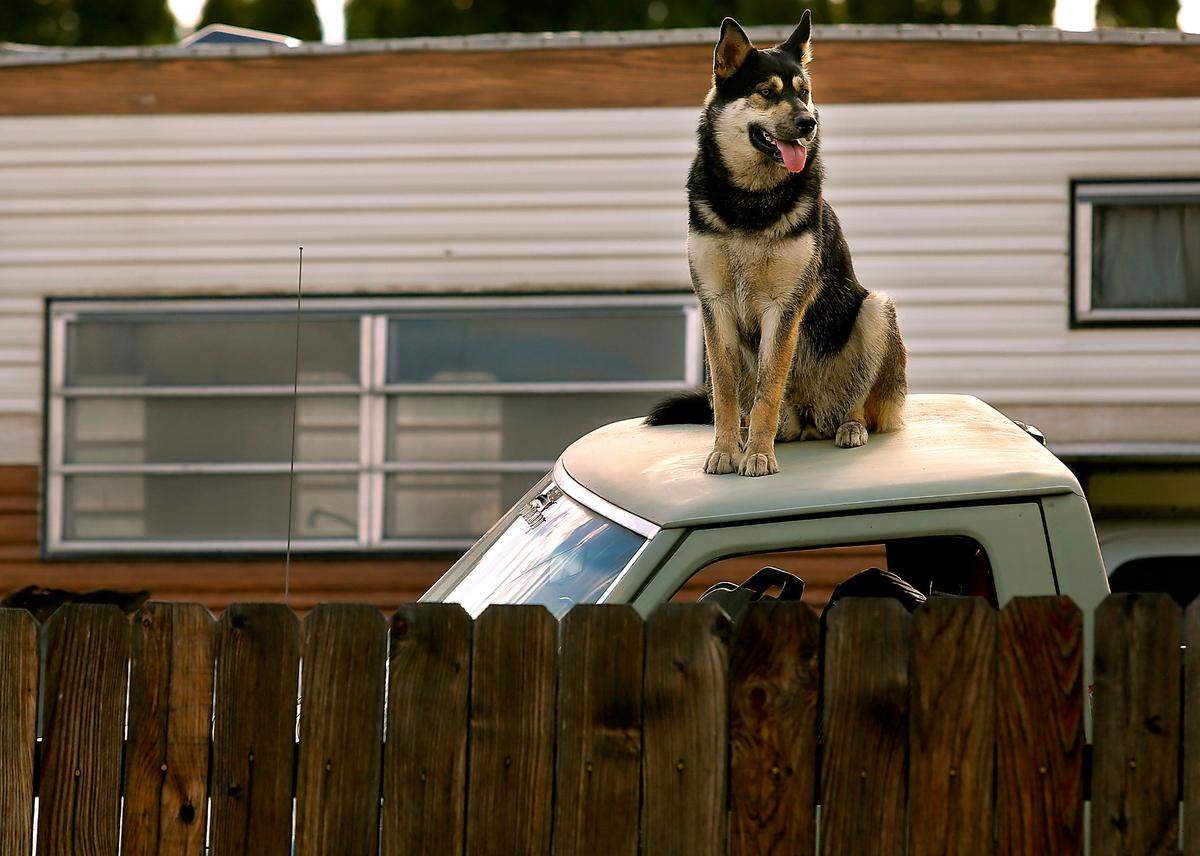
We’ve all seen viral videos of Huskies arguing with their owners about coming in from the snow, so it’s good to keep in mind that some dogs just love the cold because they’re bred for it. They’ll be OK playing outside, just make sure they have fresh water and can come in when they’re ready.
“They should have a shelter provided for them, whether they use it or not,” Zigan said.
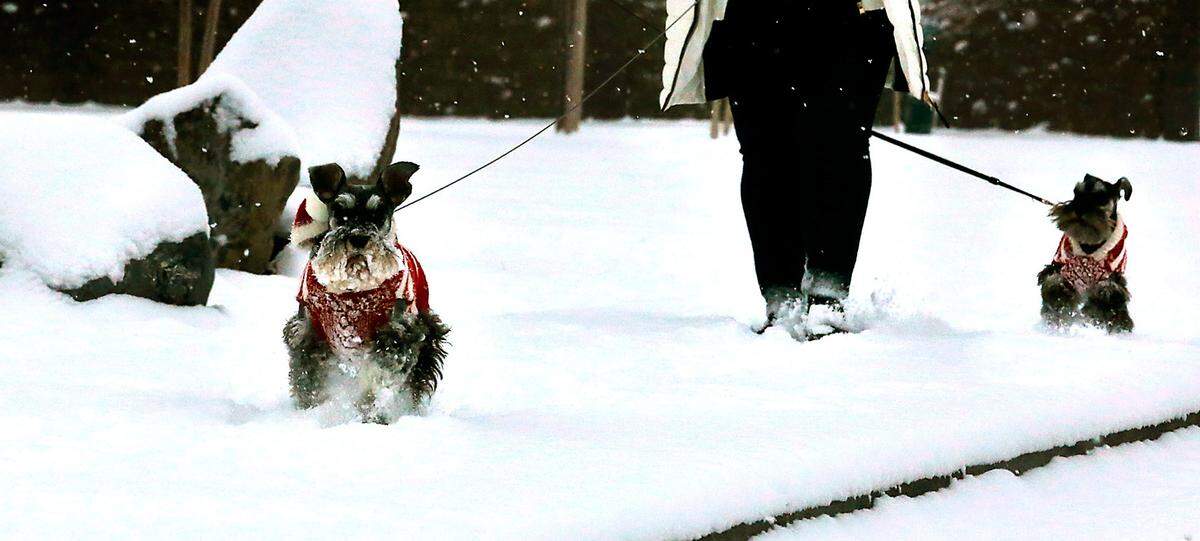
For your dogs that aren’t built for cold, you can bundle them up in doggy coats, and even booties to keep their paws warm in order to convince them to go outside long enough to take care of business.
Snow and ice
Alleycat also warns not to use salt or chemical melters on snow and ice in areas where animals will be walking.
Cats can accidentally ingest the salt and chemicals when cleaning their paws, and dogs might try to lick it.
If you have a cat colony nearby, be sure to also check under the hood and wheel wells of your vehicle on your way out the door in the morning, to ensure kittens haven’t crawled inside the car for warmth.
If you’re doing Trap-Neuter-Release work or need to take a feral cat in for vet care, make sure the traps are covered and attended as well. You don’t want to leave a cat unattended and exposed to the cold in a trap.
If you’re looking for a new furry friend to help keep you warm this winter, the Tri-Cities Animal Shelter is hovering around capacity for all types of cats and dogs, so adoption fees have been cut down to just $50.
This story was originally published November 2, 2023 at 10:47 AM.