‘Witness to Addiction.’ How one Tri-Cities mother found hope, purpose in tragedy
A community mental health and addiction activist’s new book opens with a punch to the gut.
In the first few pages of “Witness to Addiction,” Michele Gerber pulls the reader into her shoes on the day in 2014 that she learned her son, Jim Stenehjem, who struggled with addiction, rowed out to a small island in the Columbia River and took his own life. He was 36.
It’s a heartbreaking look at the feeling of helplessness Gerber and her family felt as the tragedy unraveled and the journey of turning that pain into purpose that followed. Gerber told the Herald that she realized if she was ever going to heal, she first needed to understand.
“The loss of a child is utterly transformative. There is no getting over it, it doesn’t get easier. It gets a little different and grief changes by the day,” Gerber said. “Some days you’ll feel it more, some days it will be a slow dull ache and some days it will be much more urgent and red hot.”
A historian by profession, Gerber’s first book was about the early days of the Hanford project. As the Hanford site’s official historian, diving into the research is part of who she is. She needed to understand what happened to her son and what they could have done differently to help him.
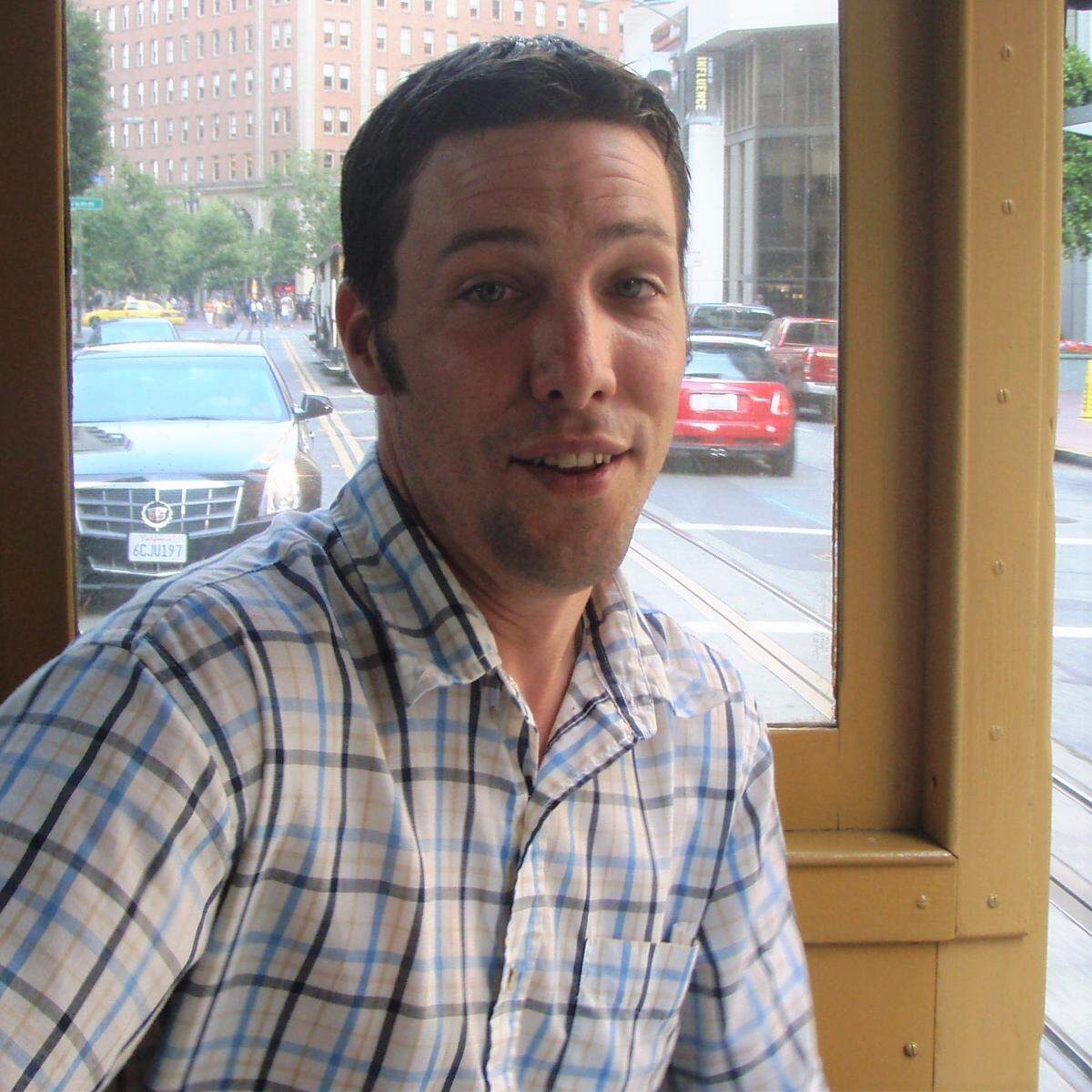
In her new book Gerber walks the reader through that journey of understanding something that doesn’t seem driven by logic.
“I realized that people need this information, it isn’t just what happened to me,” she said. “There’s something universal about dealing with an addicted person in a family, that is so destructive to the family and so destructive to everything that you’ve come to believe about yourself and the ties that bind you. It really felt like people needed to learn things I had to learn the hard way, that I did not realize, that I did not understand what I was dealing with.”
Journey with grief
Writing has been part of her own healing and journey with grief.
It’s led Gerber to become deeply involved in the effort to bring better mental health care and addiction treatment to the Tri-Cities. She hopes that her book can help families who feel alone in their struggle with a loved one’s addiction.
“When addiction strikes a family that does not expect it, and does not have experience with it, there is utter confusion,” she said. “There is terror, a sense of being adrift. I had to learn all that, and I really hope the things I learned can be a benefit for others.”
While Gerber isn’t a neuroscientist, her credentials are still impressive and relevant to the topic at hand.
Gerber earned a doctoral degree in history and has spent a lifetime helping others understand the legacy of the Tri-Cities’ nuclear industry. She’s also spent years rallying community members and elected leaders into changing how the Tri-Cities approaches addiction.
She knows what it takes to translate these complex topics into terms everyone can understand. In this new book she helps breaks down the science behind addiction in a way that makes sense for families.
“When I started, when my son first became addicted I had never known an addicted person in my life,” she said. “I didn’t know it was a real disease. It is a real brain disease. Science has proven that without any doubt, it changes the brain to the point where logic, judgment, seeing consequences and planning ahead — those brain regions are disrupted.”
Helping families
Gerber said her goal with the new book is two-fold — to humanize the addicted person and help others recognize their worth, and to show others how they can help within their own families and in their larger communities.
“There are estimated to be 23 million Americans in recovery. That’s about 1 in every 14 people, and when they’re in recovery and living productive lives, its a beautiful thing,” Gerber said. “It’s a brave and tremendous accomplishment, and I really want there to be second chances in employment and acceptance.”
Gerber said that not only is addiction an issue that every community will have to tackle, but it also presents a threat to national security because it touches the lives of so many.
“It’s important for Americans to confront the epidemic, and they need tools to do that,” Gerber said. “Many people feel very helpless, they look around and they see addicted people on the street or on the news, they hear about it, and they just feel helpless. So I want to give practical tools.”
Gerber has seen firsthand the difference dedicated community members can make. She is the founder of the Benton Franklin Recovery Coalition and a member of the Benton-Franklin Behavioral Health Advisory Committee. The latter is the organization helping guide Tri-Cities leaders as they bring a dedicated mental health and addiction recovery center to the area.
Over the past year that work has ramped up, with a contractor in place to run the future Columbia Valley Center for Recovery. Benton County also recently selected a contractor to begin renovation work on the two facilities in Kennewick that will house the services.
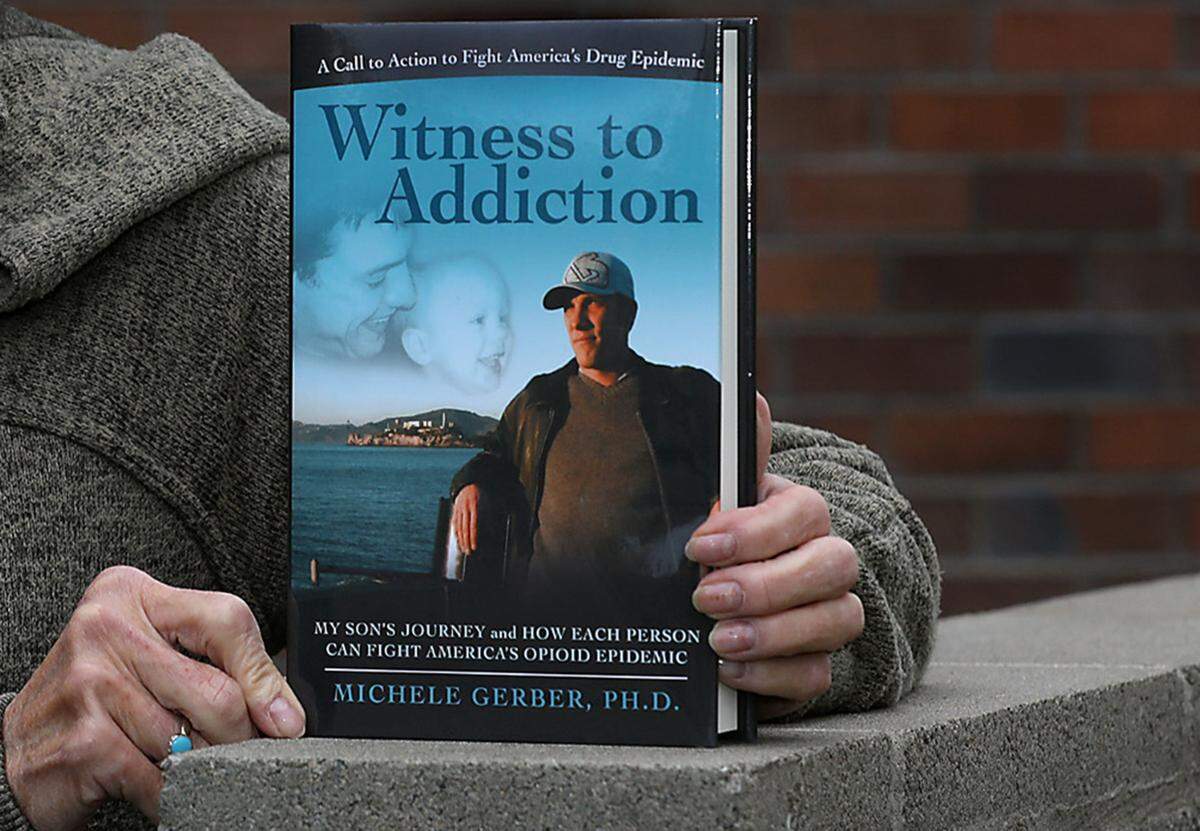
‘Witness to Addiction’
All of it accomplished by community members coming together to learn and find solutions.
“It’s a wonderful feeling of satisfaction and hope,” she said. “Hope that we can be a model community, hope that we can show what can be done when ordinary citizens get together and say we’re going to tackle this problem.”
There is no guidebook for helping a family member struggling with addiction, but Gerber hopes “Witness to Addiction” can provide families with the information they need to reach their loved one when it matters most. There are sections dedicated to specific actions people can take, from labor to lawyers and everyone in between.
“Witness to Addiction: My son’s journey and how each person can fight America’s Opioid Epidemic” is available now through Westbow Press, on Amazon and at local book retailers.
Book signings
- Dec. 3: Richland Public Library, 955 Northgate Dr., at 3 p.m.
- Jan. 6: Barnes and Noble, Columbia Center mall, 1321 N. Columbia Center Blvd., at noon.
Other dates and locations to be announced.
This story was originally published November 8, 2023 at 5:00 AM.