Like walking a dog or playing with kittens? Tri-Cities shelter needs your help
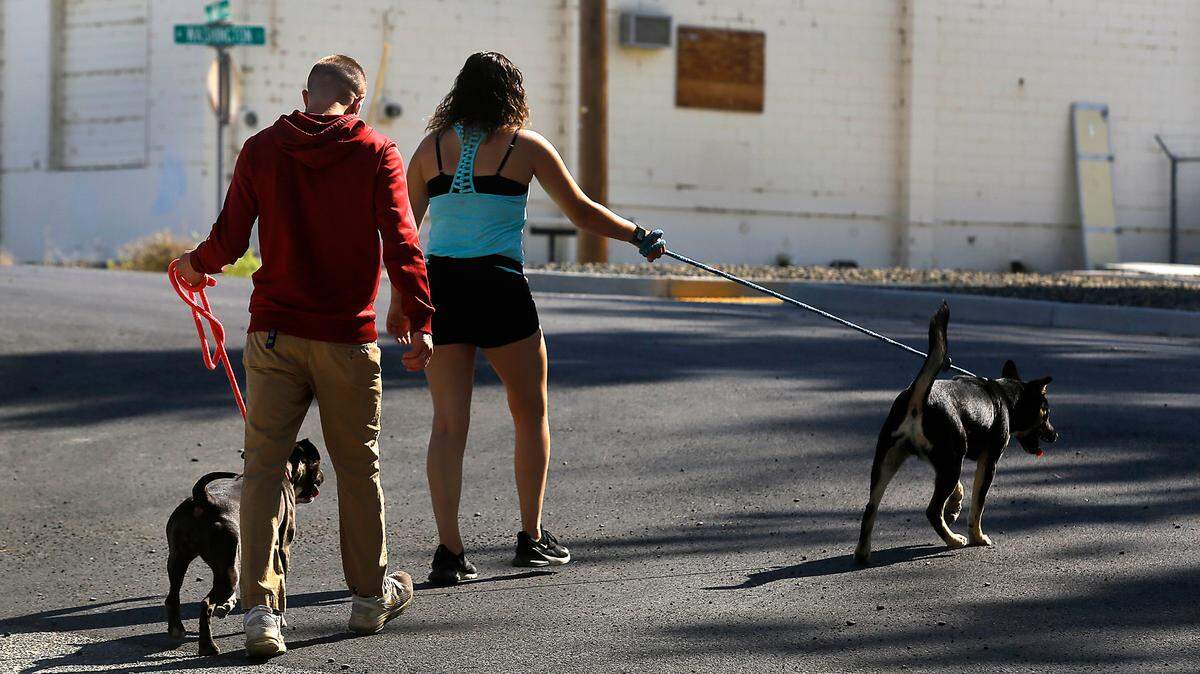
With the news that the Tri-Cities Animal Shelter is at capacity and in desperate need of help, shelter staff and volunteers are offering tips to get you started.
There are a lot of different ways to help out at the animal shelter, from fostering to dog walking and even letting children read to animals to help socialize the pets.
The Tri-Cities Animal Shelter serves the entire Tri-Cities area, and recently has been taking in 50 to 70 pets each week with a capacity of about 130 animals.
What they’re able to take in can vary by day.
For example last week they were able to transfer two dozen animals, mostly cats and kittens, to a Seattle shelter with room, so there were openings on the cat side, but they were overburdened when it comes to large dogs.
Needs also vary by individual animals. Kittens tend to do better when fostered or adopted in pairs, rather than alone.
Younger, large dogs have tons of energy and need longer walks. Other dogs might be high stress and just need some quiet, one-on-one attention, away from the noise.
Dog walking
Most mornings a crew of dedicated volunteers will come in and walk the dogs to allow staff the time to clean out the kennels.
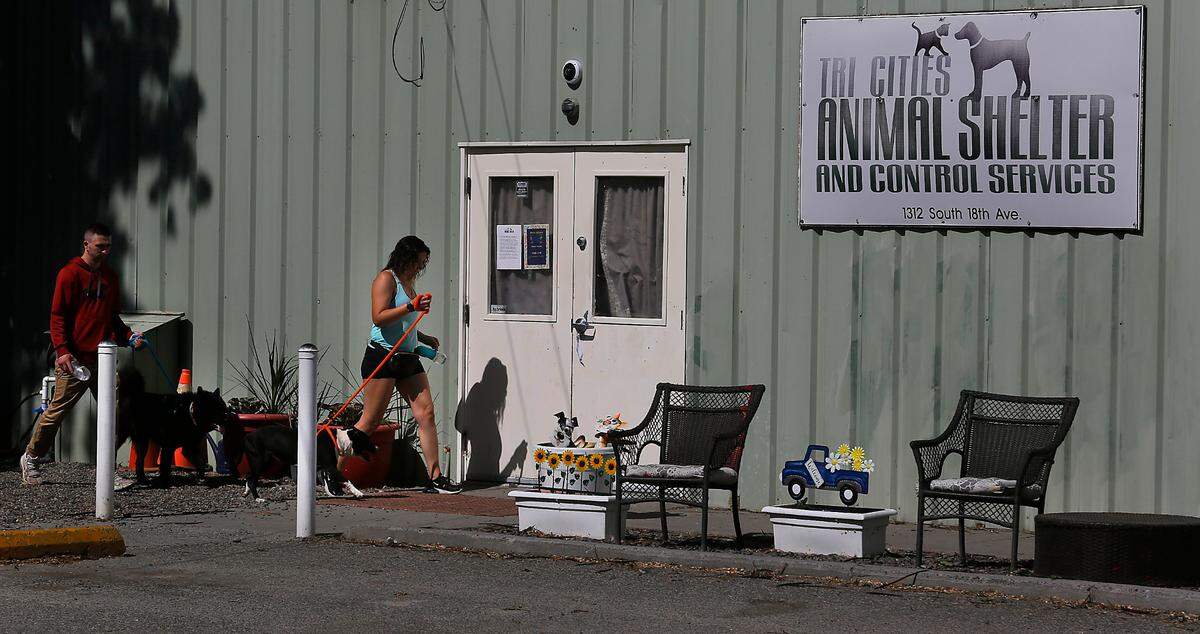
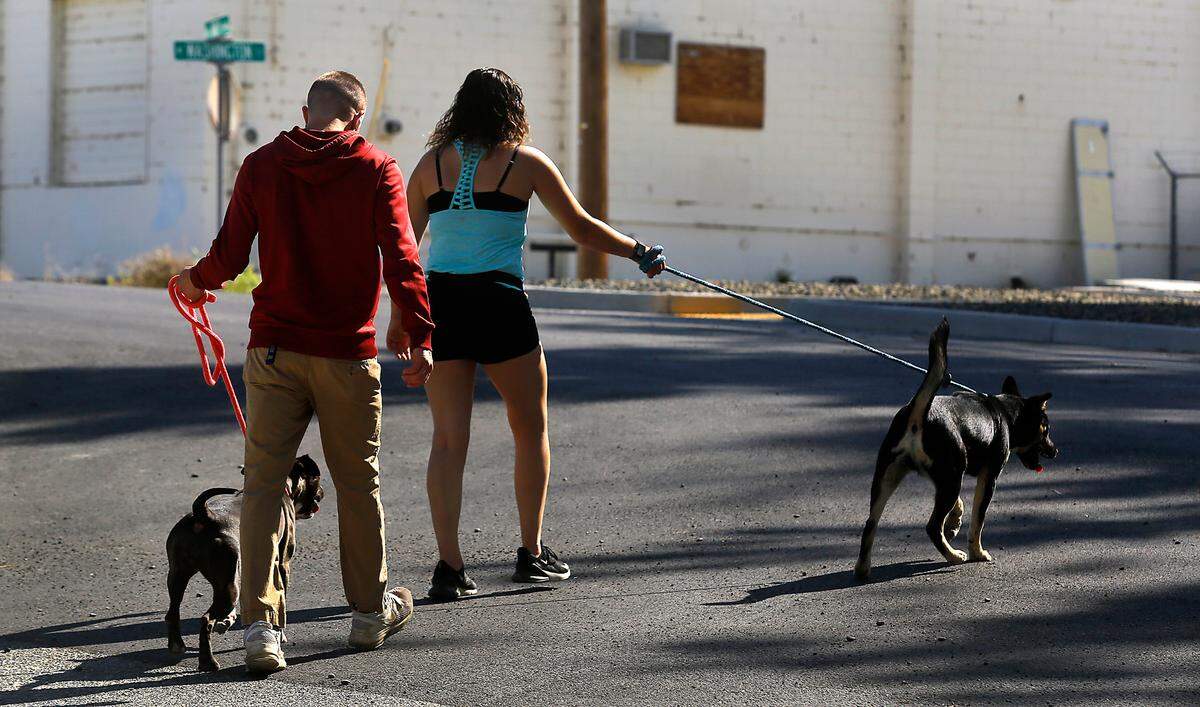
On a recent morning, volunteer Julie Webb was helping one pup in need of extra attention after being he was neutered. He was ready to be adopted out, but still needed a few more days of healing, and decided he’d rather be carried out. So she leashed him up and gently held him outside to give him a moment to acclimate before taking him on a short walk.
The dogs kennels have color-coded information letting volunteers know whether a dog needs a long walk to release some energy or just needs to a quick trip to relieve itself.
Because the shelter is just yards away from the Columbia River, the volunteers have pretty quick access to nice areas for a walk, even with construction on a new shelter ongoing across the street.
Shelter Director Ben Zigan said volunteers walk every dog twice per day, which in turn helps shelter staff dedicate more time to clean up and care. They’re always in need of more volunteers though because a team of two or three volunteers trying to walk every dog takes quite a bit of time when the shelter is full.
“It gets them out of their kennels, so (it also) helps our kennel staff, they usually time the walks with the cleaning schedule so they bring the dog back to a clean kennel,” he said. “An animal shelter is not designed for long-term housing and boarding, and they need their exercise. Without exercise they’ll get worked up, so it’s great that we have the volunteers that we have now that are dedicated and show up daily to take these dogs for a walk.”
Volunteers as young as 14 can sign up to walk the dogs with parental permission.
Reading and socializing
Recently the shelter had a class of children come in to have story time with the dogs. The children get to work on their reading skills while dogs get to spend some quiet time with the kids.
Parents and teachers interested in sharing story time with the pets can contact the shelter for more information.
There is also a large, fenced play area outside for dogs.
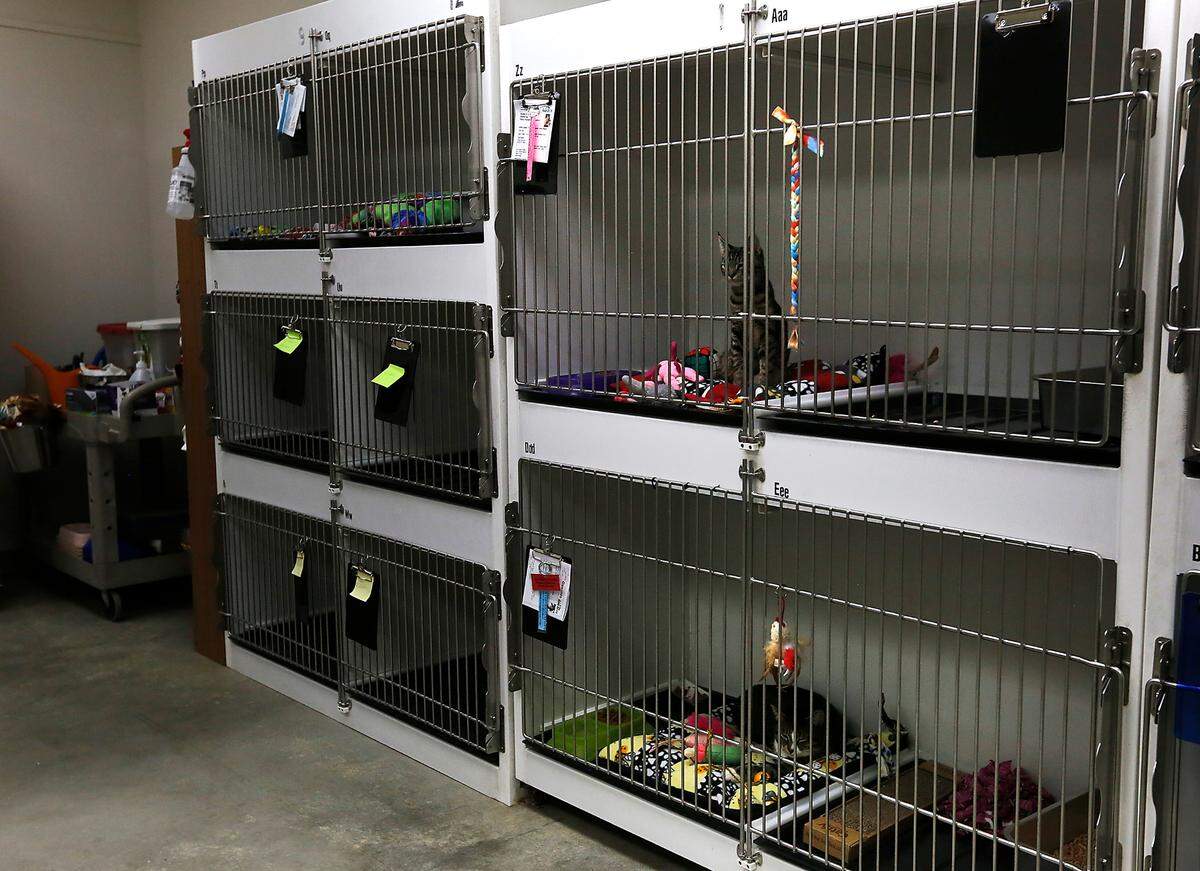
Volunteers can also help socialize the cats, who don’t get as much interaction since they don’t require walks. Anyone walking through the cat rooms at the shelter will know they want some time and attention just as much as the dogs though.
The shelter has cats ranging from kittens still weaning to senior cats who are lost, abandoned or were given up for various reasons. Senior cats are especially hard to find new homes for due to the abundance of kittens in shelters.
“It’s a great outreach thing where the public can come in and socialize the animals,” Zigan said. “Volunteers also come in and socialize with the cats. They get socialized when we’re cleaning up after them, but they need more.”
They also have try to find good fits for cats that are older, but may not be as socialized. Zigan said those are often great for mousing on farms, helping them be taken care of while keeping rodents away from barns.
Foster homes
Volunteers looking to help alleviate some pressure at the shelter can also sign up to foster pets.
Right now the biggest needs are for kitten care and people who can manage large dogs. Zigan said the shelter recently discovered there had been an issue with the dog fostering application process. Anyone who thinks their application to foster might have been lost, is asked to contact the shelter.
Spring is often referred to as “kitten season” by animal rescue groups because feral cats have litter after litter of new kittens, which can create a burden on shelters and rescues.
The Tri-Cities is seeing this as well. There are a few groups in the area that help with TNR (Trap, Neuter, Return) efforts, such as Prevent Homeless Pets and Tri-Cities TNR, but Zigan said there’s always room for more.
The shelter has not had a TNR program of its own, but the mouser program has helped with colonies of feral cats. He’s hoping that as the shelter gets fully staffed and relationships are rebuilt, they can offer more help for those neutering efforts.
The way the program typically works is a group will get a call about a colony, or large group, of feral cats and send volunteers out to begin trapping the cats — ideally before they have kittens and enlarge the colony. The group then takes the cats to be spayed or neutered and returns them to the colony.
The colony’s caretaker can then monitor for new cats that need to be fixed, but often unaltered feral cats will stay away, eventually managing the colony’s population. Friendlier cats or younger ones may also become candidates for adoption.
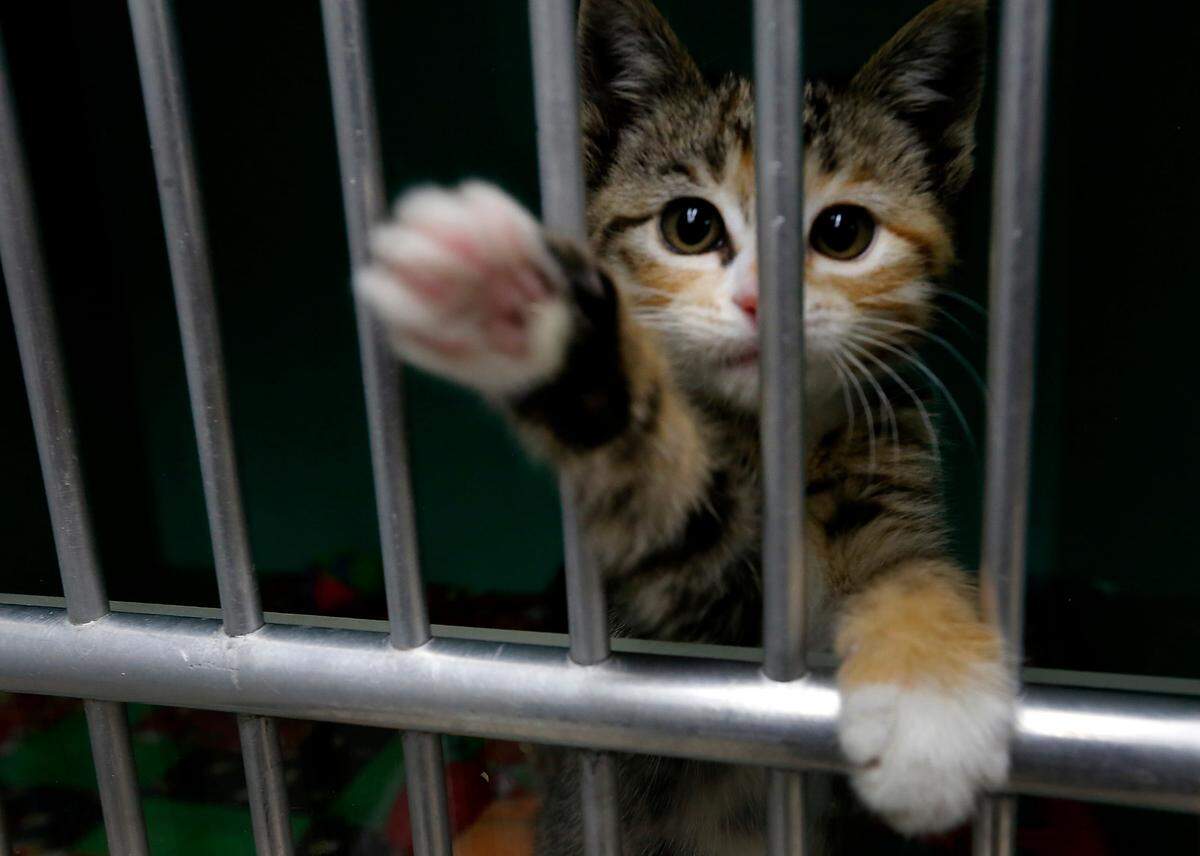
Beyond the most pressing needs, there are many situations where the shelter might need foster homes, ranging from kittens still nursing to dogs having trouble with the stress and noise of the shelter.
‘Brings me hope’
Webb is currently fostering dogs with medical needs for Mikey’s Chance Canine Rescue.
“We try to band everybody together and help make (the shelter) a better place for all the dogs,” she said.
She said it can be hard fostering dogs that need help, but it’s just as good for her own health and well-being to be able to take care of them.
“They are a mental medicine for me,” she said. “Physically, mentally it just brings me hope.”
One of the hardest parts about getting started was realizing she can’t just adopt every dog she fosters.
She said that it just takes finding a little perspective, and learning that you’re not just fostering for yourself, you’re helping get that animal to a place where it can find its forever home.
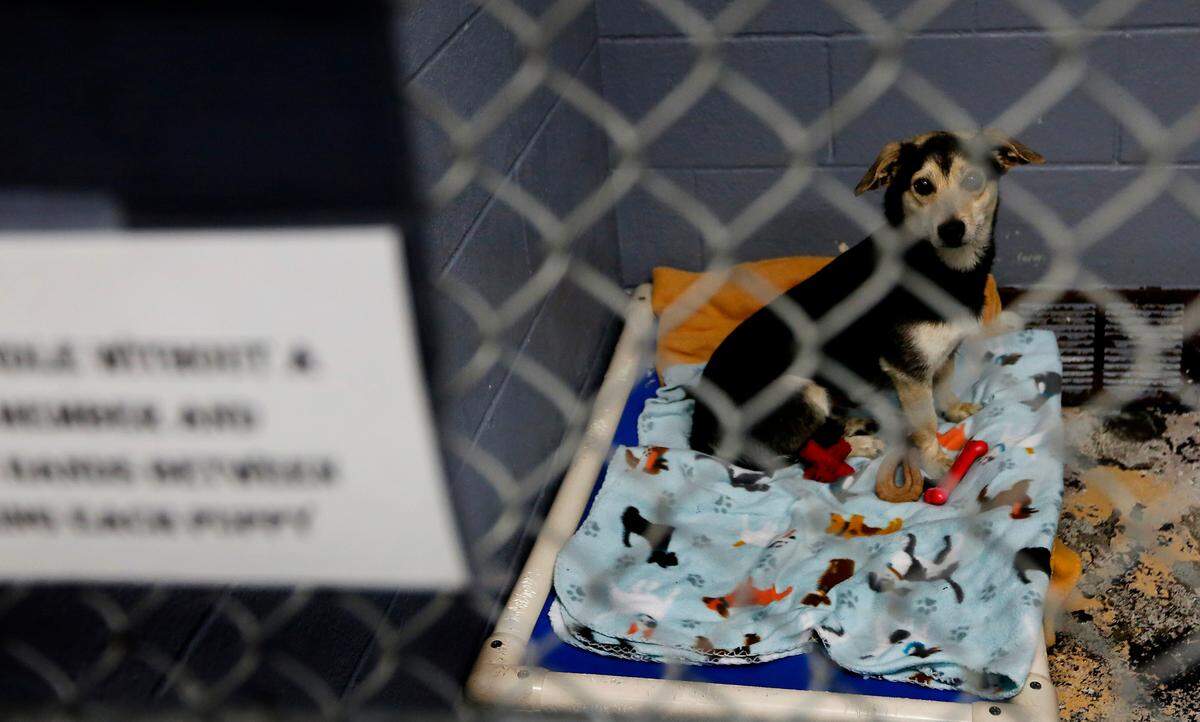
Some rescues specialize in placing senior pets and those near the end of their life, to ensure they don’t have to spend their last days or years in a shelter.
“Unfortunately with the senior (animals) a lot of people don’t want to be the person who puts their dog down so they bring them to the shelter and kind of want them to be the bad guys, or the rescues,” she said. “We just need somebody that will sit with them, and pet them and let them have a good rest of their life.”
The oldest, adoptable animal in the shelter right now is a Yorkie they believe is about 15.
Webb said the most important thing to keep in mind when fostering is that building trust with the animal can take time. It’s normal for them to be scared or skittish at first, and can sometimes take weeks for them to show their personality.
“Every dog needs to decompress, so a lot of times what we do is bring them home in a kennel and they need a quiet space, so you’re not just throwing this dog into your family,” she said. “The cats, the other dogs in your house need time to decompress as well and get used to having this foreign (animal) in your home, so a lot of times it’s mostly just finding a quiet corner, letting the dog get to know you and then you can introduce the rest of the family.”
Some potential foster applicants also are concerned that they’ll just fall in love with the animal and not want to give them up. Zigan said that’s also common.
“We call them ‘foster fails’ because they start off as fostering and then adopt,” he said. “People that can’t really foster, they can volunteer. They can come down and walk dogs and socialize with the cats. We’re trying to get outreach going with offsite adoption or information. There’s other ways, if you can’t foster. You can volunteer.”
For more information about volunteering or fostering, visit the Tri-Cities Animal Shelter website.