Could these WA bills help Tri-Cities build more condos, townhouses and duplexes?
Missing middle housing has been a legislative priority for Washington lawmakers for many years, but time and time again bills fail to become reality. Lawmakers think this year could be different though.
This week lawmakers held a news conference in Olympia to talk about what’s different about this year’s bills aimed at easing housing woes, with representatives from both sides of the aisle looking for a path forward together.
The Herald reached out to Tri-Cities area lawmakers to find out what the bills will need to look like to benefit our region.
What is middle housing?
Middle housing is made up of everything that lies in the middle of single-family homes and apartment complexes — duplexes, triplexes, townhouses, condos, etc..
It’s an umbrella term that encompasses the types of properties the state says is most needed to satisfy the demand among aging populations, first-time homebuyers, middle and low-income populations who can’t afford to live where they work, and other similar individuals, according to Gov. Jay Inslee’s office.
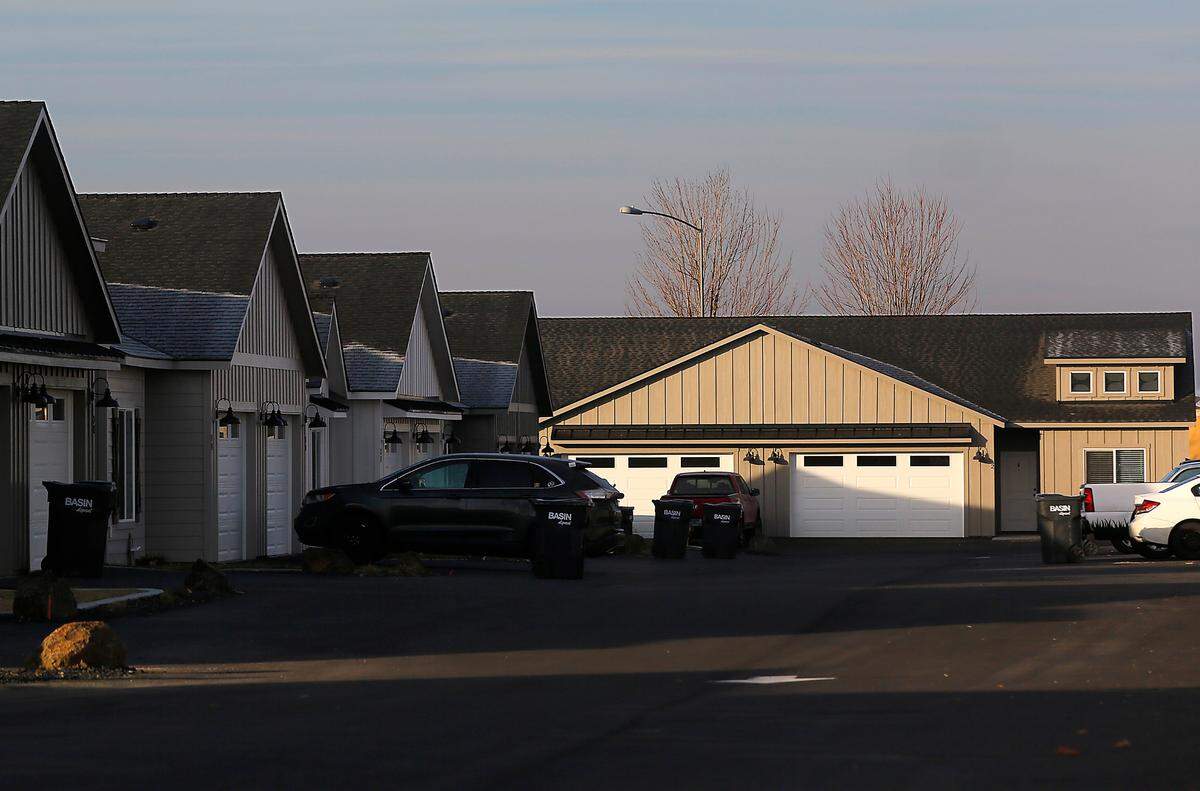
Last year the Legislature considered a bill, which failed, to change zoning requirements to allow for more middle housing.
The bill would have allowed lots to be split further than most city ordinances currently allow, and for existing homes to be more easily renovated into duplexes or multi-family units.
Rep. April Connors, R-Kennewick, is in her first session, but as a real estate broker with experience working with developers, she has followed the efforts closely. She and Rep. Mark Klicker, R-Walla Walla, believe that last year’s bill was an attempt at a statewide solution that doesn’t work for our region.

Connors represents the 8th Legislative District, which includes Richland, West Kennewick and West Pasco. Klicker, who is the ranking Republican on the housing committee, represents the 16th District, covering Walla Walla, Finley, Prosser, Benton City and their surrounding rural areas.
Instead of mandating every city with a population over 6,000 change its existing zoning ordinances to allow smaller lots in single-family home zoned areas, they want to see a bill that empowers cities to do so, but doesn’t require it if it isn’t beneficial.
Tri-Cities impact
“I think that a lot of us are trying to figure out how to work with that bill and have bipartisan support with it because we are lacking so much housing right now in all of Washington state,” Connors said.
“But I do think ... that parts of the bill are a little bit hard for some of us in Eastern Washington because we’re not a one-size-fits-all state,” she said.
Connors said the biggest shortfall of the bill (HB 1110) is that it greatly benefits west-side areas that don’t have developable land, but for the Tri-Cities it could mean forcing changes to existing neighborhoods despite many large ongoing development areas.
She said it’s harder to get buy-in for a bill like that here than it is for folks in Western Washington, particularly where it has to do with existing infrastructure.
“It allows for different types of housing to be put in or replace existing housing. While I think we can all benefit from new housing, in Eastern Washington we have the ability to build new housing to conform with the standards of a neighborhood,” Connors said.
“It’s not allowing community members to have input and be a stakeholder in how their community should look,” she said. “It doesn’t give our local government the options to put in zoning changes or ordinances around what their community needs.”
Connors pointed to developments like Badger Mountain South, which is being built to cover thousands of housing units across the spectrum.
It’s one of many developments in the Tri-Cities that will include single-family homes, townhouses or duplexes and apartments.
Pasco recently got a grant to redevelop its zoning, and has even annexed more land, in addition to its huge new Broadmoor development.
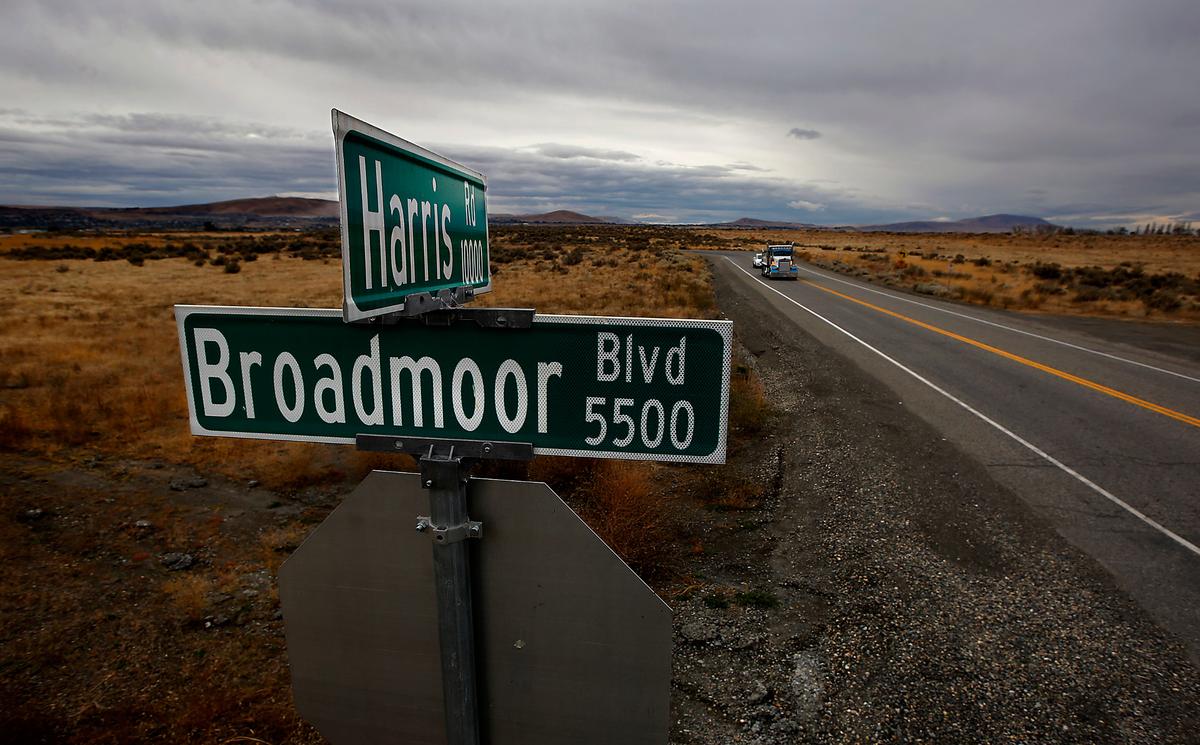
Connors said Pasco is an example of a city updating and tailoring zoning changes to its individual needs, rather than trying to fit into a plan that is largely aimed at areas without developable land.
“We in Eastern Washington, and what I call rural Washington, we like more local control,” Klicker said. “Pasco has already developed their plan, Walla Walla has developed theirs ... There really should be an option to allow these cities to (get grants to) design their own plans the way they want.”
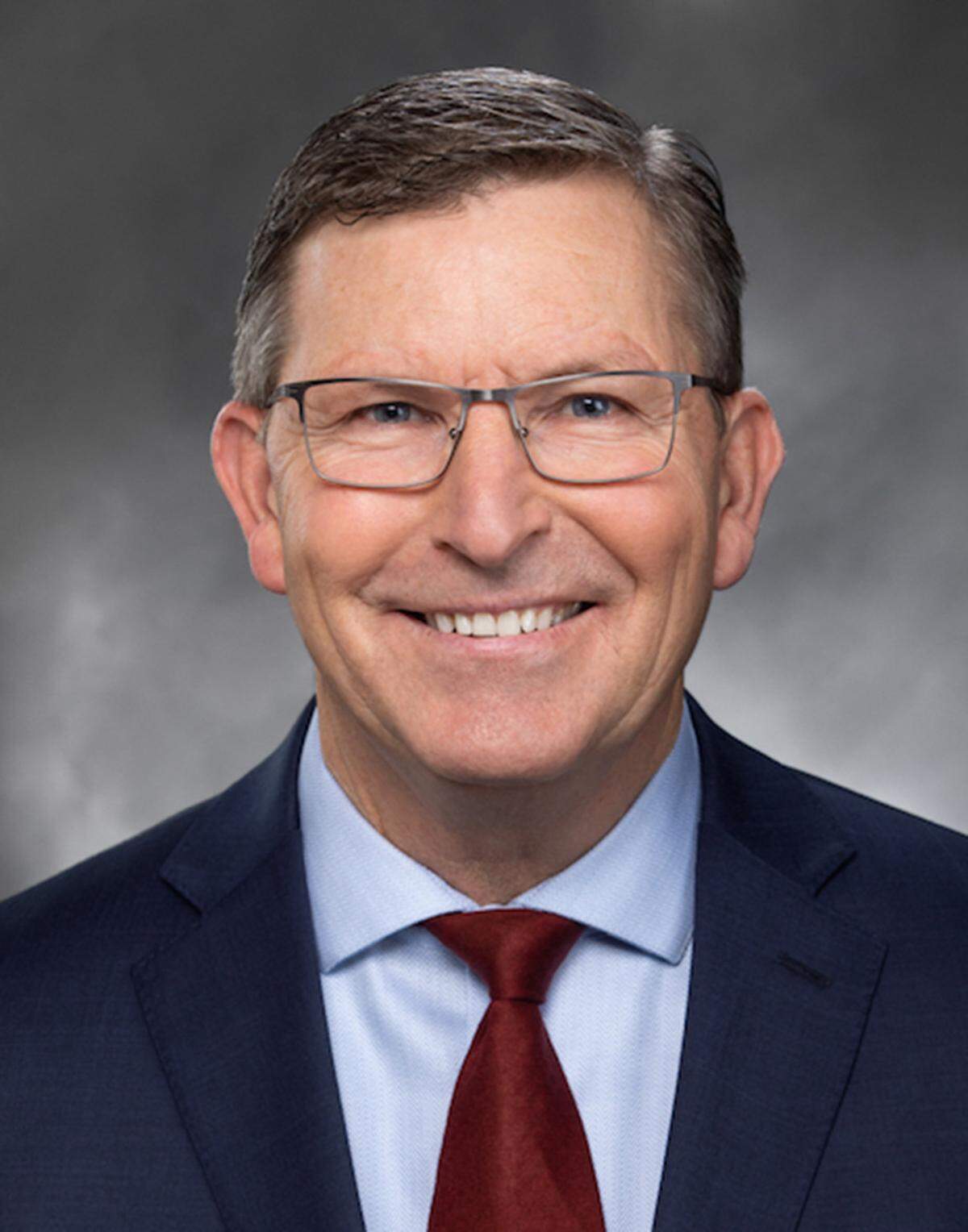
“What this does (right now) is kind of puts more of a mandate, a blanket clause. We know what we’re trying to do with middle housing, and we’re trying to get more housing going, but does that fit in with how we are designing and laying out our zoning?”
Connors said there are also infrastructure concerns about changing zoning in existing single-family neighborhoods. Can the existing sewer lines handle large homes being split into up to six units? Is parking going to create safety concerns?
Klicker said the last bill also would have put a compliance date on these changes, that could have been costly for cities.
More housing bills
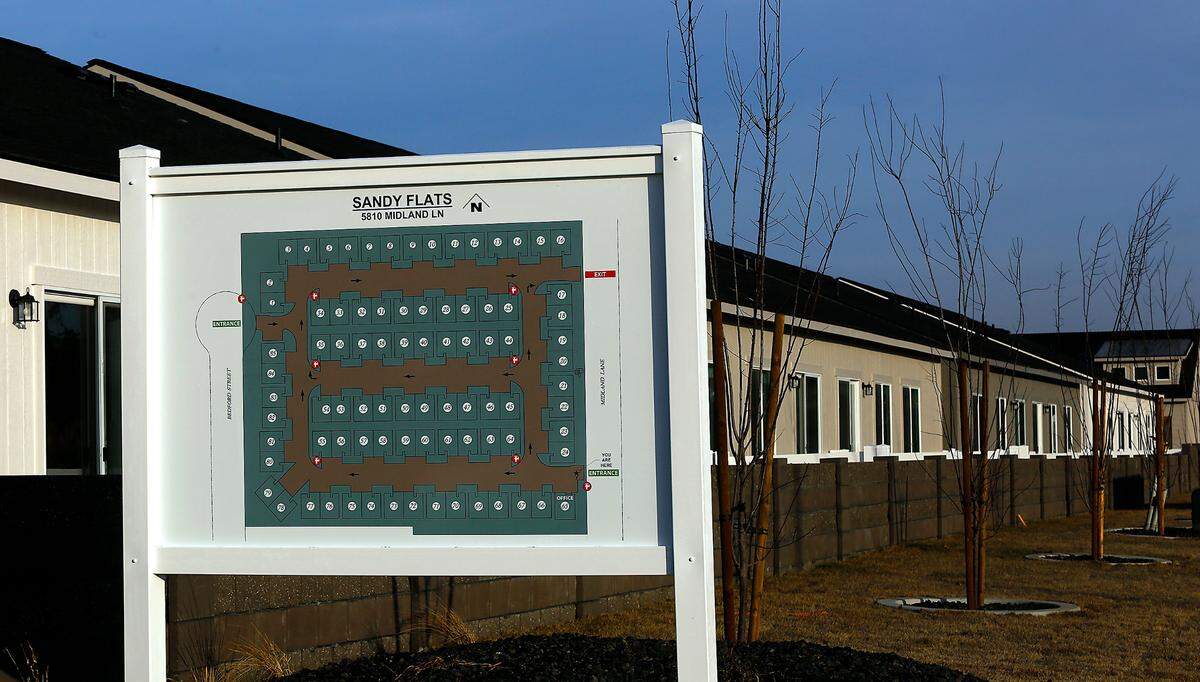
While Connors and Klicker say a carbon copy of last year’s middle housing bill could hurt the Tri-Cities more than it helps, they are working to create a bill that can win bipartisan support.
There also are a slew of other housing related bills that could make building easier in the region.
“There’s a bunch of different bills being considered right now from streamlining permitting to adding accessory dwelling units,” Connors said. “There are some bills out there that are ... trying to address the natural gas ban.”
Klicker said he’s working on a bill that would reduce the burden on cities and builders when it comes to costly and time-consuming reporting requirements under the State Environmental Policy Act.
The new proposal would mean that once cities have performed the environmental impact study on land for their comprehensive plans, developers would not have to do the same study again once that land was ready to be used.
“That saves time effort and money,” Klicker said. “We’ve got to fix these things to make it easier to build affordable housing, it’s a chipping away, and this is a perfect example.”
- They also want to see changes to the building permit process to help speed up development (HB 1401).
- Connors is also supporting a bill that would allow Accessory Dwelling Units to be added to properties outside of city limits and the Growth Management Area (HB 1133).
- There is also a bill that could make it easier to convert buildings not previously used for housing into apartments and condos (HB 1042).
The average time it takes for permit approval in Washington is 6 1/2 months, according to the Building Industry Association of Washington.
Energy efficiency costs
The BIAW would also like to see changes to the state’s building code, particularly when it comes to rigid efficiency standards. They believe these new energy efficiency requirements are a barrier to building affordable housing, as it adds thousands of dollars to the cost of new homes.
New energy requirements in 2021 added an estimated $15,000 to $20,000 to the price of new homes, according to the organization.
The BIAW estimates that for every $1,000 added to the price of a new home, 4,068 Washington families are priced out of being able to buy a home.
“Being able to get these houses out of the ground (is key),” Connors said. “The way we combat some of this is having more supply. We’ve got a lot going on over here, and the housing piece is a big component.”
Homes for Heroes
Connors is also working on a Homes for Heroes down payment assistance program. She said the proposal has strong bipartisan support, and would help first responders, nurses, mental health professionals and others with the cost of down payments.
Right now they’re looking at 5%, up to $25,000, in down payment assistance and repayment would only be required if they sold the home.
“We’ve got a lot of bipartisan support on it,” she said. “It would help recruit and retain, and get people to move into our communities.”
These proposals are separate from a proposal from Gov. Inslee that would see the state borrow $4 billion to build affordable housing and homeless shelters.
Lawmakers have until Feb. 17 to pass most bills out of committee and onto the House floor, so many bills could still be changed or put forward in the coming weeks.
Editor’s Note: A previous version of this article incorrectly listed HB 1276 as one of the bills being support.
This story was originally published February 3, 2023 at 12:15 PM.