
5 Tri-Cities shelter dogs are euthanized. Critics ask why they couldn’t be saved?
A decision to euthanize five dogs declared too dangerous at the Tri-Cities Animal Shelter has prompted outrage from many animal lovers.
But it also has shelter managers looking to take even more steps next time. And in one case, they already have.
The recent deaths at the publicly-owned animal shelter involved one dog put down in December and four more in January. And the outcry on social media was swift and harsh.
Commenters accused shelter staff of not doing enough to help the dogs or to find somewhere else for them to live.
“You trusted us to save you. You were betrayed again,” one post said. “Take heart, loves — we can’t hurt you anymore.”
“Please help stop the madness,” another Facebook post said. “This cannot happen again.”
While managers of the city-owned shelter are defending their actions and calling it a last resort, they also say they will try to do more.
“It’s not an easy decision and it’s absolutely a last resort,” said Ben Zigan, the recently appointed animal services manager with the city of Pasco.
The dogs were very aggressive, biting employees and volunteers, snapping at other animals and in one case leaving a person needing three staples to close a gash.
Shelter officials say they reached out to local dog rescue groups for help with fostering or training the overly aggressive animals, however some rescue owners have said publicly they were not contacted.
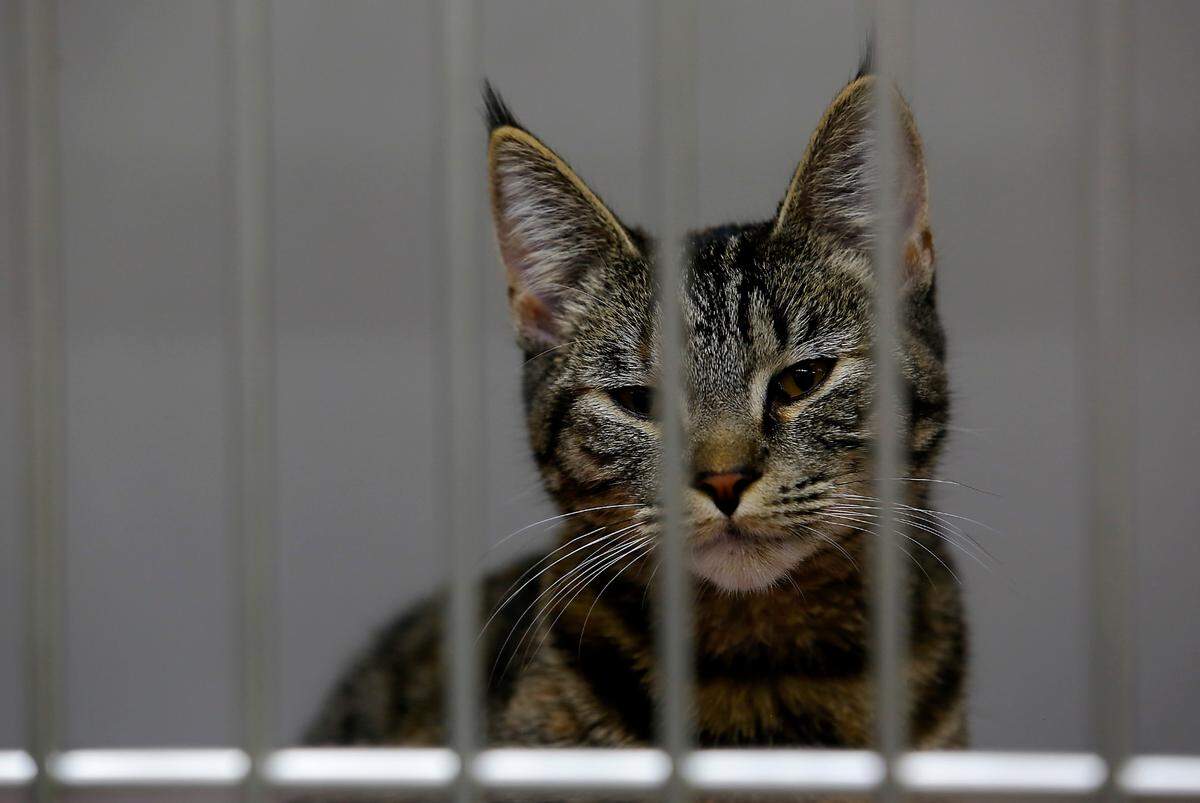
Other angry commenters accused the shelter of breaking its mission as a “no-kill” facility.
“Four dogs were euthanized in ONE day this week at TCAS, which they say is a no kill shelter!” said a post by Leo Perales, a well-known community member. And he called for others to send letters of concern to Interim Pasco City Manager Adam Lincoln.
“I just want to know what is the protocol here,” Perales told the Herald. “Are we using all of our options? ... We’re trying to figure out what the policy is around there.”
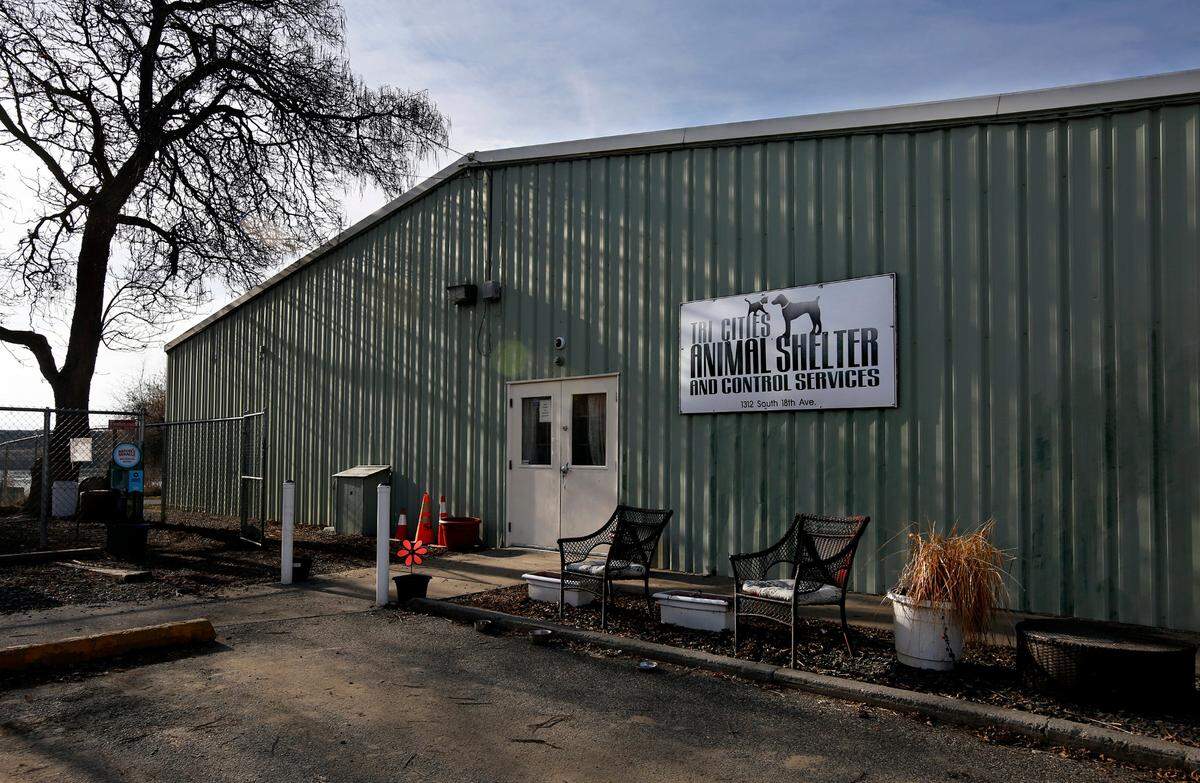
The city of Pasco now runs the shelter and animal control services for Richland, Kennewick and Pasco.
It took over permanently in October after a report showed that overcrowding, sick animals and a lack of stable veterinary care became too big of a problem for nonprofits to handle.
A constant cycle of private contractors had left the shelter in an unstable position, even before a surprise inspection found 30 sick cats and four malnourished dogs in November 2021.
City officials contend the shelter was never a place where no animals were euthanized.
Still, they insist that the number of animals that have needed to be put down because of vicious behavior or severe injuries or illnesses is well within industry standards.
‘No-kill’ shelters
The American Humane Society defines a no-kill shelter as being able to place 90% or more of its animals.
And locally, the Benton-Franklin Humane Society sent nearly 99% of the animals its received to a new home, said Autumn White, the organization’s executive director.
Unlike the city animal shelter, the Humane Society can refuse to take pets with a history of dangerous behavior, such as those that have severely hurt other animals or humans.
At times, they do accept stray dogs without a history and learn about them through daily shelter care and experience.
“If it is discovered through behavior assessment that the animal poses a threat or is displaying dangerous behavior to anyone, I assess the pet and situation,” White told the Herald. “I may consult with a behavior trainer, and I may seek rescue options.”
If there are no other options, the Humane Society may opt to euthanize the animal based on the severity and dangerous behavior exhibited.
Nationwide, Shelter Animals Count reports that about 9% of all animals that entered shelters in 2022 were put down.
The organization, founded by several animal welfare groups, tracks what happens to shelter animals throughout the country. The information is reported by more than 1,400 organizations nationwide.
The group reported that the percentage of euthanizations has been rising since 2021, but was still less than in 2019.
In West Richland, the police department handles that city’s animal control services.
The department’s animal control officer posted on Facebook that humane euthanasia is a “sad part of animal control.”
Some of the dogs they deal with are “challenge dogs.” They have a history of traumatic experiences combined with aggression and a lack of socialization and training.
“They can even be a large friendly working dog that is a ticking time bomb for kennel stress,” the post said. “When these dogs are not claimed by their owners like they should, they sit in a kennel day after day and begin to build frustration.”
A noisy shelter shouldn’t be a permanent home, and should only be temporary solution until a new family can take them home, the West Richland Animal Control officer said.
In her nine years with the department, 25 dogs and cats have been humanely euthanized, but another 985 have been returned, adopted or transferred to a responsible organization.
“Humane euthanasia is never my first option, but it is necessary in the duties of being an animal control officer,” the post said. “Please be responsible, take care of your pet for its entire life, and keep them contained.”
Tri-Cities Animal Shelter
Even before Pasco took over running the Tri-Cities Animal Shelter, some animals needed to be euthanized, said city officials.
The most recent statistics available come from 2020 when the shelter was run by the Chicle Animal Foundation.
That year, the shelter euthanized 13 dogs and 121 cats. This was down from a high of 39 in 2017.
By comparison, the group adopted out 305 dogs and 765 cats in the same period. Another 247 dogs and 553 cats were transferred to animal rescue groups.
Zach Ratkai, the city’s administrative and community services director, told the Herald the change in nonprofit managers of the shelter has made it difficult to track specific reasons why animals were euthanized.
But he emphasized that animals are not killed because of a lack of space or the length of time they have been there.
“(Euthanasia) is the very last resort for the shelter and something we have not had to do due to our great relationships with the rescue and foster community, as well as greater adoption rates from the community,” Ratkai said.

After news of last month’s euthanasia cases, a local group started helping when the shelter is dealing with a troubled animal.
Their first case is Milton, a white pit bull mix, that was struggling with kennel stress.
Friends of Tri-Cities Animal Shelter raised $2,600 to pay to send Milton to an eight-week training program as an alternative to euthanasia.
People can donate through either Paypal or Venmo.
“They are willing to pay for the dog to go to obedience training to see if that will help,” Zigan said.
Problem dogs
Zigan has a long career in animal control services and became the head of the Tri-Cities Animal Shelter in December. He previously worked in the Tri-Cities before leaving in 2003 to work in Yakima.
He said euthanasia is a pretty common practice with dogs that can’t be safely adopted, but it hasn’t been a common practice for the Tri-City Animal Shelter.
While people on Facebook have claimed that the dogs that were euthanized were fine, Zigan, Ratkai and longtime volunteer Julie Webb told the Herald the dogs were too aggressive to other dogs and people.
“I myself wouldn’t have allowed my son, personal dogs/foster dogs around them, and I would have been nervous having them as my next door dogs,” Webb told the Herald. “It was a damned if you do, damned if you don’t, and I’m thankful to the staff for making that difficult decision.”
While the shelter doesn’t have an official procedure for determining whether a dog should be put down, officials said they contacted rescues organizations looking for help with the dogs, Ratkai said.
Zigan said they believed none of the rescues they often work with had the capacity to handle the animals.
It’s not clear how many rescues groups the shelter officials contacted.
“Each animal was assessed for behavioral improvement by staff and volunteers before this decision and given time to show improvement,” Ratkai said. “(We) will not adopt out animals with the potential to harm the community or caregivers.”
Webb said she sat with the dogs while they were put down, so they would have some sort of familiar face with them. She said staff had made the best decision they could given the circumstance, and it was decision put on them by irresponsible owners.
After the concerns about the animals came to light, Pasco Mayor Blanche Barajas visited the shelter and reported at a council meeting that the conditions at the animal shelter have “improved tremendously.”
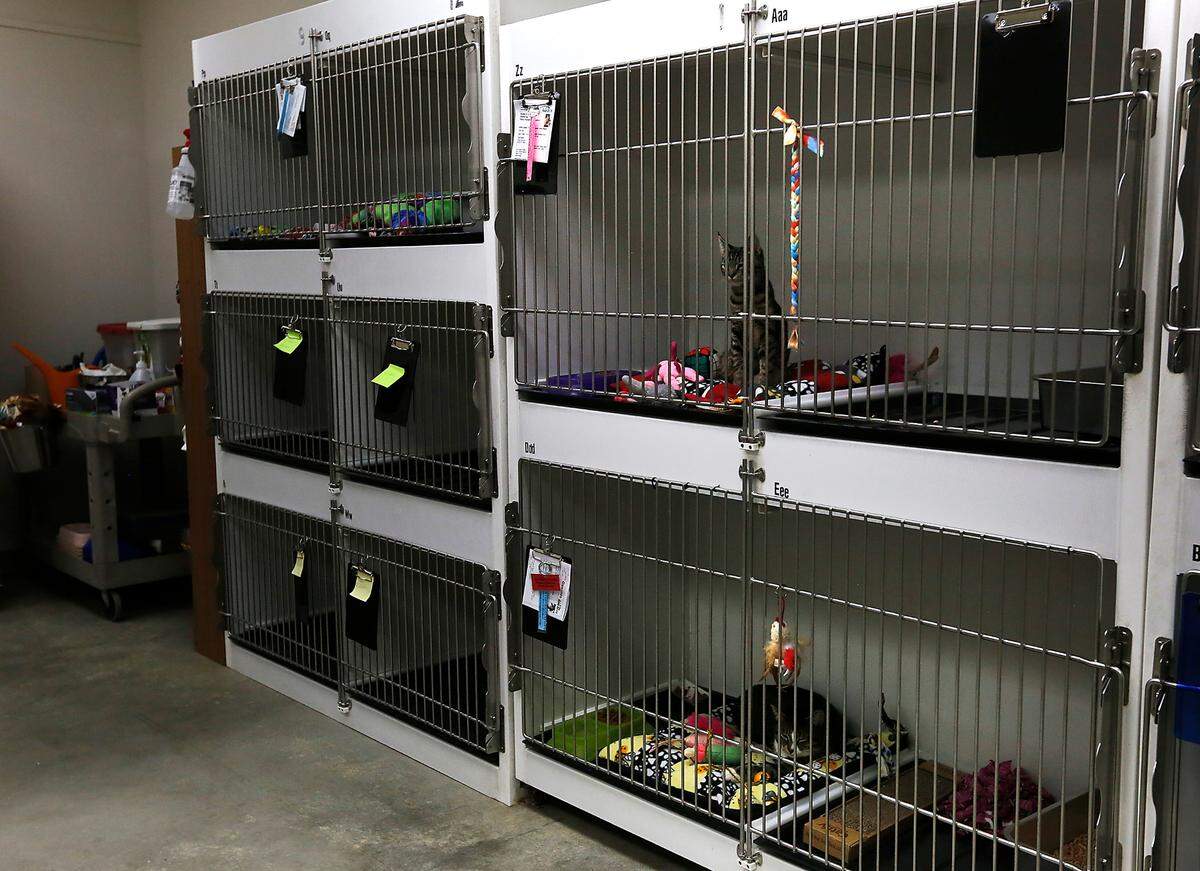
In recent weeks, the shelter has housed about 60 dogs, with 15 of them available for adoption.
Zigan also urged people with missing animals to come to the shelter to see if they are at the facility.
This story was originally published February 6, 2023 at 5:00 AM.