
Surge of respiratory infections in Tri-Cities expected. ER capacity a concern
Tri-Cities health care professionals are bracing for a jump in the flu and the respiratory illness RSV, as an increase in infections that has stressed Western Washington hospitals spreads east to the Mid-Columbia.
Last week emergency departments in Western Washington hospitals were strained beyond capacity with children suffering respiratory infections, including respiratory syncytial virus infection, or RSV, and also the flu.
Historically, infectious disease outbreaks in the Seattle area tend to hit the Tri-Cities a few weeks later, according to the Benton Franklin Health District.
Some emergency departments in Western Washington are at 300% of capacity, mostly due to respiratory illnesses there, said public health nurse Heather Hill, speaking at the Benton Franklin Health District meeting last week.
Tri-Cities area health care facilities are seeing surges already and wait times may be longer than usual in part because of staff shortages that are not unique to Eastern Washington, she said.
Some school districts in Western Washington are reporting many students out sick this month, but school absentee rates are not high in the Tri-Cities area, Hill said.
With the surge in respiratory illnesses in the Tri-Cities area still lagging the Seattle area, the Tri-Cities has a few weeks to prepare, she said.
“We want to prevent hospitals from becoming overwhelmed with mild cases of RSV and flu this winter,” she said in a statement Monday.
Families can help by taking steps to reduce infection as people start to gather for the holiday season and also to keep in mind when a visit to an emergency room is appropriate and when a visit to a walk-in clinic or primary care doctor will suffice.
RSV in Tri-Cities
RSV has arrived early this year, with cases usually expected in January, Hill said.
Public health officials are concerned that last week about 8.5% of hospitalized patients in the two counties were being treated for RSV, which is a higher percentage than seen in the last few years, according to Benton Franklin Health District data.
The number of young children with RSV requiring hospitalization now is surprising, Hill said on the Kadlec on Call podcast.
Usually children are exposed to RSV before they are school age and develop some immunity, but due to measures to prevent infections during the COVID-19 pandemic many young children have not yet been exposed.
Now serious cases are being diagnosed in kindergarten students, according to public health officials.
RSV symptoms are similar to other respiratory viruses and include a low fever, cough, wheezing, fatigue, a runny and stuffy nose, decreased appetite and decreased activity, particularly in infants.
If parents see those symptoms get significantly worse, they need to get medical attention for their child, Hill said.
They may see a young child’s skin turn dusky blue around the lips and mouth, the child may breathe rapidly and their shoulders may go up and down as they work to pull air into their lungs, she said.
While RSV is typically a childhood illness, the elderly and people with compromised immune systems also are at risk, she said.
Flu in Tri-Cities
In Washington state flu activity is high and four people are known to have died from the flu this season, according to the state Department of Health.
In the Tri-Cities, flu cases are starting to increase, but remain far below the level seen during the winter of 2019-20 before COVID-19, according to health district data. Then 15% of emergency department visits were due to flu.
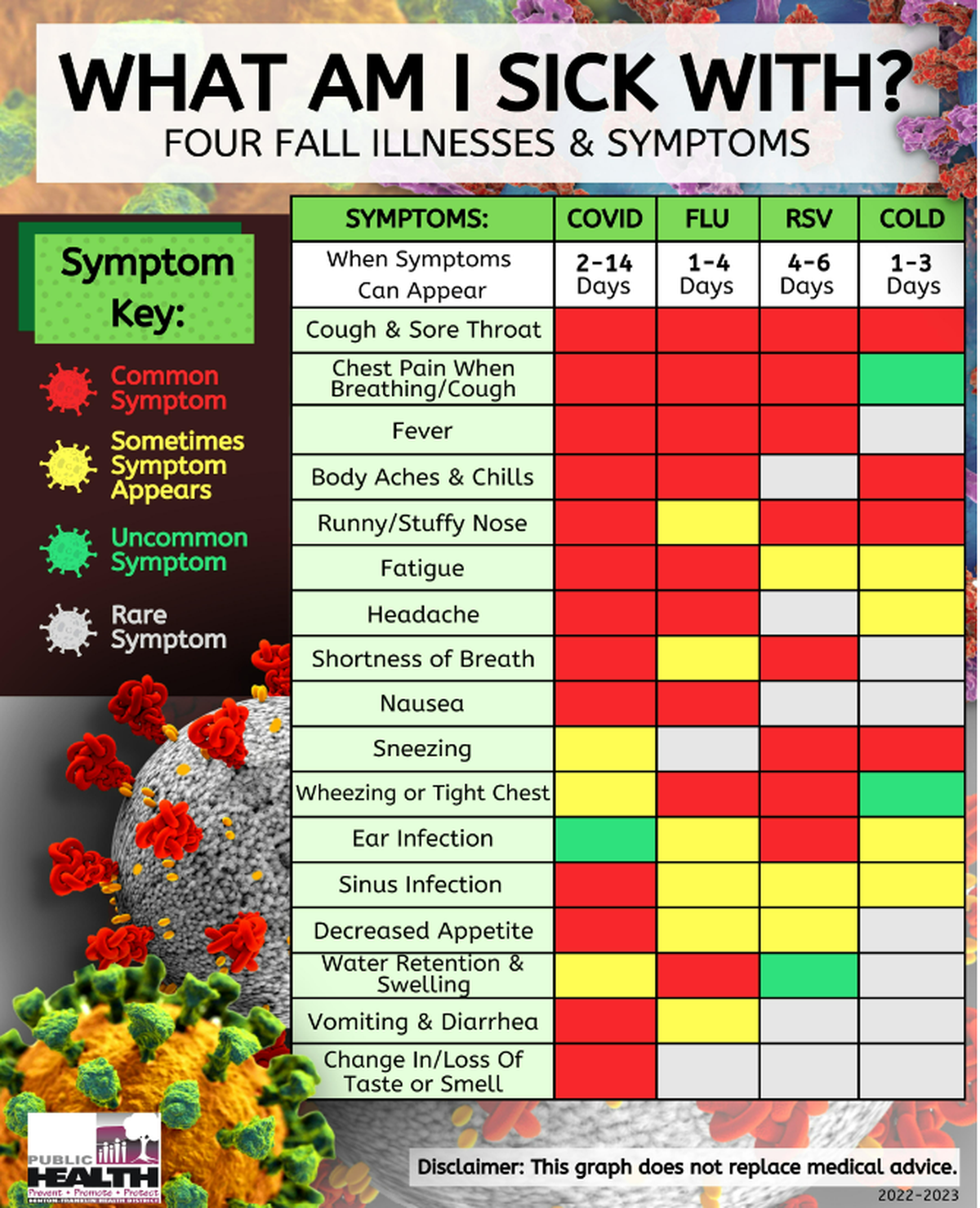
As of last week they accounted for less than 2% of emergency department visits in Benton and Franklin counties.
“It’s important to be cautious this winter,” said Dr. Larry Jecha, interim health officer for Benton and Franklin counties.
People not yet immunized against two respiratory illnesses for which vaccines are available — influenza and COVID-19 — should get them as soon as possible, according to the Benton Franklin Health District.
Both take about two weeks to be fully effective.
In addition, people can help prevent the spread of respiratory illnesses by covering their cough and keeping hands off their eyes, nose and mouth. Anyone sick should stay home and away from others.
Surfaces that are frequently touched should be sanitized.
Consider wearing a mask if you are around people at high risk of serious illness or if you are coughing and sneezing and must be around others.
COVID-19 in Tri-Cities
Last week the Benton Franklin Health District reported one recent death from complications of COVID-19, a Franklin County man in his 20s.
It brings the death toll due to COVID in the Tri-Cities area since the start of the pandemic to 738.
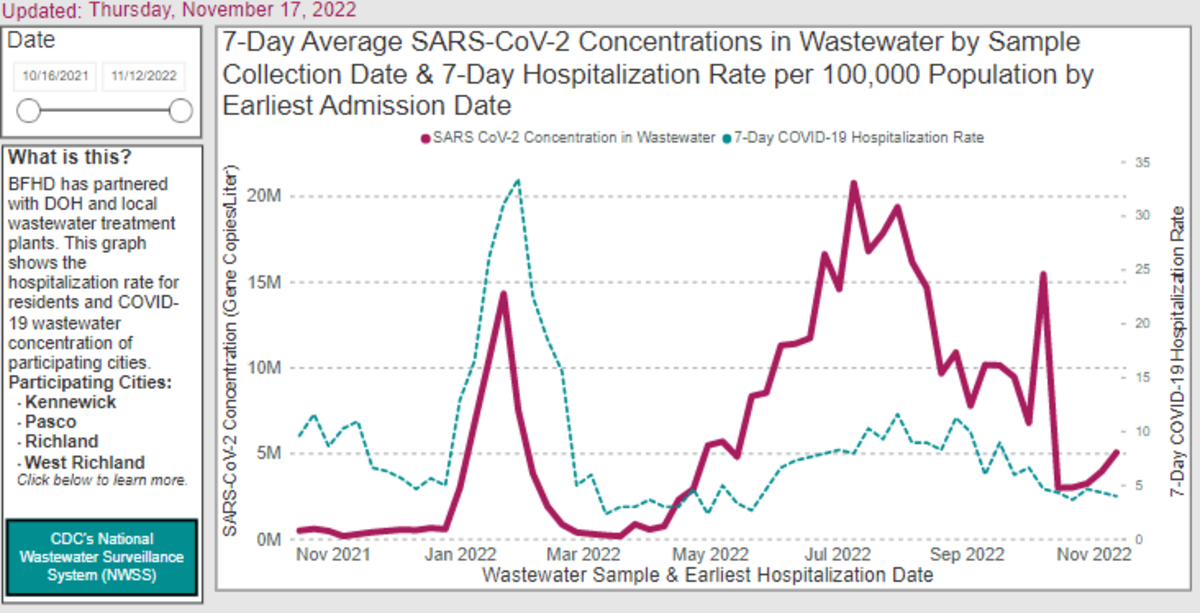
The prevalence of COVID-19 has increased slightly over the past month, as shown by concentrations of the coronavirus in samples of wastewater collected at the Kennewick, Pasco, Richland and West Richland plants.
But concentrations are still at about a third the level found in wastewater samples that were tested mid summer.
When to go to the ER
If symptoms of respiratory or other illnesses are severe, people should call 911 or go to an emergency room. But in milder cases they can be treated at a walk-in clinic, said public health officials.
Some parents are reporting that it can take several weeks to get a child an appointment at their primary health care provider.
Using walk-in clinics and primary care providers, if possible, will keep the Tri-Cities area emergency rooms available for the most critical patients and not delay their care, according to public health officials.
The Benton Franklin Health District says issues that call for treatment in the emergency room include:
▪ An injury or illness that threatens a life or a limb.
▪ Difficulty breathing, loss of consciousness or seizure.
▪ Severe abdominal pain, allergic reactions, burns or skin infections.
▪ High fever with headache or persistent dizziness.
▪ Dehydration or a fast heartbeat that does not slow down.