Tri-City woman’s body found in Snohomish County 30+ years after she disappeared
When deputies found Linda Ramos-Moore’s remains in the woods 32 years after she disappeared, she was more than 200 miles away from her Tri-Cities family and a county away from where she was last seen.
A hunter stumbled upon her while searching for antler sheds on an early spring hunting trip.
Instead of deer antlers, he found human bones.
It’s still unclear what happened to Ramos-Moore, a 1980 Hanford High School graduate, after she walked out of a North Seattle motel on Nov. 4, 1990.
The recently divorced 29-year-old mother of two was headed to a nearby tavern to buy cigarettes around midnight, but never returned to her room.
She was never seen again — until a hunter spotted her three decades later in a remote and forested part of East Snohomish County. It was March 2022.
A few weeks later, pathologists used dental records to confirm the remains were Ramos-Moore. The Snohomish County Medical Examiner’s Office said how she died is still unknown.
And investigators have released few details about the discovery.
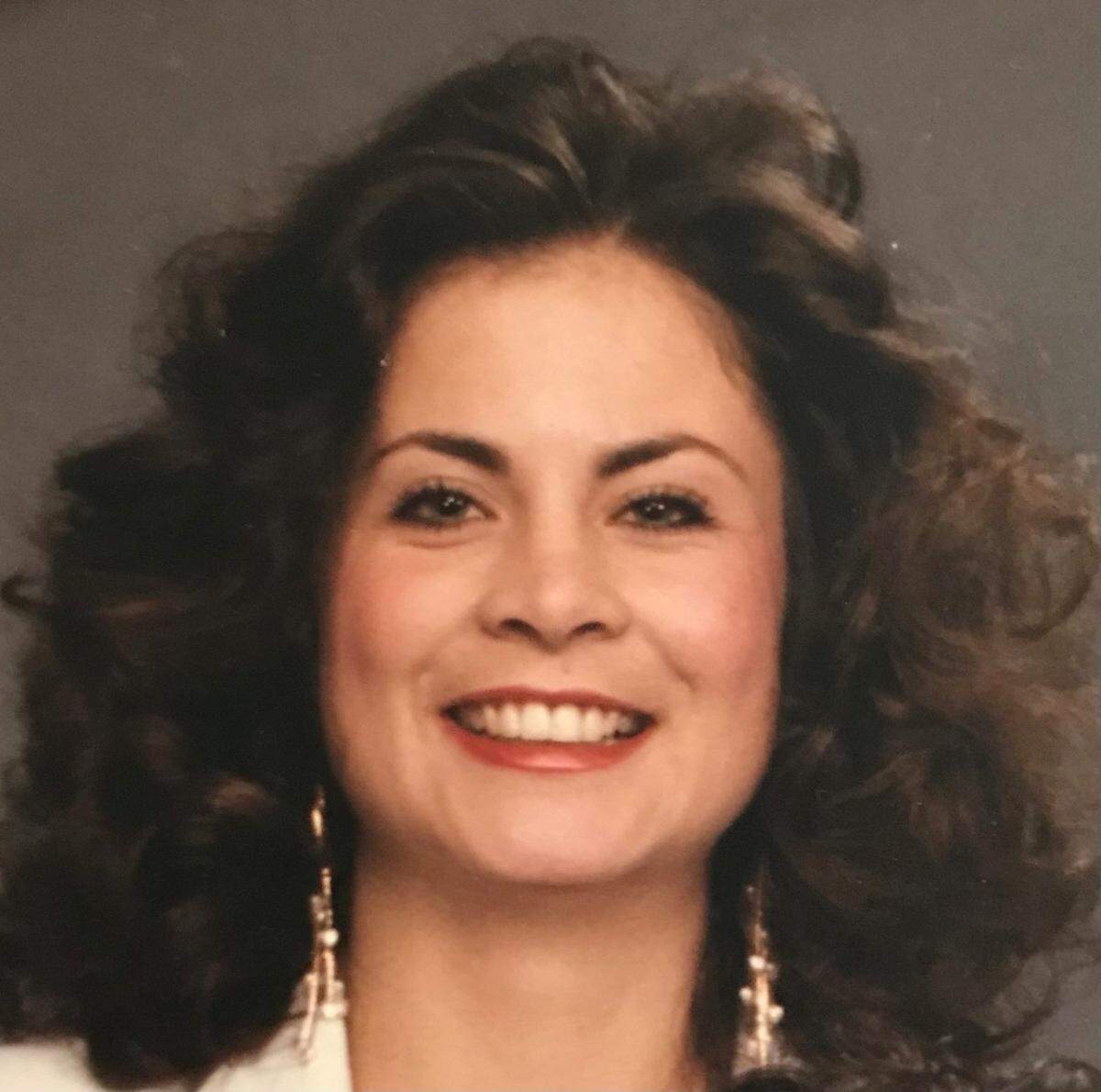
For 32 years, the cold case has puzzled family, friends and police officers.
Hope, grief, sorrow, anger, confusion, despair — all emotions her family had to work through. Questions have continued to pile on. Her disappearance was also looked into by the Green River Killer task force.
Her family, who fears her killer may still be walking the streets, says Ramos-Moore’s tragic discovery has only solved half the mystery. They’re asking anyone who may have information about her death or disappearance to share what they know.
“It just makes me very, very sad to know that she was killed. And that I wonder if her last minutes on earth, if she was scared,” said her sister, Kathy Shirey, 60, of Kennewick. “She was fearless. And she was brave, and she was a force of nature.”
Her sister would have turned 62 this month.
The investigation into her death remains open, and Seattle Police Department’s homicide unit is still soliciting any information about the case. The unit can be reached at 206-684-5550 and tips can be left at 206-333-5000.
Ramos-Moore has been identified by Seattle-area news organizations and police departments as “Linda Moore” because of her legal name, but many in the Tri-Cities may remember her by her maiden name Ramos.
Seattle Detective Rolf Norton declined to comment on their investigation or release any more information on the case.
“I think a lot of things have to come out. I think someone in the Tri-Cities would know more,” said her mother, Mary Burgess, 80.
‘Like a powerhouse’
Ramos-Moore was a “brilliant and beautiful” person who drew the attention of many, said her sister.
“She was like a powerhouse. She was so bright and everybody liked her, and it’s like she was extremely intelligent. She was very wise for how young she was,” Shirey recalled.
The Ramos family came to the Tri-Cities in 1972 after their father, Jerry Ramos, got a job as a nuclear engineer at Hanford.
The family moved from Salt Lake City into a dusty, but new development on the west side of Richland. The family of five quickly settled into the five-bedroom, split-level with a three-car garage just a few blocks from the Highway 240 bypass.
Linda was the oldest at 12, Kathy was 10, and their brother, Richard, was 7 when they arrived. Their youngest brother, Christopher, would be born a short time later.
The house was always “very clean and busy,” Shirey recalled. There was always something to do in their neighborhood.
“It was just really orderly. We obeyed our parents, there was no playing around,” she said.
From a young age, Linda developed an interest in science classes and sports. In high school, she swam competitively. She met her husband, Ric, at Hanford High.
“She was a typical teenager,” Burgess said. “She was a very smart kid. She got excellent grades.”
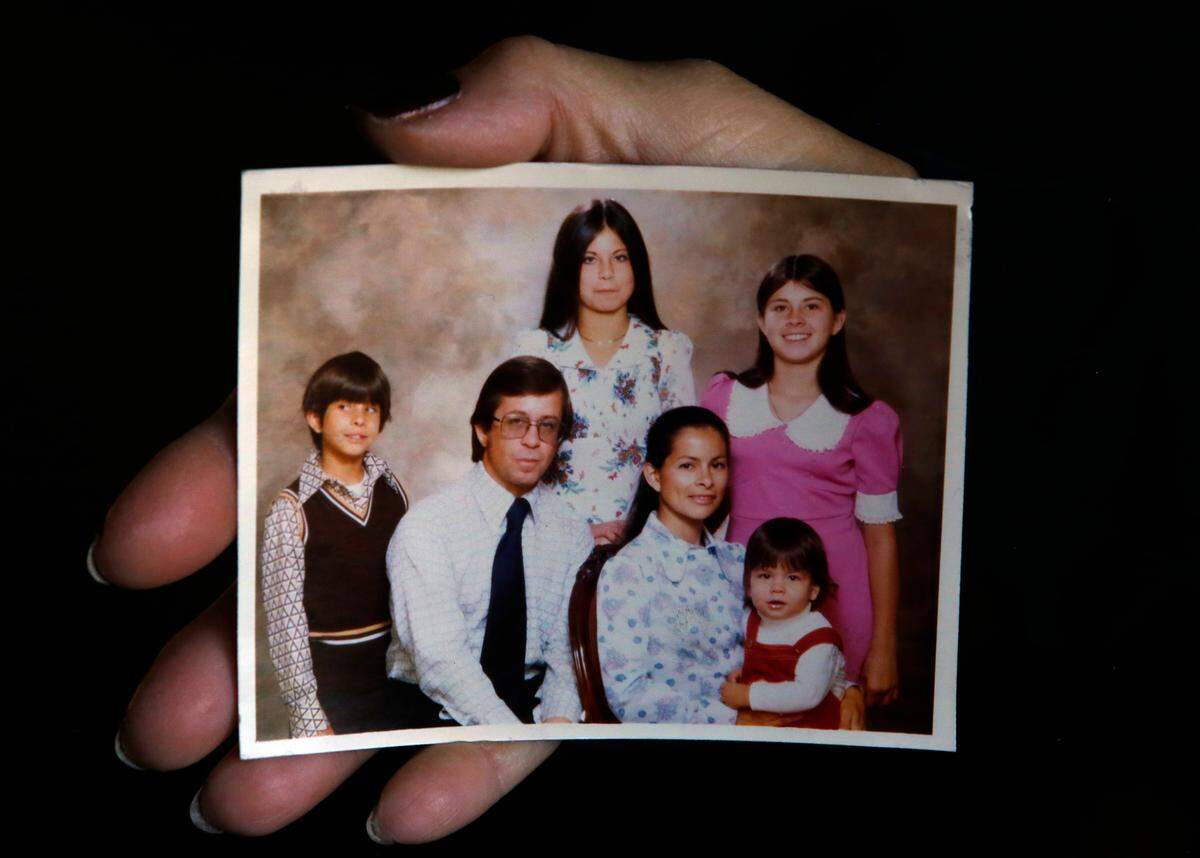
Ramos-Moore had a keen fashion sense. She was trendy, fun and outgoing. She “walked her own path” and “didn’t care” what others thought, Shirey said. She had green eyes and long, dark hair.
After graduating high school, Ramos-Moore attended classes at Columbia Basin College and the University of Utah. She got into construction documents drafting and found work at Hanford and in Salt Lake City and Seattle.
Shirey said she and her sister largely fell out of touch in their 20s. She was going through a divorce and fighting an alcohol addiction. Her sister was busy with her work and her marriage.
Their two lives, Shirey said, were heading in “different directions at different times.”
But Ramos-Moore was facing her own challenges. She developed a drug addiction, something she was never able to kick despite going through multiple rehabilitation programs. She wanted to “quit more than anything else in the world,” a friend said in a previous Tri-City Herald story.
After giving birth to two children — Brant and Marissa — Ramos-Moore’s marriage to her husband fell on thin ice. They eventually divorced, and she found herself between jobs.
Mysterious disappearance
Ramos-Moore was a city girl, Shirey said, so it was no surprise that she went back to the Emerald City in Fall 1990 to find greener pastures.
Shirey said she didn’t know at the time her sister had left in search of a new drafting job.
Ramos-Moore was staying at the Geisha Inn — located just off Aurora Avenue, in North Seattle — for close to a week by the time she went missing. Shirey said her sister had made a list of places where she had job interviews lined up.
“She had a great ambition to go in and interview and leave that crap behind,” she said.
The Geisha at that time had developed a reputation as both the cheapest place to stay along Aurora, and also a site frequented for prostitution with its red-shag carpets and choice of water beds.
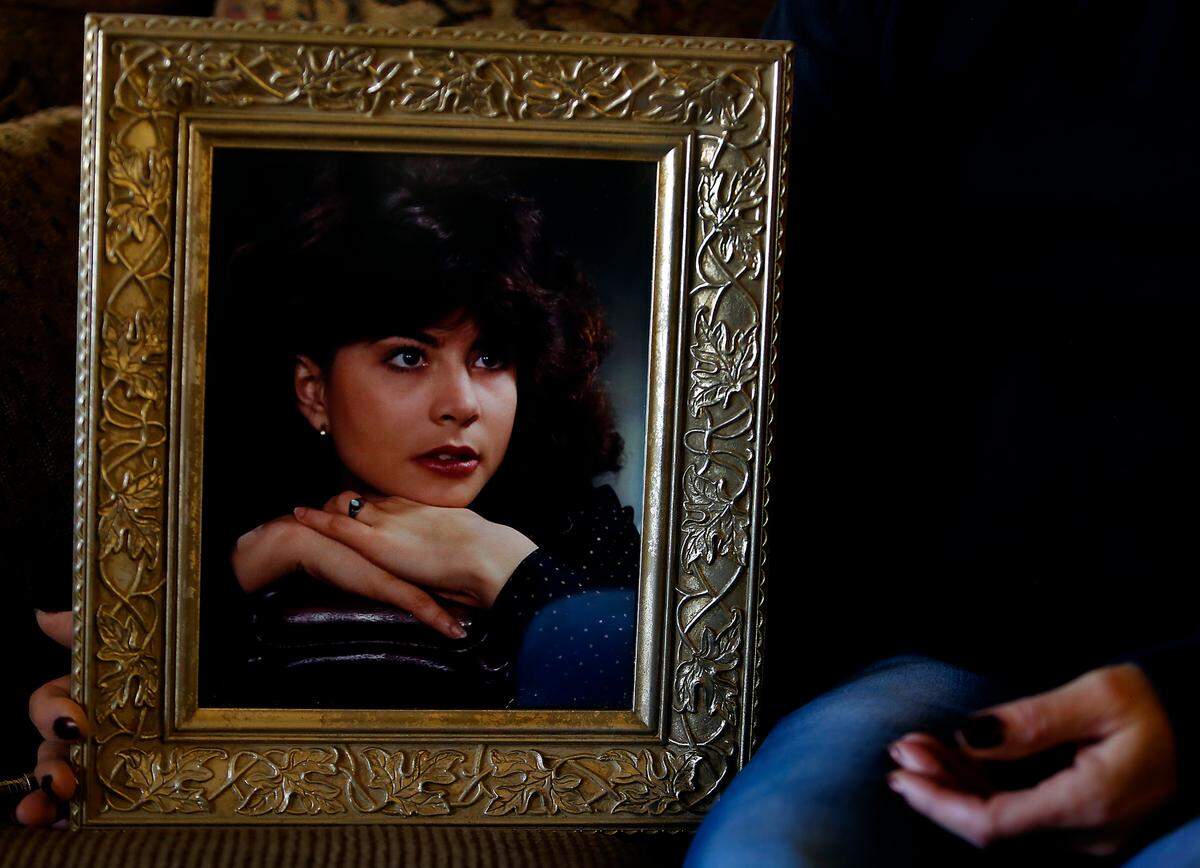
Although she was making headway in her job search, the stress was eating at Ramos-Moore. She had also recently just split from a live-in boyfriend.
Previous reports published in the Herald about her disappearance reveal smidgens of details about what her last few hours were like.
The night of Nov. 4 — just three days before her 30th birthday — Ramos-Moore invited a male friend over to her motel room for some moral support. Around midnight, drained and frazzled, she borrowed a few dollars from her friend for some cigarettes from a nearby tavern.
She put on her white ski coat, but left behind her makeup and purse, inside pictures of her two children, age 5 and 2.
“I’ll be right back,” Ramos-Moore told her friend.
She never made it to the tavern.
Her friend, the last person reported to have seen her alive, tried looking for her and reported her missing the next day. Police never opened a case, though, until family members reported her missing six months later.
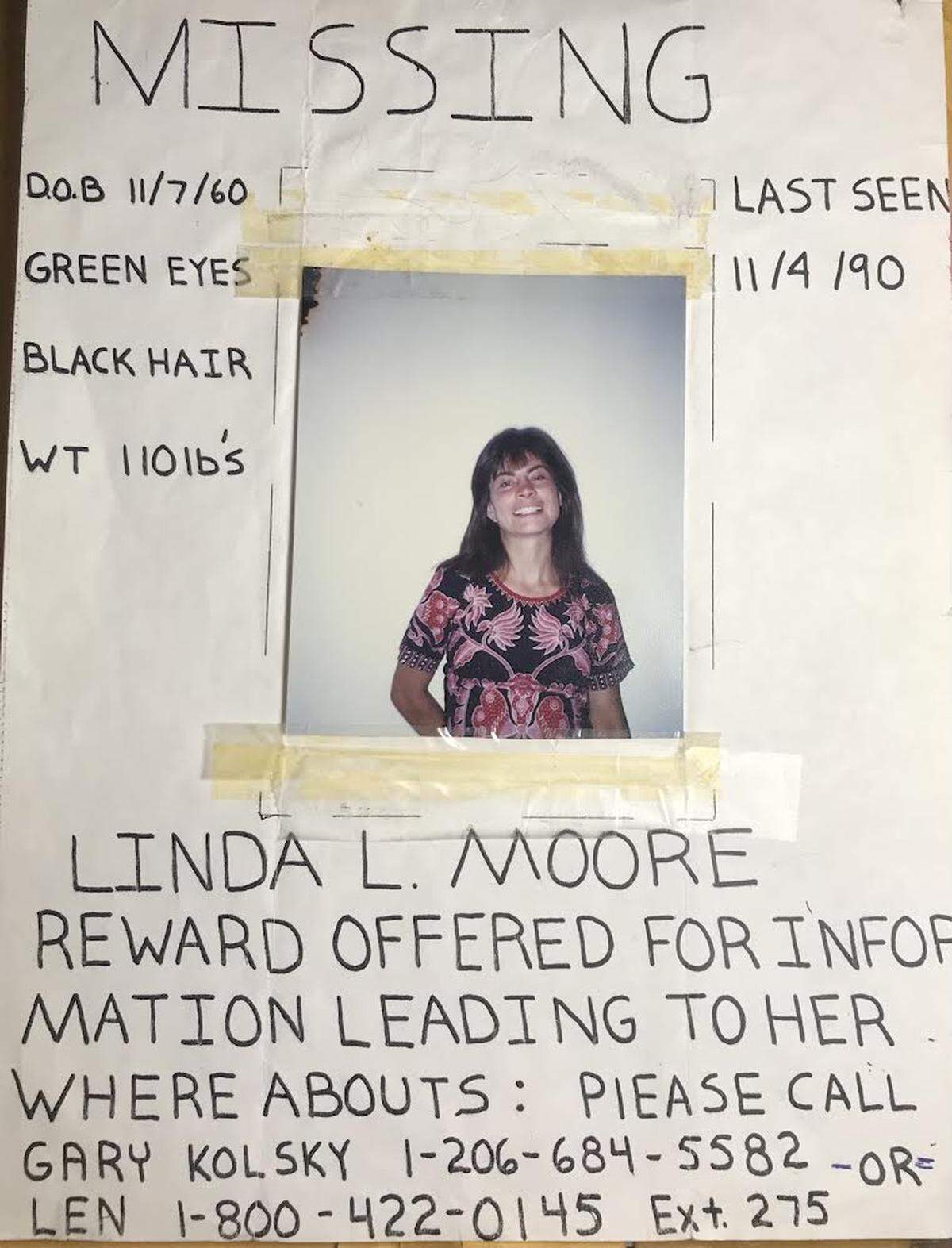
Soon after, fliers with Linda’s face lined telephone poles and shops throughout Seattle and Portland. Investigators searched hospitals, homeless shelters and several medical examiner offices.
Nothing.
‘Nobody deserves that’
Ramos-Moore had apparently called the Spokane treatment center Shirey was working at on the day she went missing. She asked the receptionist for her phone number, but they declined to give out that information as Shirey was off that day.
Finding her remains only brought “50/50” peace, Burgess said. Now, they’re searching for justice. Her family is convinced she was attacked and killed.
“I’m glad they found her. There was always the hope that she would be alive, but not when they found her like that. We knew that was foul play,” said Burgess.
When Burgess thinks about her daughter, she considers what could have been — how she would have found a new job, a new belonging and seen her children grow up.
Shirey spoke with the Herald on Linda’s birthday, Nov. 7.
“I always take this day off. Usually the 4th and the 7th, and the days between I usually just check out,” she said. “And then I just try and bottle it back up until next year.”
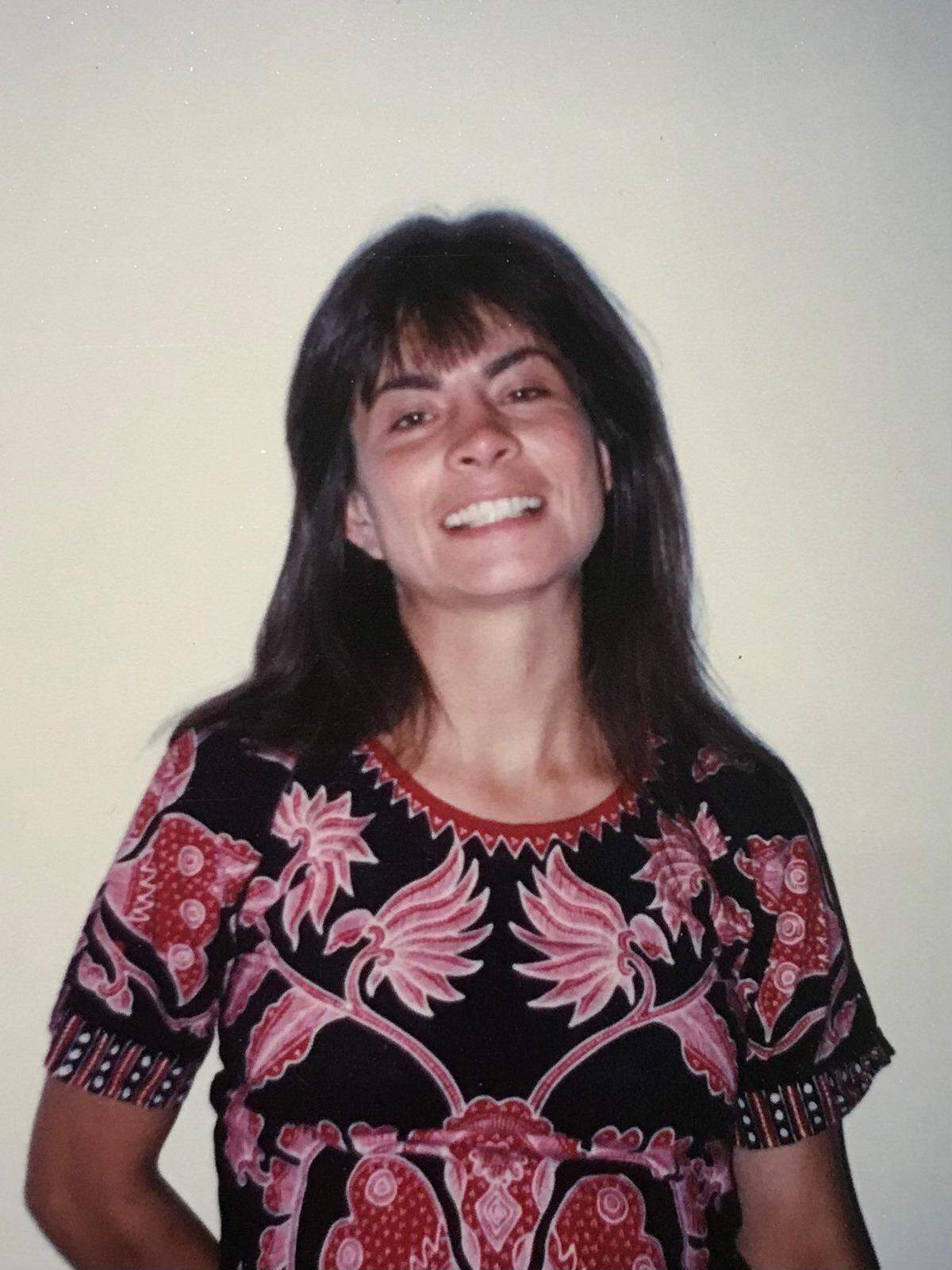
“Nobody deserves to be tossed out, and buried in the woods. Nobody deserves that,” Shirey continued.
Ramos-Moore’s disappearance was briefly linked to the Green River task force’s work in the early 1990s, but no evidence has ever been found to link Ramos-Moore to those murders.
Shirey said Gary Ridgway — the infamous Auburn, Wash., murderer who, in the 1980s and 1990s, killed 48 women — has denied any involvement in Ramos-Moore’s disappearance and death. Though many of Ridgway’s victims, who were prostitutes, were picked up in the same area where the Tri-Cities woman disappeared.
A 1993 Seattle Times story listed Ramos-Moore among 11 other women who had recently disappeared from Snohomish, King and Pierce county.
Police suspected then that the missing cases, along with 29 other confirmed deaths, could have been tied to the Green River killer.
Ridgway was arrested in 2001, with DNA evidence linking him to some of the murders. He remains incarcerated at the Washington State Penitentiary in Walla Walla, serving a life sentence without parole.
Ramos-Moore’s remains also were found in an area near where Hazel Gelnett was found slain in May 1988, her family says.
Gelnett was one of the 29 confirmed dead in the Times story. A truck driver, Scott William Cox, was later suspected of being involved in her murder, though.
Path to justice
Police continue to investigate Ramos-Moore’s death as a homicide and her family continues to grieve.
But how close are they to justice? Burgess says it “depends on the police department.”
She and Shirey have their critiques of the investigators and their own theories of who did it.
Linda was a “warm person.” A real “looker,” Burgess said.
“I just want justice for her. No matter what her life was like, she had two beautiful children who never got to know her. And me, I would love her to meet this old bag,” Shirey said laughing. “I just wish it was different for her. God, I would give anything for her to have some justice.”
While what’s left of Ramos-Moore’s body remains under police possession in Seattle, Shirey said she hopes one day to bring her sister back to the Tri-Cities.
And finally put her sister to rest — as well as three decades of questions.
This story was originally published November 21, 2022 at 5:00 AM.