
4 Tri-Cities companies pay EPA fines over home renovations that likely had lead paint
Four Tri-Cities contractors have agreed to pay fines after being accused of not complying with federal regulations for renovating houses that likely contained lead paint.
The Environmental Protection Agency announced Monday as National Lead Poisoning Prevention Week starts that it has reached 22 settlements so far this year with Idaho and Washington home renovators for violations of lead safety laws.
It has stepped up inspections of home renovation contractors, including in communities with environmental justice concerns. In the last fiscal year it conducted a record 137 inspections of home renovation contractors.
The federal government banned lead-based paint in homes in 1978, but older homes still may have lead based paint, sometimes under layers of new paint.
Anyone who is paid to do work that could disturb paint in homes that were built before 1978 is required to be certified by the EPA under the Lead Renovation, Repair and Painting rule.
That can include remodeling or repairs, electrical work, plumbing, painting preparation, carpentry and window replacement.
“Our actions are helping to protect families, workers and customers while increasing accountability and transparency,” said Casey Sixkiller, the administrator of EPA Region 10.
The EPA is working in the Northwest to raise community awareness of lead based paint requirements and ensure companies comply with certification, training and safety requirements to reduce lead-based paint health hazards, he said.
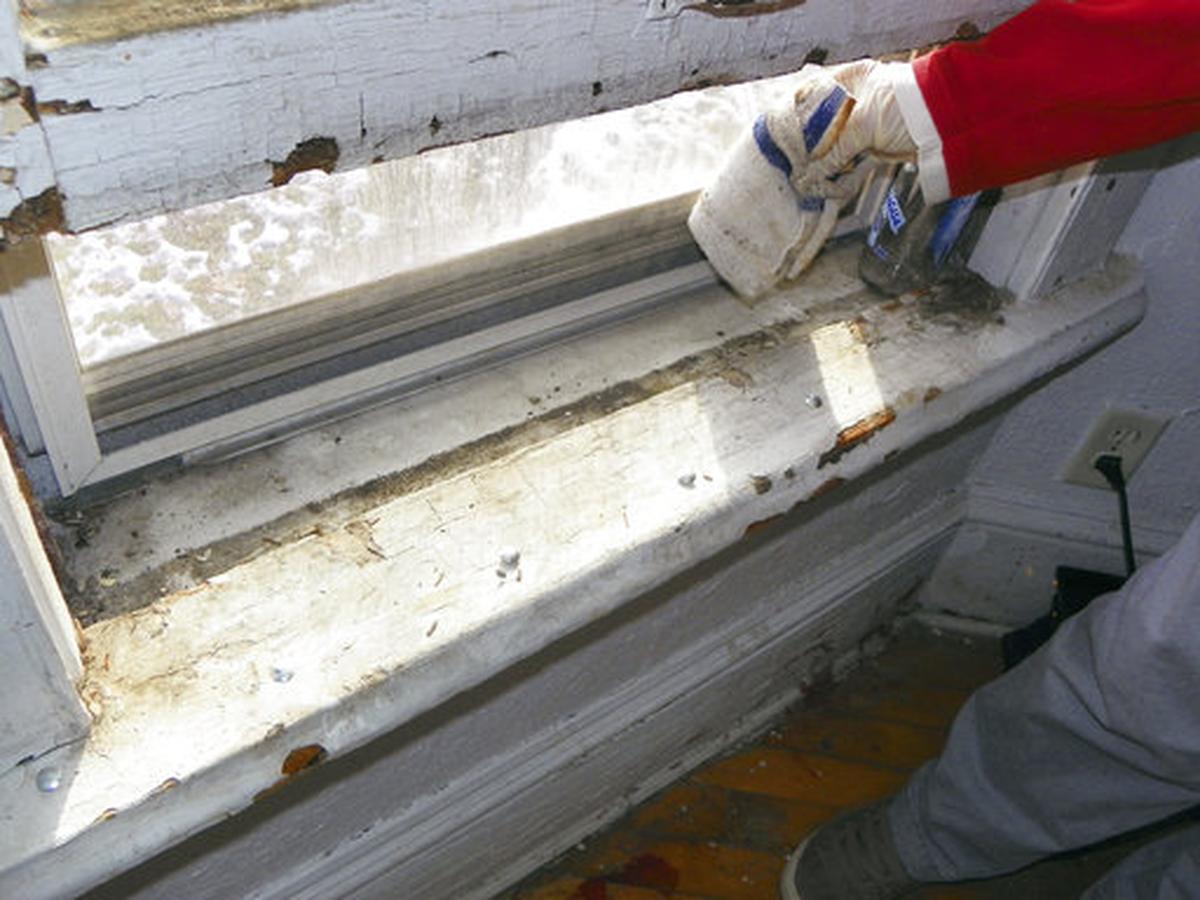
Young children are especially vulnerable to lead poisoning from touching, swallowing or breathing in lead dust, according to the Centers for Disease Control and Prevention.
No safe blood lead level in children has been identified.
Lead exposure in children can damage the brain, slow growth and development and cause learning, behavior, hearing and speech issues, according to the CDC.
Children exposed to lead may have lower IQ, decreased ability to pay attention and underperform in school, it said.
22 companies fined
Under the terms of settlements with EPA, the 22 companies agreed to pay civil penalties and certify they are complying with renovation, repair and painting certification requirement before offering to and doing renovations.
The companies did not admit guilt under terms of the settlements.
Tri-Cities 2022 actions, according to EPA, include:
▪ Walther IHA of Kennewick agreed to pay $1,000 after it was not certified to renovate a home built in 1944 at 605 Thayer Drive, Richland.
▪ Kustom US of Pasco agreed to pay $1,000 after it failed to make records available after renovating a house built before 1978 at 2156 Cascade Park, Richland.
▪ Five Star Associates of Kennewick agreed to pay $200 after it failed to obtain certification from the Washington state Department of Commerce for renovations at a house built in 1953 at 401 S. Buntin St., Kennewick.
Companies are required to comply with state requirements related to the federal law on lead paint.
▪ TK Hudson of West Richland agreed to pay $200 after it failed to obtain certification from the state for renovation of a house build in 1946 at 2204 Frankfort St., Richland.
Protecting families from lead
EPA provides free training in English and Spanish to contractors to become certified to work on homes that may contain lead paint. It also provides information for homeowners doing renovations themselves to help them determine if lead-based paint is present and to control the spread of lead dust.
More information about EPA’s lead poisoning prevention programs and resources is posted at epa.gov/lead.
The Washington Poison Center says a blood test is the only way to determine if a child or an adult has been exposed to lead.
Lead-based paint is the most likely cause, but children can also be exposed through imported candy, spices and cookware; toys, jewelry and keys; traditional home remedies and cosmetics; drinking water and contaminated soil.
It recommends testing paint in homes built before 1978 and dusting with a damp cloth and mop regularly, especially around window and door frames.
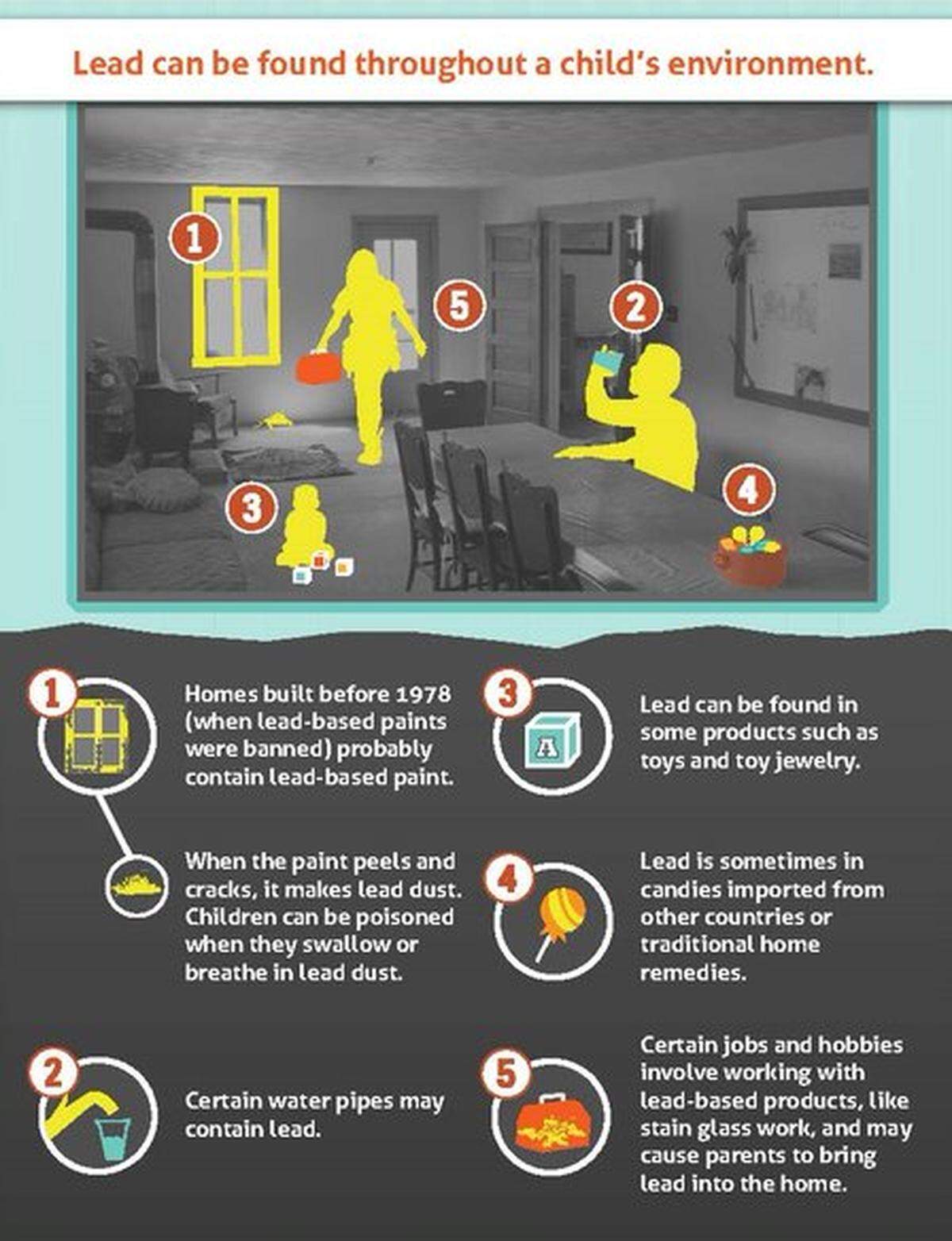
Only cold water should be used for drinking and cooking and faucets should run for 30 to 60 seconds each morning before water is consumed, it said. Screens and aerators in faucets should be cleaned frequently to remove captured lead particles.
Washington Poison Control also recommends washing children’s hands, bottles, pacifiers and toys often.
Removing shoes before entering your house also can help avoid tracking in soil contaminated with lead.
This story was originally published October 24, 2022 at 12:47 PM.