
Dam near Kennewick is one of 50 in WA in ‘poor’ condition. What’s being done about it
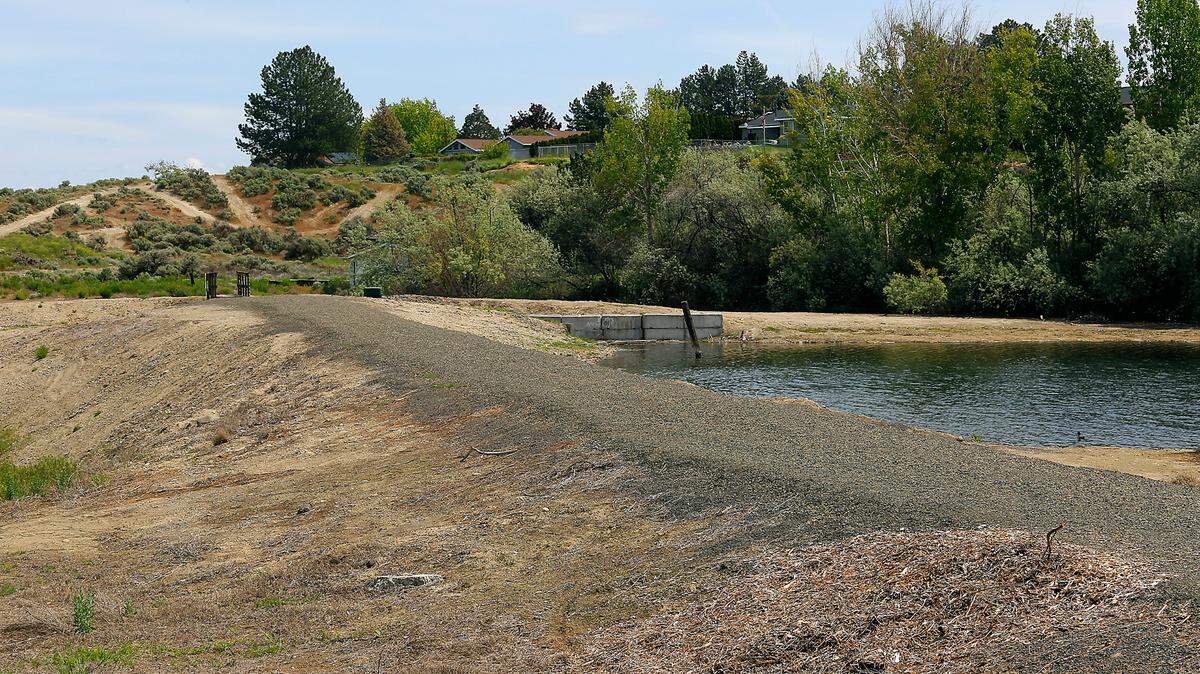
An earthen dam owned by the Kennewick Irrigation District is rated by the Washington state Department of Ecology as being in poor condition, but improvements are being made.
An Associated Press investigation of dam conditions in Washington state recently reported that three dams in Benton County were ranked as “high hazard” and rated as being in poor condition.
But two small dams owned by Zirkle Fruit Co. in the county have been upgraded to satisfactory and fair condition.
The KID dam of concern is named Blair Reservoir Dam but the body of water it holds across about seven acres is better known as Elliot Lake. It is near South Gum Street and South Kingwood Street outside Kennewick city limits.
However, the rating of poor does not mean the the dam is failing or that there is an imminent danger of the dam failing, according to the Department of Ecology.
More serious is a rating of unsatisfactory and only one dam in the state, related to mining operations in Stevens County, has that rating, and the owner is required to limit the amount of water in the dam, according to the Department of Ecology.
The Department of Ecology inspects the KID dam annually and in 2021 it found six deficiencies it wants KID to address, some of them to meet new and changing requirements.
“Poor condition just means it has things that need to be repaired or added,” said Jason McShane, KID engineering and operations manager.
The 32-foot-high dam allows irrigation water to be stored and about 68 homes near the lake get their water from the reservoir. It is KID’s largest dam, with smaller ones classified as impoundments, and it could be called into service in the event of a severe drought.
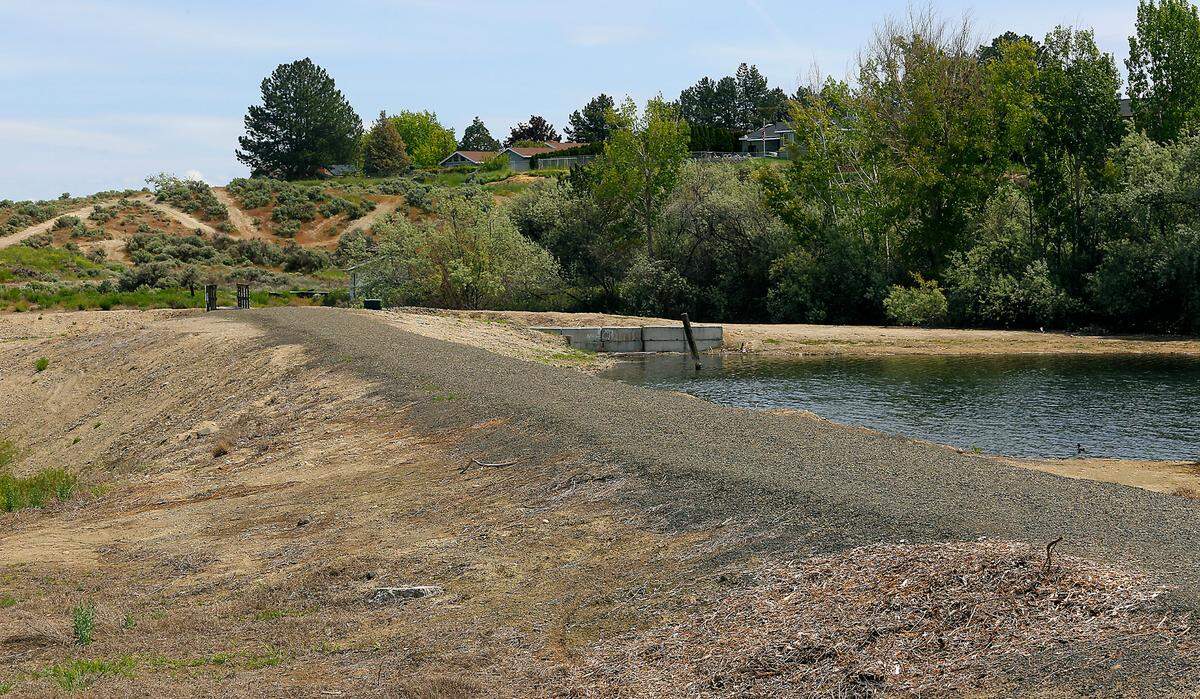
The latest inspection recommended adding a staff gauge to monitor the level of the water in the lake. Built in the 1960s, it has never had a staff gauge, but one is planned to be installed in the coming week.
The level of the water typically varies by just a couple of inches, McShane.
“But it is an easy thing for us to put in that (Ecology) dam safety would like us to do,” he said.
KID also is working on an elevation survey of the dam crest and outlet structures .
An updated and hydraulic and hydrologic analysis of the dam is recommended, along with an updated operations and maintenance plan when the state provides a new format for the plan.
Some items are quick fixes, like adding current contact information to the dam’s emergency action plan.
Ecology also is recommending that erosion protection needs to be improved on the dam and around outlet structures, which would be done in conjunction with the hydrologic analysis and any resulting modifications to the spillway or dam.
KID dam spillway cracked
KID says that it has known for 15 years that the concrete spillway will need to be replaced as the bottom has worn down over decades by water that passes down the chute 24 hours a day. There also are cracks in the concrete, but they are well above the water level.
Some temporary repairs have been made and they have held, McShane said. That includes removing part of the spillway and replacing it with concrete ecology blocks typically used for retaining walls.
None of the current requests are costly enough to require KID budget requests. However, if the spillway is replaced it could be in the range of $100,000.
“The district inspects the dam regularly and any type of concern about the safety and integrity of the dam would be something we are looking at all the time,” McShane said. “We would be making immediate corrections.”
The Washington state Department of Ecology gives the dam a hazard rating of 1B, which means 31 to 300 lives could be at risk if it fails.
However, KID says if the dam were to fail most of the reservoir’s water still would be contained in a lower pond bounded by Kingwood and Gum. There also is a culvert under Kingwood with a spillway that would route water to the Columbia Irrigation District canal.
The other two dams in Benton County that were initially listed as in poor condition were the Gap Road Dam, which now has a conditional assessment of satisfactory, and the Paterson Ranch Reservoir which has a conditional assessment of fair.
Zirkle Fruit has a record of stellar compliance with Ecology’s dam safety office, according to the Department of Ecology.