
‘Relentless’ Wanapum leader dies. He helped bring home Kennewick Man, the ‘Ancient One’
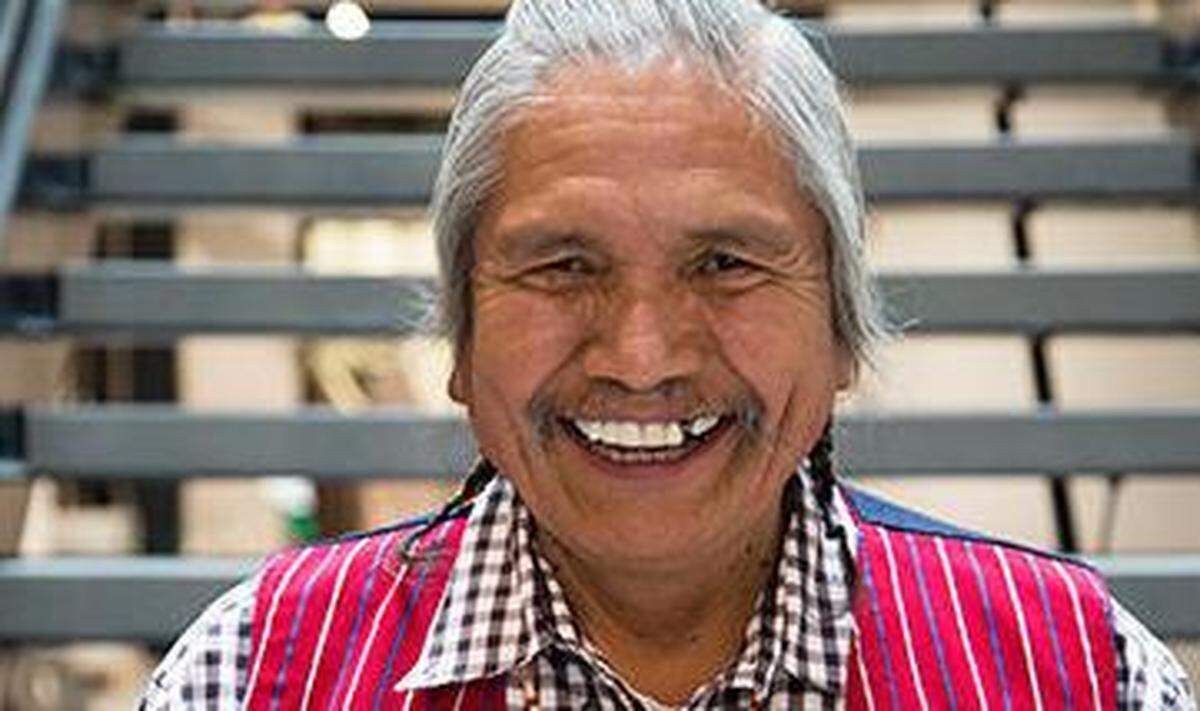
.JPG "Rex Buck laughs at a joke during the dedication ceremony for the Sacajawea State Park Interpretive Center in Pasco in 2007. Buck, the leader of the Wanapum Band, died Feb. 11, 2022.")
The leader of the Wanapum band has died.
Rex Buck Jr., 66, died Feb. 11 at his ancestral village of P’na at Priest Rapids on the Columbia River in Grant County, Wash.
The Wanapum band lived at what is now the Hanford nuclear reservation site until the land was seized during World War II and the Wanapum were forced to resettle at their winter campsite in Priest Rapids.
“Rex was thoughtful and sincere, a leader who took his responsibility to the land seriously, consistently ensuring that the department understood the perspectives and priorities of the Wanapum people,” said Brian Vance, the Department of Energy’s Hanford manager.
“I am honored to have known Rex and I’m confident that his legacy will influence future generations in a profound and meaningful way,” Vance said.
Buck was given the responsibility of leading the Wanapum people while still in his 20s, according to his obituary.
He had an easy-going way about him, but was relentless in his support of Wanapum culture.
He worked, with his wife, Angela, to build the new Wanapum Heritage Center on Highway 243, as not only a museum that tells the story of the Wanapum people, but also a place where the Wanapum can record and pass on their language and traditional lifestyle to new generations, according to his obituary.
He often was outdoors, helping to identify places and resources important to the Wanapum that should be preserved. A lifelong fisherman, he worked to support regional fish runs.
After his father died, he took on a greater role working with the federal agencies on land near the Wanapum village, according to his obituary.
Not only is the 580-square-mile Hanford site near Priest Rapids, but also the U.S. Army’s Yakima Training Center.
Hopes for Hanford return
“He spent decades developing and maintaining relationships with agency leads and land managers of the Wanapum traditional territory, which the Wanapum use to support their traditional lifestyle,” his obituary said.
“Rex viewed the current landowners as stewards of the landscape for now, understanding that land-use decisions today will make a difference in its health and long-term viability to support future generations of Wanapum people,” the obituary said.
When told to leave Hanford in 1943, the Wanapum people understood that it was for an important wartime effort, but that they could return to their traditional land after the war, Buck said in an interview in 2003 for the Voices of the Manhattan Project.
Native Americans were not compensated, unlike farmers who received some payment when they were ordered to leave their land for a secret wartime project, the production of plutonium for the atomic bomb dropped on Nagasaki, Japan.
“Hopefully, we will be able to come back some day,” Buck told the Tri-City Herald in 2001.
He said he hoped that one day the nuclear reservation will be clean enough that the Wanapum may again freely visit sacred areas central to their spiritual life and the cemeteries where their ancestors are buried.
He said he wanted Wanapum children to camp where generations upon generations of Wanapum had camped before them.
Buck and Kennewick Man
His obituary said that “like his father before him, Rex shared the critical aspects of Wanapum traditional ways with scores of interested people, from lay people to academic researchers. His encyclopedic understanding of traditional ways and their connection to the past was seemingly endless.”
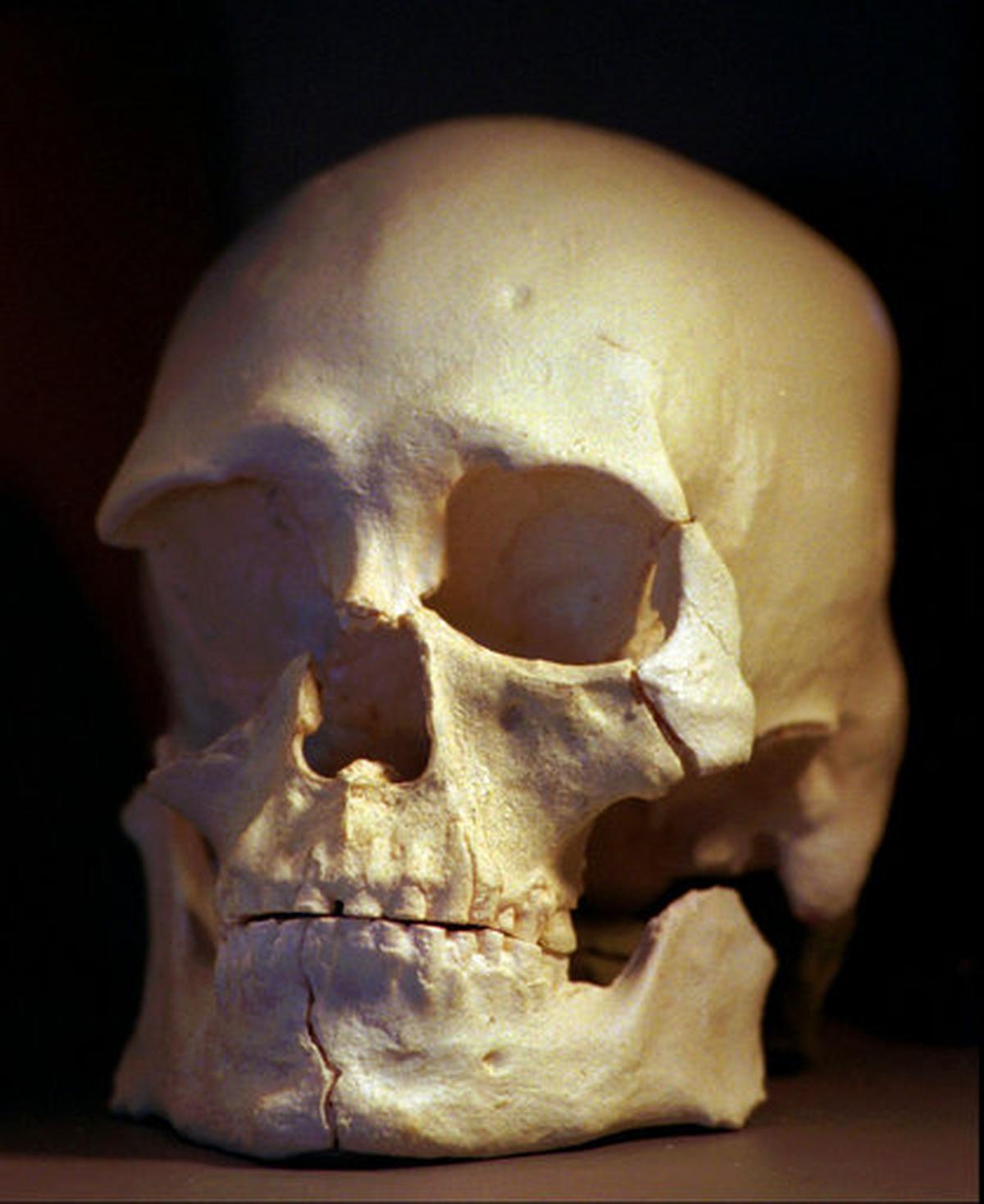
Late last month, the Burke Museum of the University of Washington in Seattle named Buck an archaeology curatorial associate to honor his decades of contributions to the museum and his work to repatriate the remains of Native Americans, including Kennewick Man.
He also was chairman of the museum’s Native American Advisory Board.
Buck led the cultural protocol as the Burke Museum became the court-appointed repository for Kennewick Man, known by Native Americans as The Ancient One, in 1998.
Buck ensured proper care for The Ancient One for 19 years until the bones were reburied by Native Americans.
He also helped repatriate hundreds of ancestors and tens of thousands of objects for multiple Columbia River tribal nations as part of the Burke Museum‘s commitments under the Native American Graves Protection and Repatriation Act.
“I was praying all the time to understand what my elders told me: Bring the people home. I tried to stick with their word,” he said when he was honored by the Burke museum.
He is survived by his wife, seven children and grandchildren.
This story was originally published February 15, 2022 at 5:00 AM.