
‘Feeding frenzy.’ Tri-Cities strained housing market nears crisis point
Tri-Cities home hunters can’t catch a break this spring.
The median home price busted the previous record in March with the median price of $358,600.
The jump was $20,000 in just one month, according to the Tri-City Association of Realtors.
And it was the largest single month climb since early 2017.
“It boils down to demand and the number of homes on the market,” said Ron Almberg, president-elect of the association and an agent with Keller Williams Realty.
It’s the same dilemma that has been bedeviling the community for a few years — higher prices and very few choices.
But it doesn’t make it less shocking to veterans in the real estate industry, Almberg said, noting this is new territory for everyone.
“The number of homes available are becoming a crisis point,” Almberg said, who has been a real estate agent for 12 years and has lived in Tri-Cities for nearly 25.
The Realtors association’s report showed that March had an average of only 195 active home listings, which includes everything from townhomes to a single-family houses.
By April 8, the Multiple Listing Service (MLS) showed only 159 active homes for sale, said Dave Retter of Retter & Company Sotheby’s International Realty.
And after removing manufactured homes and new home construction, there were just 83 existing houses for sale in the entire Tri-Cities, he said.
Retter said only 17 of those homes for sale were less than $300,000.
“I don’t see this changing anytime soon,” Retter said. “I try to be cautiously optimistic, but I don’t think its changing for next 18 months.”
Quick sales
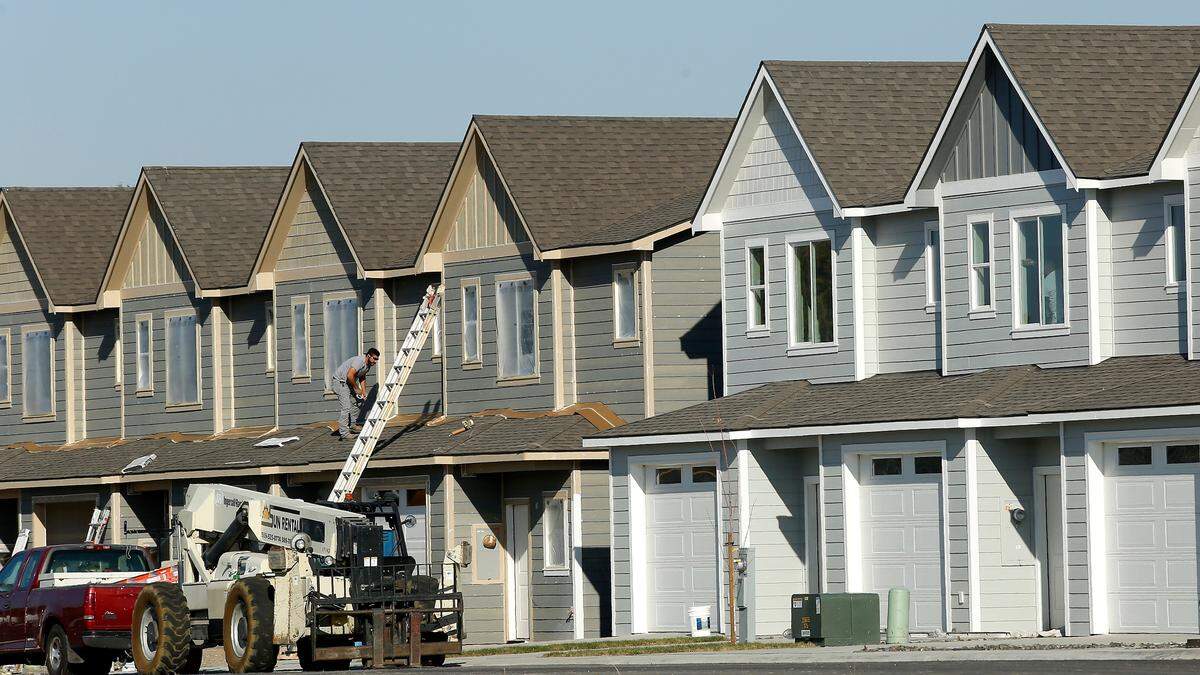
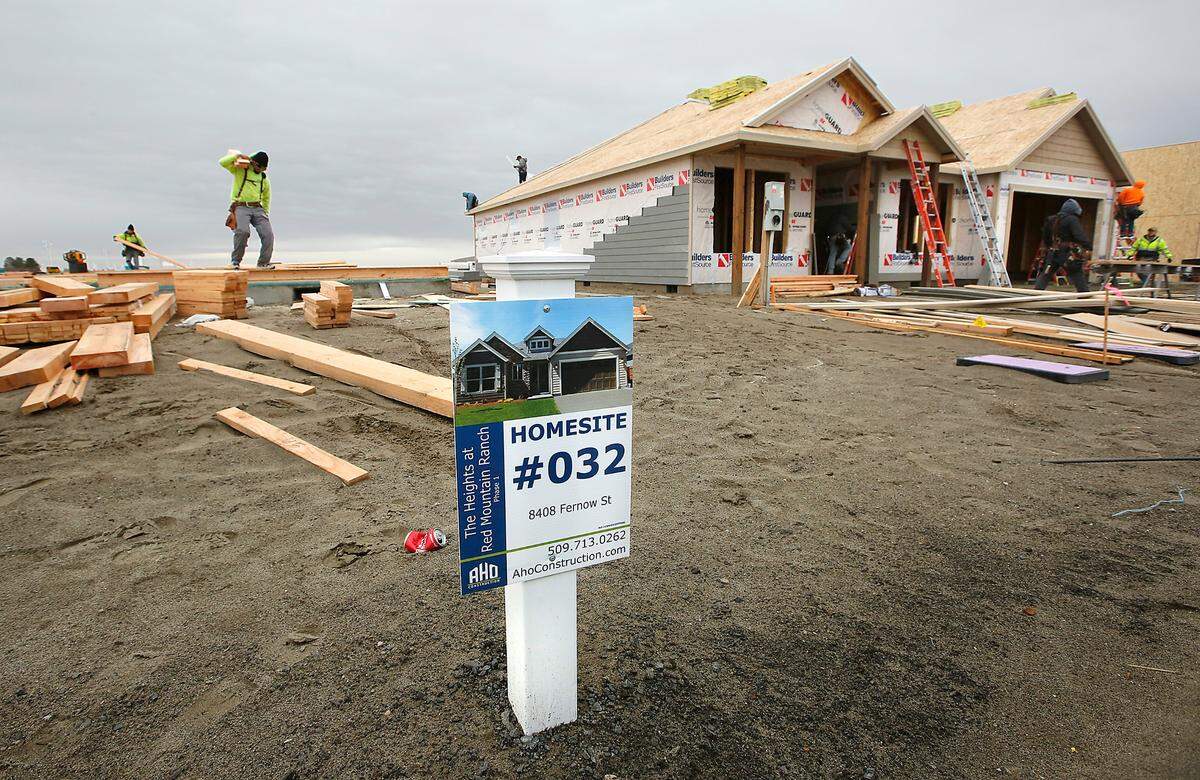
Even with a rapid number of new housing subdivisions and construction throughout Tri-Cities, the available inventory of homes for sale is minuscule because most homes are selling so quickly.
In March, the median was six days for a listing to be on the market.
Almberg said if a home is priced right, within 24 to 48 hours sellers may be fielding up to a dozen offers.
Retter said that he recently sold a townhome that was a cash offer and closed a week later.
While interest is gaining for condos and townhouses, the Tri-Cities hasn’t caught up yet on the number of them being built and the demand for them.
“When people move here, their first preference is to have a yard and barbecue,” Retter said. “We’re starting to take first time homebuyers out of the market because it is harder to afford a typical city lot.”
Almberg told the Herald that 54 percent of home sales in Tri-Cities are new construction. New homes used to to account for only 20 percent to 30 percent. And lots have been selling for $100,000 and up.
“We’re building a ton of homes, and there still is not enough homes to meet demand,” he said. “Until we see relief on pressure on existing homes, I don’t see prices coming down.”
He said that he used to advise first-time homebuyers that they should plan to spend about $100,000 or $150,000.
Now, he recommends a minimum of $225,00 to $250,000, and to expect that they may get something that is not in great shape.
For five years, the annual median prices of homes in the Tri-Cities has gone up an average of $25,000 each year, according to data from the association.
In 2015, the median sales price of a single-family home was $204,000. Last year it was $325,000.
Almberg has had many clients making offers that include waving inspection contingencies, as well as low-appraisal contingencies, coming to the table with more cash and offering $60,000 or more over the listing price.
“We aren’t a Seattle where people are going $200,000 over, but we are getting there,” he said.
Almberg recently sold a 600-square-foot prefabricated “Alphabet House” in central Richland for more than $200,000.
The market leaves many people out in the cold — such as those who have financing from Federal Housing Administration or the Veterans Affairs. Both lending programs have stricter restrictions on conditions of homes and appraisals matching sales prices than conventional loans.
“There are so many out there shopping it is a feeding frenzy,” he said.