
$3.8M tiny house project will give Tri-Cities homeless a place of their own
A few years ago, Lona Hammer spotted a tent hidden in a thicket of trees in Kennewick’s Zintel Canyon near her house.
The tent was well out of sight of any passing hikers or drivers, but she knew people living there in the middle of winter.
“It was cold and damp and I could hear persistent coughing,” said Hammer, the executive director of the Kennewick Housing Authority.
From that grew the idea for a micro home development that will be complete by next summer.
Development
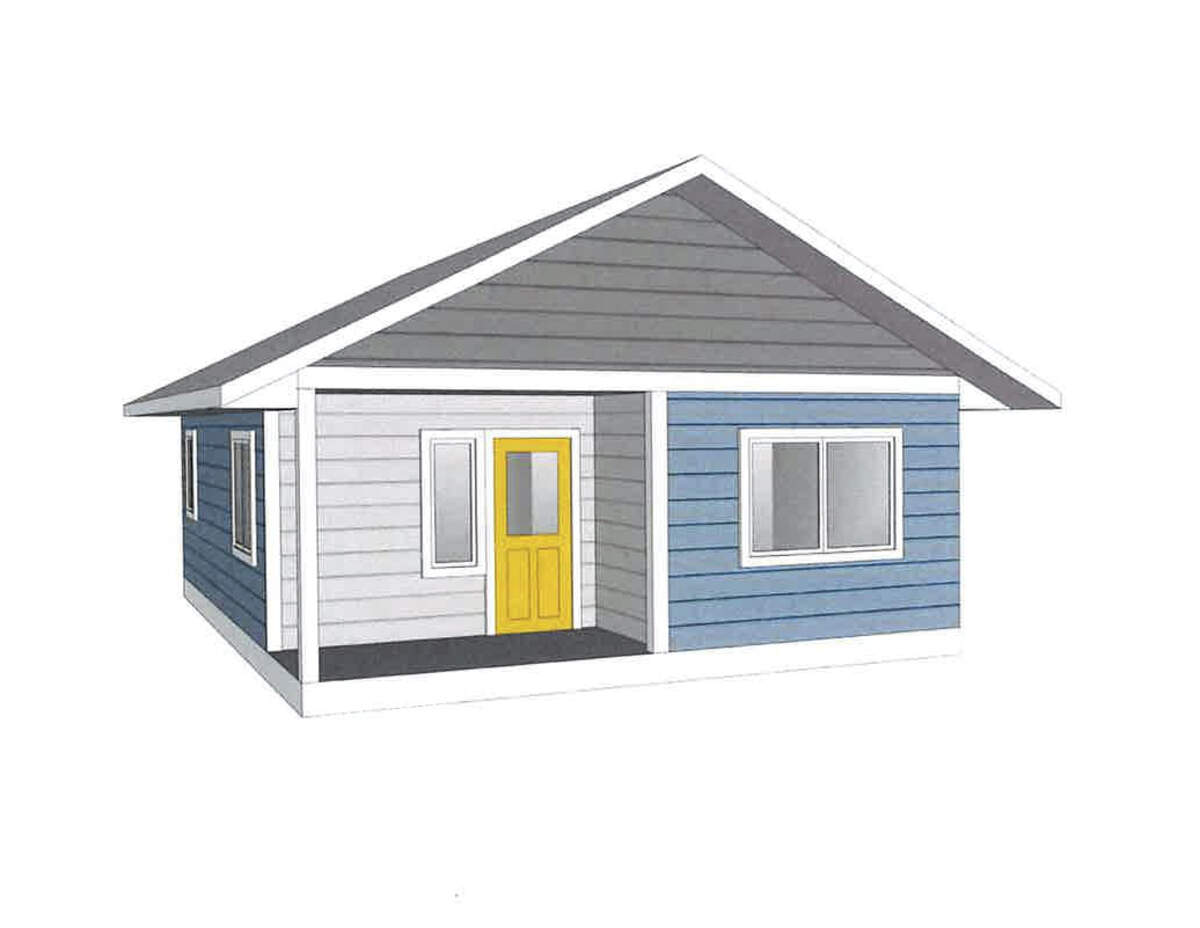
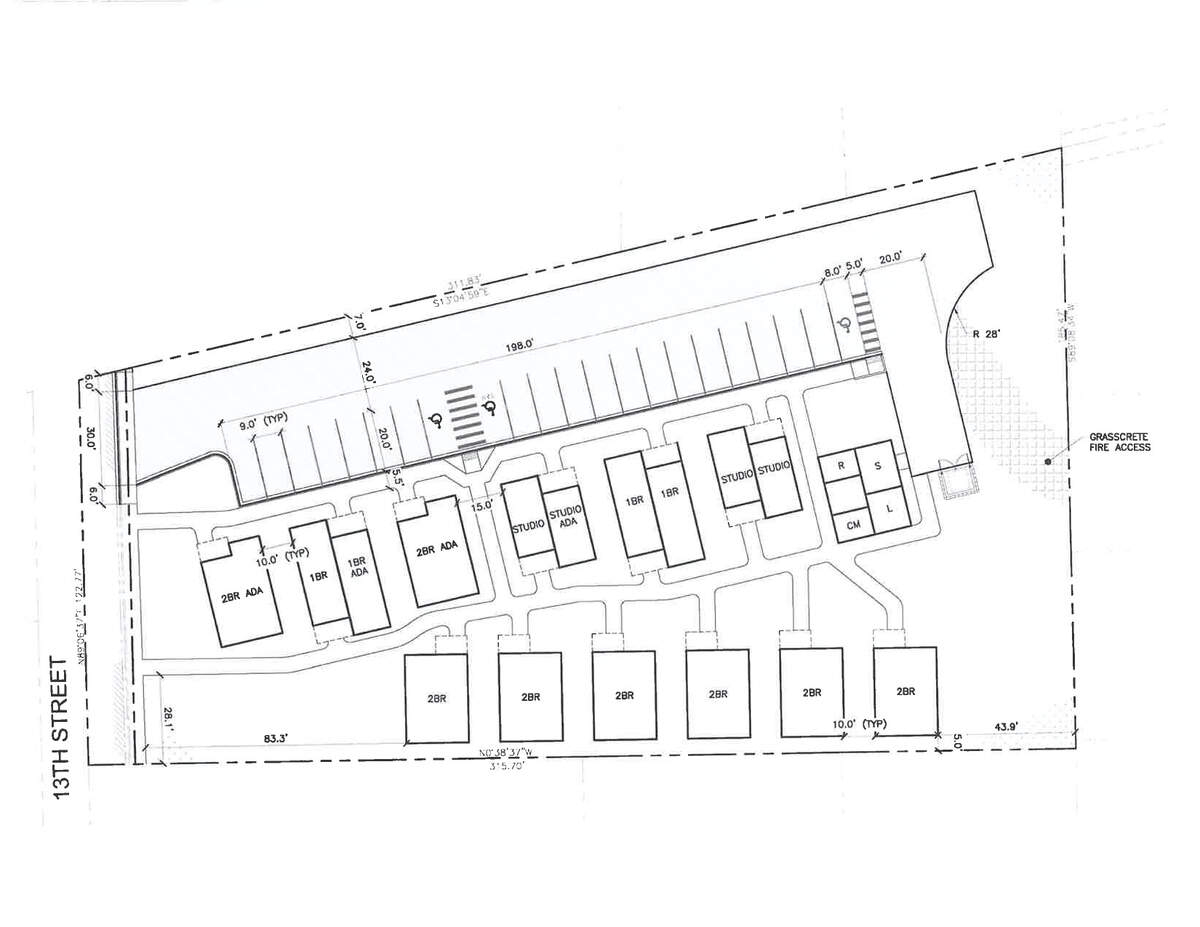
The $3.8 million Kennewick Housing Authority project will create 16 tiny homes for homeless families with children, homeless veterans and homeless people with disabilities.
The 1-acre development is on 13th Avenue — a block of Washington Street and a few blocks from the downtown Kennewick Red Apple.
The micro homes are a mix of studio to two-bedroom units, ranging from 300 square feet to 600 square feet.
Stratford Homes in Rathdrum, Idaho, is building the prefab units to be trucked in by March.
The homes will have full private kitchens and bathrooms — unlike some housing for homeless with shared cooking and bathroom spaces, said Hammer.
“I couldn’t see how they could get normalized if they didn’t have space for good meals and do homework with their children,” said Hammer, who also sits on the 12-member State Advisory Council on Homelessness. “We really wanted to try to build an all-inclusive small micro home for folks to live in.”
Resources
A significant part of the development is to create a stronger path to independence through services that will be offered on site.
They plan to offer a part-time case manager, computer kiosk and office space to create the opportunity to form a relationship with WorkSource representatives and other agencies to secure stable employment.
“It was important that these units be fully functional smaller scale homes in order to stabilize a family in housing,” Hammer said.
Although there is no mandatory move-out, Hammer expects that with a good rental history established families will be able to move on to bigger place with the help of housing vouchers.
“Our goal is to assist residents to become good tenants, assist them to link to work with a goal in a year or two to move into a more traditionally-sized unit so that we can serve another homeless family.”
Each family or person will pay 30 percent of their adjusted gross monthly income in rent.
The annual Point In Time survey from January 2020 — or survey to count homeless people in each county — found in Benton and Franklin counties there were 190 people who were homeless and 32 who were considered chronically homeless.
That was slightly less than the year before when 222 people were counted as homeless. The annual survey is required by the state’s Homeless Housing Assistance Act.
“I think it’s sometimes hard for the public to imagine the conditions that people, some with children, are living in when it’s not always highly visible within our community,” Hammer said.
Funding
The housing authority was awarded nearly $1.9 million in 2019 from affordable housing grants through the Washington State Department of Commerce’s State Housing Trust Fund.
Of that, $400,000 came from the State Ultra High Energy Efficiency Program for solar arrays on the roof to create a net zero development.
Other funds came from Benton and Franklin counties, the city of Kennewick and the Tri-Cities HOME Consortium.
A federal loan for $800,000 was also taken out through the Affordable Housing Program for the project.
This story was originally published January 4, 2021 at 5:00 AM.