
Double the price and double the people. West Richland becoming a boom town
West Richland is the next hot spot for people to call home.
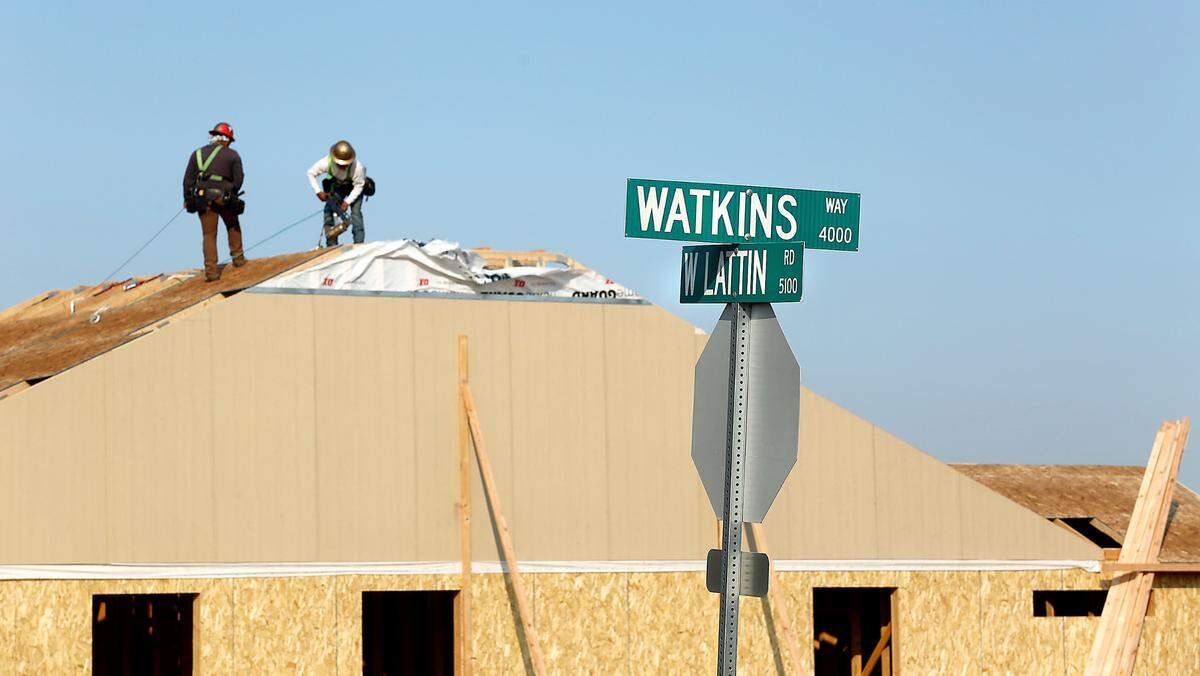
Even with a pandemic maintaining its hold, builders aren’t slowing down and neither is home buying — and especially so in West Richland.
The community that once was considered a farming area on the outskirts of Richland now appears to be on track to double its population from 20 years ago.
Through November, the city issued $60.3 million worth of permits for 188 new houses, according to the Tri-Cities Homebuilders Association.
That compares to 113 permits valued at $34.6 million during the same time last year. That’s a 67 percent jump in permits in one year.
The Homebuilders Association largely attributes the increase to a large project currently under development by Aho Construction.
Two years ago, just 57 home permits worth $19.9 million were issued during the same time span in 2018.
Population
In 2000, the U.S. Census Bureau reported about 8,400 people lived in West Richland.
By last year its population was about 15,000. And one current housing project alone will add 1,650 more residents when it is finished.
“Last year, we averaged two to three building permits a week,” said Eric Mendenhall, community development director for West Richland. “Over the past several months, the city has approved 10 to 15 weekly.”
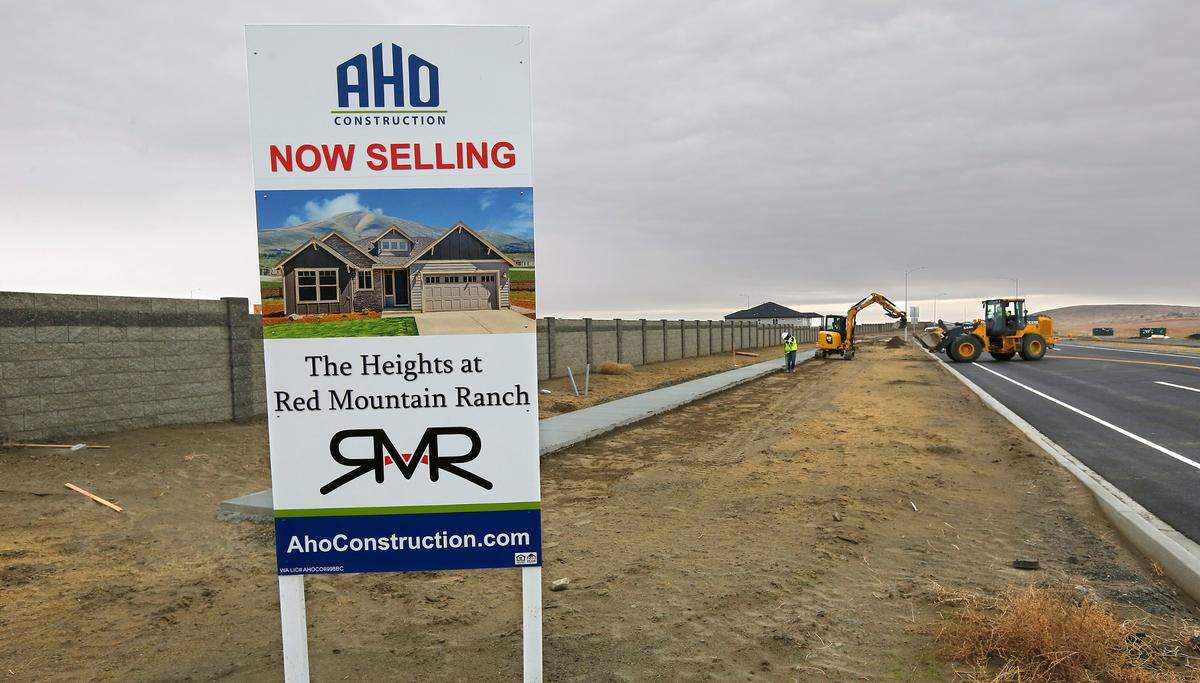
A majority of the most recent permits have been for the Heights at Red Mountain Ranch, a development being built by Aho Construction.
When the multi-phase project is complete, 563 single-family homes will be built on 146 acres. In addition, 35 more acres will be dedicated to multi-family complexes.
Of the first phase that includes 105 lots, most already are on contract or on hold, said John Cooney, director of marketing for Aho Construction.
Attraction
Over the next few months, Mendenhall is updating the city’s comprehensive plan for an outlook of what the next 20 years will look like for West Richland, and how the demands of housing will play out.
“One of the other things I’m looking at is the economic driver bringing more people to the area as they abandon downtown for a more affordable lifestyle,” Mendenhall said.
That pattern hasn’t changed much from the last update in 2017 when the West Richland comprehensive plan pointed to the many people who established homes in town so they could live outside of the burgeoning cities and enjoy a more traditionally rural-oriented lifestyle.
Smart Asset even ranked West Richland the fifth most affordable city in Washington a few months ago. It fell behind Connell, Hoquiam, Finley and Quincy.
Still, what is affordable compared to cities like Seattle still brings sticker shock to the Tri-Cities, which has seen a rapid increase in home prices when the community previously had enjoyed a relatively steady market.
Cost of home
The price of a home in the Tri-Cities from 2005-10 only jumped $17,000, with a median price of $178,900, according to the Realtors association.
From 2010-15, it jumped $31,000. But in the last five years? Houses went up by $129,000 each to $339,00 — nearly double from 2010.
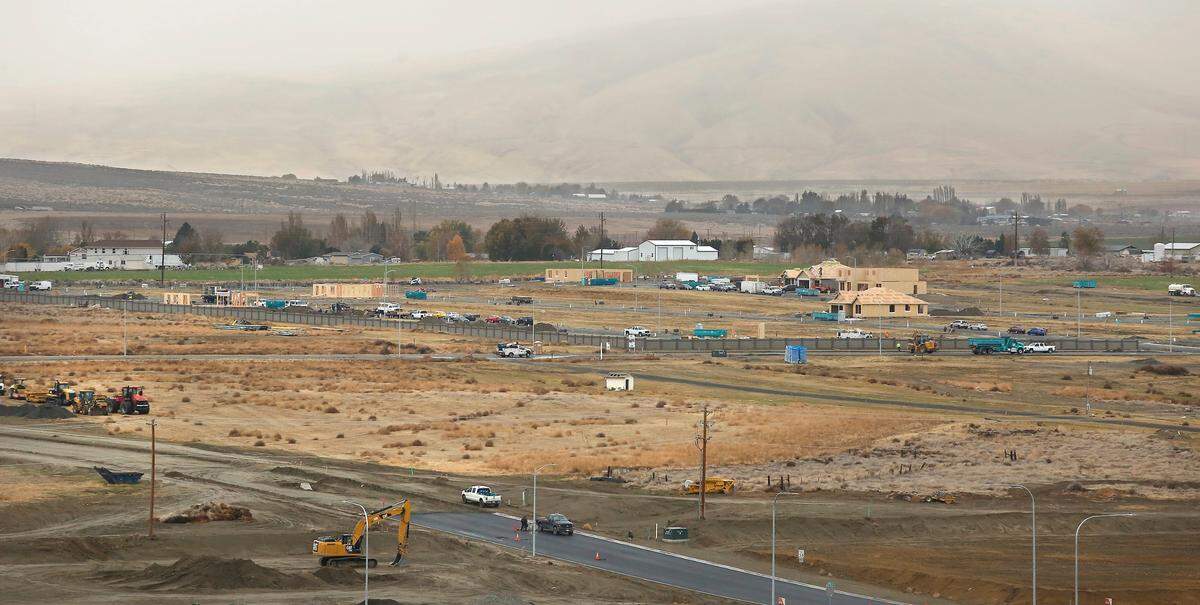
“The land is going to dictate housing prices,” said Jeff Losey, executive director of the Homebuilders Association of Tri-Cities. He added that lots are easily selling for $100,000 a piece and developers are buying large swaths.
Adding to the costs is that home prices are up $20,000 from earlier this year because of a 160 percent increase in lumber costs since May. The increase is in part because of demand, but also because of a 20-percent tariff on lumber from Canada.
While the base price for a home in the Heights at Red Mountain starts at $294,900, they go up to $397,900 — and that’s before any personalized upgrades like tile, fixtures or adding a bonus room.
“The only thing that will relieve the pressure on houses is that we need more, and we need more inventory. There is more demand than availability,” Losey said. “Anything south of $300,000, you can’t hold on to it.”
The Realtors group told the Tri-City Herald the median number of days that homes were on the market in Tri-Cities in October was less than a week.
“It is a conundrum with such a tight housing market,” Losey said. “Too many people are fighting for such few resources.”
This story was originally published December 8, 2020 at 10:03 AM.