
He was technically dead. Now this Pasco athlete is making strides to get his life back
As a top-caliber athlete, Roman Ruiz knows what it’s been like to battle, to be competitive.
But for nearly six months the 22-year-old has been in his biggest battle to date — getting his life back.
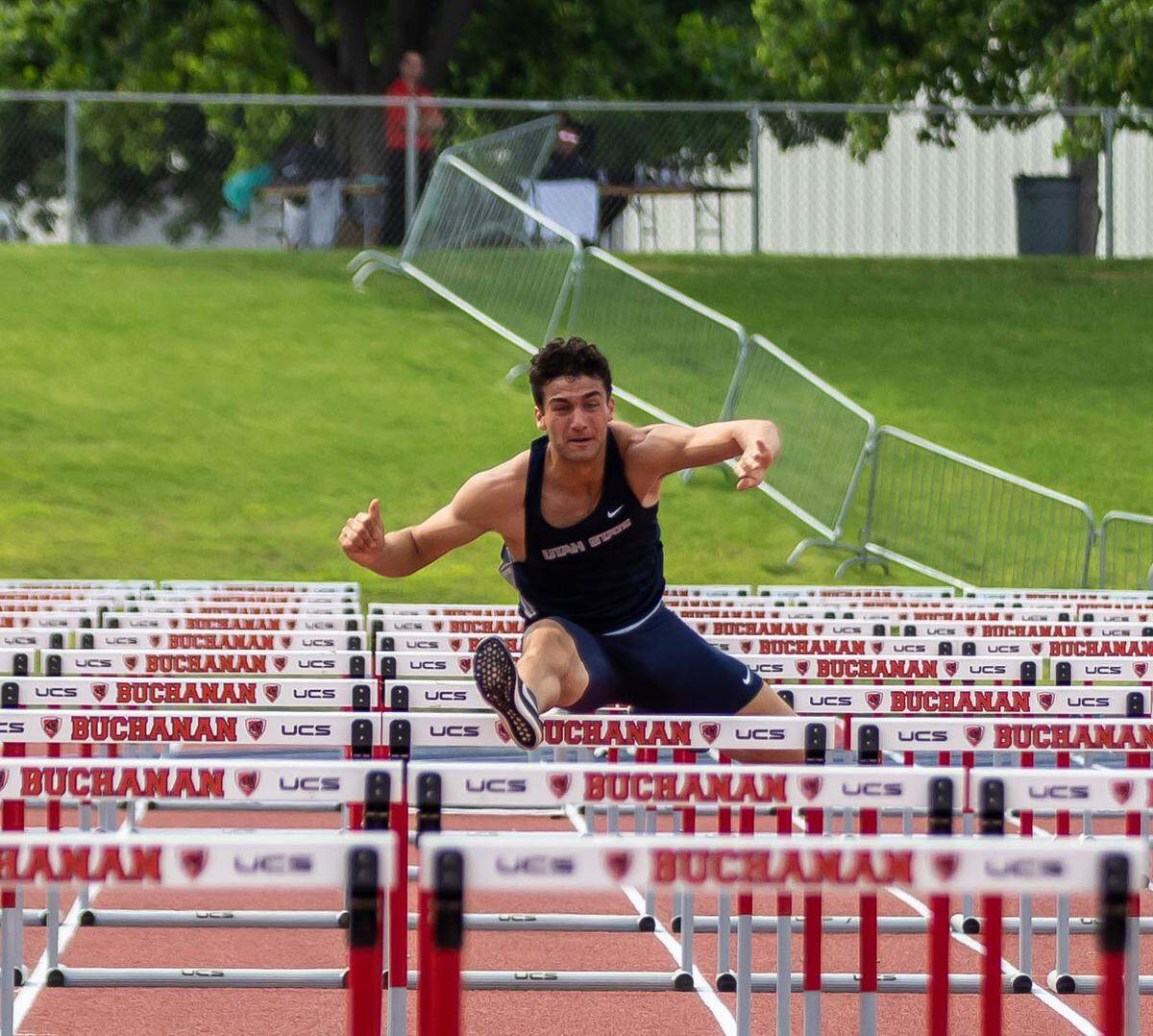
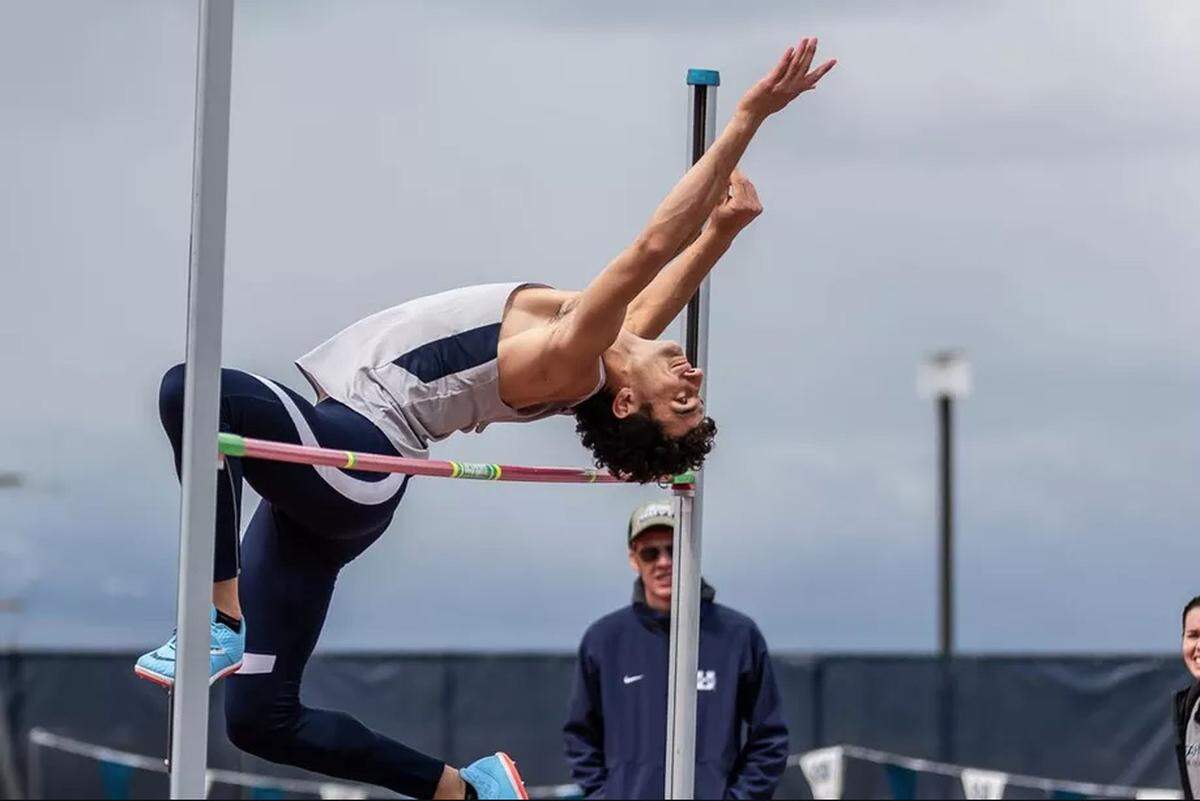
The 2016 Chiawana High grad was a standout football player for the Riverhawks, and perhaps an even better track and field athlete.
In fact, he was the Pasco school’s male athlete of the year in 2016.
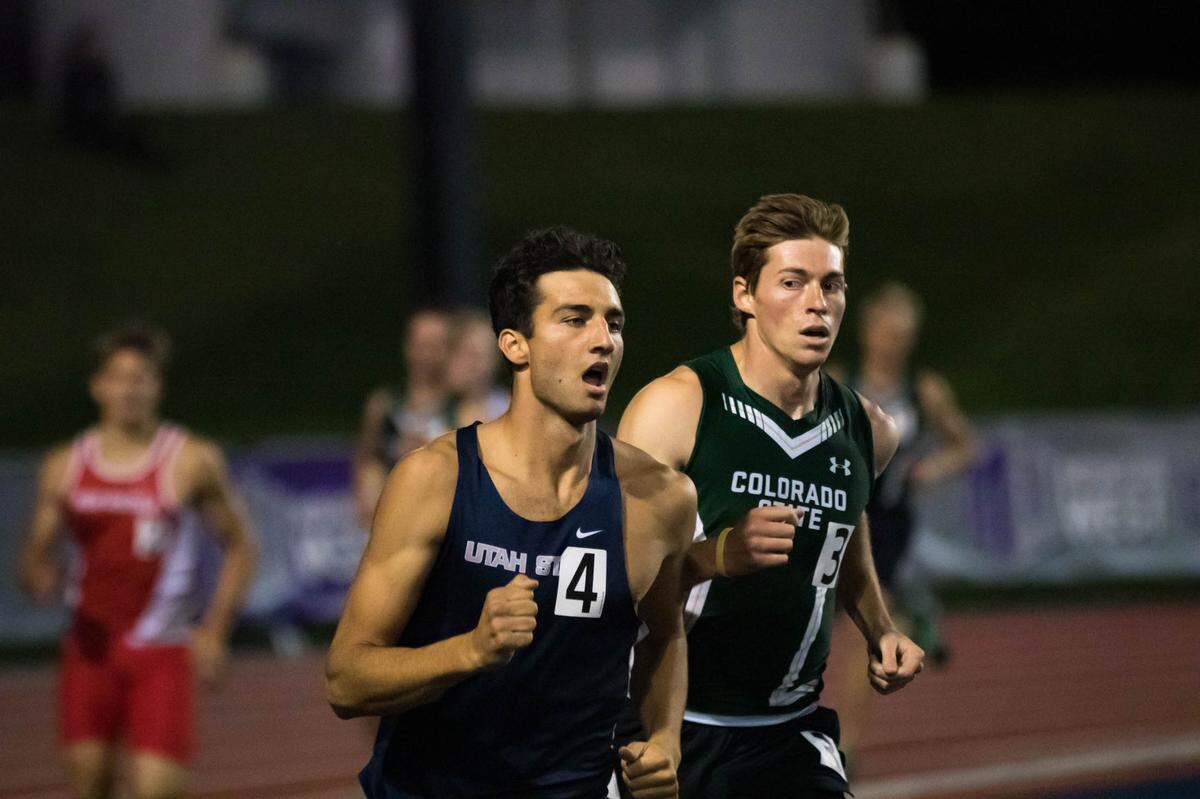
He ended up — after going on a two-year mission to Rome for the Church of Jesus Christ of Latter-day Saints —attending Utah State University on a track and field scholarship.
On the track team, Roman competed in the decathlon — a discipline of 10 events in which athletes earn points based on the results of each event. The better the time, distance or height, the more points.
Usually, the best male athletes on a track and field team are decathletes.
After a two-year break from sports, Roman made Utah State’s all-time Top 10 in three different events — the heptathlon, decathlon and pole vault — his freshman year.
“We often talked about the upcoming season as being his big breakthrough season since year one was his ‘getting back in the groove’ season,” said his father, Javier.
He was in the middle of his second year at USU, redshirting last winter, when he was working out on his own at the track in Logan, Utah, one Saturday morning.
A retired physician named John Bailey was at the same track on March 7, around the same time.
Bailey, 76, intended to on go for a bike ride that day, but his rear tire had problems, so he headed to the track instead.
That probably saved Roman’s life.
Fateful morning
Bailey and Roman were the only two at the track.
The strangers greeted each other, and Bailey started walking. Roman was warming up.
By the time Bailey got to the other side of the track, he noticed Roman lying on the ground.
Only when he started approaching him, did Bailey realize Roman was face down and not breathing.
Bailey ran to his cellphone, called 911, then returned to roll Ruiz over and start chest compressions.
Bailey later told columnist Doug Robinson of The Deseret News, “I think the most crucial thing was that he received vigorous chest compressions. I was hoping he had enough oxygenated blood in his system to reach his brain.”
Another man also arrived at the track, and took over from Bailey.
Then the paramedics arrived. Altogether, it took at least a half-hour to get a pulse.
Roman was technically dead for nearly 35 minutes.
A cardiac arrest had caused a depletion of oxygen to his brain, and he suffered an anoxic brain injury.
That’s where the battle to get his life back began, with the help of his parents and many relatives and friends.
Rush to Utah
“It’s hard to believe,” his mom, Verna, told the Herald back in April. “We got a phone call late that morning. In 20 to 30 minutes, we were in the Suburban and on our way.”
While mom and dad were racing to Utah, Roman was taken to Logan Regional Hospital, then flown to McKay-Dee Hospital in Ogden, where he was put into a medically induced coma for the next five days.

Javier and Verna — who have four other children — never left Roman’s side for the next 54 days.
At least one of them was with Roman in spite of the coronavirus lockdowns starting to spread around the country.
Some days were bad. Others provided hope.
There were unanswered questions but one of the biggest: How does something like this happen to a young man who has been healthy all of his life?
“He was having a kind of stressful semester with his classes,” said Verna at one point but there are no clear answers.
Their Facebook posts for concerned family and friends show Roman and his family’s struggles over the past six months.
“For the first time in 10 days, I feel like I “saw” my son yesterday in those blue eyes of his… The Roman I know,” posted his dad on March 17.
Roman’s brain was in a state of continual restlessness, causing him trouble sleeping. He lost 40 pounds down to 142 in the first 18 days.
Slowly he was saying more words, sitting up and learning to stand. And remembering more.
But the COVID-19 pandemic was worsening, initially barring his parents from being with him. Then, one could visit a half hour a day and eventually one of them could sit with him 8 a.m. to 8 p.m.
Three weeks after his collapse his mom asked if he knew what happened to him. He didn’t. She told him. He said, “Really? Seriously? Wow.”
After a month in the hospital, he walked again for the first time and could FaceTime other relatives and friends.
There were other positive signs. He soon remembered how to speak Italian though he couldn’t remember much else about his mission.
At the hospital, he worked on his balance and other skills, including daily occupational, physical and speech therapy sessions.
And his family celebrated the small victories too. “Today, he eats something that’s not puréed: pizza!” said a post a month after his collapse.

“He has a brain injury. It’s an amazing thing,” Verna told the Herald in April. “He’s young. He’s got a really good chance at recovery. One doctor told us it looks like it could be a 6 to 12 months of rehab. What that looks like, we don’t know.”
Roman was finally released from the hospital May 1. He met the three paramedics who helped revive him, toured the campus, saw other friends, teammates and his coach before packing up to return to the Tri-Cities.
But he didn’t leave town before meeting John Bailey and his wife Ann and returning to the track to see and hear about that morning.
“We know he was meant to be alive. Because (Bailey) was there,” said Verna. “I was so grateful. The paramedics, I’m so grateful for them.”
Back home
Roman continues getting therapy sessions three to five times a week, said his dad.
“They always send him home with homework,” said Javier. “We do it all with him.”
Verna is a hairstylist, while Javier is an administrator for the Department of Social and Health Services. Verna started going back to work in July, while Javier is headed back to work in September.
It’s been a grind at times for the family to navigate through finding the right doctors and working with the insurance people these past few months.
“It’s not stressful taking care of Roman because he’s very easygoing,” said Verna. “He does what we ask him to do. It just takes up most of our time, so things are busy.
“What’s stressful is managing his care with trying to find the right doctors and treatments, dealing with insurance and worrying about whether we are doing enough to help him. We couldn’t even find a doctor to treat him that was covered under our insurance until just recently.”
And now they’re nearing the end of his allotted amount of therapy sessions for the year, as their insurance won’t allow for more under its coverage plan.
That won’t stop the Ruizes, though.
One thing they would like to get is a hyperbaric oxygen chamber for therapy.
Having 40 consecutive days of treatment in one would be very beneficial to Roman’s recovery.
“We’re looking at purchasing one ourselves,” said Javier. “It’s the next big thing at the forefront.”
Javier has been talking to one of Roman’s friends — the same one who started the first GoFundMe account that raised $30,000 — and they may start another to help buy the chamber.
Javier says doing activities such as riding bikes and golf have been good for Roman.
“Anything happening with day-to-day life is good,” said Javier. “Mental engagement is important. Doctors told us that the more he can be in real world situations the better, where emotions and being mentally engaged are important.”
In effect, his brain is re-wiring itself.
Other families — friends and church members — still continue to drop off food to the family.
Returning to Utah State is on hold right now.
“But going back to school is the ultimate goal,” he said.
For now, though, it’s been good for Roman to see friends, communicating with them through social media.
As Verna said in a recent Facebook post, “He was used to having a life full of friends around him all of the time. It’s good for him to be around people. … The unknown makes this whole process so difficult.”
Doctors told them at the beginning of this ordeal it could take up to a year for his recovery.
“Not necessarily a full recovery,” cautions Javier. “Where he’ll be at the end of 12 months, we don’t know.”
He can be exceptionally quiet about his life now.
But he’s getting better each day.
Verna and Javier see the signs.
“We went to a wedding last week,” said his dad. “And to see him so engaged with friends was so great.”
One thing Roman has always been is a competitor. So is his family. They’ll all keep fighting until he’s back to being the old Roman.
“As much as Roman excelled physically in sports, he was equally, if not even stronger, spiritually in his faith,” said Javier. “Even beyond his two-year mission, Roman continued to practice and exemplify those principles he had learned from his time in Italy. We believe this faith has even more to do with his recovery than his health and athletic ability.”
Verna agreed.
“There are so many blessings,” said Verna. “So many people are loving us, supporting us, praying for us. He’s doing good, so we’re doing good.”