
‘Well is drying up.’ Tri-Cities construction industry bracing for more layoffs
More Tri-Cities construction workers are expected to be laid off in the coming weeks if Benton and Franklin counties stay in Phase 1 for much longer, say industry officials.
“Other counties are OK, and they are able to work on any contract as long as they are following COVID safety guidelines,” explained Jeff Losey, executive director of the Home Builders Association of Tri-Cities. “But we are not there yet — that is our pickle in Benton and Franklin counties.”
Under Phase 1 of the state’s coronavirus order, construction projects that had already started before the pandemic hit could resume work with safety precautions.
But under Washington’s phased approach to reopening, new construction projects can’t begin until Phase 2.
Losey told the Herald he expects a fairly dramatic drop-off in construction work if Benton and Franklin can’t move to that phase.
Benton, Franklin and Yakima counties are the only three in the state to remain at Phase 1 because of continued problems controlling the spread of the disease.
Across the state, 30,000 construction jobs were added back into the labor force in May, according to the Washington State Employment Security Department.
Tri-Cities construction jobs
And while the construction industry was among the hardest hit in the Tri-Cities, it also is one that is rebounding the fastest, the agency reported.
The Tri-Cities construction industry added 2,000 jobs back to the labor market from April to May with the number of employees reaching 10,100 for Kennewick, Pasco and Richland.
In late April, Gov. Jay Inslee lifted some restrictions to allow low-risk construction to restart COVID-19 safety requirements after a push by the Tri-Cities Homebuilders Association and other groups across the state.
Now, Losey said that the Tri-Cities may drag down the state’s construction industry employment numbers if the two counties aren’t allowed to move ahead with the more reopening.
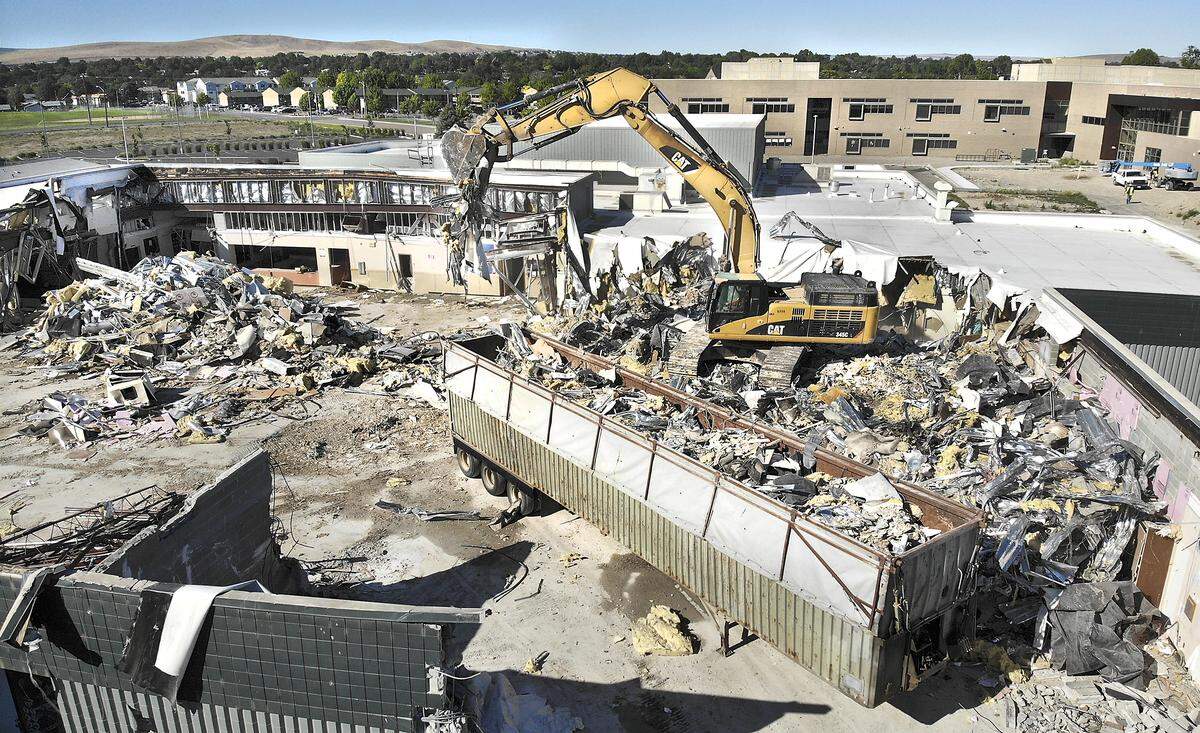
He said that crews have been able to continue work on projects that are deemed essential, such as schools and the Duportail Bridge in Richland, or that were contracted and permitted before the state shutdown.
When those projects are finished, construction may come to a standstill.
“The well is drying up,” Losey said. “We are weeks away from it getting pretty dire.”
Small business employment
Asja Suljic, a regional labor economist with the department based in Tri-Cities, worries that the length the Tri-Cities have remained in Phase 1 may cause other small businesses to close permanently.
“Our biggest concern is if they don’t open up by mid-July, the overhead costs for all the small businesses might be too much to bear unless they got a grant or loan support.”
Across the state after unemployment soared in April, Tri-Cities saw a slight decrease in unemployment in May, which mirrors the statewide trend.
Benton County’s unemployment rate fell from 13.7 percent in April to 12.3 percent in May, with 12,979 people collecting unemployment benefits.
Franklin County’s jobless rate also fell from 13.1 percent in April to 12.3 percent in May, with 5,512 people collecting unemployment benefits.
Last week, the Washington Employment Security Department reported that the state’s rate fell to 15.1 percent in May from 16.3 percent in April.