
Fasting for faith on the front lines. Tri-Cities doctors balance work and Ramadan
It’s almost noon and Dr. Ahmad Fora still hasn’t had his morning coffee.
His work as a hematologist and oncologist at Trios Southridge Hospital has kept him busy even during the coronavirus shutdown, but his schedule isn’t what’s preventing him from getting some much-needed caffeine.
Fora and 1.8 billion other Muslims worldwide have been fasting since sunset on April 23 for the holy month of Ramadan.
The annual observance is considered one of the Five Pillars of the Islamic faith and commemorates the first revelation of the Quran to the Prophet Muhammad. During Ramadan, Muslims fast from sunrise to sunset, participate in daily prayers and reflections and give back to the community.
Fora said the holy month presents Muslims with many opportunities to make positive changes. But like most everything else, Ramadan looks different in the age of coronavirus.
The Islamic Center of Tri-Cities closed its doors to congregants in early March and moved all gatherings online.
The center, which serves some 1,500 Muslims in the Tri-Cities, no longer hosts community iftar, the nightly meal served at the end of daily fasting.
Congregants must now tune into Zoom meetings or watch Facebook Live videos to hear daily lectures, nightly prayers and reflections on the Quran.
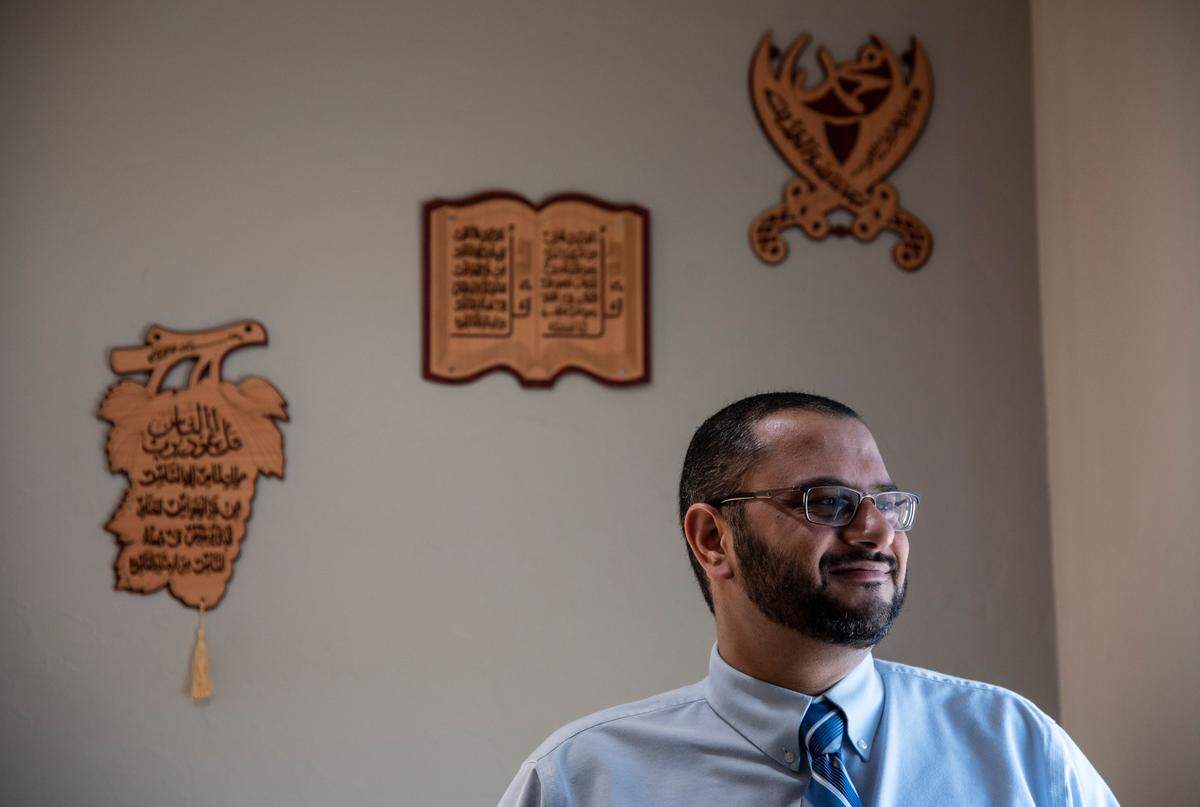
“We as a community, we get the strength to go through this month by staying together, breaking the fast together, praying late together so doing that at home, definitely it’s different,” said Fora.
Pandemic challenges
For healthcare professionals, observing Ramadan during a global pandemic presents even more challenges.
As an outpatient care provider, Fora modified his schedule to see fewer patients at a time to avoid crowding and to keep the office from being overwhelmed. But other healthcare workers are not so lucky.
“Definitely for other Muslim brothers and sisters who work in the emergency room and the ICU and the front lines, it’s definitely very challenging on them,” Fora said. “They’re already working extra hours to try to accommodate all of this pandemic and outbreak and on top of that they’re not eating or drinking, so it’s very challenging on them.”
And the personal protective equipment, or PPE, that the healthcare workers need to protect themselves and their patients can actually increase their dehydration, said Fora.
When his throat gets dry, Dr. Salaam Sallaam, a pediatric cardiologist at the Seattle Children’s Tri-Cities Clinic in Richland, steps outside for some fresh air.
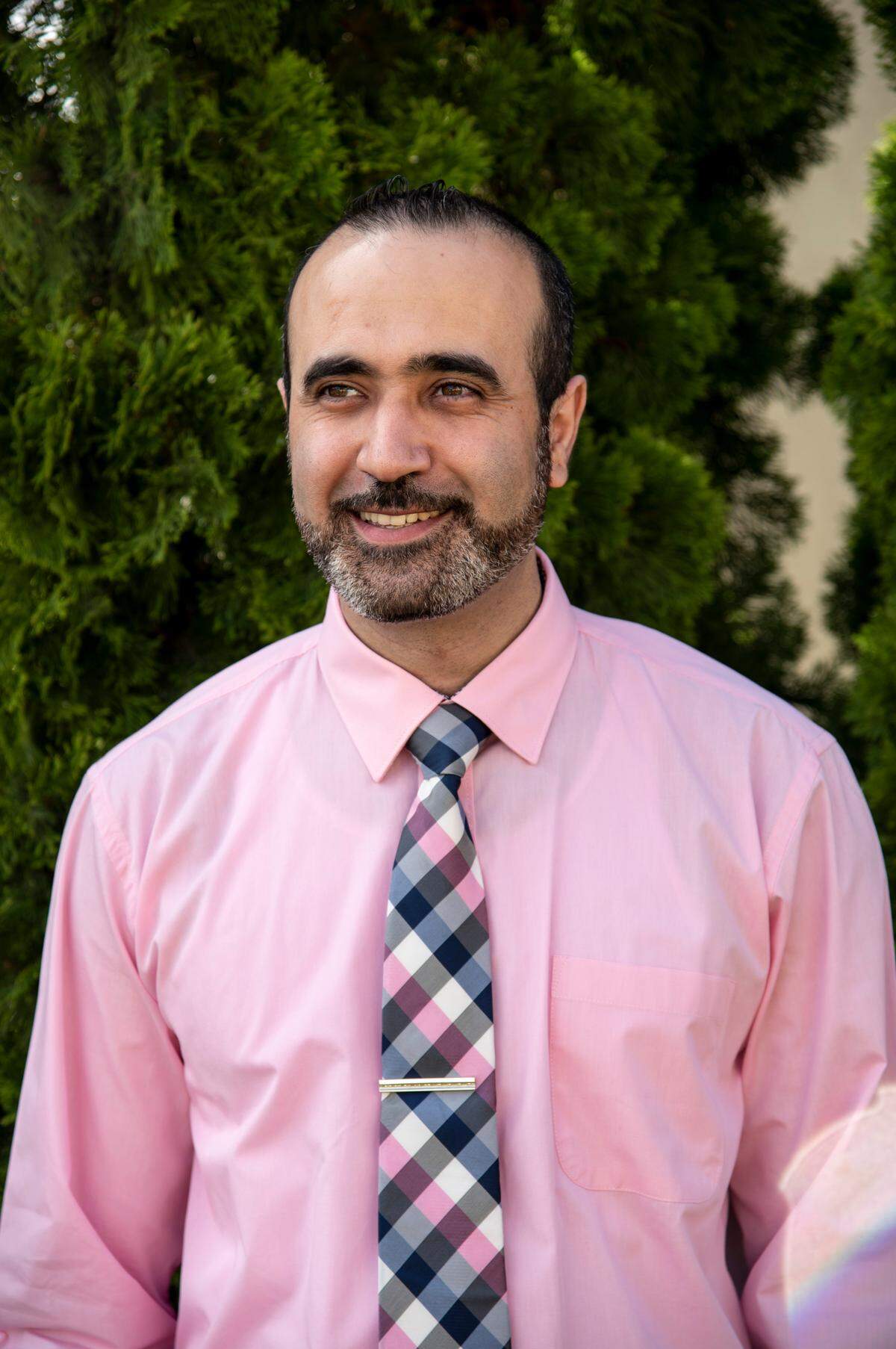
Sallaam also has been trying to minimize the number of patients coming in to the clinic. He does follow-up appointments and consultations via telemedicine as often as he can, but there is only so much he can do remotely.
“It’s great to be there for my patients but at the same time, I worry about contracting the virus and passing it on to my family,” he said.
Sallaam is particularly concerned for the newest member of his family — his youngest daughter, Talia, born in early March. Luckily, he was able to attend her birth and his wife, Somayyah Sous, and Talia left the hospital before the outbreak hit the Tri-Cities.
Sous says her kids — Ayah, 3, Abdullah, 1, and Talia — are too young to grasp the full scale of the pandemic. They don’t understand why their dad must divert all hugs and playtime until after he showers and changes his clothes after work.
“The kids will yell, ‘Daddy! Daddy!’ and try to run to him when my husband comes home from work,” she said.
They also are too young to fully understand Ramadan.
Muslims are not obligated to fast until they reach puberty, though some older children might elect to observe Ramadan sooner. Still, they are taught importance of the holy month from a young age.
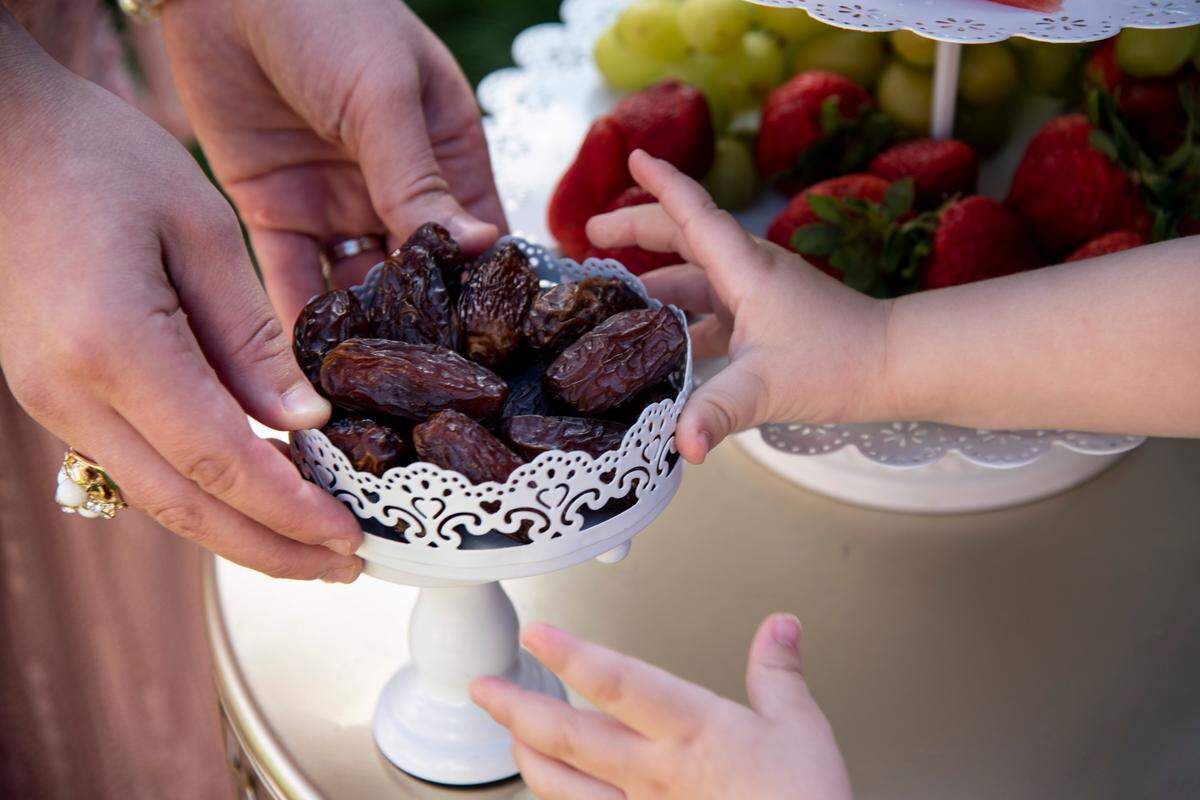
This year 3-year-old Ayah Sallaam learned how to say “Happy Ramadan.”
The Islamic Center of Tri-Cities has tried to keep the youngest congregants engaged through online activities, printable coloring pages, educational and entertaining videos and remote competitions. The youth also helped make over 100 masks to be distributed to local shelters and healthcare providers.
Community outreach
And the Islamic Center of Tri-Cities community outreach during the holy month has also included meals for the Tri-City Union Gospel Mission men’s shelter in Pasco and presented a donation for over $10,000 to the Tri-Cities Food Bank last week.
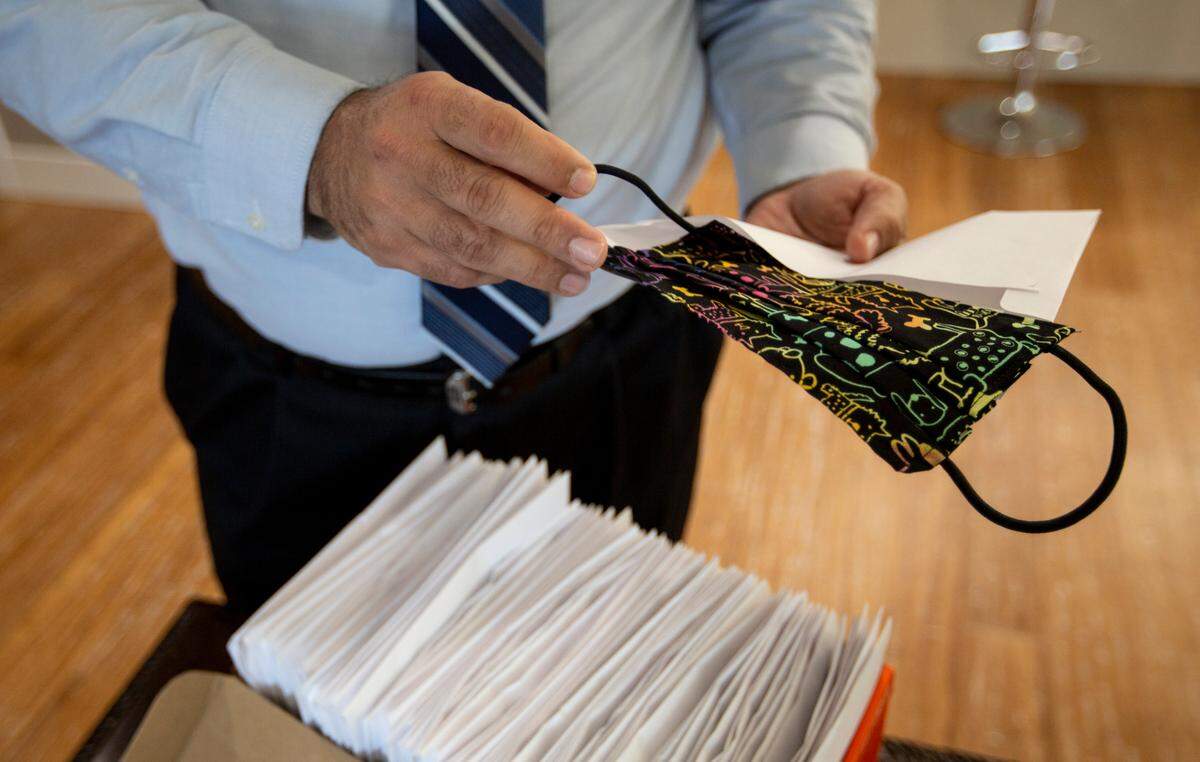
The center also created coronavirus educational videos in several languages to help the Islamic immigrant community understand safety issues, including hand washing and social distancing.
“There is a lot of anxiety and a lot of stress surrounding COVID-19,” said Nesreen Al Muzayen, the outreach coordinator for the center.
Al Muzayen said the center partnered with Spectrum to help families who didn’t have internet access before the pandemic get connected to local resources online, including the Islamic center’s new webpage that features up-to-date information about the pandemic.
Informing the immigrant population is particularly important since nationwide the virus has disproportionately affected ethnic minorities and the poor.
The Tri-Cities Islamic community already has suffered a loss. Razkya Al Salami, 69, of Pasco, died May 2 in Kennewick due to complications with COVID-19.
The fellow congregant of the Islamic Center of Tri-Cities was also one of Tamer Elsammak’s clients.
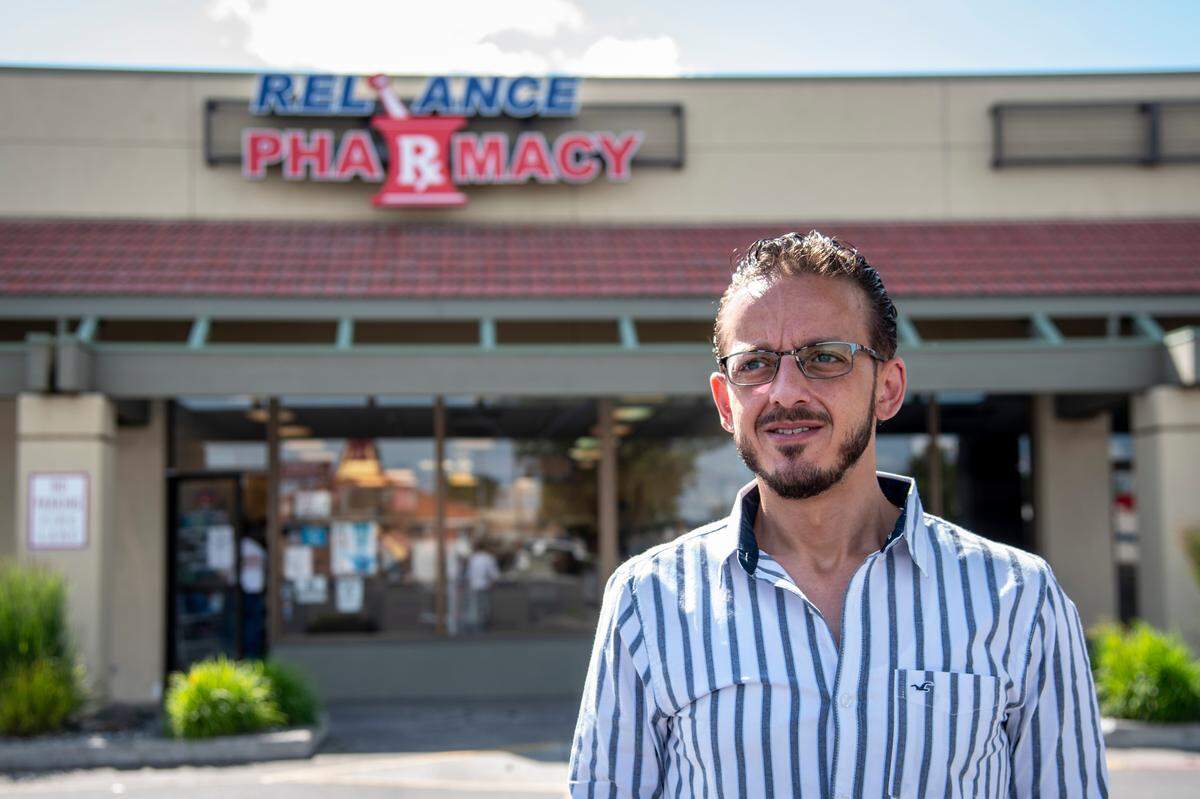
Elsammak operates two pharmacies, Reliance Pharmacy in Kennewick and the pharmacy at Fiesta Foods in Pasco.
“I’ve lost four patients (to COVID-19) from my Pasco pharmacy alone,” he said.
Running a pharmacy during a pandemic has presented its own challenges.
“We have to be at work,” he said. “It’s not really an option (to close a) pharmacy and so I have to make sure I do as much as I can to minimize risk for co-workers and employees.”
‘Worth it to save a life’
As for closing the mosque during Ramadan, the answer was obvious to Elsammak.
“In the bigger picture, the price we’re paying (not worshiping in person) is worth it to save a life,” he said.
Ramadan ends after sunset on Saturday and will be marked by Eid Al-Fitr, a feast to celebrate the end of the fasting month.
Celebrations will look a little different this year.
A traditional community gathering will be replaced with a socially distanced parade through the Southridge Sports Complex in Kennewick on Sunday.
But community outreach and support from the center won’t end with Ramadan. Elsammak says he will do everything he can to continue to help and leave the rest to God.
“We are on the ground, we are here, so it is our responsibility to do all we can,” he said.
This story was originally published May 21, 2020 at 12:59 PM.