
Helping your Tri-Cities neighbors through the coronavirus outbreak
Coronavirus concerns are on everyone’s mind.
One looming questions is how we can help each other? How can each of us make a difference?
Many people have a robust front-line support system they can rely on for help. That could include family, friends, neighbors, clubs, faith groups and community organizations.
But many others have no support network — no one to rely on if they get sick or are caring for sick loved ones.
Here are some ideas on what you can do to help:
1. Organize local support group
Start local. Get a notebook and start taking notes. Create a local neighborhood support circle or network and write down the names of people, their addresses, how many people live in the home, phone numbers, email, social media. They may not want to provide the information but you can still keep tabs on them.
Speed up preparations while people are healthy.
Call on seniors, people who live alone, families with elderly or small children, or people with learning or physical disabilities. Exchange contact information and ask them how they are doing and what they need.
Form small teams and share skills, capabilities and resources that are in short supply with other teams.
2. Adopt a neighbor
Look for vulnerable people and check with them regularly.
Offer help with everyday tasks, like moving garbage cans to the curb and grabbing the mail, if they do not have a healthy caregiver.
It does not need to be complex care.
Consider cooking extra food and bringing pre-cooked meals for families in which everyone or the main caregivers are sick.
It might be helpful to pair people up and create a buddy system.
Practice doorway and porch delivery to limit exposure.
3. Volunteer to help
Local community organizations, businesses and care organizations are heightening their capabilities to serve the public safely.
There are organizations that provide support to the elderly and those with disabilities, to the homeless, to young people, as well as those with anxiety and mental illnesses.
There are businesses and facilities that offer support for sickness, recovery and rehabilitation.
Reach out and link with these organizations. Ask the food banks, retirement homes, living centers for veterans or others what they need.
Many are looking for volunteers, especially students and young people, to help provide additional capabilities over the next four to six months.
If the staff gets sick, many businesses and care companies, in particular, will be actively seeking people to take the place of care workers.
If you are healthy, send them an email, contact then through their websites or social media pages, or call them and offer them help. Let them know what sort of skills you have or capabilities you can provide.
4. Donate to food banks and shelters
There are several food banks in the area. They will accept canned goods and unopened packaged goods not yet expired. They will also welcome financial donations and put them to good work.
If you have extra supplies at home consider building a care package.
Things in short supply include: hand sanitizer, disinfectant wipes, soaps, rags, tissues, paper towels, toilet paper, sponges, mops, plastic or latex gloves, buckets, soaps, laundry detergent, disinfectant aspirin, Tylenol, and immune system supplements.
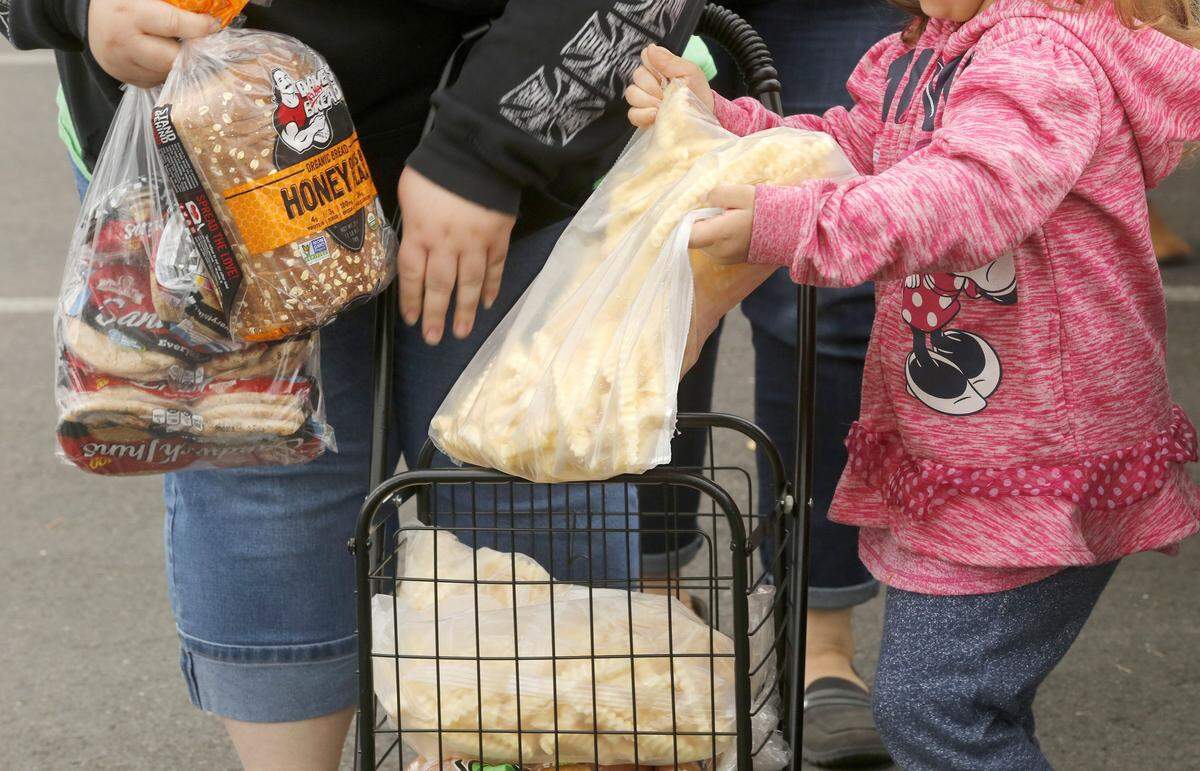
If you have extra new bottles of cold medicines these will also be provided to those in need.
Look in the phone book or on organization websites to find the best way to donate or to contact them.
Some of the organizations are instituting procedures for remote drop off of donations and drive-up pickup of care packages. So pay attention to new procedures to reduce the risk of face-to-face exposure.
Food banks and charities in Tri-Cities:
Second Harvest Tri-Cities, Has six food banks in the Tri-Cities. Volunteers needed to help sort and package food. Donations of food and supplies welcomed. Locations: Call (509) 545-0787 or visit 2-harvest.org.
Locations for donations include:
Benton County Friendship Baptist Church, 1801 Paterson Road, Prosser, Wa 99350, (509) 786-2929 www.FriendsBC.org
Sozo Food Bank, (Formerly Harvest Outreach) 120 Railroad Avenue, Kennewick, Wa 99336, (509) 582-9064.
Jericho Road Food Bank, 2500 Jericho Road, Richland, Wa 99352, (509) 521-4711.
Tri-Cities Food Bank-Benton City, 712 North 10th Street, Benton City, Wa 99320, (509) 588-5454.
Tri-Cities Food Bank-Kennewick, 420 Deschutes Avenue, Kennewick, Wa 99336, (509) 586-0688. www.facebook.com/tricitiesfoodbank.
Tri-Cities Food Bank-Richland, 321 Wellsian Way, Richland, Wa 99352, (509) 943-2795
Basin City Help Services, 7180 Road 170, Mesa, Wa 99343, (509) 269-4381.
Connell Food Bank, 620 N. Columbia Avenue #6, Connell, Wa 99326, (509) 234-0243.
Golden Age Food Share, 504 S. Oregon Ave., Pasco, Wa 99301, (509) 547-8310.
Riverview Baptist Church, 4921 W. Wernett Road, Pasco, Wa 99301, (509) 547-2021.
The Salvation Army-Pasco, 310 N. 4th Avenue, Pasco, Wa 99301, (509) 547-2138.
Seventh Day Adventist-Pasco, 605 N. Road 36, Pasco, Wa 99301, (509) 547-4998.
St Vincent De Paul, 215 S. 6th Ave, Pasco, WA 99301 Donations welcomed. Open 11 a.m. to 4 p.m. on Wednesday. (509) 544-9315, svdppasco.org.
Tri-CIty Union Gospel Mission, The list of urgent needs is here: www.tcugm.org/needs. Donations may be taken 221 S 4th Avenue, Pasco, WA 99301. Donation truck drop off is located on the 3rd Ave side of property.
Meals on Wheels, Richland 735-1911. Has over 500 volunteers involved. If you are interested in volunteering for home delivery please call 509-735-1911. seniorliferesources.org/services/meals-on-wheels.
5. Get involved in local groups and networks
If you are a member and participate in an existing organization or social network, get involved.
Many organizations have donate/volunteer or care package request buttons on their website and social media pages.
Do what you can and work with your organization’s leaders and team coordinators.
Identify your skills and make yourself available.
6. Home delivery/Store pickup
Most of the major local grocery stores and chains in Tri-Cities and vicinity offer online shopping with both in-store pick up and home delivery options.
InstaCart (www.Instacart.com) and Rosies App (www.RosiesApp.com) have websites that can be searched by location to identify the participating stores in the local area.
If you know of a homebound, less than capable, self-quarantined person or relative, volunteer to pick up their purchases and deliver it to them.
Use your phone to make porch and doorway deliveries to reduce the risk of face-to-face exposure.
7. Office disinfection advice
Businesses should study their workplaces in detail and shut down all common free food sharing locations.
At least temporarily, shut down your popcorn machines, coffee service, donuts, cookies, candy — anything that people can touch and contaminate.
As an extra precaution, clean anything that people can touch frequently.
Disinfect often-touched surfaces such as counters, chairs, phones, door handles, keypads, TV remote controls, kitchen and stovetops, desks, restroom surfaces, etc.
Place a spray bottle and disposable paper wipes with disinfectant in your car.
If you are out and about, wear gloves and wash commonly touched surfaces (doorbells, door handles, railings) before and after you touch them.
If you touch it, leave it cleaner than before you touched it.
Bag anything that is used for disinfection in a plastic bag and dispose of it carefully so no one else can come in contact with it.
8. Get outside to relieve stress
Event and school cancellations and travel restrictions are going to drive people inside. One of the best ways to de-stress and increase social distancing is to get outside.
So bundle up and head to the park. Take a walk. Go for a hike.
This story was originally published March 16, 2020 at 5:00 AM.