
6 died of coronavirus on a Richland couple’s cruise. They’re home with stories to tell
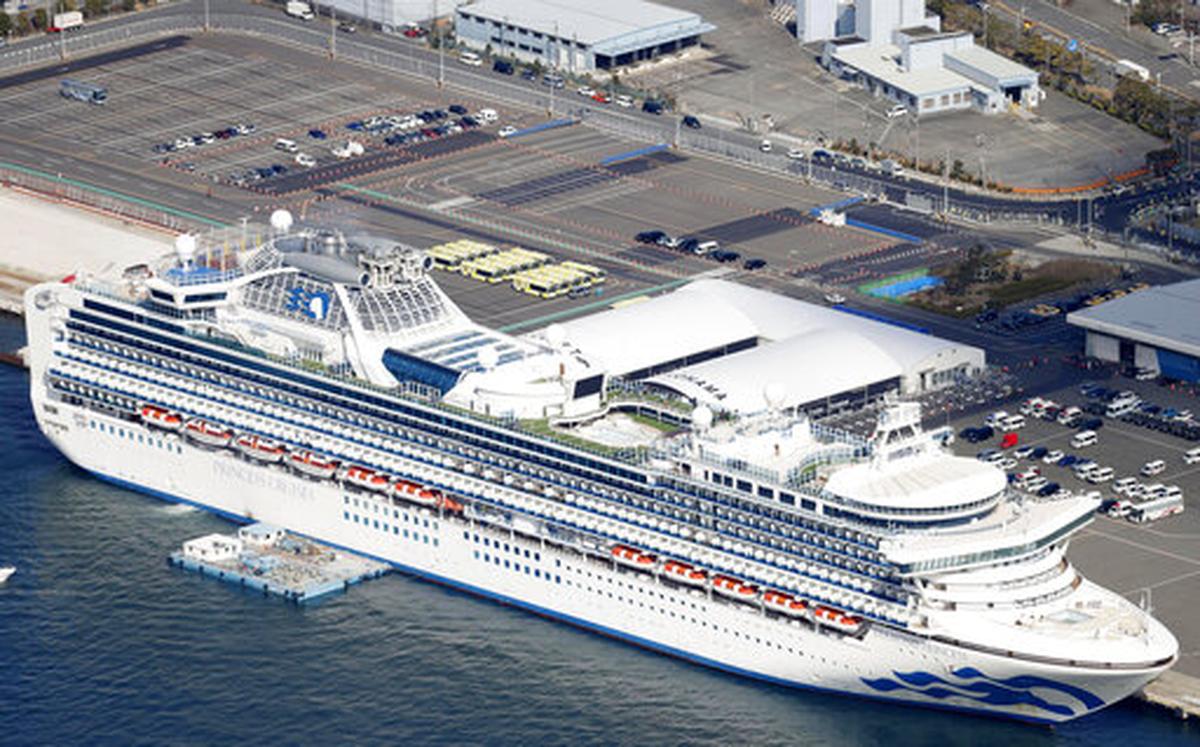
A Richland couple is thankful to be home after spending nearly a month quarantined when they were caught in the coronavirus outbreak on the Diamond Princess.
Just over 700 people on the cruise ship were infected with coronavirus and six people died.
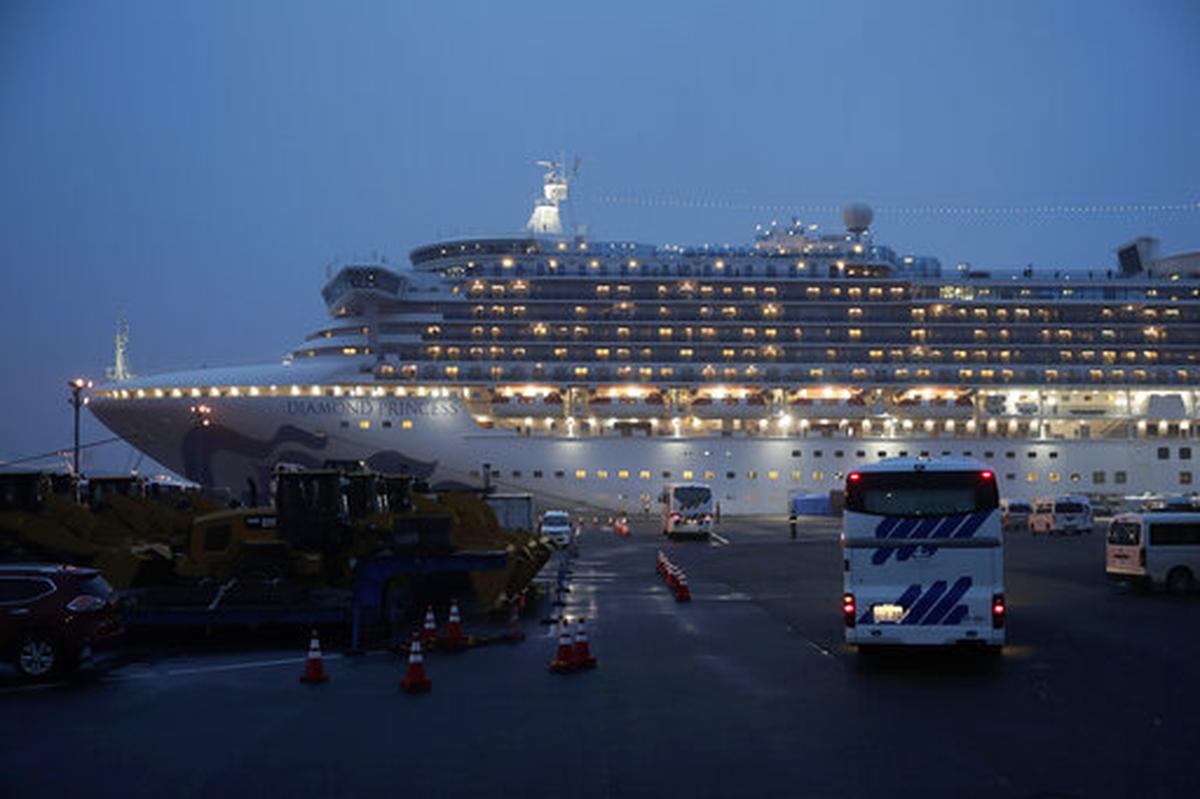
Tim and Gail Howe boarded the Diamond Princess Jan. 4 for a four-week cruise to ports in Asia. But on the day their cruise ended, after they’d already set out their luggage for porters to unload from the ship, the captain announced the ship was under quarantine.
The U.S. State Department evacuated them to a California Air Force Base Feb. 16 to restart a quarantine, this time for two weeks before they were found clear of the virus and allowed to return to Richland last week.
Through the last month, they saw missteps by both the Japanese and U.S. government on how the ship’s passengers were protected, Tim Howe said.
Now home, and with the novel coronavirus that causes COVID-19 spreading across the state of Washington, they are not panicking, but are taking extra precautions just as they did after they knew there was a risk of contracting coronavirus on the ship.
People in general are not always good about the hygiene steps that can prevent coronavirus infection, such as frequent hand washing, keeping your hands off your face and coughing into your elbow, said Tim Howe.
“If you practice those things, the odds of you getting it just go way, way down,” he said. “We are concerned enough to practice good hygiene — to be more diligent.”
They are also weighing “risk versus benefit” on a case by case basis about being in large crowds, but that has not kept them from running errands and shopping after being away from home for two months.
Dire need for medicine
The Howes enjoyed their cruise until the second to last stop in Okinawa, Japan, just after a previous passenger had been diagnosed with COVID-19.
Passengers getting off the Diamond Princess to tour the city that day found themselves in a long line in the terminal, as each passenger had their temperature taken and were asked if they had symptoms such as coughing.
The process took so long that some people were unable to leave the ship.
When the ship arrived at the last stop,Yokohama near Tokyo, the captain announced first that people should retrieve the luggage they set out for porters and then stay in their rooms.
At first the Howes were not too concerned. They thought they were safe and that in a few days the number of new cases being reported would drop to near zero. But instead the number of cases began to increase each day.
“At that point we were really concerned that maybe they don’t know how to stop the spread of this disease,” Tim Howe said.
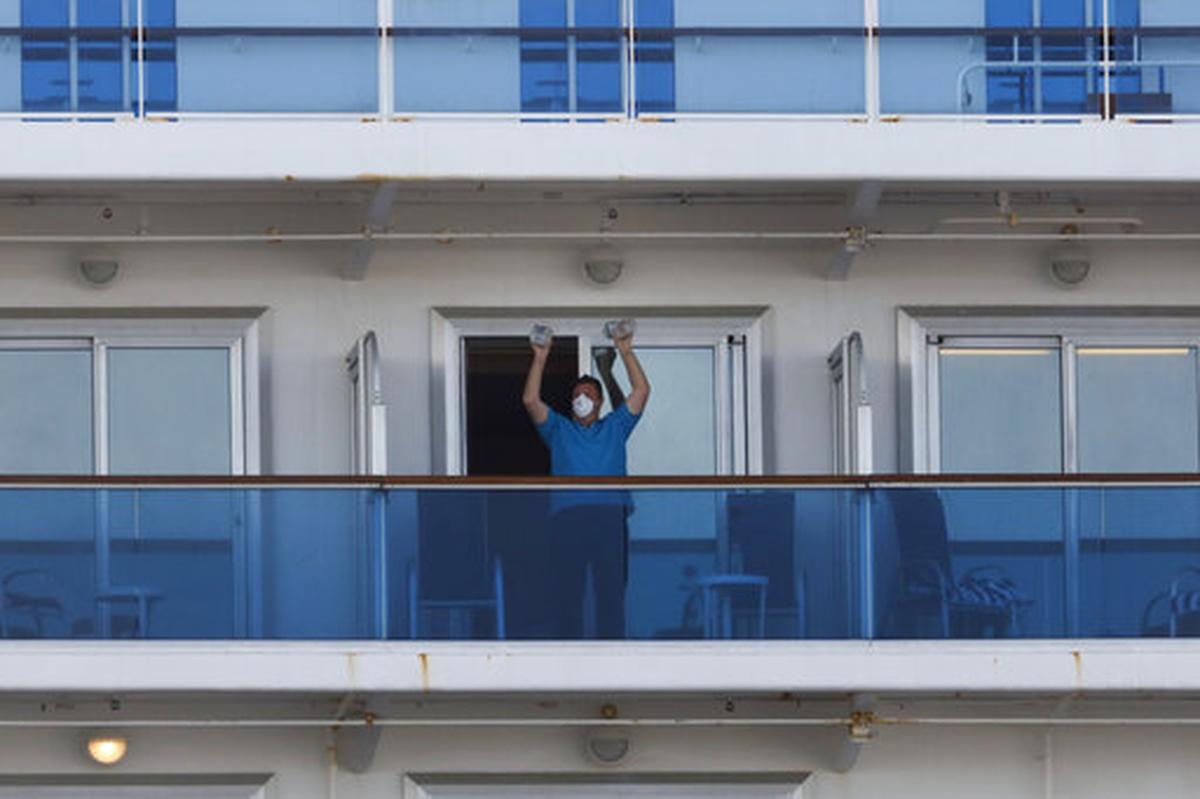
People on the ship were allowed to leave their rooms daily for a walk wearing masks, but the Howes decided it would be safer just to avoid all contact with fellow passengers and stay in their 200-square-foot cabin.
Both are retired from Framatome in Richland, so had no urgent need to return home.
They had each other for company and passed the time reading books, watching TV, calling new friends on the ship, cruising the Internet and frequent Skyping on the computer with their grown children, who Gail Howe said were “worried sick.”
Crew members guarded the halls to make sure no one left their rooms and also came to their cabin to hand in meals, water and fresh linens.
The Howes would put on face masks to open their door and be greeted by crew in face masks, gloves and sometimes protective gear, but they were always upbeat and cheerful, the Howes said.
The worst part of their experience with the Japanese government, which was directing the quarantine on board, was the struggle to get Tim Howe’s life-sustaining heart medication.
He filled out a form the first day of the quarantine for refills, but days passed with no medication delivered and no calls returned when they tried to find out where it was.
He started taking half a dose a day, until a substitute medication was delivered because his medication was not available in Japan.
The issue was solved when Gail’s sister went to their house and received some of the extra medication Tim Howe had there and had it express mailed to the Diamond Princess.
The Howes also are not happy with the evacuation from the ship to the United States.
Airplane exposure
They had been told that no one who tested positive would be allowed on the two planes that carried U.S. passengers back to America.
It was a standard set by the Centers for Disease Control, but overridden by the U.S. State Department.
After the Howes boarded a bus for the 30-minute drive to the airplane, the bus sat for seven hours without bathroom facilities as government officials debated who to allow on the plane.
“This is kind of one of the parts that really rubs me bad,” Tim Howe said. “We were really careful on the ship about avoiding contact. We realized on the airplane we were not going to have much choice.”
They boarded the plane an empty freight plane with no windows and outhouses strapped to the floor, unaware that any people with the coronavirus were also boarding.
But half way through the flight they were told to line up to have their temperatures checked. As they walked to the back of the plane, they passed a plastic tent with gaps not taped shut where plastic overlapped.
Tim Howe pulled aside a gap and was surprised to see people inside. They didn’t learn until later that it was a quarantine tent.
“I guarantee we were exposed on the airplane,” Tim Howe said.
About 20 of the people who had been on the plane to California were infected.
California base
The Howes spent an uneventful week at Travis Air Force Base in Northern California in a small apartment with a common grassy area where they could take walks. But the quarantine there was no joke.
“We were enclosed in a portable chain link fence,” Tim Howe said. “It was locked close and we had flood lights at all four corners.”
U.S. marshals were stationed at each corner 24 hours a day.
“It was prison, soft man’s prison — upscale prison,” Tim Howe said.
Now that they’re home, Gail Howe says that she’s grateful for the family and friends who contacted them, plus church and Bible study groups, who prayed for them. “It was comforting,” she said.
Their quarantines and likely close calls with the novel coronavirus has not put them off cruising.
A year ago they booked a tour to the British Isles this summer.
They spent some of the time they were confined to their Diamond Princess cabin deciding what excursions to book on port days during the cruise.
They’ll be watching the spread of the virus in the next few months, but at this time don’t have plans to cancel.
This story was originally published March 9, 2020 at 4:36 PM.