
New walking, biking trail opens near Tri-Cities. It boasts a special view of wildlife
A new walking and biking trail has opened near the Tri-Cities and is one of the few built and certified to meet the requirements of the Americans with Disability Act in Southeast Washington.
It’s thanks to the vision and dedicated efforts of a local group of conservation enthusiasts working in cooperation with employees from the U.S. Fish and Wildlife Service.
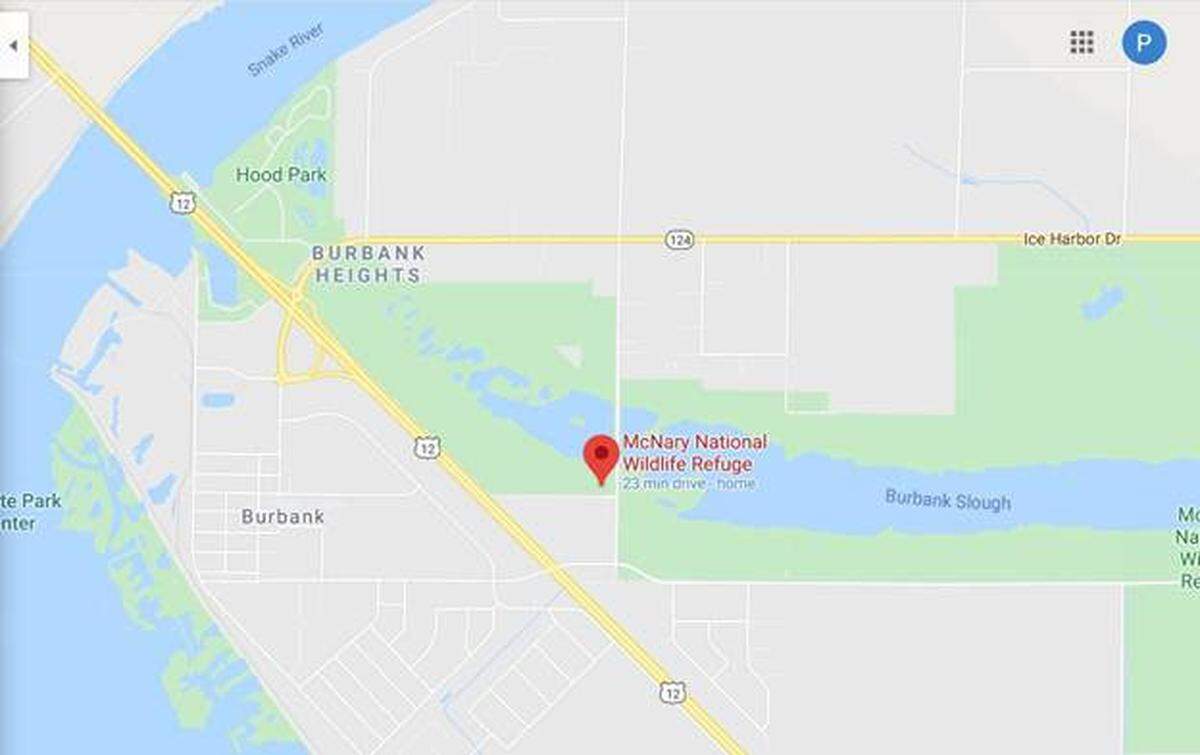
The new trail is at the McNary National Wildlife Refuge in Burbank, about 7 miles southeast of Pasco.
“Paving the trail has been a dream of refuge staff for many years,” said Refuge Manager Keely Lopez. “It offers easy access to remarkable wildlife viewing opportunities and can be used by people on foot or on bicycles, and dogs are allowed on leash.”
The official opening event is Saturday, Feb. 15.
1.5-mile walking trail
The easy-to-walk, flat trail has a blacktop paved surface for 1.5 miles. It is temporarily called the Headquarters Trail pending an upcoming naming contest.
It was designed and built to meet technical requirements for accessible trails, including: trail grade and cross slope, resting intervals, surfacing, clear sturdy tread width of 42 inches, passing spaces, with no obstacles or protruding objects.
From behind the Environmental Education Center the main trail winds to the west and hits a short side trail which leads to the fully enclosed wood bird blind that opened in 2017.
The remarkable building, on a strip of land extending out into the water, is a comfortable wooden structure that has attractive cedar walls inside and out, with windows at sitting and standing height, benches for sitting and room for lots of people.
The main trail then winds to the north around a series of small ponds.
There is a walkway bridge across the wetlands and the trail meanders through a series of different habitat types, including: sagebrush, stands of riparian trees, wetlands and the flat vegetated lands next to farm fields that provide food for the waterfowl.
Along the trail there are benches to rest which offer and opportunities to sit and observe the wildlife and habitats.
The beginning of the trail features several interpretive panels that describe refuge resources and management.
Right behind the Environmental Education Center, there is a newly installed pollinator garden, a special project designed and built by the Friends of Mid-Columbia River Wildlife Refuges.
Members of the Richland Rod and Gun Club installed and maintain the wood duck boxes that can be spotted from the trail.
Bird viewing paradise
Nancy LaFramboise, a member of the Lower Columbia Basin Audubon Society, has spent a lot of time catching, banding and releasing many songbird species in a special project there.
Banded white-crowned sparrows can be seen on occasion along the trail and the gardens.
The McNary refuge is known as a magnificent haven for wildlife — a bird lover’s paradise.
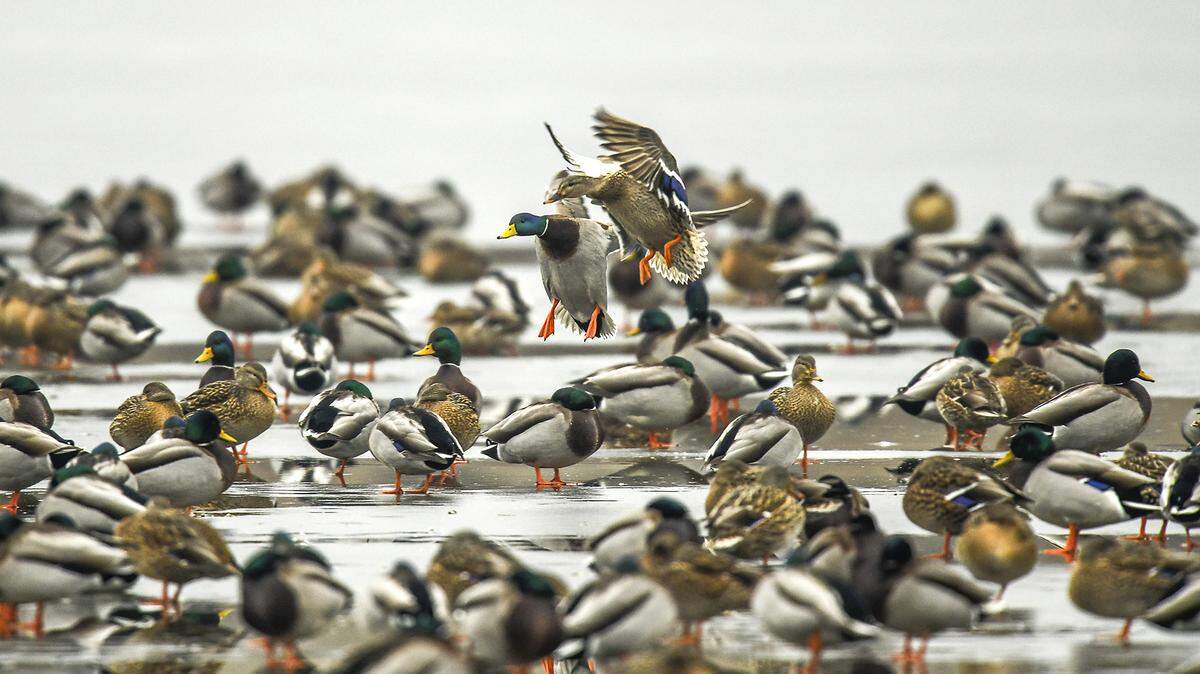
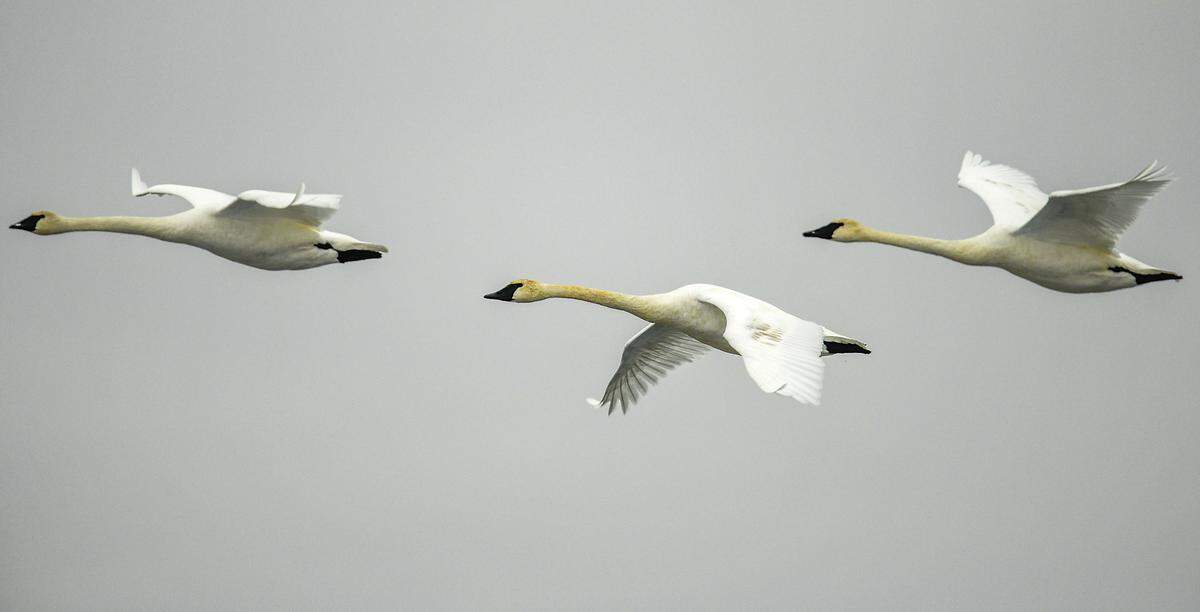
“It is possible to encounter virtual clouds of ducks, geese, and swans. The open water can hold huge numbers of birds, but when it is frozen, they are elsewhere,” Denise McInturff, park ranger for the Mid-Columbia River NWR Complex.
The McNary Refuge offers people of all ages the opportunity to view numerous different species of waterfowl, including tundra swans, mallards, wood ducks, and northern shovelers, along with smaller birds such as red-winged blackbirds, marsh wrens, and white-crowned sparrows.
Bald eagles and great egrets roost in the trees on slough edges. Occasionally, secretive species like Virginia rails or river otters can also be seen.
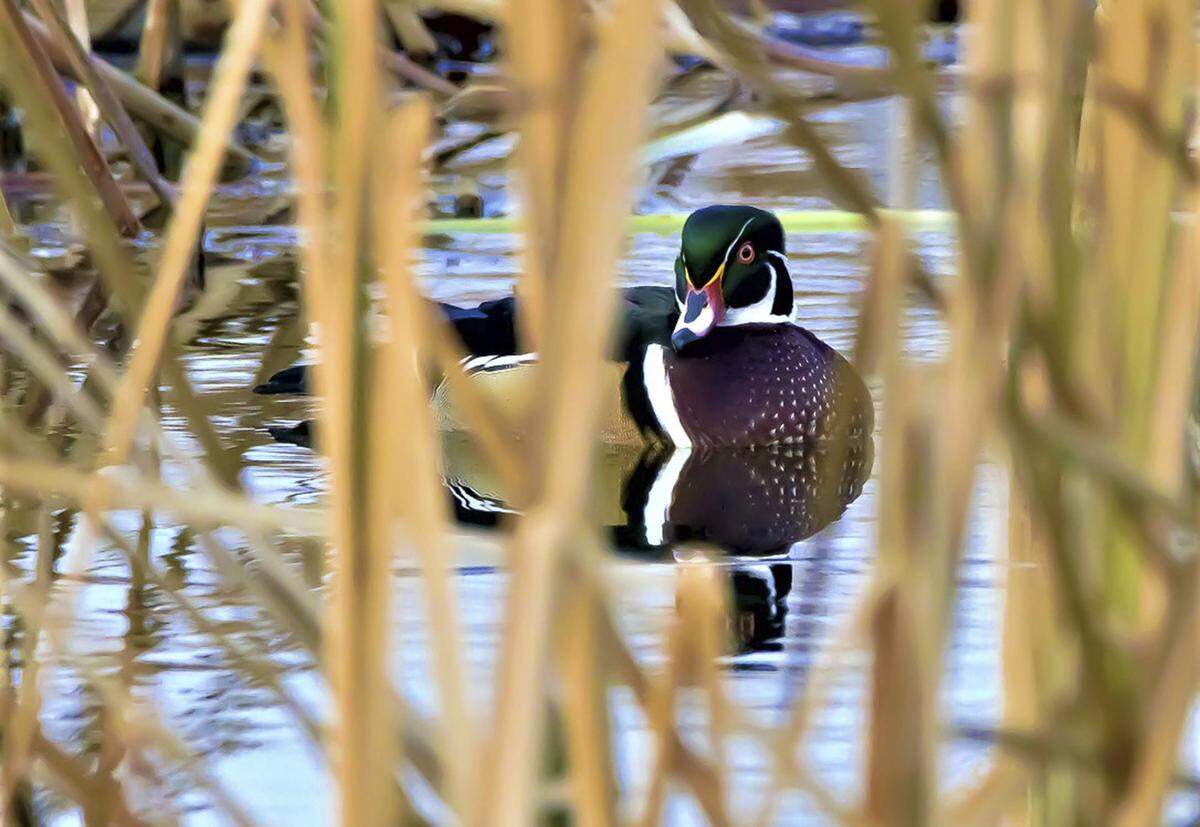
Muskrats and painted turtles are commonly seen and ample amounts of coyote scat is evident on the trail itself. Botanists can enjoy native species like showy milkweed, salt heliotrope, and saltgrass adjacent to the trail.
The present effort is part of a larger plan to expand the trails at the refuge in the future with other trails in the network of trails in Tri-Cities.
The long-term plan is to secure federal funding to build trails to connect to Hood Park, Sacajawea Historical State Park, and the other trails along the Columbia River in Pasco, Kennewick and Richland and beyond.
The new trail construction project, which cost just over $167,000, was funded by refuge’s recreation fees.
This is money that is collected from things like hunting fees, recreation passes, guided kayak tours and wildflower walks.
There is no charge for visiting the McNary Wildlife Refuge.
Winter birds event
The new trail officially opens with the Winter Birds Celebration at the McNary National Wildlife Refuge Environmental Education Center in Burbank 9 a.m. to 1 p.m. on Feb. 15.
The Fish and Wildlife Service and Friends of Mid-Columbia River Wildlife Refuges are hosting a special birding event with live bird programs by Blue Mountain Wildlife, songbird banding (weather permitting), beautiful wildlife slideshows, waterfowl tours and hikes, Tri-City Wood Carvers demonstrations, and Sketch-Out, an art activity for all ages.
A special trail naming contest will be held where people can propose a name for the newly paved trail.
Visitors can drop their trail name suggestions off at the Environmental Education Center.
After the event, employees will choose the top four favorites and let the public vote on the Facebook page in early March.
Special exploration zone projects are being organized with local community groups including the Boy Scouts, Burbank Elementary School and other local volunteer groups.
One projects scheduled for late spring is a giant eagle’s nest structure that children can walk into to see what it’s like being an eaglet.
Best viewing tips
The best chances for seeing wildlife is early morning or just before sunset. Animals are usually more active then, especially during the warmer times of year, and can often be seen coming and going to feeding and resting areas.
Watch for wildlife in areas where two habitat types meet. Animals are attracted to the variety of food and shelter found in these transitional zones.
Use spotting scopes or binoculars to get a closer look. And don’t forget your camera.
If you are on foot, take advantage of any foliage to conceal your approach. Move slowly, speak softly and avoid loud noises.
Don’t feed or disturb the wildlife. Remember dogs must be on leash and under complete control.
Check the weather forecast and road conditions and prepare accordingly. Let people know where you’re going and when you plan to return.
That said, there is likely cell service at most refuge locations.
Some of these refuge lands are used by hunters. During hunting season, wear bright reflective clothing and respect private property.
The refuge is at 64 Maple St., Burbank. Phone: 509-546-8352
This story was originally published February 10, 2020 at 5:00 AM.