
Judge questions whether Kennewick mayor recall can move forward legally
Whether a petition to recall Kennewick Mayor Don Britain moves forward could depend on whether the law allows city council members to be recalled for actions they take when not representing the city.
Benton County Superior Judge Bruce Spanner on Wednesday delayed a decision on the issue and scheduled more hearings to give attorneys for Britain and the Kennewick man leading the recall effort more time to make their arguments.
Britain appeared in court Wednesday for the first of what could be three hearings on the recall petition.
Richard Bilskis, the Kennewick resident who filed the recall petition, told the judge that the misconduct allegations did not happen while Britain was acting in an official capacity for the city.
Britain was fired by the Washington state Department of Social and Health Services in October after an administrative investigation by the Washington State Patrol.
Britain, who was a case manager, was accused of an “inappropriate relationship” with a female client. He is fighting the termination with the backing of his union.
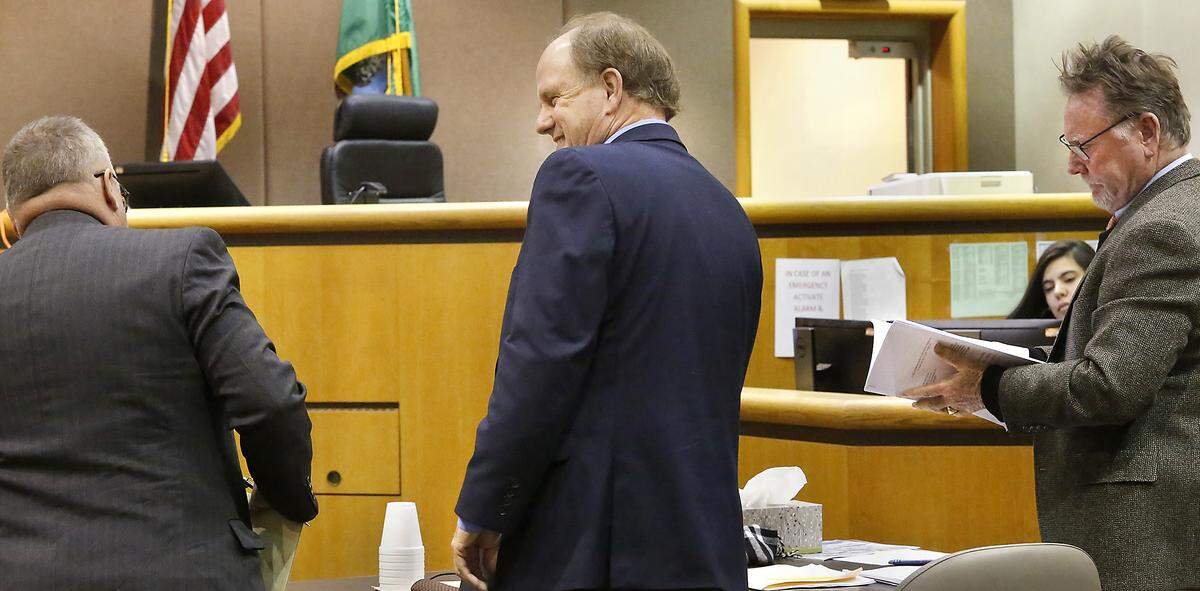
Spanner set a hearing for Feb. 12 to hear arguments from Bilskis, who is representing himself, and Britain’s attorney, Bob Thompson, on whether it mattered that Britain’s actions were not directly related to city business.
If Bilskis can persuade the judge that the law does not require the mayor to be acting in an official capacity during the alleged misconduct, a hearing is set for Feb. 26 to argue the merits of the recall petition.
Spanner would consider whether the charges in the petition are sufficient. If he finds that some or all are, signatures could be gathered for a vote for his removal.
Mayor signed lease with DSHS client
The recall petition filed Jan. 8 against Britain accuses him of violating not only the city’s code of ethics but the law.
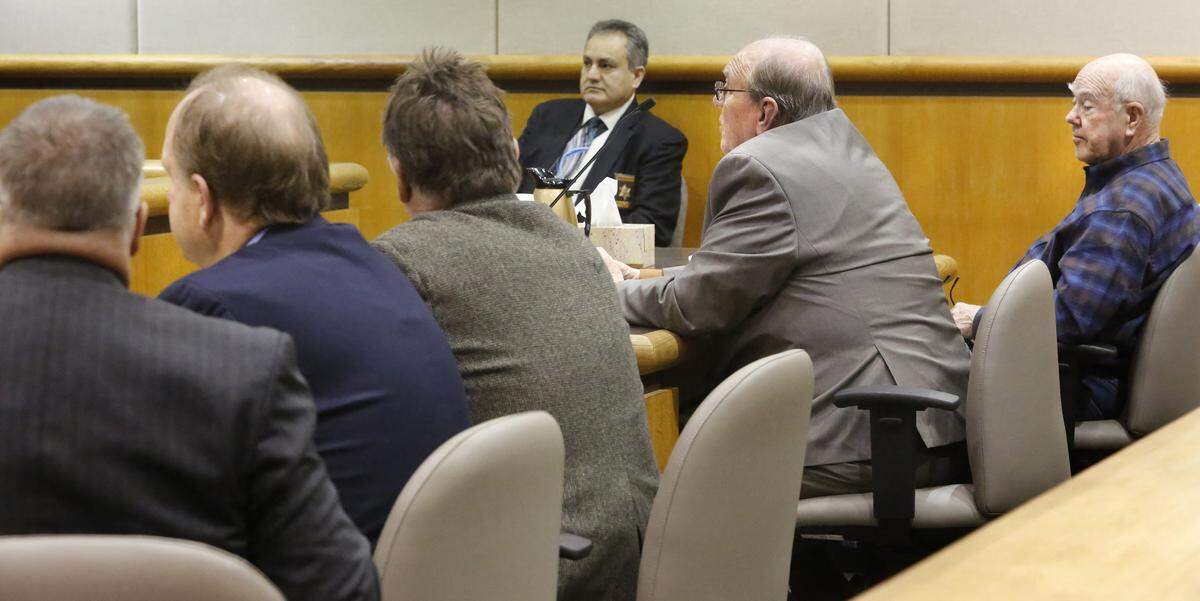
Britain also faces an ethics complaint signed by three of the seven-member city council and filed the same week as the recall petition. The four other council members elected him as mayor for 2020 that week.
The city council recall petition goes beyond the findings of the WSP investigation, alleging that $2,500 in benefits for Britain’s client — including food for her children, gas money and a college training program — amounted to second-degree felony theft.
Britain had signed a joint apartment lease with the client in 2019 and he, his client and her two children lived there.
He created support services vouchers for her Columbia Basin College welding program she enrolled in, which Bilskis said was $1,960 of the approximately $2,500 in benefits.
Britain says they were reviewed and approved by managers before being given to her.
The WSP report quoted people questioning some of the materials DSHS paid for for a welding program.
‘What ifs’ in recall petition
Britain maintains that Bilskis came to conclusions not supported by facts.
The recall petition is filled with suppositions and “what ifs,” Thompson said in court Wednesday.

Britain said in documents filed in court that he did not commit any illegal acts or malfeasance or abuse his ethical obligations as a Kennewick council member.
He said his client told him she and her two children were at risk of being homeless at the start of 2019 and she might not be able to start the welding program.
Because of his divorce, Britain already was planning to move and said he leased a new apartment and rented a room to her. Her name was also on the lease at the recommendation of the apartment complex, he said.
“I received no personal gain or benefit from this situation,” he said in court documents.
“This relationship was not personal or romantic, and I believed it would only be temporary,” he said.
The WSP investigation also found that he used airline miles to buy his client a ticket to Hawaii at the same time he traveled to Hawaii, but denied that they vacationed together when they arrived there.