
This widow sued after being told to widen a Richland street. Here’s what happened
A 70-year-old widow will be able to add a second bedroom and bath to her longtime Richland home without having to also pay $60,000 to widen the street.
The city of Richland has revised its ordinance that forced homeowners to pay for costly street upgrades as a condition for getting a building permit.
A lawsuit against the city of Richland was dismissed Thursday after both the city and homeowner Linda Cameron notified federal court that they had reached an agreement out of court.
Cameron, represented by the Institute for Justice, filed the lawsuit in federal court in October after the city declined to issue permits for renovating her home of 40 years until she paid to improve a city street in the Richland Wye.
“It’s crazy,” she said when the lawsuit was filed. “I can’t afford to renovate my house and improve Fowler Street.”
The city was requiring that she widen 400 feet of the street along the back of her property and add curbs, street lights and sidewalks that would not connect to other sidewalks, according to the Institute for Justice.
“It is a shame that it took a federal lawsuit for the city to recognize that it was violating its citizen’s constitutional rights,” said Paul Avelar, an Institute for Justice attorney. “But with this change, Linda and other homeowners are free to renovate their property without having to pay a ransom to the city.”
Claim: Constitutional rights violated
The institute is best known for its work in the controversial Kelo v. City of New London case.
The case led to a 2005 U.S. Supreme Court ruling that upheld the use of eminent domain for economic development but sparked a nationwide backlash that led states to develop new laws to protect property owners.
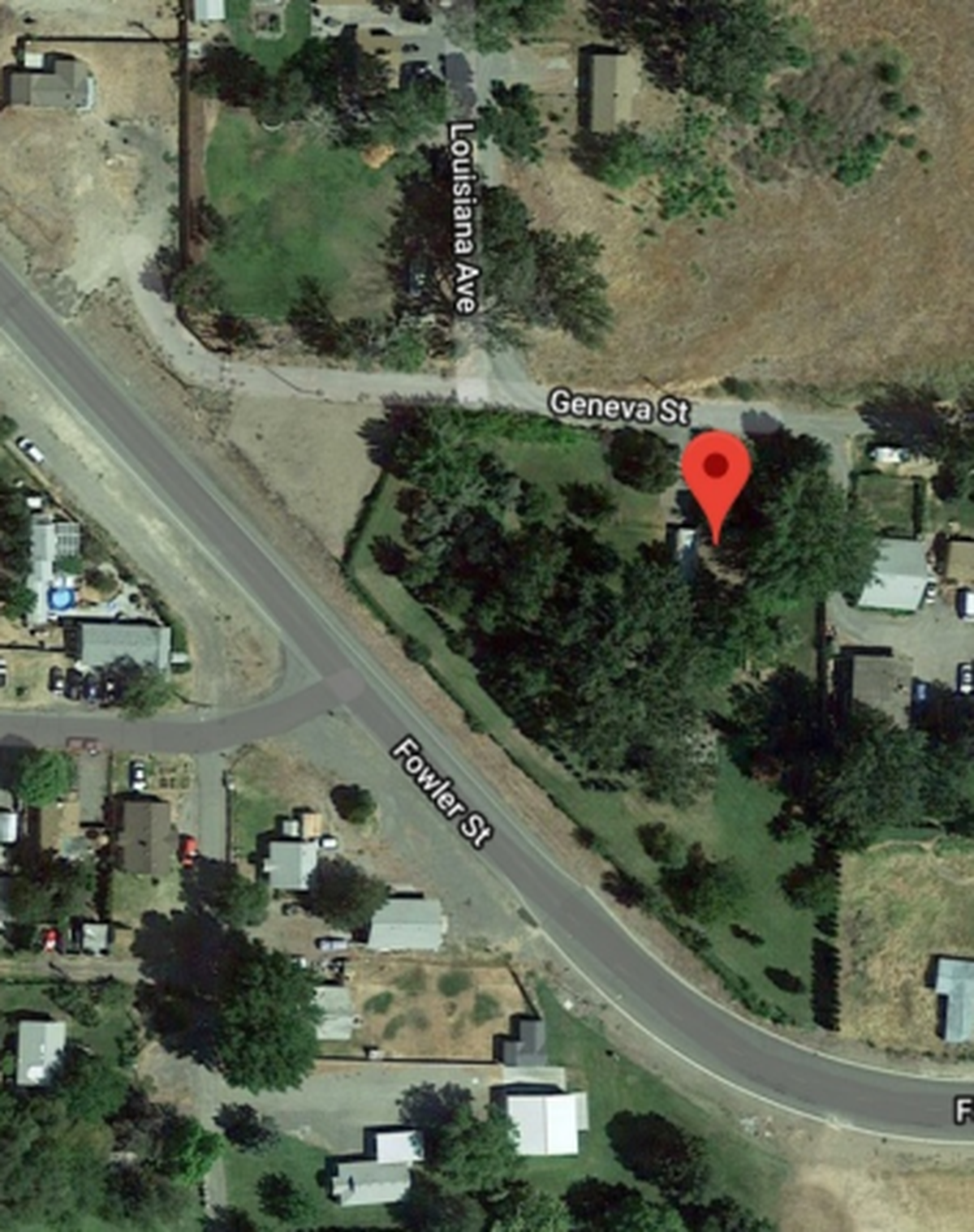
Cameron’s lawsuit claimed the city violated her constitutional rights by tacking unreasonable conditions onto her home improvement project, effectively taking her enjoyment of her property without compensation.
The lawsuit said that Cameron’s home renovation plan had no impact on city streets, such as increasing traffic. In fact, her driveway was not on Fowler street.
“The city just wanted Linda to pay for a new street, so it wouldn’t have to,” the institute said in a statement.
Cities may legally charge fees to recoup the impact that development has on public infrastructure, but those fees usually are imposed on developers to cover the actual impacts of development. For instance, a new subdivision might require new sewer lines or traffic signals in the area.
But the Supreme Court has held that impact fees cannot be charged if there are no impacts, the institute said.
“If cities want new streets or sidewalks, they can pay for those through normal channels,” said Patrick Jaicomo, an institute attorney.
Modest house renovation
Cameron and her late husband Gary bought their 1,200-square-foot home with one bedroom, one bathroom and one closet in 1977.
The property has a Geneva Street address and backs up to Fowler Street in an older section of Richland. The Wye area is sandwiched between Highway 240 and the Columbia River.

Gary Cameron, a Hanford boilermaker, and Linda, a seamstress, planted trees and transformed the 1948-built house into a home.
The couple talked of renovating, but Gary died in 2012 before they could begin work, according to the suit.
After her husband’s death, Linda Cameron decided to use insurance money to add a second bedroom and bathroom to accommodate guests and visitors.
According to her attorneys, she loves her neighborhood and preferred to update her existing home rather than move to a larger house.
She hired AJ Construction and Development to design and build the addition.
The firm drew up plans to expand the 1,200-square-foot house by roughly 744 square feet and to convert a carport into a two-car garage. The estimated cost was $143,000, plus $12,000 in sales taxes.
AJ submitted plans to the city in October 2018.
According to the lawsuit, the city’s planning department signed off.
But the public works department invoked a section of the Richland municipal code that could require property owners to upgrade nearby streets when a project tops $50,000 before a building permit is issued, according to Cameron’s attorneys.
The council voted recently to change that section of the code.
“Thankfully, Richland has agreed to stop that practice,” Jaicomo said. “Under its new ordinance, homeowners will be able to once again use and enjoy their property without paying the city for the privilege.”